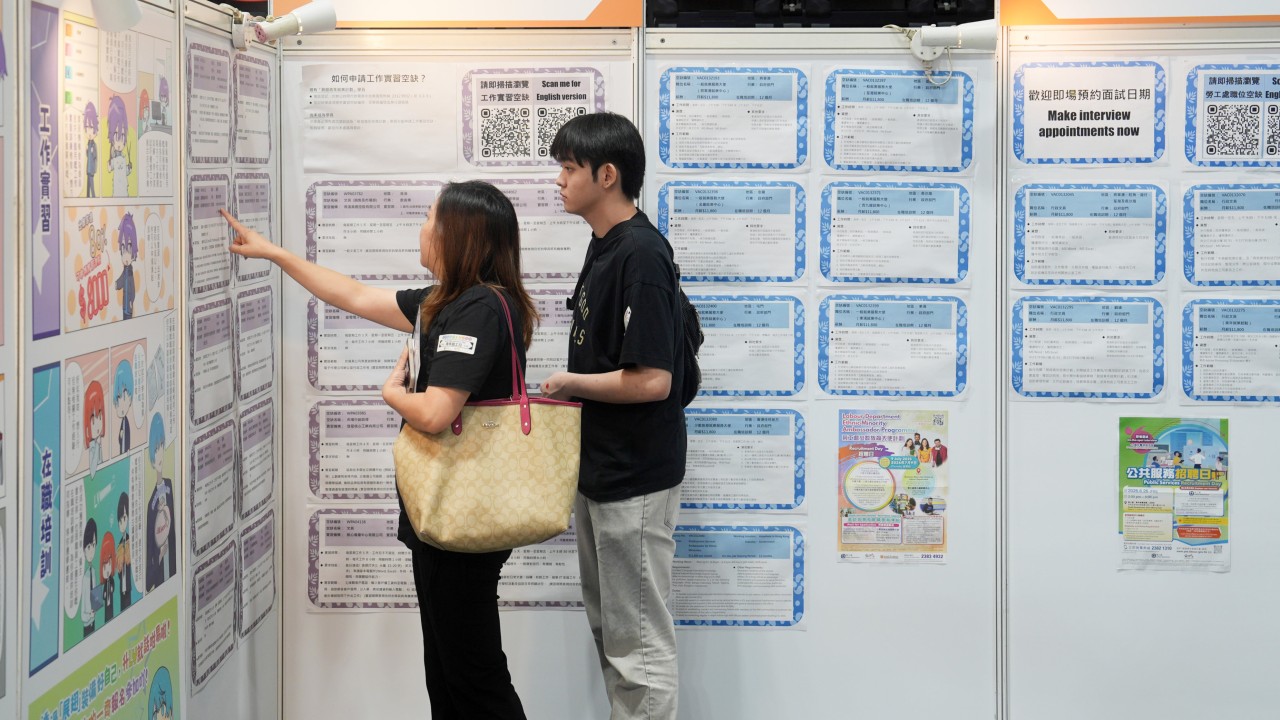
香港将于2027年第一季度推出一项提供3万个名额的青年就业及实习计划。在开放申请前,政府应当决定它要购买的是:人数的暂时性增加,还是专业能力的持久性提升。
Hong Kong will launch a 30,000-place youth employment and internship programme in the first quarter of 2027. Before applications open, the government should decide what it is buying: a temporary increase in headcount or a durable increase in professional capability.
这一区别至关重要,因为初级劳动力市场已在发生变化。根据浸会大学一项年度调查,学士学位持有者相对于副学位毕业生的起薪优势收窄了17%,从去年的3000港元缩减至今年的2500港元(约合380美元至320美元)。
The distinction matters because the entry-level labour market is already changing. According to an annual survey by Baptist University, the starting-pay advantage of bachelor’s degree holders over sub-degree graduates narrowed by 17 per cent, from HK$3,000 last year to HK$2,500 this year (US$380 to US$320).
行政长官李家超最新的《施政报告》给出了规模适度的回应:两年内提供3万个名额,其中包括1万个受资助的全职初级职位。金融服务发展局(FSDC)将统筹金融服务业的1000个实习名额。若每位占用受资助名额者均须通过学徒制考核,该计划有望成为面向人工智能密集型经济的劳动力基础设施。
Chief Executive John Lee Ka-chiu’s latest policy address offers a response on an appropriate scale: 30,000 places over two years, including 10,000 subsidised full-time entry-level jobs. The Financial Services Development Council (FSDC) will coordinate 1,000 internships in financial services. The programme could become workforce infrastructure for an AI-intensive economy, provided every person taking up a subsidised place passes an apprenticeship test.
上月,本市创新主管部门描述了一个四步走的人工智能“人才阶梯”:拓宽技术获取渠道、将学习者转化为创新者、连接科研与产业、构建支撑性基础设施。这些步骤旨在发展技术能力的供给。该安置计划则针对下一个转型环节——从懂得使用工具,进阶为在真实职场中履行责任。其相关产出为受监督的绩效表现及向持续性就业的衔接。
Last month, city innovation officials described a four-step AI “talent ladder”: widening access to the technology, turning learners into innovators, connecting research with industry and building supportive infrastructure. Those steps develop the supply of technical capability. The placement programme addresses the next transition, from knowing how to use a tool to exercising responsibility in a real workplace. Its relevant outputs are supervised performance and progression into sustained work.
两个安置名额在新闻标题的统计数字层面看似相同。试想,一种安置让毕业生获得六个月受资助的例行工作,另一种则提供指定导师、经过考核的责任岗位以及通往非受资助职位的路径。只有后一种才能拓展香港的人才库。四项测试可将二者区分开来。
Two placements can look identical, at the level of the headline count. Consider a placement that gives a graduate six months of subsidised, routine work, and another that provides a named mentor, assessed responsibility and a pathway to an unsubsidised job. Only the second kind would expand Hong Kong’s talent base. Four tests would distinguish between them.
第一项考核标准是增值性。雇主应说明补贴创造了什么新岗位、培训能力或晋升路径。接受公共资助的实习生不应取代现有的初级员工,也不应成为长期享受补贴岗位的最新占用者。雇主可提交初级员工基准人数,并在资助期间报告变动情况。目标是扩大受过培训的工人供给,而非重组薪资成本。
The first test is added value. An employer should state what new role, training capacity or pathway the subsidy creates. A publicly supported trainee should not replace an existing junior employee or become the latest occupant of a permanently subsidised seat. Employers could submit baseline junior staffing figures and report changes during the support period. The aim is to expand the supply of trained workers, not reshuffle payroll costs.
第二项考核标准是受监督的实践。每个实习岗位都应指定一名导师,保障监督时间,并制定一份将工作任务与胜任力挂钩的简短计划。在人工智能辅助的工作场所,实习生的职责应包括核查来源、记录不确定性、上报异常情况以及解释建议。
The second test is supervised practice. Each placement should have a named mentor, protected supervision time and a short plan linking assignments to competencies. In an AI-assisted workplace, the trainee’s responsibilities should include checking sources, documenting uncertainty, escalating exceptions and explaining recommendations.
对于受监管的工作,该计划应明确初级核实的界限在哪里结束、合格高级人员的责任在哪里开始。这些要求将职位描述转化为学习契约。
For regulated work, the plan should identify where junior verification ends and qualified senior responsibility begins. These requirements turn a job description into a learning contract.
第三项考核标准是进步性。课程出勤率和软件使用情况很难说明某人是否正在变成无需公共资助即可就业的人才。参与者应完成一项基于其完成的工作、发现的错误及可辩护的推理过程的评估。雇主应报告每位参与者是否完成实习、转入非补贴岗位,以及在六个月和十二个月后是否仍在职。
The third test is progression. Course attendance and software usage reveal little about whether someone is becoming employable without public support. Participants should complete an assessment based on work they did, errors they detected and reasoning they can defend. Employers should report whether each participant completes the placement, moves into an unsubsidised position and remains employed six and 12 months later.
第四项考核标准是公共资金使用效益。工资补贴应分阶段发放:合规实习开始时发放首笔款项,经核实完成后发放第二笔款项,参与者转入持续的非补贴工作时发放留任款项。
The fourth test is value for public money. Wage support should be released in stages: an initial payment when a compliant placement begins, a second payment after verified completion and a retention payment when the participant moves into continuing unsubsidised work.
前置资助奖励招聘;分阶段资助奖励培训与进步。应设立保障措施,允许在雇主反复让实习生轮岗同一职位而不留任或晋升时,追回资金或取消其未来申请资格。
Front-loaded support rewards recruitment; staged support rewards training and progression. Safeguards should permit repayment or exclusion from future rounds if employers repeatedly cycle trainees through the same role without retaining or advancing them.
香港可以通过已经监督专业发展的机构来实施这些测试。香港会计师公会要求提供实务经验记录和年度签署。香港律师会则负责注册为期两年的见习律政人员合同。
Hong Kong can administer these tests through institutions that already monitor professional development. The Hong Kong Institute of Certified Public Accountants requires practical experience records and annual signoffs. The Law Society of Hong Kong registers two-year trainee solicitor contracts.
香港银行学会负责管理香港金融管理局的胜任能力框架。这些现有的模板可以为指导、证据和签署提供共同标准,而无需对所有职业强加单一的培训模式。
The Hong Kong Institute of Bankers administers the Hong Kong Monetary Authority’s competency framework. These existing templates can inform common standards for mentoring, evidence and signoffs without imposing one training model on all occupations.
较小的雇主将需要一条切实可行的途径来参与该计划。他们可以加入行业联合体,共享由相关专业团体认证的外部导师,以及评估支持和行政报告。
Smaller employers will need a workable route to the programme. They could join sector-based consortiums that share an external mentor accredited by the relevant professional body, along with assessment support and administrative reporting.
这将为那些提供宝贵工作但无法维持庞大人力资源或培训部门的本地公司保留参与渠道。联合体应支持监督;对每个实习岗位质量的责任应由获得津贴的雇主承担。
This would preserve access for local firms that offer valuable work but cannot maintain a large human resources or training department. The consortium should support supervision; responsibility for the quality of each placement should remain with the employer receiving the subsidy.
政府应按行业和雇主规模发布一份简明的成果仪表板。它应显示启动的岗位、提供的指导小时数、完成率、评估结果以及在六个月和十二个月时的无补贴就业情况。管理该计划的政府部门可以与香港金融发展局及相关专业团体进行随机审核,这些专业团体将制定行业特定的指导和评估标准。
The government should publish a compact outcomes dashboard by sector and employer size. It should show places started, mentoring hours delivered, completion rates, assessment results and unsubsidised employment at six and 12 months. The government unit administering the programme could conduct random audits with the FSDC and relevant professional bodies, which would set sector-specific mentoring and assessment standards.
保密的参与者反馈将用于检验有记录的监督是否在实际中发生。报告汇总结果将使公众能够在不把单个受训人员变成排行榜条目的情况下评估计划表现。这也将揭示哪些行业将公共支持转化为持久的职业生涯,哪些行业需要不同的设计。
Confidential participant feedback would test whether documented supervision occurred in practice. Reporting aggregated results would allow the public to judge programme performance without turning individual trainees into league-table entries. It would also reveal which sectors convert public support into lasting careers and which require a different design.
到2029年,该项目的成功应当体现在有多少参与者能够展现出良好的判断力、承担更多的责任,以及在没有补贴的情况下保持就业。达成这些目标将使这项临时就业计划转变为香港人工智能经济所需的劳动力基础设施的一部分。
By 2029, the success of the programme should be seen in how many participants can demonstrate sound judgment, assume greater responsibility and remain employed without subsidy. Meeting those targets would turn a temporary jobs initiative into part of the workforce infrastructure Hong Kong’s AI economy needs.