中国神经科技公司强脑科技(BrainCo)正在开发一款可穿戴设备,该公司称该设备可以通过刺激大脑来抑制食欲,并将其定位为热门GLP-1减肥疗法的潜在非药物替代品。
Chinese neurotechnology firm BrainCo is developing a wearable device that it says could suppress appetite by stimulating the brain, positioning it as a potential non-drug alternative to blockbuster GLP-1 weight-loss treatments.
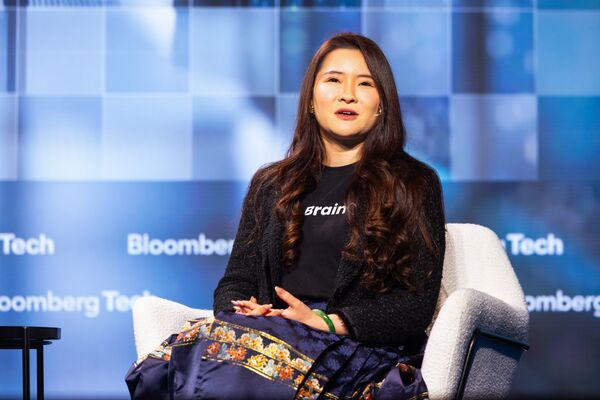
据创始合伙人何伊莉(Nyx He)在彭博伦敦科技峰会(Bloomberg Tech London event)接受采访时透露,该公司计划在未来两到三年内将该设备推向市场。
The company aims to bring the device to market within the next two to three years, according to founding partner Nyx He, who spoke in an interview at Bloomberg Tech London event.
何伊莉表示,该产品实际上将起到GLP-1减肥药的“电子版”作用。该公司计划首先在中国推出该设备,随后可能会扩展到美国。
The product would effectively function as an “electronic version of GLP-1” obesity drugs, He said. The company plans to launch the device first in China before before potentially expanding to the US.
强脑科技正试图与埃隆·马斯克的Neuralink竞争,该公司旨在将其脑机接口(BCI)技术应用于减肥市场。该领域目前由模拟调节食欲的代谢激素的GLP-1药物Wegovy和Zepbound主导。这家总部位于杭州的公司此举将标志着其业务超越现有的神经疗法设备、假肢和机器人领域。
BrainCo — which seeks to compete with Elon Musk’s Neuralink — is aiming to apply its brain-computer interface, or BCI, technology for the weight-loss market. The sector is currently dominated by GLP-1 drugs Wegovy and Zepbound, which mimic metabolic hormones that regulate appetite. The Hangzhou-based firm’s effort would represent an expansion beyond its existing business in neurotherapy devices, prosthetics and robotics.
阅读:中国有望引领5万亿美元的人形机器人市场 她拒绝就强脑科技上市或在上市前筹集额外资金的计划发表评论。彭博社今年1月报道称,该公司已秘密提交了香港首次公开募股申请。
Read: China Poised to Spearhead $5 Trillion Humanoid Robot Market She declined to comment on BrainCo’s plans to go public or raise additional funds before a listing. The company has filed confidentially for a Hong Kong initial public offer, Bloomberg News reported in January.
何伊莉表示,该公司将探索不同的产品商业化途径,包括可能分别推出医疗版和消费版。
The company will explore different ways to commercialize the product, including potentially releasing separate medical and consumer versions, according to He.
该公司目前销售支持BCI的头戴设备,以应对孤独症、注意力缺陷多动障碍(ADHD)和失眠等神经系统疾病。这些设备可以收集、解码并在某些情况下刺激神经信号。
It currently markets BCI-enabled headsets to address neurological disorders such as autism, ADHD and insomnia. The devices collect, decode and in some cases stimulate neural signals.
除了可穿戴设备,强脑科技还开发了假手,让截肢者和残障人士能够使用脑信号控制逼真的手指,从而能够完成弹钢琴和练习书法等任务。近年来,它一直向中国快速扩张的人形机器人行业供应机器人灵巧手。
Beyond wearables, BrainCo develops prosthetic hands that allow amputees and people with disabilities to control lifelike fingers using brain signals, enabling tasks such as playing the piano and practicing calligraphy. In recent years, it’s supplied robotic hands to China’s fast-expanding humanoid robotics industry.
尽管围绕BCI技术的地缘政治审查不断加息,包括美国提议限制对中国BCI公司的投资,但何伊莉表示,强脑科技的假手在美国继续获得“巨大的市场接受度”,并预计增长将会加速。
Despite growing geopolitical scrutiny around BCI technology, including proposed US curbs on investment in Chinese BCI firms, He said BrainCo continues to see “great market acceptance” for its prosthetic hand in the US and expects the growth to accelerate.
她说:“我们依然看到对我们产品的巨大需求,包括用于人形机器人的灵巧手和用于截肢者的假手。”
“We still see huge demand for our products, both the robotic hands for humanoid and prosthetic hands for amputees,” she said.
何伊莉表示,尽管强脑科技历史上一直专注于非侵入式BCI,但该公司未来可能会扩展到需要大脑植入物的侵入式方法。
Although BrainCo has historically focused on non-invasive BCI, the company may expand into invasive approaches that require brain implants in the future, He said.