世界气象组织(WMO)周二警告称,如果全球气温比工业化前水平升高2摄氏度,欧洲半数以上的滑雪场可能会面临严重的缺雪问题,这凸显了冬季旅游业面临的日益增长的风险。
More than half of Europe’s ski resorts could face severe snow shortages if global temperatures rise 2C above preindustrial levels, the World Meteorological Organization (WMO) warned Tuesday, highlighting growing risks to winter tourism.
在与国际滑雪和单板滑雪联合会(FIS)联合发布的一份报告中,这家联合国气象机构援引研究显示,在没有人工造雪的情况下,横跨28个欧洲国家的2234个滑雪场中,有53%将面临积雪供应的“极高风险”。
In a joint report with the International Ski and Snowboard Federation (FIS), the UN weather agency cited research showing that 53% of 2,234 ski resorts across 28 European countries would face “very high risks” to snow availability without artificial snowmaking.
该报告发布之际,气象条件迫使2025-2026年赛季的25场滑雪世界杯比赛被取消。
The report comes after weather conditions forced the cancellation of 25 Ski World Cup races during the 2025-2026 season.
世界气象组织表示,几乎在所有地区,特别是较低海拔地区,积雪持续时间平均每十年减少五天。
According to the WMO, snow cover duration has declined by an average of five days per decade across nearly all regions, particularly at lower elevations.
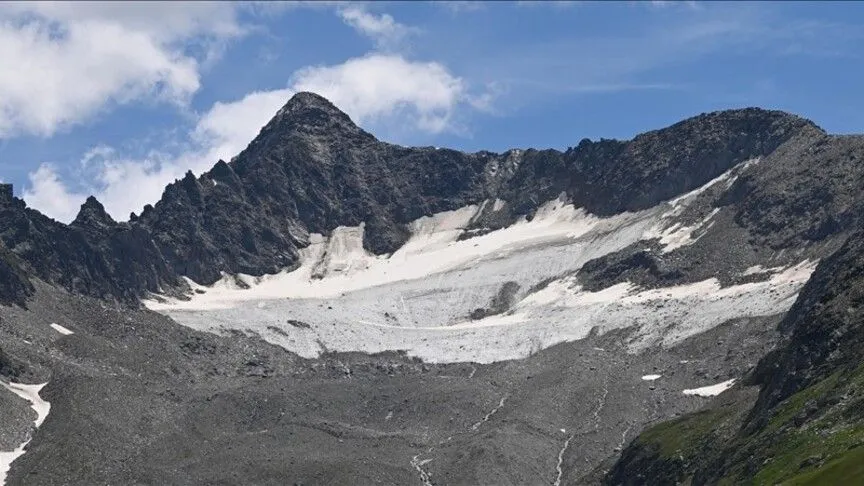
自2021年以来,瑞士受到的影响尤为严重,冰川冰体积减少了近20%。
Switzerland has experienced particularly severe impacts, with glaciers losing nearly 20% of their ice volume since 2021.
报告指出,在800米(2625英尺)以下的海拔地区,瑞士的降雪天数自1970年以来减少了一半。
At elevations below 800 meters (2,625 feet), the number of snowfall days in Switzerland has halved since 1970, the report noted.
世界气象组织警告称,随着气温升高减少了适宜条件,并给水资源和能源资源带来额外压力,人工造雪变得越来越困难。
The WMO warned that artificial snowmaking is becoming increasingly difficult as rising temperatures reduce suitable conditions and place additional pressure on water and energy resources.
报告敦促滑雪场利用天气预报、季节性展望和长期气候预测来改善运营规划,并调整基础设施以适应不断变化的环境。
The report urges ski resorts to use weather forecasts, seasonal outlooks and long-term climate projections to improve operational planning and adapt infrastructure to changing conditions.