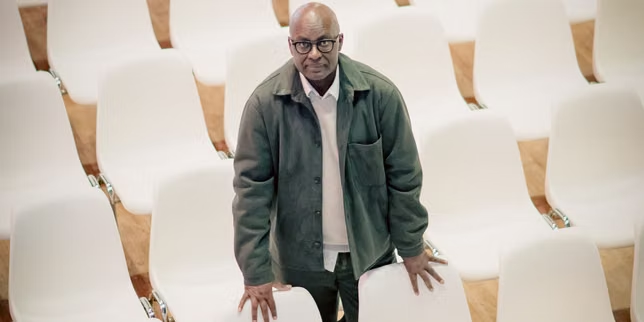
面对全球蔓延的民主危机,非洲大陆处于何种境地?尽管数个国家成功实现了权力交接,但喀麦隆历史学家兼哲学家、民主创新基金会主任阿希勒·姆本贝认为,殖民时代强化的“暴政长周期”远未结束。在接受《世界报》采访时,他结合非洲大陆独特的历史、主要全球性挑战,以及欧洲和美国自由民主国家保守主义与极右翼投票的兴起,探讨了民主的未来。您认为当今时代的主要挑战是什么,迫使我们重新思考民主?
In the face of democratic crises spreading across the globe, where does the African continent stand? Despite successful transitions of power in several countries, the "long cycle of tyranny," reinforced by the colonial era, is far from over, according to Cameroonian historian and philosopher Achille Mbembe, director of the Innovation Foundation for Democracy. In an interview with Le Monde, he discusses the future of democracy in light of the continent's unique history, major global challenges and the rise of conservatism and far-right voting in liberal democracies in Europe and the United States. What do you see as the major challenges of our time that are forcing us to rethink democracy?
要摆脱化石燃料资本主义将世界推入的死胡同,民主已无法与环保主义割裂开来。人类与一切生物之间的新陈代谢式互动,现已成为我们必须以此重新构想民主的基础。我们需要终结由社交媒体和人工智能驱动的、对公共资源的毁灭性竞争。我们的批判性思维、审议与推理能力,日益为催生出自恋式自我的自动化进程所取代。机器和算法生成的世界关系,无法让我们满足民主所要求的规范性期待。
To break free from the dead ends into which fossil-fuel capitalism has plunged the world, it is no longer possible to separate democracy from environmentalism. The metabolic interaction between humans and all living things has now become the foundation from which we must reimagine democracy. We need to put an end to the race toward the destruction of the commons, driven by social media and artificial intelligence. Our capacity for critical thinking, deliberation and reasoning has increasingly been replaced by automated processes that give rise to a narcissistic self. The relationship to the world generated by machines and algorithms does not allow us to meet the normative expectations required by democracy.