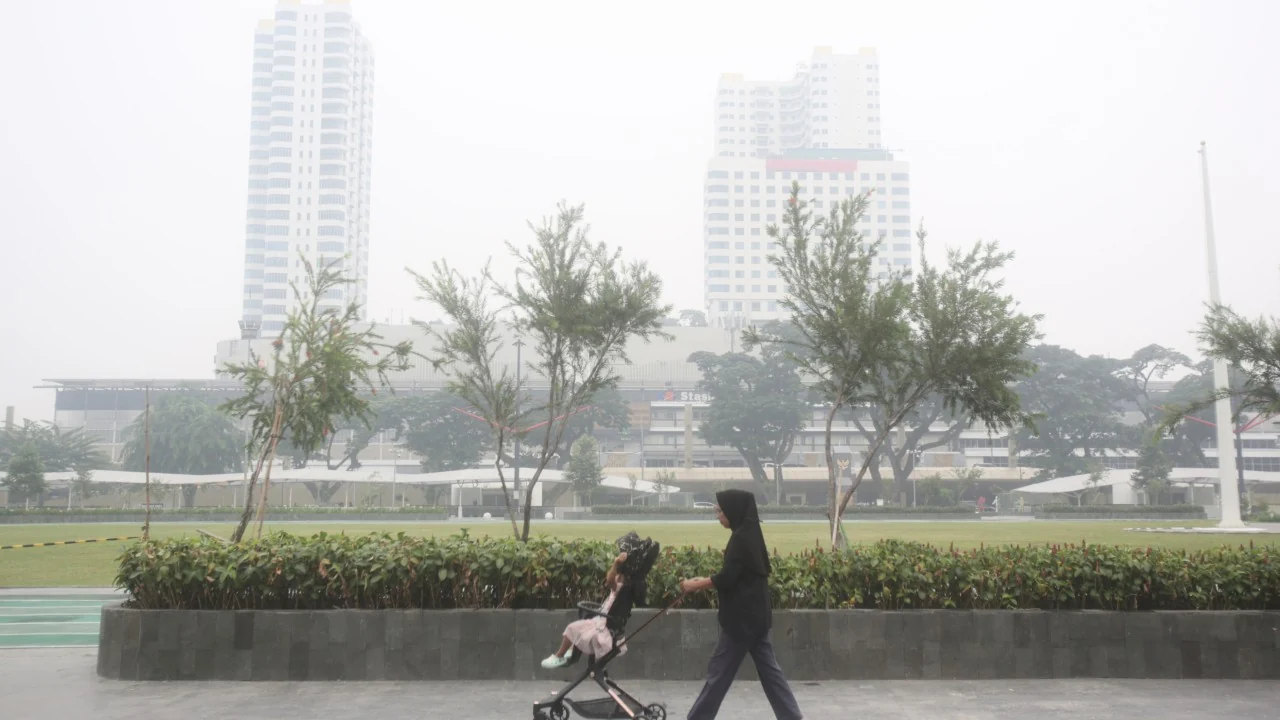
印度尼西亚政府面临越来越大的压力,要求取消卫生巾及其他经期卫生用品的增值税(VAT)。批评者认为,这项税收加重了已经为购买基本生活必需品而苦苦挣扎的低收入家庭女性的经济负担。
The Indonesian government is facing mounting pressure to scrap the value-added tax (VAT) on sanitary pads and other menstrual hygiene products, with critics arguing it adds to the financial burden for women from low-income families already struggling to buy basic necessities.
虽然对这类产品征收11%的税并非新举措,但随着公众对生活成本上涨的愤怒情绪升温,该问题引起了广泛关注。上周,学生们走上雅加达街头,抗议政府对经济和烟霾危机的应对。
While the 11 per cent tax on such products is not new, the issue has gained traction amid public anger over rising living costs. Students took to the streets of Jakarta last week to protest against the government’s handling of the economy and the haze crisis.
“原来卫生巾要征收增值税。不是免税产品,尽管它是女性的基本生理必需品。悲哀,对吧?所以如果有人问你们女生为国家做出了什么贡献,就把这些数据分享给他们,”一名社交媒体用户在10月25日抗议活动首日发布的一条病毒式传播帖文中写道。其他人则敦促印度尼西亚效仿已免除经期用品税收的国家。
“Turns out sanitary pads are subject to VAT. Not a tax-free product, even though it’s a primary biological necessity for women. Sad, right? So if you girls are asked what your contribution to this country is, just share this data,” a social media user wrote in a viral post on October 25, the first day of the protests. Others urged Indonesia to follow the lead of countries that have exempted menstrual products from taxes.
“在马来西亚,除了卫生巾免税,即‘粉红税豁免’外,每位年满18岁的马来西亚公民还能领取……一笔通用社会救助金,价值100令吉(约合24美元),可用于购买半年用量的卫生巾。你们呼吁卫生巾价格亲民并没有错,”一名社交媒体用户表示。
“In Malaysia, apart from sanitary pads not being taxed, or Pink Tax Exemption, every Malaysian citizen aged 18 and above can receive … a universal social assistance, worth 100 ringgit [US$24], which can be used to buy sanitary pads for a six-month stock. You are not wrong to voice the need for affordable sanitary products,” a social media user said.
马来西亚于2018年6月1日取消了所有经期用品的税收,印度一个月后跟进。其他取消“经期税”的国家还包括澳大利亚、英国、加拿大和肯尼亚。
Malaysia removed taxes on all menstrual products on June 1, 2018, while India followed suit a month later. Other countries that have scrapped period taxes include Australia, Britain, Canada and Kenya.
在印度尼西亚,一包卫生巾的价格范围为8500盾至35000盾(约合0.46美元至2美元)。争议促使税务总局澄清,对经期用品征税并非旨在针对女性。
The cost of a pack of sanitary pads in Indonesia can range from 8,500 rupiah to 35,000 rupiah (46 US cents to US$2). The controversy prompted the Directorate General of Taxation to clarify that the taxes on menstrual products were not meant to target women.
“我们需要强调,对卫生巾征收增值税并非专门针对女性或月经而征收的税种,而是根据税收规定适用于商品消费的增值税制度的一部分,”税务总局咨询、服务与公共关系局局长英格·迪亚娜·里斯马万蒂(Inge Diana Rismawanti)10月29日对记者表示,据《CNBC印度尼西亚》援引。
“We need to emphasise that the imposition of VAT on sanitary pads is not a tax specifically imposed on women or on menstruation, but rather part of the VAT system that applies to the consumption of goods in accordance with tax provisions,” Inge Diana Rismawanti, director of counselling, services and public relations at the taxation agency, told reporters on October 29, as cited by CNBC Indonesia.
周一,妇女赋权与儿童保护部长阿里法·法乌齐(Arifah Fauzi)表示,在该部进行了“与多方的协调磋商”以解决该问题后,将会有关于“经期税”的“喜讯”宣布。
On Monday, Arifah Fauzi, minister of women’s empowerment and child protection, said there would be a “happy” announcement regarding the period tax after the ministry carried out a “coordination talk with many sides” to solve the issue.
在印度尼西亚,许多妇女和女孩仍然缺乏获得适当经期用品和卫生教育的机会,这一问题被称为经期贫困。
donesia, many women and girls still lack access to proper menstrual products and hygiene education, an issue known as period poverty.
2015年联合国儿童基金会印度尼西亚办事处的一项调查发现,近六分之一的女孩在最近一次月经期间缺课一天或以上,因为印度尼西亚约79%的学校缺乏清洁水源。该调查还称,一半的印度尼西亚学校也缺乏女生专用厕所和经期卫生管理设施。
A 2015 Unicef Indonesia survey found that almost one in six girls missed one or more days of school during their last menstruation, as some 79 per cent of schools in Indonesia lacked access to clean water. Half of all Indonesian schools also lacked separate toilets for girls and facilities for menstrual hygiene management, the survey said.
当时接受调查的996名女孩中,几乎所有人都表示,由于缺乏合适的厕所,她们从未在学校更换过卫生巾或经期布。
Nearly all of the 996 girls surveyed at that time said they never changed menstrual pads or cloths at school due to a lack of suitable latrines.
鲁斯纳尼·安瓦尔(Rusnani Anwar)就是因月经而不得不缺课的女孩之一。
Rusnani Anwar was among the girls who had to skip school because of her period.
“我来自一个贫困家庭。我15岁时上高中才来第一次月经,因为我发育迟缓。母亲教我用旧布料碎片折叠、再用大头针别起来制作卫生巾,”现年34岁、居住在中加里曼丹、从事行政工作的鲁斯纳尼告诉《本周亚洲》。
“I came from a poor family. I had my first period at 15 when I was in high school because I had stunted growth. I was taught by my mother how to make sanitary pads from scraps of old cloth that we folded and pinned with safety pins,” Rusnani told This Week in Asia.
她说,那些经期布“又厚又完全不吸水”,导致“用起来很不舒服”。
The menstrual cloths were “thick and not absorbent at all”, which made them “uncomfortable to use”, said the now 34-year-old, who lives in Central Kalimantan and works as an administrative staff.
“我因为不好意思而逃课。布制卫生巾很厚,穿着非常不舒服,而且显得很臃肿。如果把它们做薄,三四个小时血就会渗出来。我们动作幅度大时,别针也会松脱,扎伤皮肤。”鲁斯纳尼说,她用这些临时凑合的卫生巾用了“五六年”,直到找到第一份工作,才买得起正规产品。
“I skipped class because I was embarrassed. Cloth pads are thick, so they’re really uncomfortable and they become bulky. If you make them thin, blood will show through within three or four hours. The safety pins can also come loose when we move too much, stabbing the skin.”Rusnani said she used the makeshift pads for “five to six years” before she got her first job that allowed her to buy the actual products.
尽管现在买得起了,鲁斯纳尼仍说“这依然讲不通”,因为卫生巾“一包要价高达 35,000 印尼盾”还要征税。“它们是基本必需品,应该免费提供。”印尼消费者基金会主席妮蒂·埃米利亚娜呼吁政府,不要在增加国家财政收入的努力中,“让民众的基本需求成为征税目标”。
Even though she can now afford them, Rusnani says “it still doesn’t make sense” that sanitary pads “can cost up to 35,000 rupiah” a pack and are taxed. “They’re basic necessities and should be free.”Niti Emiliana, chairwoman of the Indonesian Consumers Foundation, urged the government not to “let the basic needs of the people become the target of taxation” in its bid to boost state revenue.
“卫生巾是经期保持清洁、健康和舒适的重要需求。对这些产品征税有可能增加日常开支负担,尤其是对低收入女性,”妮蒂说。
“Sanitary pads are an important need to maintain cleanliness, health and comfort during menstruation. Imposing taxes on these products has the potential to increase the burden on routine expenses, especially for low-income women,” Niti said.
国家反对针对妇女暴力委员会副主席达莉亚·马达尼赫称,对经期用品征税“是一种性别偏见政策”,可能损害印尼的可持续发展目标,即消除贫困。
Dahlia Madanih, vice-chairwoman at the National Commission on Anti-Violence Against Women, called taxation on menstrual products “a gender-biased policy” that could hurt Indonesia’s sustainable development goals, namely eradicating poverty.
“印尼女性面临‘经期贫困’,即因经济和社会障碍,难以获得合适的经期用品、卫生设施、清洁水源和经期健康信息,”达莉亚说。
“[Indonesian] women face period poverty, which is limited access to appropriate menstrual products, sanitation facilities, clean water and menstrual health information due to economic and social barriers,” Dahlia said.
她强调,对经期用品的需求不仅限于每月经期,还包括产后或流产后的恢复期。
She stressed that the need for menstrual products extended beyond monthly cycles to post-childbirth or miscarriage recovery.
“这些需求对维护生殖健康至关重要,必须能以足够且负担得起的方式获得,”达莉亚说。
“These needs are crucial for maintaining reproductive health and must be adequately and affordably accessible,” Dahlia said.