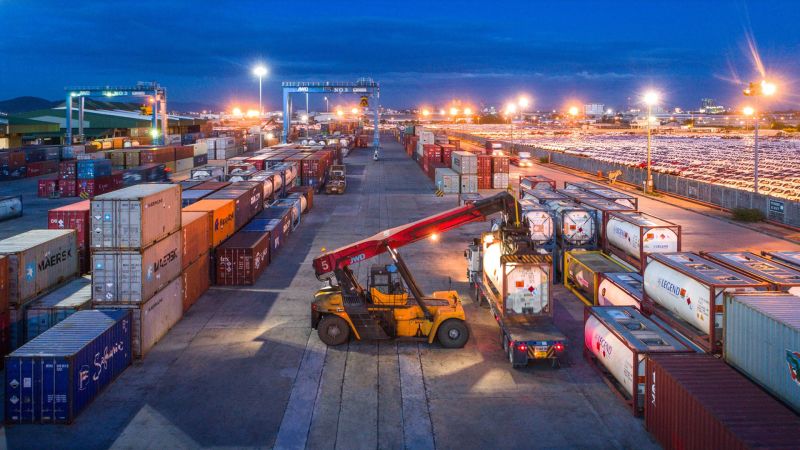
随着东南亚未开发市场日益稀缺,企业必须寻找新途径,让现有的市场关系更好地协同运作。在东南亚国家联盟(ASEAN)范围内,更加一体化的供应链和增加的投资正推动经济体走得更近,而新的数字技术则让触达不同市场的客户变得更加容易。
As untapped markets in Southeast Asia become increasingly scarce, companies must find new ways to make their existing market relationships work better together. Across the Association of Southeast Asian Nations (ASEAN), more integrated supply chains and increased investment are helping to bring economies closer together, while new digital technologies are making it easier to reach customers in different markets.
但一体化的推进也引出一个问题:企业如何在利用更紧密的区域联系的同时,不忽视各市场的独特之处?对于深耕东盟市场逾百年的全球采购与分销合作伙伴SCG International而言,找到恰当平衡意味着聚焦三大优先领域:区域一体化、低碳创新与协作。
But the push to integrate also raises the question of how businesses can make the most of closer regional connections without losing sight of what makes each market unique. For global sourcing and distribution partner, SCG International, who have spent more than a century building expertise across ASEAN markets, finding the right balance means focusing on three priority areas: regional integration, low-carbon innovation and collaboration.
在区域层面运营或许有助于企业更高效地协调生产与运输,但东盟远非同质化市场。据世界银行数据,2024年新加坡的人均GDP约为柬埔寨的36倍,这凸显了集团内部的经济多样性。加之客户需求和运营条件差异巨大,意味着区域协调必须与本地决策并行不悖。
Operating at a regional level may help companies to coordinate production and transport more efficiently, but ASEAN is far from a homogeneous market. According to the World Bank, Singapore’s GDP per capita was around 36 times Cambodia’s in 2024, a signal of the economic diversity within the bloc. Plus, customer needs and operating conditions vary considerably, meaning that regional coordination must run parallel to local decision-making.
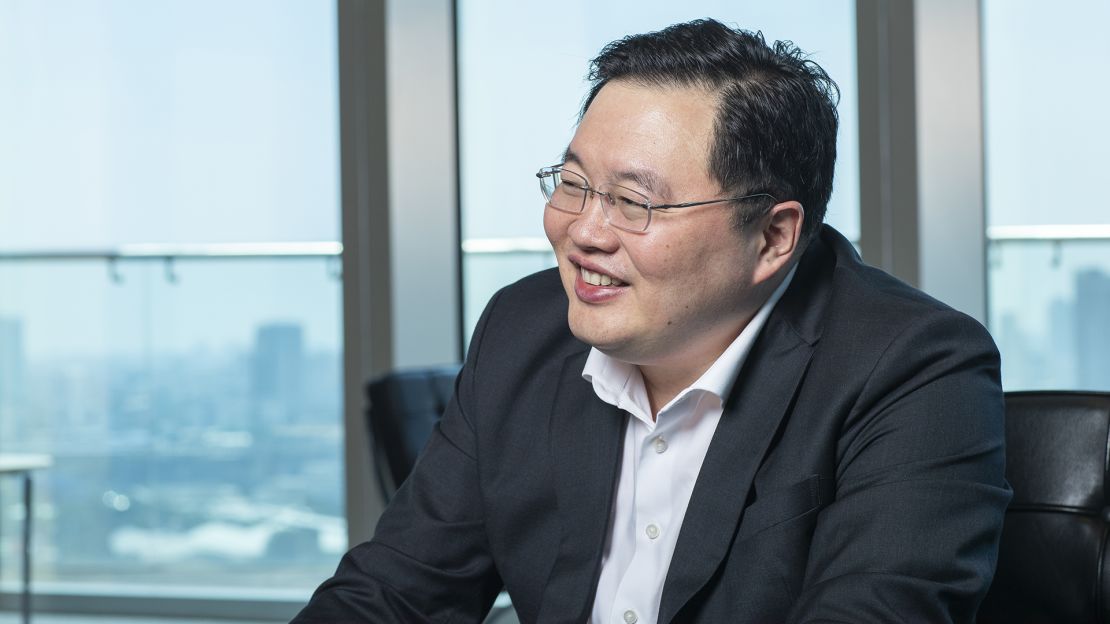
业务涵盖材料、化工与包装的SCG,正通过其物流合资企业SCGJWD践行这种并行思维。
SCG, whose businesses span materials, chemicals and packaging, is applying that parallel thinking through its logistics venture, SCGJWD.
“东盟正变得更加互联互通,机遇在于在深度连接当地市场的同时,优化整个区域的能力,”SCG总裁兼首席执行官Thammasak Sethaudom表示。“SCGJWD是为下一阶段增长构建竞争力的重要组成部分。”SCGJWD利用区域运输网络和共享物流基础设施,同时根据当地需求调整其服务。其结果是一种旨在使跨境货物流动更高效的方法,而不预设同一交付模式到处都适用。
“ASEAN is becoming more connected, and the opportunity is to optimize capabilities across the region while remaining deeply connected to local markets,” says Thammasak Sethaudom, president and CEO of SCG. “SCGJWD is an important part of building competitiveness for the next phase of growth.”SCGJWD uses regional transport networks and shared logistics infrastructure while adapting its services to local need. The result is an approach that seeks to make goods movement more efficient across borders, without assuming the same delivery model will work everywhere.
例如,在印度尼西亚,SCG Barito合资企业将公路运输与岛际航运相连接,以应对该国的群岛地理特征。与此同时,在马来西亚,与物流集团Swift Haulage的合作催生了Swift Cold Chain,在莎阿南建成了一座拥有1万个托盘位的冷链仓储设施,以满足该国日益增长的温控物流需求。
For example, in Indonesia the SCG Barito joint venture is connecting road transport with inter-island shipping to navigate the country’s archipelagic geography. In Malaysia, meanwhile, a partnership with logistics group Swift Haulage has resulted in Swift Cold Chain, a 10,000-pallet cold-storage facility in Shah Alam to meet growing country demand for temperature-controlled logistics.
随着EAN市场向低碳经济转型,生产的环境影响日益影响产品能在何处、卖给谁。
EAN markets transition towards a lower-carbon economy, the environmental impact of production is increasingly impacting where, and to whom, they can sell products.
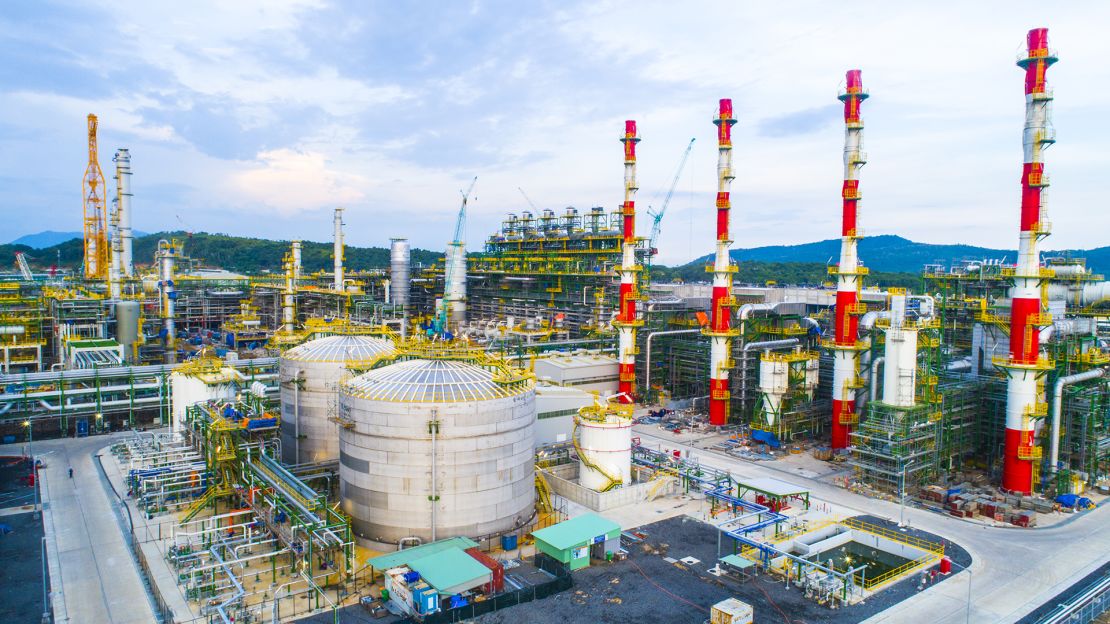
欧盟碳边境调节机制(CBAM)于2026年全面生效,对包括水泥、化肥、钢铁、氢气、铁和铝在内的进口产品提出了碳排放要求。对出口商而言,这产生了额外的商业必要性,迫使他们重新思考生产方法和能源使用,而不再将脱碳视为单纯的环保或合规工作。
The European Union’s Carbon Border Adjustment Mechanism (CBAM), which came into full effect in 2026, has introduced carbon requirements for imports including cement, fertilizer, steel, hydrogen, iron and aluminium. For exporters, this creates an additional commercial imperative to rethink production methods and energy use, rather than treating decarbonization as a standalone environmental or compliance exercise.
“可持续性正日益成为竞争力的来源,”Sethaudom 表示。“向低碳经济转型不仅关乎减少排放,也关乎创造新解决方案和长期价值。”SCG 的应对之道是开发更低碳的产品,并改变制造这些产品的工艺流程。例如在越南,SCG Décor 旗下子公司 PRIME GROUP 在其富安砖厂安装了生物质气化炉,用生物质替代了此前用于产生热能的部分煤炭。
“Sustainability is increasingly becoming a source of competitiveness,” says Sethaudom. “The transition to a low-carbon economy is not only about reducing emissions, but also about creating new solutions and long-term value.”SCG is responding by developing lower-carbon products and changing the processes that manufacture them. In Vietnam, for example, SCG Décor’s PRIME GROUP subsidiary has installed a biomass gasifier at its Pho Yen tile factory, replacing a portion of the coal previously used to generate thermal energy with biomass.
企业可以改进自身运营,但更广泛的变革如何发生——无论是能源供应、废弃物管理还是材料再利用——取决于工厂大门之外所做的决策。
Businesses can evolve their operations, but how broader change is affected – whether that be through energy supply, waste management or reusing materials – relies on decisions made far beyond the factory gate.
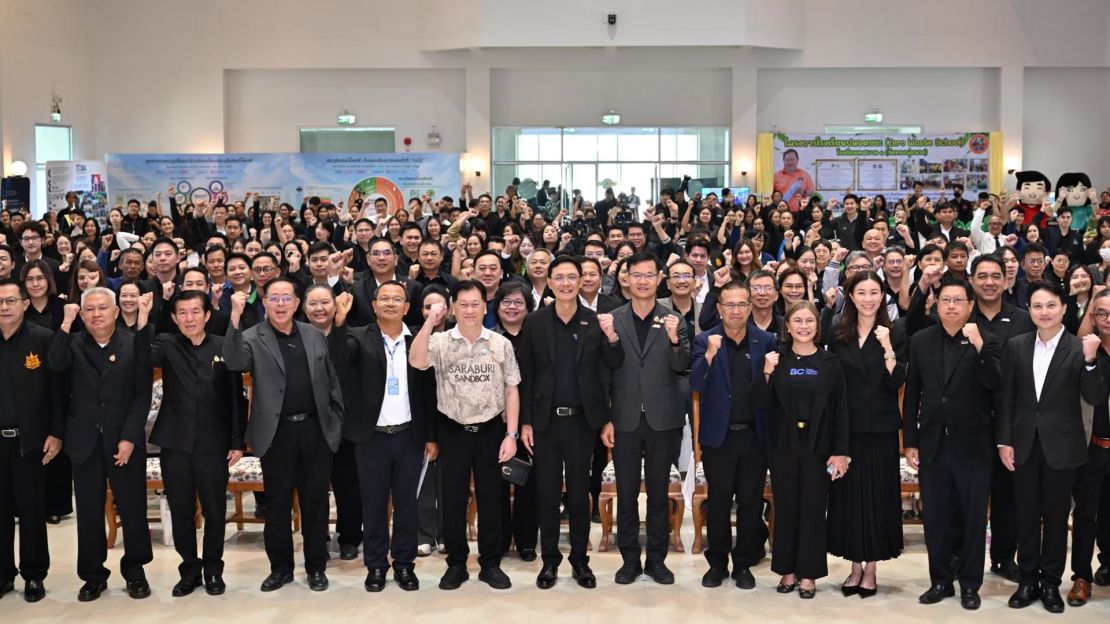
“转型需要协作,”Sethaudom 解释道。“通过连接企业、政府、社区和技术合作伙伴,我们可以开发出能够产生实效并可在东盟范围内推广的切实解决方案。”这些解决方案包括对泰国沙拉武里沙盒项目的支持,该项目汇聚政府与产业界,共同应对当地的脱碳挑战。其“公共-私营-民众伙伴关系”(4P)模式将产业专长与公共政策相结合,以推动变革。
“The transition requires collaboration,” Sethaudom explains. “By connecting businesses, governments, communities and technology partners, we can develop practical solutions that create impact and can be scaled across ASEAN.”Those solutions include support for Thailand’s Saraburi Sandbox, which brings government and industry together to address local decarbonization challenges. Its Public–Private–People Partnership (4P) model combines industrial expertise with public policy to effect change.
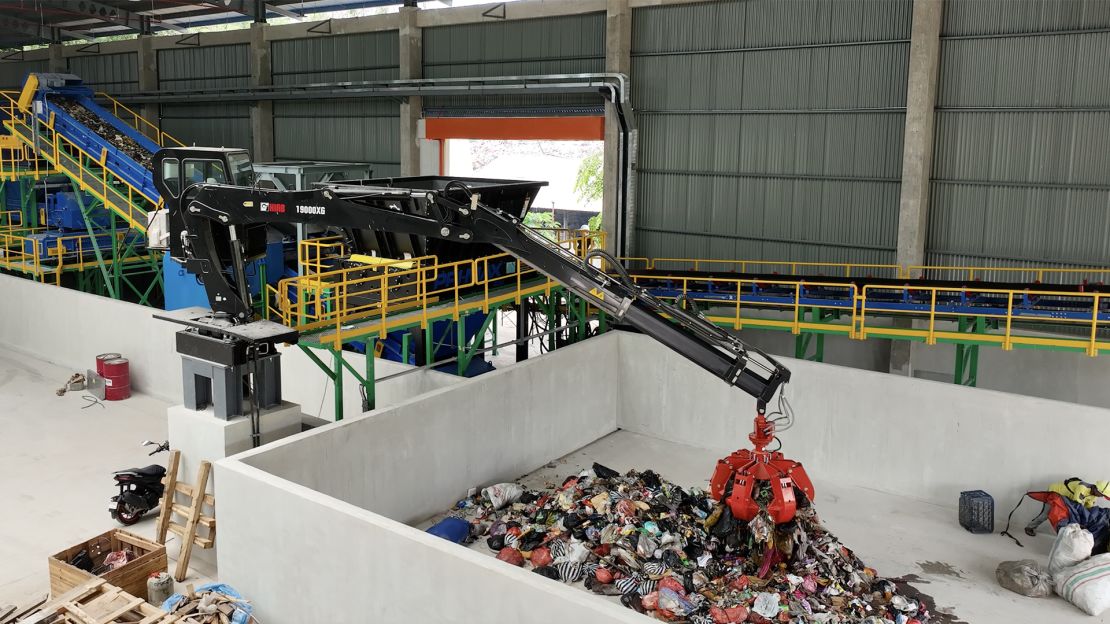
同样在印度尼西亚苏加武米,SCG 正与地方政府合作开展垃圾衍生燃料(RDF)项目,探索经处理的城市生活垃圾如何在水泥生产中替代常规燃料。这两个项目都不是现成的蓝图,可供亚洲其他地区直接套用,但两者都展示了地方与区域协作如何应对当下的制造业挑战。
Likewise in Sukabumi, Indonesia, SCG is working with local authorities on a refuse-derived fuel (RDF) project exploring how processed municipal waste can replace conventional fuel in cement production. Neither project is a ready-made blueprint for the rest of Asia, but both demonstrate how local and regional collaboration can address the manufacturing challenges of our time.
随着东盟经济体日益互联互通,企业的机遇在于更好地利用其已有的能力与关系。而那些能够将区域规模与本地知识相结合,并将可持续性融入运营之中的企业,极有可能处于最有利位置,塑造该地区下一阶段的增长。
EAN’s economies become more interconnected, the opportunity for businesses is to make better use of the capabilities and relationships they already have. And for those that can combine regional scale with local knowledge, while embedding sustainability into their operations, they may well be best placed to shape the region’s next phase of growth.