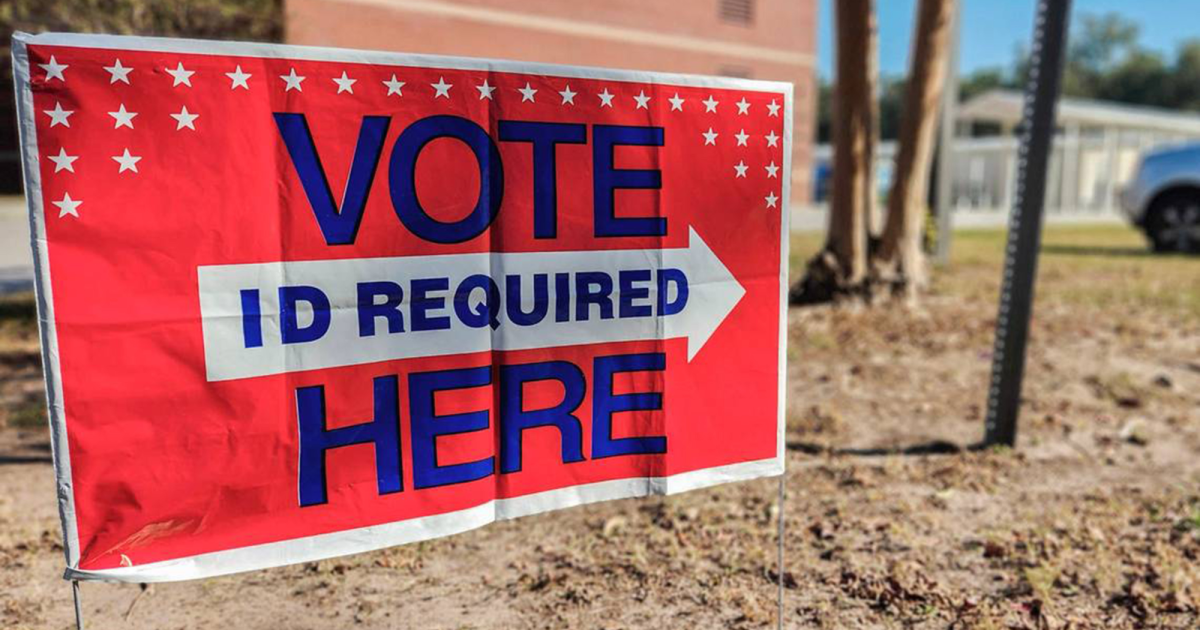
当我坐在弗吉尼亚北部一家无家可归者收容所里与迈克(Mike)面对面采访时,他摇着头笑了笑。“工作人员告诉我有人要来这儿问投票的事,我还以为你可能是来自ICE(美国移民与海关执法局)的人呢,”他说。“你的脑子会胡思乱想,开始琢磨:‘好吧,这届政府对选民欺诈感兴趣了。’”迈克(化名)今年58岁,过去七个月里,他和家人一直住在当地的一家收容所里,这是医疗问题、家庭问题以及弗吉尼亚北部租金飙升共同作用的结果,导致他们失去了费尔法克斯县的住所,也无力寻找另一处栖身之地(他不愿具体透露家庭情况)。
When I sat down with Mike for an interview at a homeless shelter in Northern Virginia, he shook his head and chuckled. “The staff told me someone was coming here to ask about voting, thought you might be someone from ICE,” he said. “Your mind runs wild, and you start thinking, ‘Well, this administration is interested in voter fraud.’”Mike (not his real name) is 58 years old and for the last seven months, he and his family have been staying at a local shelter, the result of a complicated mixture of medical and domestic issues, and soaring rental prices in Northern Virginia that led to the loss of their home in Fairfax County and their inability to find another place to live (he preferred not to be specific about his family’s circumstances).
迈克出生并成长于弗吉尼亚州,是一名登记在册的选民,他能像倒豆子一样说出冷门地方选区的党派构成,以及十多年前他投过赞成票(和反对票)的投票议题——他甚至记得自己18岁那年第一次投票投给了谁。“投票很重要。我投过共和党、民主党和独立人士,”他告诉我,“但我一直觉得这很重要。”
Born and raised in Virginia and a registered voter, Mike rattles off party breakdowns of obscure local districts and ballot measures he once voted for (and against) more than 10 years ago—he even remembers who he voted for in his first election when he turned 18. “Voting is important. I’ve voted for Republicans, Democrats, and Independents,” he tells me, “but I’ve always thought it’s important.”
如今住在临时住房里,迈克觉得自己很幸运,他们有床位、每天三顿免费餐食、一名个案管理员、存放医疗和身份证明文件的储物空间,还有Wi-Fi。“像这样的地方,”他指着弗吉尼亚郊区的这家收容所说,“能挽救一个人。”
Now in temporary housing, Mike feels lucky they have beds, three free meals a day, a case manager, storage for medical and identifying documents, and Wi-Fi. “A place like this,” he said, referring to the shelter in the Virginia suburbs, “can save someone.”
但现在他担心这在选举日会意味着什么。“如果你没地方住,怎么投票?”他问道,距离中期选举只剩一周。他也不确定该如何投出自己的选票,尽管他在还有家的时候已经完成了选民登记。“我简直在努力回想最近的投票站在哪儿,”他说。“我正试着想这附近最近的学校在哪儿。”迈克的处境比许多无家可归者或住房不稳定者要好。
But now he wonders what this will mean on Election Day. “How do you vote if you don’t have a place [to live]?” he asked, with the midterms only a week away. He’s also unsure about to cast his ballot, even though he had registered to vote when he still had a home. “I literally am trying to think of where the nearest polling place to vote is,” he said. “I’m trying to think where the nearest school is around here.”Mike’s situation is better than many who are unhoused or are experiencing unstable housing.
在弗吉尼亚州,据估计,在任何一个夜晚有约 7,141 人无家可归,且这一数字据估计正在上升。但即使有 Wi-Fi 和个案管理员等资源,对于全国各地无固定住所的人来说,要完成投票流程仍可能让人感到根本不可能,尤其是对于一个受到极少外联关注的群体而言。
In Virginia, an estimated 7,141 people are homeless on a given night, and estimates that number is on the rise But even with resources like Wi-Fi and a case manager, navigating the voting process without permanent housing for people throughout the country can feel downright impossible, especially for a demographic that receives so little outreach.
“我们现在听到很多关于投票的讨论,但很少听到关于对无家可归者影响的讨论。”
“We hear a lot about voting these days, but we don’t hear enough about the impact on people who are experiencing homelessness.”
“我们现在听到很多关于投票的讨论,但很少听到关于对无家可归者影响的讨论,”全国消除无家可归联盟项目与政策副总裁马西·汤普森说。在一个通常只有 745,652 名无家可归者中不足 10% 在任何一个选举年投出选票的国家里,汤普森表示,“失去住所不应等于失去声音。”全国范围内,无家可归者在试图行使投票权时面临重重障碍,从严格的选民登记规定和身份证件法律,到保持文件正确且最新,再到仅仅是亲自前往投票站。
“We hear a lot about voting these days, but we don’t hear enough about the impact on people who are experiencing homelessness,” said Marcy Thompson, vice president for programs and policy at the National Alliance to End Homelessness. In a country where less than 10 percent of the 745,652 unhoused people typically cast a ballot in any given election year, Thompson said “losing your home should not equal losing your voice.”Nationwide, people experiencing homelessness face a gauntlet of barriers when trying to exercise their right to vote, from strict voter registration guidelines and ID laws, to maintaining correct and up-to-date documentation, to just physically getting to the polling site.
一些州,如加利福尼亚州、华盛顿州、佛蒙特州和新泽西州,正积极试图让投票更便捷。但在其他一些州——例如佛罗里达州、堪萨斯州和密西西比州——无家可归者要投出选票几乎是不可逾越的难题。像弗吉尼亚州这样、我与迈克交谈的州,其宽松与严格并存的投票法律往往会进一步造成困惑和不确定性。
Some states, like California, Washington, Vermont, and New Jersey, are actively trying to make voting more accessible. But in others—Florida, Kansas, and Mississippi, for example—casting a ballot if unhoused is nearly insurmountable. A state like Virginia, where I spoke to Mike, with its blend of expansive and restrictive voting laws, often sows further confusion and uncertainty.
在2026年中期选举前夕,特朗普政府和国会共和党人试图限制投票权。备受争议的共和党主导的《保障美国选民资格法案》(SAVE Act)本将要求合格选民在登记时出示护照或出生证明。尽管该法案在国会陷入停滞,亚利桑那州、新罕布什尔州、路易斯安那州、南达科他州、犹他州和怀俄明州已颁布各自的“亮证件”法律,实施相同的身份证件要求,尽管数百万美国人难以轻松获取证明公民身份的文件。
In the lead-up to the 2026 midterm elections, the Trump administration and Congressional Republicans have attempted to limit voting access. The controversial Republican-led Safeguard American Voter Eligibility (SAVE) Act would have required eligible voters to present a passport or birth certificate at the time of registration. And while that bill has stalled in Congress, Arizona, New Hampshire, Louisiana, South Dakota, Utah, and Wyoming have already enacted their own “show your papers” laws that implement the same ID requirements, even though millions of Americans lack easy access to documents proving citizenship.
布伦南司法中心的研究发现,自2026年初以来,通过扩大选民权利法律的州比通过限制性法律的州更多,但联邦政府试图篡夺各州宪法赋予的控制权,可能会破坏这些法律,也会损害公众对选举的信心。正如全国无家可归者联盟执行主任唐纳德·怀特黑德所解释的:“要求越严格,越有可能筛选掉无家可归者,以及最被剥夺权利的人群。这阻碍了人们行使投票权。”
Research from the Brennan Center for Justice has found that more states have passed expansive voter laws than restrictive ones since the start of 2026, but the federal government’s attempts to usurp states’ constitutional control could undermine these laws as well as public confidence in elections. As Donald Whitehead, executive director of the National Coalition for the Homeless, explained, “The stricter the requirement, the more likely they are screening out people experiencing homelessness, and the people who are the most disenfranchised. It prevents people from being able to exercise their right to vote.”
弗吉尼亚州的投票法律很复杂。2019年,当《……》刊发一篇关于无家可归选民的报道时,该州拥有全美最严格的投票法律之一,此前共和党立法者联盟通过改革以保持该州的“红州”地位。但在过去两年里,随着民主党控制州议会,弗吉尼亚州颁布了八项新的投票法律,其中包括在全州范围内禁止在投票站500码范围内进行移民执法活动。
Virginia’s voting laws are complicated. When ran a piece about unhoused voters in 2019 the state had some of the strictest voting laws in the country after a coalition of Republican legislators passed reforms to keep the state red. But in the last two years with a Democratic statehouse, Virginia has enacted eight new voting laws that include a statewide ban on immigration enforcement activities within 500 yards of a polling place.
还有防止种族歧视和错误取消选民登记的额外保护措施。该州还提供45天的提前投票期和选举日当天登记投票。与此同时,弗吉尼亚州是要求选民出示身份证件的38个州之一,这一门槛对有固定住址的选民可能只是个小技术问题,但对无家可归者却可能构成无法逾越的障碍。阿拉巴马州、印第安纳州等州的选民身份证法律比弗吉尼亚州严格得多,要求出示驾照、护照或军人身份证。
There are also added protections from racial discrimination and erroneously canceled voter registration. The state also offers a 45-day early voting period and same day voter registration At the same time, Virginia is one of 38 states that require voter identification, a hurdle that can turn a small technicality for voters with fixed addresses into an impossibility for someone experiencing homelessness. Voter ID laws in states like Alabama Indiana are much stricter than those in Virginia, requiring a driver’s license, passport, or military ID.
弗吉尼亚州允许选民使用水电费账单或银行对账单等非政府文件——这些文件对无家可归者来说往往难以获取。
Virginia offers voters the option to use non-government documents like a utility bill or bank statement—documents often inaccessible to someone experiencing homelessness.
住在不稳定住所(如露营地或帐篷)中的人,可能更容易遭遇盗窃、街头清理和露营地关闭,汤普森表示,所有这些加起来就是“更多遗失的文件”。
People living in unstable housing, such as encampments or tents, might be more vulnerable to theft, street sweeps, and encampment closures, all of which, Thompson said, adds up to “more lost documents.”
无家可归者维持文件的挑战是一个“毁灭循环。某人的住房越不稳定,就越容易丢失这些文件。”
The challenge of maintaining documentation while unhoused is a “circle of doom. The more unstable [someone’s] housing is, the more likely they are to lose those documents.”
Pam Pearson 是 VoteRiders 身份证协助项目的主任兼副总法律顾问,该组织是一个非党派非营利机构,专注于选民教育和选民身份证协助。她将无家可归者维持文件的挑战称为“毁灭循环。某人的住房越不稳定,就越容易丢失这些文件。”她直接与合格选民合作,帮助他们获取出生证明和驾照等基本文件。“我的出生证明和社会安全卡放在一个小保险盒里,”她说,“我不会随身携带它们。”
Pam Pearson, director and deputy general counsel of VoteRiders’ ID Assistance a nonpartisan, nonprofit organization that focuses on voter education and voter ID assistance, calls the challenge of maintaining documentation while unhoused a “circle of doom. The more unstable [someone’s] housing is, the more likely they are to lose those documents.”She works with eligible voters directly to help them get essential documents like birth certificates and drivers’ licenses. “My birth certificate and social security card are in a little lockbox,” she said, “I don’t carry them with me.”
但对于无家可归者来说,“他们处于必须随身携带所有物品的境地。”一旦到达投票站,在弗吉尼亚州,那些没有可接受身份证件或固定地址的人仍有一个选择:他们可以签署一份确认身份的宣誓书,然后投票。该州允许无家可归者将通常睡觉的地点作为投票登记的住址,在迈克的情况中,这可以是家庭收容所。在其他情况下,可以是十字路口或路口。
But for someone who is unhoused, “they’re in situations where they have to carry everything with them.”Once at the polls, those in Virginia who lack an acceptable form of ID or a fixed address do have an option: they can sign an affidavit that affirms identity and then cast a ballot. The state allows people experiencing homelessness to identify a place they usually sleep as their residence for voting registration, which, in Mike’s case, can be the family shelter. In other cases, it can be a cross-street or an intersection.
这些地点同样可以用于邮寄投票,但无家可归者可能难以接收邮件,可能会错过选举倡议或候选人信息等关键选民教育材料,更不用说仅仅是收到他们的选票了。
These locations can similarly be used when voting by mail, but people experiencing homelessness may struggle to receive their mail, potentially missing out on crucial voter education materials like ballot initiatives or information about the candidates, not to mention simply receiving their ballots.
当我们见面时,迈克仍然不确定。“这不是一个居住地,”他说,“所以我想你在上一个居住地投票?”他所在的收容所要求不具名,但一名助理项目主任表示,他们的客户“只要还在这里,就可以使用收容所的地址,直到居住状态发生变化。”
When we meet, Mike is still uncertain. “This is not a place of residence,” he said, “so I think you vote at your last residence?”The shelter in which he is staying requested that it not be named, but an assistant programs director said their clients “can use the shelter’s address as long as they remain here, until there’s a change in location status.”
无论哪个管辖区,无家可归的选民都可能面临一系列额外障碍,这些障碍会叠加他们行使选举权的困难。来自全国无家可归者联合会的怀特海德指出:“有时这些投票地点位于偏远地区,对于依赖公共交通或步行的人来说不容易到达。”即使有人准备好所有文件并来到投票站准备投票,“也存在对可能看起来不像选民的人的歧视,尤其是如果他们住在街头,”怀特海德说。
No matter what the jurisdiction, unhoused voters can face an additional series of obstacles that compound their difficulties in exercising their franchise. Whitehead, from the National Coalition for the Homeless, noted “Sometimes these voting locations are in remote areas and not easily accessible to someone who has to rely on public transportation or walking.”Should someone have all the paperwork and arrive at a polling station ready to vote, “there’s discrimination against people who may not look the part, especially if they’re living on the street,” Whitehead said.
“可能存在着衣着或卫生方面的问题。但如果你住在街头,又无法使用公共淋浴,这就会成为相当大的负担。”怀特海德的组织表示,采取措施方便选民投票,例如招募在无家可归者社区中知名的投票站工作人员,可以在很大程度上鼓励成功投票。
“There can be issues with clothing or hygiene. But if you’re living in the street and don’t have access to a public shower, it becomes quite a burden.”Taking steps to facilitate voter comfort, like recruiting poll workers who are known within the homeless community, Whitehead’s organization states can go a long way to encourage successful voting.
给边缘化选民带来挑战的,还有特朗普政府对选举公正性和选民欺诈的审查。尽管有压倒性证据表明美国选举安全,特朗普仍对投票设备、邮寄选票和选民身份发起毫无根据的攻击。司法部在一次前所未有的越权行为中,要求获取各州选民名单,并在5月甚至指控洛杉矶一名女子支付他人(包括“无家可归者”)投票。网络虚假和错误信息也散布称,洛杉矶的无家可归者被贿赂投票给现任市长卡伦·巴斯,对此洛杉矶县登记官在“事实核查:无证据显示‘天际线区’女子为投票给卡伦·巴斯收取5美元”中予以回应。
Adding to the challenges for marginalized voters is the Trump administration’s scrutiny over election integrity and voter fraud. Despite overwhelming evidence that US elections are secure, Trump has waged unsubstantiated attacks on voting equipment, mail-in ballots and the citizenship of voters In an act of unprecedented overreach, the Department of Justice has demanded access to state voting rolls and, in May, even charged a woman in Los Angeles with paying people, “including homeless individuals,” to to vote. Online mis- and disinformation have also pushed claims that unhoused people in LA were being bribed to vote for now-Mayor Karen Bass, to which the LA County Registrar replied on“Fact Check: NO Evidence ‘Skid Row’ Woman Voted for Karen Bass for $5.”
“关于无家可归者被支付投票的错误信息是很好的新闻标题,[但]它们总是被证明是虚假的叙述,”怀特海德说。“这实际上表明,我们已经有非常严格的投票法律,而且有人推动让这些法律变得更加严苛。”
“Misinformation about people experiencing homelessness being paid to vote make good headlines, [but] they’re always proven to be false narratives,” said Whitehead. “What it really demonstrates is that we already have very strict voting laws, and there’s this push to make them even more restrictive.”
自特朗普上任以来,他释放并扩大了联邦和地方执法力量,最终导致致命的ICE突袭以及国民警卫队在华盛顿特区的持续部署,怀特海德说,围绕投票正在形成一种恐惧文化,尤其是对无家可归者而言。“过度执法会让人看到一种恐惧水平。人们很害怕,”他告诉我。他说,华盛顿特区的无家可归者有时会前往弗吉尼亚州睡觉,以避开特朗普政府部署到该市的国民警卫队部队。“他们会去其他地点,以免在华盛顿特区被驱赶,以免他们的物品——医疗设备、身份证件、家传宝——被拿走。”
As Trump has unleashed and expanded federal and local law enforcement since assuming office, culminating in deadly ICE raids and the National Guard’s ongoing deployment in Washington, DC, Whitehead said a culture of fear is developing around voting, particularly for those who are unhoused. “With excess law enforcement, you see a level of fear. People are scared,” he told me. He said people experiencing homelessness in DC sometimes will travel to Virginia to sleep to avoid the National Guard troops deployed to the city by the Trump administration. “They’re going to other locations so they won’t be rousted in DC, so their belongings—medical devices, identification, family heirlooms—won’t be taken.”
VoteRiders首席执行官劳伦·库尼斯指出,制造混乱是更广泛的选民压制议程中的一种策略。“这些选民不想惹上麻烦。他们不想带错东西出现。
VoteRiders’ CEO Lauren Kunis noted that sowing confusion is one of the tactics in the broader agenda of voter suppression. “These voters don’t want to get in trouble. They don’t want to show up with the wrong things. They just want to cast their vote, and it’s really confusing,” she said.
她说:“他们只是想投票,却真的很困惑。” “困惑是选民的敌人,因为它会让很多人不敢真正投票,这对他们不公平。”
“The confusion is the enemy of the voter because it’s going to deter a lot of people from actually voting, and that’s not fair to them.”
最终,迈克并不认为自己在不稳定住房中的投票有意义。“我觉得没有足够的无家可归者组成投票块,”他告诉我——他说得没错,因为他们是如此分散的人口。事实上,在他与之同住、仅仅勉强维持生计的人中,政治并不是首要关注点。“这里没有一个人提到过选举。”
In the end, Mike doesn’t really think that his vote as a person in unstable housing matters. “I don’t think there’s enough homeless people to be a voting block,” he told me—and he’s not wrong, since they are such a dispersed population. Indeed, among the people with whom he lives who are just managing to survive, politics is not top of mind. “Not one person here has said anything about the election.”