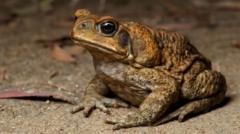
力拓正投入数百万澳元,阻止有毒的甘蔗蟾蜍进入澳大利亚西部皮尔巴拉地区,该矿业巨头在那里拥有庞大的铁矿石业务。
Rio Tinto is ploughing millions of dollars into stopping the poisonous cane toad reaching the Pilbara region of western Australia, where the mining giant has a vast iron ore operation.
该公司将与珀斯的科廷大学及其他机构合作,斥资2800万澳元(约合1450万英镑)建设一处“蟾蜍阻隔区”,以防止这种害虫向南迁徙。
The firm, alongside Curtin University in Perth and others, will spend A$28m (£14.5m) building a "toad containment zone" to prevent the pest travelling south.
虽然甘蔗蟾蜍并非力拓业务的直接威胁,但它产生的毒素对本土野生动物具有致命性,并对皮尔巴拉的生态系统构成威胁。
While the cane toad is not a direct threat to Rio Tinto's business, it produces toxins lethal to native wildlife and poses a threat to Pilbara's ecosystem.
力拓此前曾因在皮尔巴拉炸毁两处坐落于数吨铁矿石之上的神圣原住民岩石庇护所而遭到批评。
Rio Tinto has previously faced criticism for destroying two sacred Aboriginal rock shelters in Pilbara which sat above tonnes of iron ore.
该决定导致前首席执行官离职,引发广泛反弹,并促使力拓承诺重建与原住民社区的信任。
The decision cost the former chief executive his job, provoked a widespread backlash and saw Rio Tinto commit to rebuilding trust with Indigenous communities.
澳大利亚尼亚古马塔·瓦兰原住民保护区护林员罗伯塔·亨特对拟建的阻隔区评论道:“甘蔗蟾蜍破坏水源和动物。
Commenting on the proposed containment zone, Roberta Hunter, a ranger in Australia's Nyangumarta Warrarn Indigenous Protected Area, said: "Cane toads destroy the water and animals.
“当蟾蜍接近我们的领地时,我们希望能在那里阻止它们,因为我们不希望领地被毁。” 该计划旨在通过在大沙漠与印度洋之间横跨7500平方公里(2895平方英里)土地上建设屏障,切断蟾蜍的水源。在干旱月份,甘蔗蟾蜍每隔几天就需要水才能生存。
"When toads come close to our country, we want to be there to stop them because we don't want the country to be destroyed." The plan is to cut off the toad's water supply by building a barrier across 7,500 sq km (2,895 sq m) of land between the Great Sandy Desert and the Indian Ocean. In drier months, the cane toad needs water every few days to survive.
如果没有天然水源,蟾蜍就会依赖通常用于牧牛和灌溉的人工水点。
If there are no natural water sources, the toad relies on artificial water points normally used for cattle and irrigation.
这笔资金将用于阻止蟾蜍接触水坝、储水罐或其他地面水源。这个为期五年的项目将于2027年启动。
The funding will be used to stop the toad accessing dams, storage tanks or other ground-level water sources. The five-year project will begin in 2027.
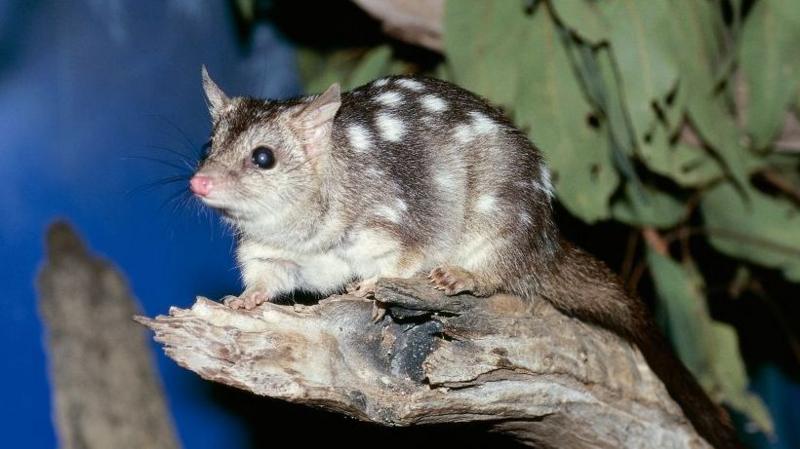
如果蟾蜍进入皮尔巴拉,多种本土物种将面临风险。其中包括数量正在减少的北袋貂、巨蜥和鬼蝠。
A number of native species are at risk if the toad gets into Pilbara. These include the northern quoll, whose numbers have been decreasing, the goanna lizard and the ghost bat.
甘蔗蟾蜍于1935年被引入澳大利亚,旨在控制甘蔗产业中的甲虫。
The toads were introduced into Australia in 1935 to control beetles within the sugar cane industry.
据澳大利亚政府称,从那时起,它们一直在缓慢地向西穿越该国北部的地貌,每年行进 40 公里到 60 公里。没有捕食者或疾病能控制这些蟾蜍,它们靠毒液进行自我防御。
Since then, they have been on a slow march west across the country's northern landscape, according to the Australian government, travelling between 40 km and 60 km a year. There are no predators or diseases that control the toads, which defend themselves using poison.
科廷大学教授本·菲利普斯表示,如果不采取行动,蟾蜍将在二十年内到达皮尔巴拉地区。
Ben Phillips, a professor at Curtin University, said the toads would reach Pilbara within two decades without action.
他说:“蟾蜍阻隔区是千载难逢的机会,可以彻底阻止世界上最恶劣的入侵物种之一的扩散,并保护该地区独特的野生动物。”
He said: "The toad containment zone is a once in a lifetime opportunity to stop one of the world's worst invasive species in its tracks and protect the region's unique wildlife."