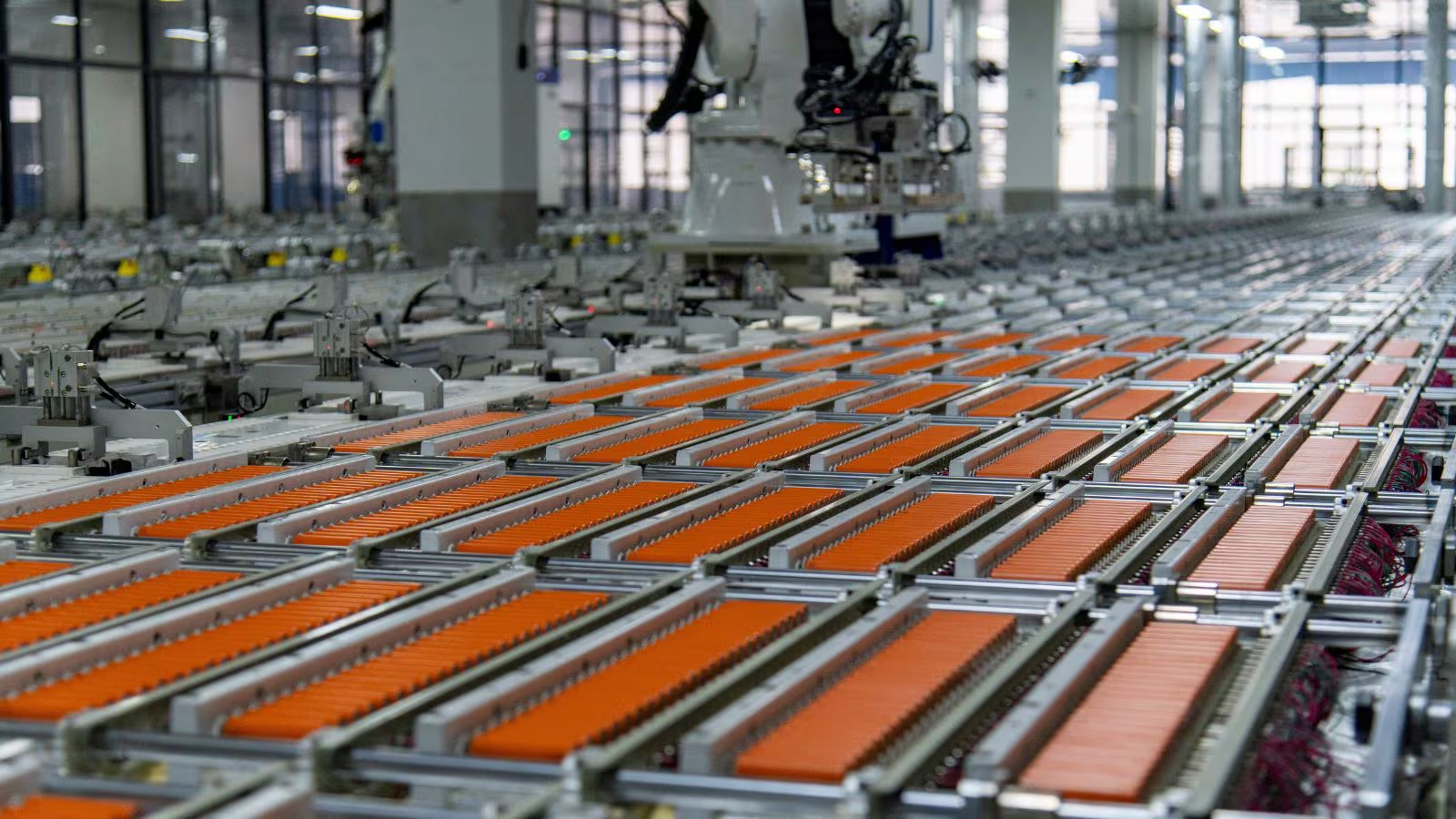
根据一项名为《加速印度ACC组件制造生态系统》的新研究,印度电池组件制造商面临18%至61%的成本劣势,相比之下进口产品更具优势。该报告基于20多家印度公司的数据,考察了正极材料、负极材料、电解液、隔膜和铜箔等国内制造的成本竞争力。
Indian manufacturers of battery components face a cost disadvantage of 18% to 61% compared with imported products, according to a new study titled Accelerating India’s ACC Component Manufacturing Ecosystem. The report draws on data from more than 20 Indian companies and examines the cost competitiveness of domestic manufacturing across cathode and anode materials, electrolytes, separators and copper foil.
报告发现,成本劣势的原因因组件而异。较高的原材料价格是正极材料、电解液和铜箔的主要因素。对于石墨负极,转化和能源成本、折旧及融资成本增加了成本负担。就隔膜而言,高额资本投入、技术依赖进口以及初期工厂产能利用率低是主要挑战。
The report finds that the reasons for the cost disadvantage vary across components. Higher raw material prices are the main factor for cathode materials, electrolytes and copper foil. For graphite anodes, conversion and energy costs, depreciation and financing add to the cost burden. In the case of separators, high capital investment, imported technology and low initial plant utilisation are the key challenges.
制造成本还受到印度较高的资本和借贷费用影响。根据该研究,在印度建设正极或负极工厂的成本是中国的两倍多。印度制造商的借贷利率在8.5%至16%之间,而中国约为3.1%。
Manufacturing costs are also affected by higher capital and borrowing expenses in India. According to the study, setting up a cathode or anode plant in India costs more than twice as much as in China. Borrowing rates for Indian manufacturers range from 8.5% to 16%, compared with around 3.1% in China.
国内制造商还面临漫长的供应商资质认证流程。电池单元制造商通常需要18至24个月来认证新供应商,导致新制造设施在初期年份的产能利用率较低。中国占据全球电池组件供应的大份额该研究凸显了中国在全球电池组件供应链中的主导地位。报告引用摩根大通和野村数据称,2025年,中国占全球磷酸铁锂正极材料供应的99%、负极材料供应的90%、电解液供应的93%、隔膜供应的85%和铜箔供应的74%。
Domestic manufacturers also face a lengthy supplier qualification process. Battery cell makers typically take 18 to 24 months to qualify new suppliers, leaving new manufacturing facilities with lower utilisation during their initial years. China accounts for a large share of global battery component supplyThe study highlights China's dominance in the global battery component supply chain. In 2025, China accounted for 99% of global LFP cathode material supply, 90% of anode material, 93% of electrolyte, 85% of separators and 74% of copper foil, according to JP Morgan and Nomura data cited in the report.
中国于2025年10月实施的关键电池材料和技术出口限制已被暂停。
China's export restrictions on key battery materials and technologies, imposed in October 2025, have been suspended.
然而,该报告指出未来可能实施管控的风险,这令全球供应链感到担忧。
However, the report flags the possibility of future controls as a concern for global supply chains.
该研究还指出,印度预计的电池需求与其国内制造产能之间的差距正在扩大。预计该国电池需求将从2025年的约33吉瓦时增至2032年的236吉瓦时,并接近2037年的600吉瓦时。然而,现有印度产能覆盖不足2032年预计的正极、负极和电解质需求的3%。报告还指出,目前没有已知的隔膜或电池级铜箔国内生产。
The study also points to a widening gap between India's projected battery demand and its domestic manufacturing capacity. Battery demand in the country is expected to increase from around 33 GWh in 2025 to 236 GWh by 2032 and nearly 600 GWh by 2037. However, existing Indian capacity covers less than 3% of the cathode, anode and electrolyte requirements projected for 2032. The report also notes that there is no known domestic production of separators or battery-grade copper foil.
电池单元组件约占制造电池单元成本的76%,因此这些材料的国内生产是建设印度电池制造生态系统的重要组成部分。为应对成本劣势,报告提出了三种可能的政府支持结构。
Battery cell components account for around 76% of the cost of manufacturing a battery cell, making domestic production of these materials an important part of building India's battery manufacturing ecosystem. Three options proposed for government supportTo address the cost disadvantage, the report has proposed three possible structures for government support.
第一种方案是25%的资本补贴,结合与销售挂钩的运营激励,可抵消约30%的成本差距。拟议的运营激励幅度将因组件而异,介于5%至18%之间。
The first option is a 25% capital subsidy combined with a sales-linked operating incentive that would offset around 30% of the cost gap. The proposed operating incentive would range from 5% to 18%, depending on the component.
第二种方案仅涉及运营激励,可覆盖约60%的成本差距。这将转化为针对各组件11%至37%的支持力度,为期五至七年。
The second option involves an operating incentive alone, covering around 60% of the cost gap. This would translate into support ranging from 11% to 37% across components for a period of five to seven years.
第三种方案提议提供50%的资本补贴,随投资者自身支出同步发放,沿用“印度半导体计划”的架构。
The third option proposes a 50% capital subsidy, released alongside the investor's own spending, following the structure of the Semicon India programme.
报告称,这三种方案均旨在确保制造商继续承担有意义的成本差距份额,从而鼓励提高效率和控制成本。
The report said all three options are designed to ensure that manufacturers continue to bear a meaningful share of the cost gap, which would encourage efficiency and cost control.
除财政激励外,该研究还建议利用现有实验室,建立一个用于组件测试、认证和资质认定的国家级网络。
Beyond financial incentives, the study has recommended creating a national network for component testing, certification and qualification by using existing laboratories.
报告还提出了一项计划,旨在支持电池级原材料的国内加工、专用设备与机械的本地制造,以及一体化电池材料集群的发展。报告指出,电子元件制造计划目前仅支持用于数码设备电池的这些组件。这尽管电动出行和电网储存预计将占印度未来电池需求的90%以上。该报告由净零能源转型联盟与国际先进粉末冶金研究院(ARCI)、印度科学与工业研究理事会-国家化学实验室(CSIR-NCL)、马德拉斯印度理工学院(IIT Madras)以及德勤合作编制。
It has also proposed a programme to support domestic processing of battery-grade raw materials, local manufacturing of specialised plant and machinery, and the development of integrated battery-material clusters. The report noted that the Electronics Component Manufacturing Scheme currently supports these components only for batteries used in digital devices. This comes even as electric mobility and grid storage are expected to account for more than 90% of India's future battery demand. The report was prepared by Netzero Energy Transition Alliance in collaboration with ARCI, CSIR-NCL, IIT Madras, and Deloitte.