东京 —— 无人机、机器人等领域的50多家企业已在福岛县沿海地区设立设施。该地区在2011年海啸和核灾害中受创严重,如今却拥有充足的空间供初创企业使用。
TOKYO -- More than 50 companies in fields such as drones and robotics have set up facilities in coastal Fukushima prefecture, which was hit hard by the 2011 tsunami and nuclear disaster but now has plenty of space for startups.
上个月,数十位日本和外国投资者聚集在南相马市由Zip Infrastructure公司运营的一个测试场地,该公司致力于开发城市自主缆索运输系统。参观者乘坐该公司的原型缆车,飞越了约120米长的航线。
Dozens of Japanese and foreign investors gathered last month at a test site in the city of Minamisoma operated by Zip Infrastructure, a developer of urban autonomous ropeway systems. Visitors rode the company's prototype ropeway over a roughly 120-meter stretch.
此次演示是由在南相马市运营的初创企业组织的为期两天的投资者考察活动的一部分。福岛第一核电站事故发生后,南相马市的大部分地区曾位于疏散区范围内。
The demonstration was part of a two-day investor tour organized by startups operating in Minamisoma, much of which was located within the evacuation zone following the Fukushima Daiichi nuclear power plant accident.
参与者参观了七家公司的总部和工厂。这是继去年首届活动后举办的第二次此类考察。
Participants visited the headquarters and factories of seven companies. This was the second such tour after the inaugural event last year.
“我们在上一次考察中看到了实际达成的投资交易,”总部位于南相马市、开发飞行汽车的Tetra Aviation公司首席执行官中井祐(Tasuku Nakai,音)表示,他是今年活动的主办方。“我们希望每年都举办这一活动。”该地区的吸引力源于研发所需的两大关键资源:土地和资金。从事大型机械或下一代出行系统研发的企业,需要能够运行全尺寸原型机的广阔测试场地。
"We saw actual investment deals as a result of the previous tour," said Tasuku Nakai, CEO of Tetra Aviation, a company based in Minamisoma that develops flying cars and the host of this year's event. "We'd like to hold this event every year." The region's appeal stems from the availability of two resources critical for research and development: land and funding. Companies working on large machinery or next-generation mobility systems require expansive testing grounds where they can operate full-scale prototypes.
Zip Infrastructure利用南相马市的测试场地开发面向城市环境的自主吊舱。
Zip Infrastructure uses a test site in Minamisoma to develop autonomous gondolas for urban environments.
自2011年灾害以来,福岛县东部部分地区已重新开发以容纳此类项目。企业还可以获得中央和地方政府的补贴。这种基础设施与财政支持的结合,已成为吸引制造业初创企业的重要因素。
Since the 2011 disaster, parts of eastern Fukushima have been redeveloped to accommodate such projects. Companies can also access subsidies from national and local governments. That combination of infrastructure and financial support has become a draw for manufacturing startups.
在中央政府的“福岛创新海岸构想”框架下,当地正致力于在一个因人口流失和渔业等本地产业衰退而遭受重创的地区培育新兴产业。该县于2024年获指定为国家战略经济特区,进一步改善了营商环境,包括在部分区域放宽了无人机飞行管制。
Under the central government's Fukushima Innovation Coast Framework, efforts have been underway to foster new industries across an area that has suffered from depopulation and a loss of local industries like fishing. The prefecture's designation as a national strategic economic zone in 2024 has further improved business conditions, including relaxed drone flight regulations in some areas.
该地区的旗舰设施之一是位于南相马市的“福岛机器人测试场”,该设施于2020年全面开放。测试场旨在为无人机和机器人技术的研究、开发及测试提供场所,设有桥梁、隧道等模拟基础设施、模拟灾害区域以及专用无人机跑道。
One of the flagship facilities in the region is the Fukushima Robot Test Field in Minamisoma, which fully opened in 2020. The site was created for drone and robotics research, development and testing. It includes mock infrastructure like bridges and tunnels, simulated disaster zones and dedicated drone runways.
日本机器人初创企业“Man-Machine Synergy Effectors”正利用该设施开发用于桥梁抗震加固作业的机器人。
Man-Machine Synergy Effectors, a Japanese robotics startup, is using the facility to develop robots for seismic reinforcement work on bridges.
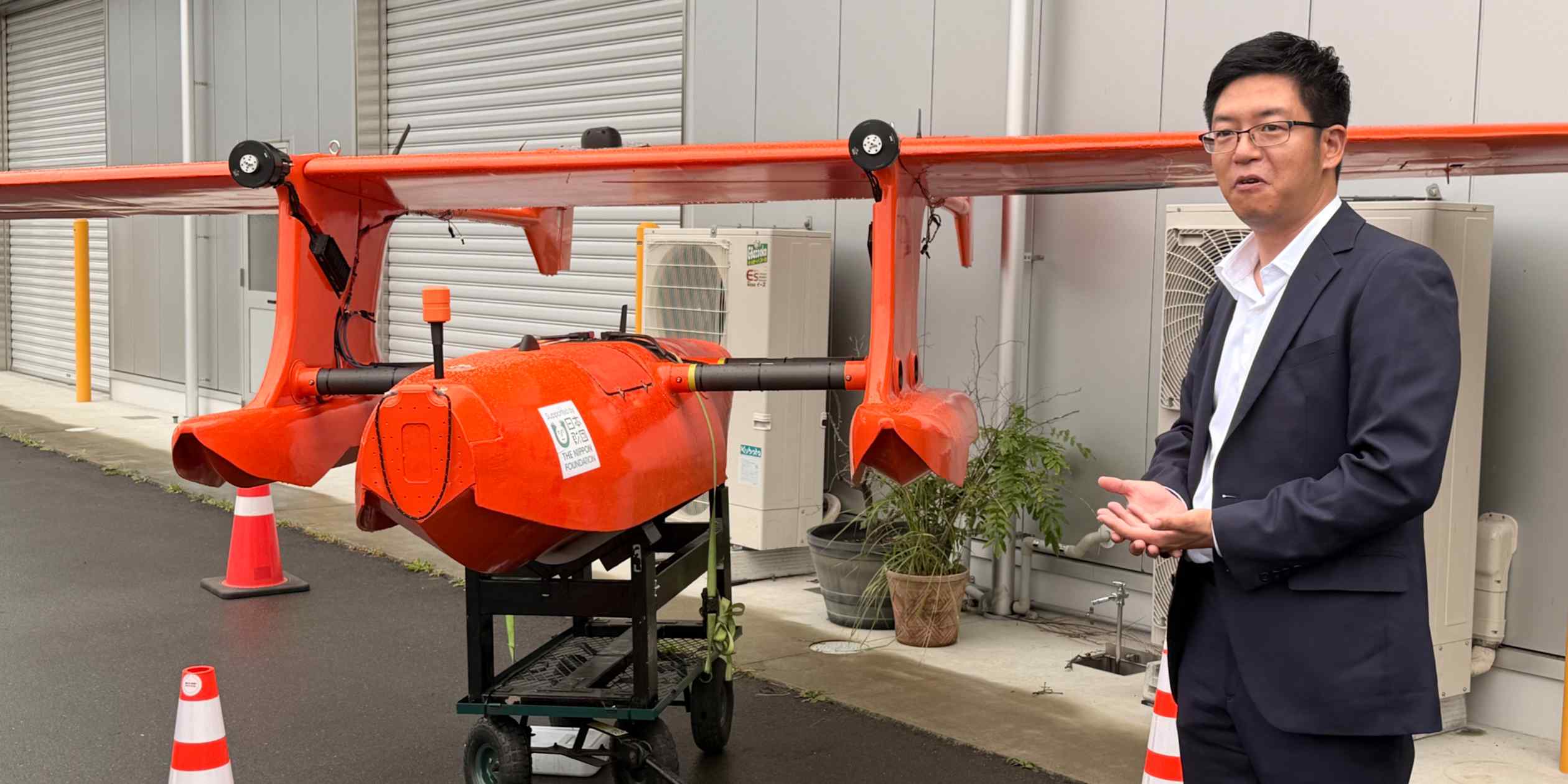
位于南相马市、开发水上飞机型信息收集无人机的“Hama”公司,利用附近水域进行飞行器测试。一架由Tetra Aviation制造的飞行汽车原型机。该地区还吸引了航天初创企业入驻。
Hama, a company in Minamisoma developing seaplane-type drones for information gathering, uses nearby waters for testing aircraft. A prototype flying car made by Tetra Aviation. The region has also been attracting space startups.
总部位于北部岛屿北海道的火箭开发商“星际技术”(Interstellar Technologies)于2025年12月在南相马市设立了制造工厂。开发可从高空气球发射火箭的“AstroX”公司也在该市运营一座工厂。
Interstellar Technologies, a rocket developer based in the northern island of Hokkaido, set up a manufacturing facility in Minamisoma in December 2025. AstroX, which is developing rockets that can be launched from high-altitude balloons, also operates a factory in the city.
最近,东京自动驾驶初创企业“Turing”负责人山本一成于10月在南相马市创办新公司,致力于开发可复用火箭。
More recently, Issei Yamamoto, head of Tokyo self-driving startup Turing, launched a new company in Minamisoma in October to develop reusable rockets.
福岛第一核电站所在地之一的大熊町,吸引了专注于核电站退役技术的初创企业。
Okuma, one of the towns that is home to the Fukushima Daiichi nuclear plant, has attracted startups focused on nuclear decommissioning technologies.
总部位于北部城市札幌的“大熊金刚石器件”(Ookuma Diamond Device)计划最早于2028财年在大熊町的工厂开始量产金刚石半导体。这种半导体预计能耐受高辐射水平和极端温度,适用于退役作业。
Ookuma Diamond Device, based in the northern city of Sapporo, plans to begin mass-producing diamond semiconductors at a plant in Okuma as early as fiscal 2028. The semiconductors are expected to withstand high radiation levels and extreme temperatures, making them suitable for decommissioning work.
当地的产业供应链是另一大优势。该地区聚集了精密金属加工企业,为汽车和电子产业提供支持。
The local industrial supply chain is another advantage. The region hosts precision metal-processing companies that support the automotive and electronics industries.
据南相马市政府官员透露,这类活动带来的经济效益开始在当地扩散。2025财年,机器人、航空航天等初创企业与当地企业之间的交易额总计约5.2亿日元(约合329万美元),较上一财年增长逾20%。融资将是未来面临的挑战。
The economic benefits of this activity are beginning to spread locally. Transactions between robotics, aerospace and other startups and local businesses totaled about 520 million yen ($3.29 million) in fiscal 2025, according to Minamisoma municipal officials, up more than 20% from the previous year. Financing will be a challenge moving forward.
国家和县级重建预算逐年缩减。虽然对入驻企业的补贴依然优厚,但政府重建项目及相关债券发行计划仅持续至2030财年。此后是否仍能获得实质性支持尚不确定。
National and prefectural reconstruction budgets have shrunk over time. While subsidies for incoming businesses remain generous, government reconstruction programs and related bond issuances are scheduled to run only through fiscal 2030. It is unclear whether substantial support will continue beyond that.
许多入驻该地区的初创企业仍处于示范阶段,尚未实现量产或实际销售。政策制定者和当地利益相关者将密切关注,这些企业能否在福岛东部扎根,并创造持续的就业和商业机会。
Many startups that have moved into the area are still in the demonstration phase and have yet to reach mass production or actual sales. Policymakers and local stakeholders will be watching to see whether these companies can establish a lasting presence in eastern Fukushima and generate sustained employment and business opportunities.