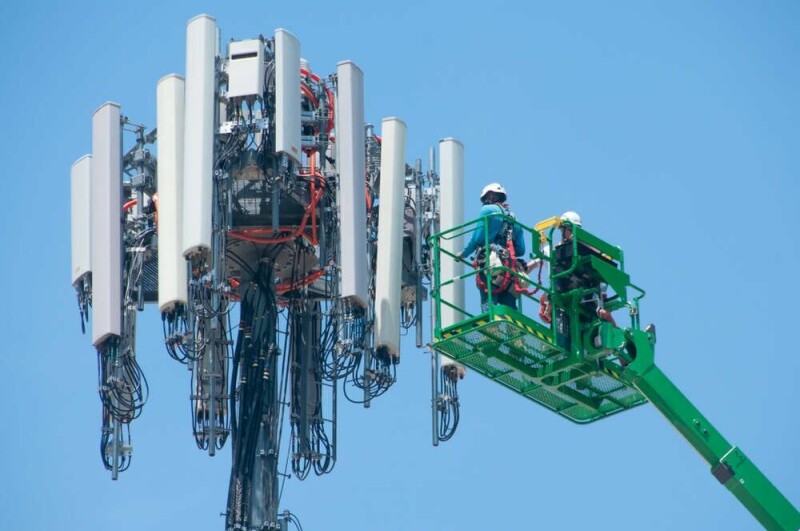
GSMA 希望各国政府和监管机构与移动运营商加强合作,共同保护网络免受极端天气日益增长的风险。作为代表移动网络行业的全球性组织,GSMA 指出,严重风暴和洪水已导致运营商每年花费 17 亿美元修复基站无线电站点的损坏,并认为在预计的 2050 年气候条件下,这一数字可能几乎翻倍,达到每年 30 亿美元以上。
The GSMA wants governments and regulators to work more closely with mobile operators to help protect networks against growing risks from extreme weather. As the global body representing the mobile network industry, the GSMA claims that severe storms and floods already cost operators $1.7 billion annually to repair damage to cell radio sites, and it believes that figure could nearly double to more than $3 billion a year by 2050, under the climate conditions expected then.
GSMA 在一份名为《面向未来的连接:电信业的气候风险与韧性》的六部分研究系列报告中阐述了其调查结果,并发布了一份单独的文件,概述了其《移动网络韧性政策原则》。报告指出了可能影响电信网络的天气相关风险及相关的修复成本。例如,塔楼、桅杆和屋顶站点特别容易受到风暴、大风或闪电的影响,而移动站点的地面设备在洪水事件中可能被淹没。
The GSMA sets out its findings in a six-part research series, Futureproofing Connectivity: Climate Risk and Resilience in Telecommunications, alongside a separate document outlining its Policy Principles for Mobile Network Resilience. The report identifies weather-related risks that can affect telecoms networks, along with the associated restoration costs. Towers, masts, and rooftop sites are particularly exposed to wind and storms or lightning, for example, while ground-level equipment at mobile sites can be inundated in flooding incidents.
高温可能导致无线电设备过热,暴雨会降低无线信号强度,沿海地区的基础设施可能面临风暴潮的威胁。然而,报告指出电力供应是最大的脆弱点。如果电力中断,网络在备用电源耗尽后可能离线,这取决于站点情况,可能需要几小时到更长的时间。
High temperatures can cause radio equipment to overheat, while heavy rain can degrade wireless signal strength, and infrastructure in coastal locations may be exposed to storm surges. However, the report fingers the electricity supply as the biggest vulnerability. If that gets knocked out, the network could go offline once any backup power is exhausted, which may take anywhere from a few hours to considerably longer, depending on the site.
在当前气候条件下,基站因严重风暴受损的成本估计为 10 亿美元,河流洪水和沿海洪水分别占 5.77 亿美元和 1.24 亿美元。根据预计的本世纪中叶气候条件,GSMA 预计严重风暴造成的成本将大幅上升至约 23.7 亿美元,占所有损失的四分之三。
Under current climate conditions, the cost of damage to cell sites is estimated at $1 billion associated with severe storms, while river and coastal floods account for $577 million and $124 million, respectively. Based on projected mid-century climate conditions, the GSMA expects costs due to severe storms to rise significantly to about $2.37 billion, accounting for three-quarters of all damage.
报告断言,蜂窝网络韧性需要采取全生态系统方法,指出如果恶劣天气影响电力网络,也会波及电信基础设施。GSMA 表示,网络企业历来管理可能影响网络可用性的运营风险,但声称它们在对与气候变化相关的风险进行全面评估时面临障碍。其中一些障碍是内部的,例如部门间缺乏共享信息。其他障碍在于不同的监管报告框架,基础设施规则往往侧重于服务连续性,而气候披露框架则侧重于治理、财务风险敞口,以及面向投资者和其他利益相关者的报告。
The report asserts that cell network resilience requires a whole ecosystem approach, pointing out that if severe weather impacts power networks, then that also affects the telecoms infrastructure. The GSMA says that network firms have traditionally managed the operational risks that may affect network availability, but claims they face barriers in conducting full assessments of those associated with climate change. Some of these barriers are internal, such as lack of shared information between departments. Other barriers are in the different regulatory reporting frameworks, with infrastructure rules tending to focus on service continuity, while climate disclosure frameworks focus on governance, financial exposure, and reporting for investors and other stakeholders.
报告分别为网络企业和政策制定者及监管机构列出了建议。建议运营商通过设计嵌入韧性,利用恶劣天气和未来风险情景的模型预测。还建议它们在更广泛的生态系统中规划和测试韧性,与公共机构等其他方协作。对于政策制定者和监管机构,报告要求通过与运营商协商制定韧性框架。还建议在移动运营商、电力和燃料供应商以及应急服务之间进行协调,以帮助在重大中断期间维持关键通信。
The report lists separate recommendations for network firms and for policymakers and regulators. Operators are advised to embed resilience by design, using modeled projections for severe weather and future risk scenarios. They are also told to plan and test resilience across the wider ecosystem, engaging with others such as public authorities. When it comes to policymakers and regulators, the report asks for resilience frameworks to be developed through consultation with the operators. It also advises coordination among mobile operators, electricity and fuel providers, and emergency services to help maintain vital communications during major disruptions.
仿佛这些还不够让人消化,单独的政策文件还为政府和监管机构列出了五项原则。这些原则包括避免规定性法规,转而推行基于结果的政策;鼓励政府、监管机构和运营商之间的对话与协商;以及将韧性建设作为跨部门责任。“移动连接是必不可少的基础设施,”GSMA 基金会主席兼首席监管官 John Giusti 表示。
And as if that isn't enough to chew over, the separate policy document sets out five principles for governments and regulators. These include avoiding prescriptive regulations and instead promoting outcome-based policies, encouraging dialog and consultation between governments, regulators, and operators, and developing resilience as a cross-sector responsibility. “Mobile connectivity is essential infrastructure,” says GSMA Foundation president and chief regulatory officer John Giusti.
他补充道:“无论是应对极端天气、停电还是其他重大中断,人们、企业和应急服务都高度依赖移动网络。恶劣天气已经让该行业损失数十亿美元,而这些成本预计将大幅上升。建设韧性将需要运营商、政府和更广泛的生态系统共同努力。” ®
“Whether responding to extreme weather, power failures or other major disruptions, people, businesses and emergency services depend heavily on mobile networks,” he added. “Severe weather is already costing the industry billions of dollars, and those costs are set to rise substantially. Building resilience will require a coordinated effort amongst operators, governments and the wider ecosystem.” ®