曼谷:当 Nattaporn Chattam 得知她的科学实验在国际空间站(ISS)上失踪时,她感到震惊。
BANGKOK: When Nattaporn Chattam learned that her scientific experiment had gone missing aboard the International Space Station (ISS), she was stunned.
多年来,这位泰国物理学家和她在曼谷农业大学的团队一直致力于将一台重 27 公斤的科学装置送入距地球约 400 公里的轨道。
For years, the Thai physicist and her team at Kasetsart University in Bangkok had worked to send a 27kg scientific apparatus into orbit, some 400km above Earth.
这对泰国新兴的航天计划来说是一个里程碑。在该国航天机构的支持下开发的该实验,是根据与美国国家航空航天局(NASA)达成的一项开创性协议,首个抵达空间站的泰国国家级研究载荷。
It was a milestone for Thailand's emerging space programme. Developed with support from the country's space agency, the experiment was the first Thai national research payload to reach the station under a pioneering agreement with NASA.
Nattaporn 的实验旨在研究液晶——一种常用于电视和手机屏幕的材料——在微重力环境下的表现,在地球引力比地表弱得多的环境中,这对未来的电子和光学技术(包括在月球上的应用)具有潜在价值。
The aim of Nattaporn's experiment was to study how liquid crystals, materials commonly used in television and mobile phone screens, behave in microgravity, where the pull of Earth’s gravity is much weaker than on its surface, with potential applications for future electronic and optical technologies, including on the Moon.
去年 12 月,宇航员代表泰国科学家开始在空间站上进行该实验。但几个月后设备本应返回地球时,出了问题。关键的研究资料不见了。
Astronauts began conducting the experiment aboard the station on behalf of the Thai scientists in December last year. But when the equipment was supposed to return to Earth months later, something went wrong. The critical research was missing.
“我们以为它在太空中丢失了。我们只拿回了一些硬盘。我当时非常焦虑,”Nattaporn 说。
"We thought it was lost in space. All we got back was some hard drives. I was very stressed," Nattaporn said.
后来发现,实验装置被遗留在了国际空间站上,没有装上返回地球的飞船。它最终被找回,于 6 月着陆,并于上个月交还给研究人员,比原定返回时间晚了几个月。
It was later discovered that the experiment had been left behind aboard the ISS instead of being loaded onto the spacecraft returning to Earth. It was eventually recovered, landed in June and was handed back to the researchers last month, several months after its originally scheduled return.
泰国航天科学家 Nattaporn Chattam 在 2026 年泰国航天博览会上接受 CNA 采访。
Nattaporn Chattam, a Thai space scientist, speaks to CNA at Thailand Space Expo 2026.
对于一个寻求在全球航天产业中扮演更重要角色的国家来说,这次任务展示了其科学家能够取得的成就,同时也暴露了在地球遥远之外开展工作的一些复杂性。
For a country seeking a bigger role in the global space industry, the mission demonstrated what its scientists could achieve, while exposing some of the complications of working far beyond Earth. "We know our science is good.
“我们知道我们的科学水平很高。和任何人一样好。凭什么不是我们?我们证明了我们能做到,”Nattaporn 说。
As good as anyone. So why not us? We proved we can do it," Nattaporn said.
Nattaporn的实验是东南亚各国争取在不断增长的全球太空经济中占据一席之地的更广泛推动的一部分,各国在主要太空强国竞争加剧之际,寻求新的商业机会和更大的技术独立性。
Nattaporn’s experiment is part of a wider push across Southeast Asia to secure a foothold in the growing global space economy, as countries seek new commercial opportunities and greater technological independence amid intensifying competition between major space powers.
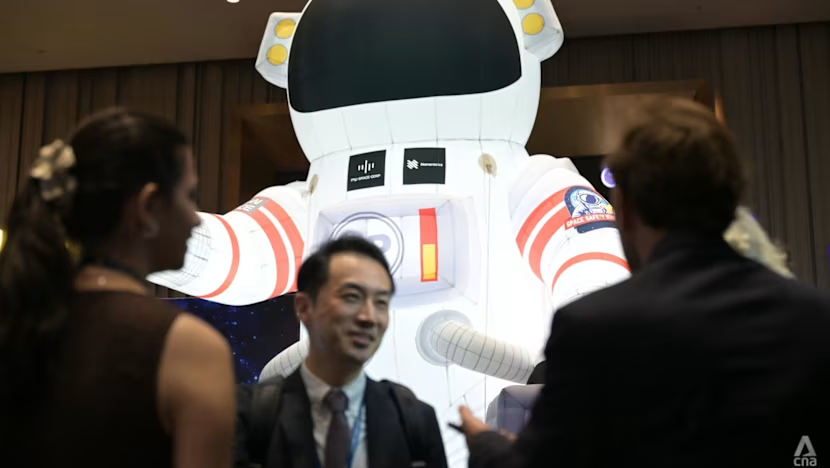
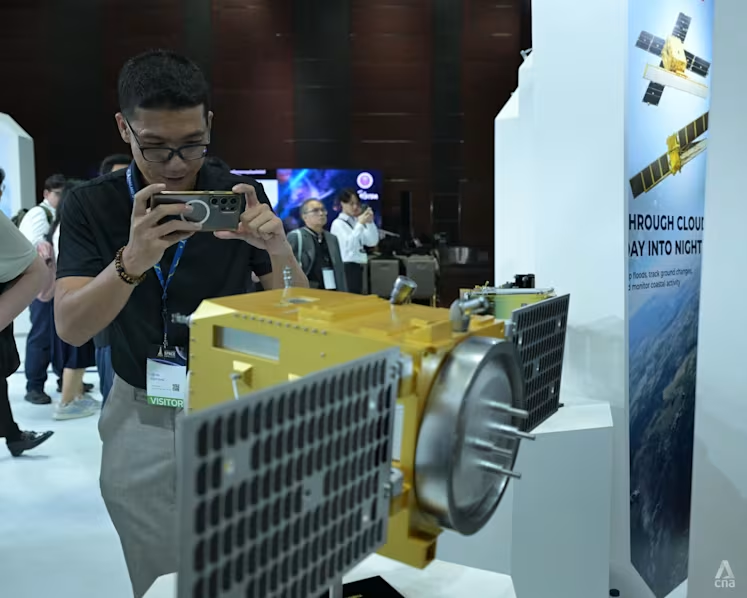
这也是泰国加大力度发展自身太空能力的一部分,这一雄心在上周(10月28日至31日)于曼谷举行的一场大型国际太空博览会上展露无遗。充气宇航员模型与箱装太空组件、卫星演示并列陈列,企业展示的技术涵盖从航天器硬件到用于监测地球状况的软件。
It is also part of Thailand's growing push to develop its own space capabilities, an ambition on display at a major international space expo in Bangkok last week (Oct 28 to Oct 31). Inflatable astronauts sat alongside boxed space components and satellite demonstrations, as companies showcased technology ranging from spacecraft hardware to software for monitoring conditions on Earth.
如今,该国正在追求更宏大的雄心,包括建设本国航天发射场的计划,以及努力建立一个能够制造卫星和其他先进技术的国内产业。
Now, the country is pursuing far bigger ambitions, including plans for its own spaceport and efforts to build a domestic industry capable of manufacturing satellites and other advanced technology.

泰国正寻求扩大国内卫星制造产业,并一直在研究建立本国航天发射场的可能性,这有望允许火箭从泰国领土发射。
It is seeking to expand its domestic satellite manufacturing industry and has been studying the possibility of establishing its own spaceport, potentially allowing rockets to be launched from Thai territory.
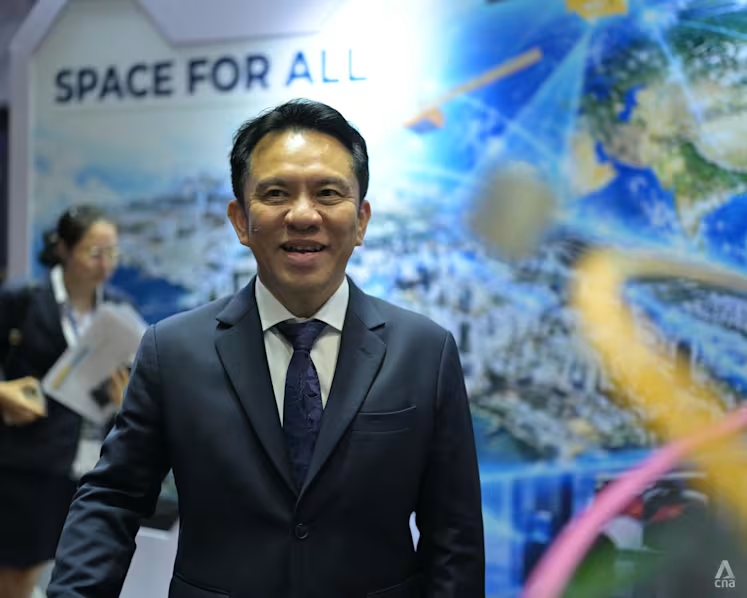
泰国国家航天机构——地理信息与空间技术发展局(GISTDA)执行总监Pakorn Apaphant表示,泰国将太空技术视为增强其经济和工业竞争力的一种途径。
Pakorn Apaphant, executive director of Thailand’s space agency, the Geo-Informatics and Space Technology Development Agency (GISTDA), said Thailand saw space technology as a way to strengthen its economy and industrial competitiveness.
“如今,太空不再仅仅关乎将人送入太空,”他在博览会上对记者说。泰国渴望提升其更广泛太空产业的价值和生存能力。
“Today, space is no longer just about sending people into space,” he told reporters at the expo. Thailand is keen to increase the value and viability of its broader space industry.
泰国已拥有使用卫星数据以及设计、组装和测试航天器的经验。但他表示,发展一个可持续的国内产业将需要进一步的投资、技术专长和商业需求。拟建的航天发射场距离成为现实尚有一段路程。
Thailand already has experience using satellite data, as well as designing, assembling and testing spacecraft. But developing a sustainable domestic industry will require further investment, technical expertise and commercial demand, he said. The proposed spaceport remains some way from becoming a reality.
泰国地理信息与空间技术发展局(GISTDA)已花费数年时间研究潜在选址、安全与环境要求以及可能的商业模式。目前正致力于吸引私人投资和国际技术合作伙伴。
GISTDA has spent several years studying potential locations, safety and environmental requirements and possible business models. It is now working to attract private investment and international technology partners.
据GISTDA称,初步目标是在五年内发展亚轨道火箭发射能力。但官员表示,一旦获批,建设一个全面运营的设施至少需要七年,融资和监管障碍仍待克服。“因此这并不意味着我们明天就能从泰国发射火箭,”帕空说。
There is an initial goal of developing suborbital rocket launch capabilities within five years, according to GISTDA. But officials say a fully operational facility would take at least seven years to build once approved, with financing and regulatory hurdles still to overcome. "So this doesn't mean that we will be launching rockets from Thailand tomorrow," Pakorn said.
“我们现在所做的是创造条件,最终可能使一个商业上可行的太空港成为现实。”GISTDA执行总监帕空·阿帕潘说。巨大的经济飞跃?
"What we are doing now is creating the conditions that could eventually make a commercially viable spaceport possible." Pakorn Apaphant, executive director of the Geo-Informatics and Space Technology Development Agency (GISTDA). A GIANT ECONOMIC LEAP?
几十年来,泰国一直是区域制造业强国,涵盖汽车生产、电子和精密工程等多个领域。
For decades, Thailand has been a regional manufacturing powerhouse across many sectors, including automotive production, electronics and precision engineering.
政府希望将部分这方面的专业知识转移到其初创的航天产业中,不会是一个巨大的飞跃。
The government is hoping that transitioning some of that expertise into its nascent space industry will not be a giant leap.
“我们不需要从零开始。我们需要做的是提升这些企业的标准和能力,使其能够为航天工业制造零部件,”帕空说。
"We don't need to start from zero. What we need to do is raise the standards and capabilities of these companies so they can manufacture components for the space industry," Pakorn said.
根据政府数据,2019年泰国直接航天产业价值约为300亿泰铢(约9亿美元)。若计入由空间技术支撑的更广泛经济活动,估计价值上升至5000亿泰铢。
Thailand's direct space industry was valued at around 30 billion baht (US$900 million) back in 2019, according to government figures. When wider economic activities supported by space technology were included, the estimated value rose to 500 billion baht.
泰国航天机构目前运营两颗地球观测卫星,并已规划在未来六至七年内将卫星编队扩大至多达18颗。
Thailand's space agency currently operates two Earth observation satellites and has outlined plans to expand its fleet to as many as 18 over the next six to seven years.
Pakorn 表示,泰国企业已在为该国的 THEOS-3 卫星计划研发组件,包括铝制结构、碳纤维部件、太阳能电池板和软件。该项目旨在提升地球观测能力,包括用于农业和环境监测。更长远的目标是为国际客户生产设备。
Pakorn said Thai companies were already developing components for the country's THEOS-3 satellite programme, including aluminium structures, carbon-fibre parts, solar panels and software. That project is intended to improve Earth observation capabilities, including for agricultural and environmental monitoring. The longer-term goal is to produce equipment for international customers.
他说:“泰国在很大程度上一直是空间技术的使用者。我们接下来想做的是,从使用者转变为能够开发自有技术、制造组件并创造自有服务的国家。”
"Thailand has largely been a user of space technology. What we want to do next is move from being a user to becoming a country that can develop its own technology, manufacture components and create its own services," he said.
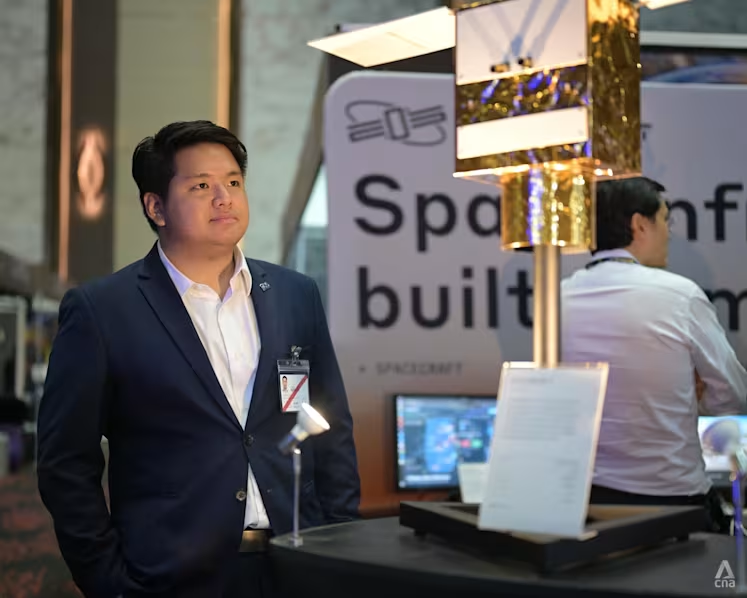
EOS Orbit 首席运营官 Passawish Kulchol 在 2026 年泰国航天博览会上。一些泰国企业已在展示其能力。
EOS Orbit chief operating officer Passawish Kulchol at Thailand Space Expo 2026. Some Thai businesses are already demonstrating their capabilities.
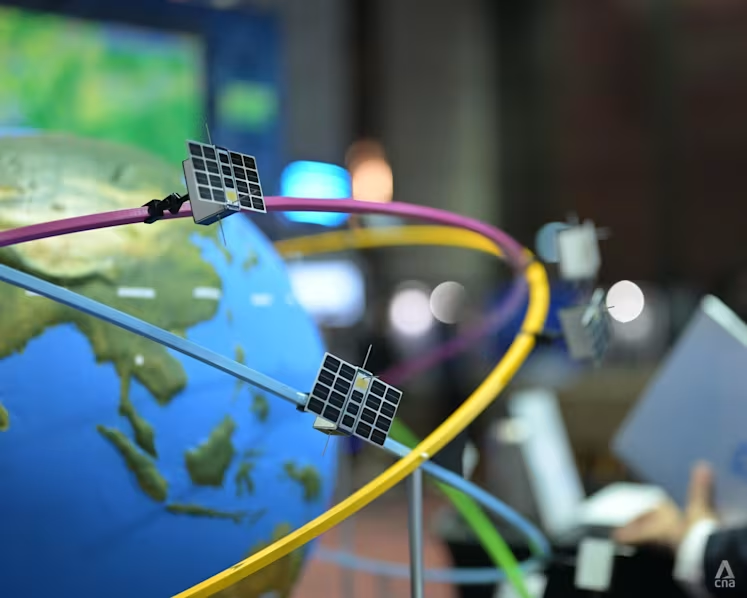
EOS Orbit 是一家约有 30 名员工的公司,于 2025 年 1 月将一颗小型卫星送入轨道,展示了其工程师开发的技术。
EOS Orbit, a company with about 30 employees, launched a small satellite into orbit in January 2025, demonstrating technology developed by its engineers.
其首席运营官 Passawish Kulchol 表示,公司起步于相对低成本的立方星:体积不大于鞋盒的小型模块化单元。
Its chief operating officer, Passawish Kulchol, said the company began with relatively affordable CubeSats: small, modular units not much bigger than a shoebox.
他说,此类设备为进入一个传统上由更富裕、技术更先进的国家主导的行业提供了一条途径。
Such devices offer a way into an industry traditionally dominated by wealthier and more technologically advanced nations, he said.
“你可以用它做实验。你可以失败,也可以再试一次,所以我们认为这是我们能够踏上国际舞台的可行之路,”Passawish 说。
“You can experiment with it. You can fail and you can try again, so it's something that we think is within our reach to be able to step into the global stage,” Passawish said.
“我们这个地区——东南亚——的文化是,他们需要先看到你能做成什么,才会投资。你必须证明给他们看,”他说。
“The culture in our area - Southeast Asia - is they need to see that you can do something first before investing. You have to prove it,” he said.
该公司正在研发卫星通信技术,还设计了利用卫星影像识别潜在非法砍伐森林的软件,可供政府部门使用。
The company is developing satellite communications technology and has also designed software that uses satellite imagery to identify potentially illegal deforestation, which could be used by government departments.
但 Passawish 表示,一个主要障碍不一定是技术专长短缺,而是商业需求不足。
But Passawish said a major obstacle was not necessarily a shortage of technical expertise, but a lack of commercial demand.
“我们需要为人才创造更多市场,因为现在我们培养了人才,他们却流向别处,”他说。更广泛的金融挑战遍及东南亚。
"We need to create more of a market for the talent because right now we create talent and they go elsewhere," he said. Broader financial challenges extend across Southeast Asia.
新加坡永恒空间风投(Perpetual Space Ventures)管理合伙人容荣(Ron Chiong)表示,许多新兴太空公司难以吸引私人投资者,后者仍对高昂成本、漫长的研发周期和不确定的回报感到担忧。
Ron Chiong, managing partner at Singapore-based Perpetual Space Ventures, said many emerging space companies struggled to attract private investors, who remained concerned about the high costs, long development periods and uncertain returns.
他说,政府资金在支持早期技术研发方面继续发挥重要作用,而私人投资者往往更青睐那些已在轨道上证明自身能力的公司。
He said government funding continued to play an important role in supporting early-stage technology development, while private investors often preferred companies that had already demonstrated their capabilities in orbit.
行业研究显示,2016年至2026年间,亚太地区太空科技领域的私人投资总额达59亿美元,但绝大部分流向了中国、印度、日本、澳大利亚和新西兰的公司。
Private investment in space technology across the Asia-Pacific totalled US$5.9 billion between 2016 and 2026, according to industry research, but the vast majority went to companies in China, India, Japan, Australia and New Zealand.
东南亚初创公司正寻求分得更多这部分资金,新加坡永恒空间风投计划为该地区设立一支专项基金,目标募资最高达5000万美元。
Southeast Asian startups are seeking a greater share of that funding, with Singapore-based Perpetual Space Ventures aiming to raise up to US$50 million for a fund dedicated to the region.
该地区各国政府正在投入大量资源发展太空产业。新加坡自2022年以来已为太空科技项目拨出1.64亿美元,而越南今年早些时候落成了一座耗资超过2.6亿美元的太空中心,该项目主要由日本开发援助支持。
Governments across the region are committing significant resources to developing their space industries. Singapore has set aside US$164 million for space technology projects since 2022, while Vietnam inaugurated a space centre earlier this year built with more than US$260 million in investment, largely supported by Japanese development assistance.
容质疑,泰国拟建的太空港在缺乏更广泛的发射公司、投资者和客户网络的情况下,能否实现商业可持续性。他主张,政府和大型企业需要共同努力,为私人投资创造条件。“如果只有你一个人在跳舞,那就没有派对,”他说。
Chiong questioned whether Thailand's proposed spaceport could become commercially sustainable without a broader network of launch companies, investors and customers. He argued that governments and larger corporations would need to work together to establish the conditions for private investment. "If you are the only one dancing, there's no party," he said.
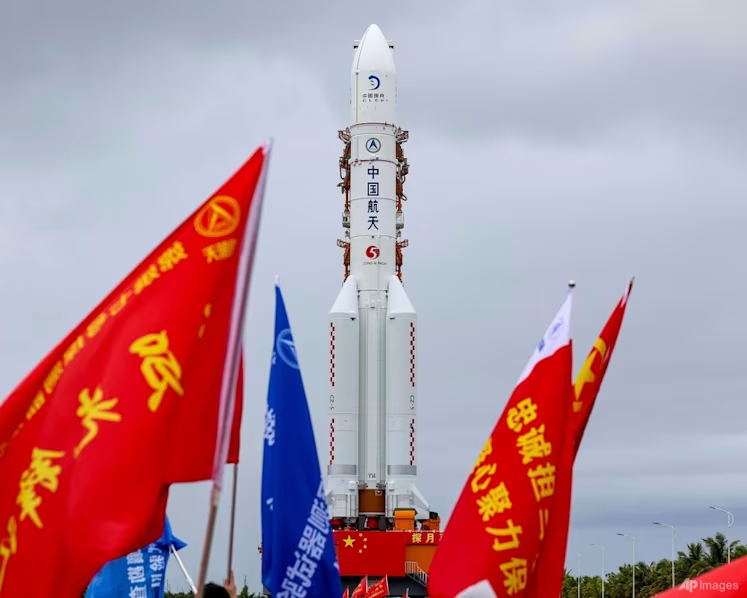
新华社发布的照片显示,2026年8月19日星期三,嫦娥七号月球探测器与长征五号Y14运载火箭组合体在中国海南省文昌航天发射场垂直转运至发射区。“国际团队运动”从地区层面看,泰国并非孤军奋战。在东南亚各国,政府正在投资卫星技术、国内制造业和地球观测,一些国家还在探索建设自己的发射设施。
In this photo released by Xinhua News Agency, the combination of the Chang'e-7 lunar probe and the Long March-5 Y14 carrier rocket is transferred vertically to the launching area at the Wenchang Spacecraft Launch Site in southern China's Hainan Province on Wednesday, Aug 19, 2026 . AN “INTERNATIONAL TEAM SPORT”Regionally, Thailand is not moving in isolation. Across Southeast Asia, governments are investing in satellite technology, domestic manufacturing and Earth observation, while some are exploring their own launch facilities.
这些雄心勃勃的计划,正值全球太空经济预计将实现快速增长之际。世界经济论坛和咨询公司麦肯锡估计,到2035年,全球太空经济的价值可能将近翻三倍,达到1.8万亿美元。
The ambitions come amid projections of rapid growth in the global space economy, which the World Economic Forum and consultancy McKinsey estimate could nearly triple in value to US$1.8 trillion by 2035.
在东南亚,德勤2025年2月的一项独立研究估计,更广泛地利用基于卫星的地球观测影像和数据,可能在2023年至2030年间为地区经济贡献额外1000亿美元,尤其是在农业、能源和政府服务等应用领域。
In Southeast Asia, a separate February 2025 Deloitte study estimates that wider use of satellite-based earth observation imagery and data could contribute an additional US$100 billion to the regional economy between 2023 and 2030, particularly through applications in agriculture, energy and government services.
新加坡正在扩大其商业太空产业,越南正在与国际合作伙伴发展卫星能力,而印度尼西亚和马来西亚则有涉及发射基础设施的雄心。
Singapore is expanding its commercial space industry, Vietnam is developing satellite capabilities with international partners, and Indonesia and Malaysia have ambitions involving launch infrastructure.
菲律宾也在建设其太空计划,计划发射一颗新的地球观测卫星,以支持农业、灾害响应和海事监测。
The Philippines is also building its space programme, with plans for a new Earth observation satellite to support agriculture, disaster response and maritime monitoring.
“我们国家今天面临的几个挑战,其解决方案来自太空,”菲律宾太空署代理署长盖·简·佩雷斯说。
"Several challenges that our nation faces today find solutions from space," said Gay Jane Perez, acting director general of the Philippine Space Agency.
随着技术进步和发射成本下降,太空变得更加可及,此前缺乏资源参与的国家也能加入,这种日益增长的兴趣正值此时。
The growing interest comes as advances in technology and falling launch costs make space more accessible to countries that previously lacked the resources to participate.
澳大利亚太空署署长恩里科·巴勒莫告诉CNA,机遇巨大,但各国需要对自己能独立实现的目标保持现实。“太空本质上是一项国际团队运动,”他说。
Enrico Palermo, head of the Australian Space Agency, told CNA that the opportunities were substantial, but countries needed to be realistic about what they could achieve independently. "Space is very much an international team sport," he said.
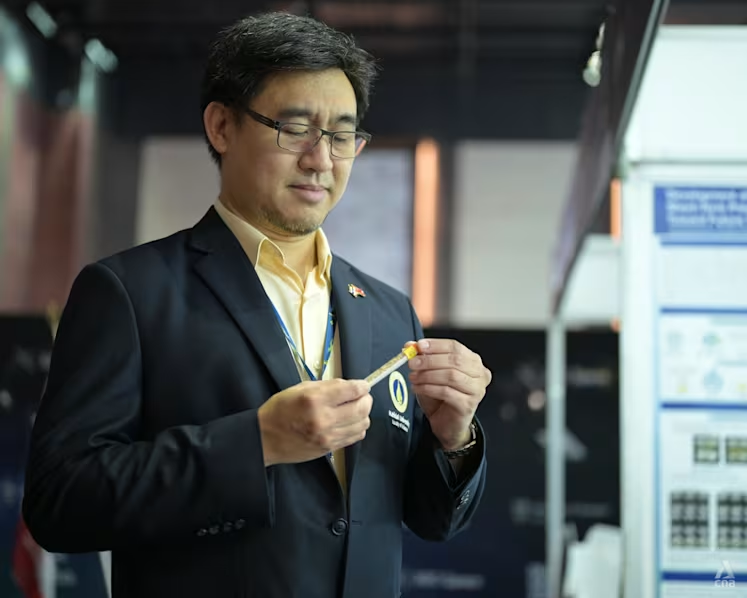
马希敦大学研究员塔塔蓬·杜兰南达正与中国机构合作,开展将泰国大米送入轨道的实验。
Mahidol University researcher Tatpong Tulyananda is working with Chinese institutions on experiments involving Thai rice sent into orbit.
这种合作正在地缘政治竞争加剧的背景下展开,尤其是美国和中国之间的竞争。泰国正与两国发展研究关系。
That cooperation is unfolding against a backdrop of intensifying geopolitical competition, particularly between the United States and China. Thailand is developing research relationships with both.
泰国已签署美国主导的《阿尔忒弥斯协定》,该协定确立了和平探索太空的原则,同时也在推进与中国独立月球研究站计划相关的研究伙伴关系。
Thailand has signed the US-led Artemis Accords, which establish principles for peaceful space exploration, while also pursuing research partnerships connected to China's separate plans for a lunar research station.
空间技术还具有日益增长的国家安全影响,各国政府寻求对关键卫星基础设施拥有更大控制权,并减少对外国供应商的依赖。
Space technology also has growing national security implications, with governments seeking greater control over critical satellite infrastructure and reducing their dependence on foreign providers.
“出于安全原因,包括东盟国家在内的大多数国家可能希望拥有自己的空间资产,”Chiong说。
“Most of the countries, including ASEAN countries, may want to own their own space assets because of security reasons,” Chiong said.
“你不能依赖他人为你提供最基本的服务,甚至到了另一个极端,提供军事相关能力。因此,许多政府目前的首要任务是建立自己可以拥有和控制、并用于自身国家议程的东西,”他说。尽管存在这些战略担忧,区域合作正在获得动力。
“You cannot rely on someone else to provide you with very fundamental services, or even to another extreme, military-related capability. So, many governments will have a priority right now to build something that they can own and control, and use for their own national agenda,” he said. Despite those strategic concerns, regional cooperation is gaining momentum.
菲律宾正推动更紧密的联系,包括一项涵盖空间研究、安全和产业发展的拟议东盟宣言,这是该国今年担任该区域集团轮值主席国的一部分。
The Philippines is pushing for closer ties, including a proposed ASEAN declaration covering space research, security and industry development, as part of its chairmanship of the regional bloc this year.
“随着越来越多的东南亚国家扩大其空间计划,我们当然将其视为合作并发展区域空间价值链的机会,”Perez说。
"As more Southeast Asian countries expand their space programs, we certainly view it as an opportunity to work together and develop a regional space value chain," Perez said.
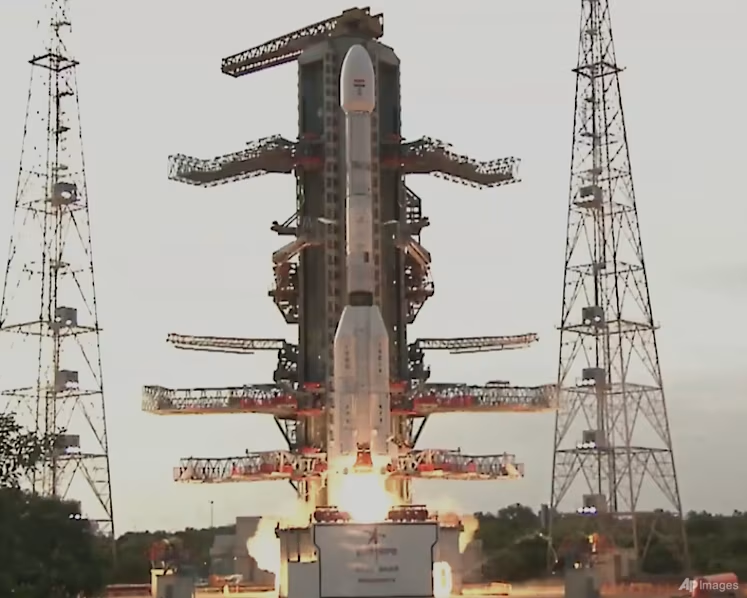
美国宇航局提供的这张照片显示,一颗地球测绘卫星——美国宇航局与印度空间研究组织的首次合作任务——于当地时间7月30日星期三从印度发射。
This image provided by NASA shows an Earth-mapping satellite, the first collaborative mission between NASA and the Indian Space Research Organization, launching from India on Wednesday, Jul 30, 2025.
通过研究的合作也在增长。在曼谷的玛希敦大学,研究员Tatpong Tulyananda正与中国机构合作,开展将泰国大米搭乘中国实践-19号卫星送入轨道的实验。
Cooperation through research is also growing. At Mahidol University in Bangkok, researcher Tatpong Tulyananda is working with Chinese institutions on experiments involving Thai rice sent into orbit aboard China's Shijian-19 satellite.
研究人员发现,一些品种似乎更能抵御太空环境的压力,这可能对地球以外地区种植食品产生潜在影响。
The researchers found that some varieties appeared more resistant to the stresses of space, with potential implications for growing food beyond Earth.
“最终,当人类到达月球时,我们需要在目的地生产食物。我们可能需要主粮作物,以及水果和其他植物,才能让人类在那里的生活可持续。所以我们需要确定哪些植物适合,”他说。
“Ultimately, when humans reach the Moon, we will need to produce food at the destination. We may need staple crops as well as fruit and other plants to make human life there sustainable. So we need to determine which plants are suitable,” he said.
“所以有一天,我们可能会看到泰国品种,如桑约德稻或莓米,在月球上种植。”塔蓬说,泰国可以通过发挥其在农业、食品和医疗保健方面的现有专长,为未来的太空探索做出贡献。
“So it's possible that one day we could see Thai varieties such as Sangyod rice or Riceberry being grown on the Moon.”Tatpong said Thailand could contribute to future space exploration by building on its existing expertise in agriculture, food and healthcare.
“泰国实际上拥有巨大的潜力。但我认为目前的一个问题是,当我们想到太空时,往往认为太空意味着卫星或火箭,”他说。“事实并非如此。太空是一个地方。”
“Thailand actually has enormous potential. But I think one issue at the moment is that when we think about space, we tend to think that space means satellites or rockets,” he said. “That's not really the case. Space is a place.”