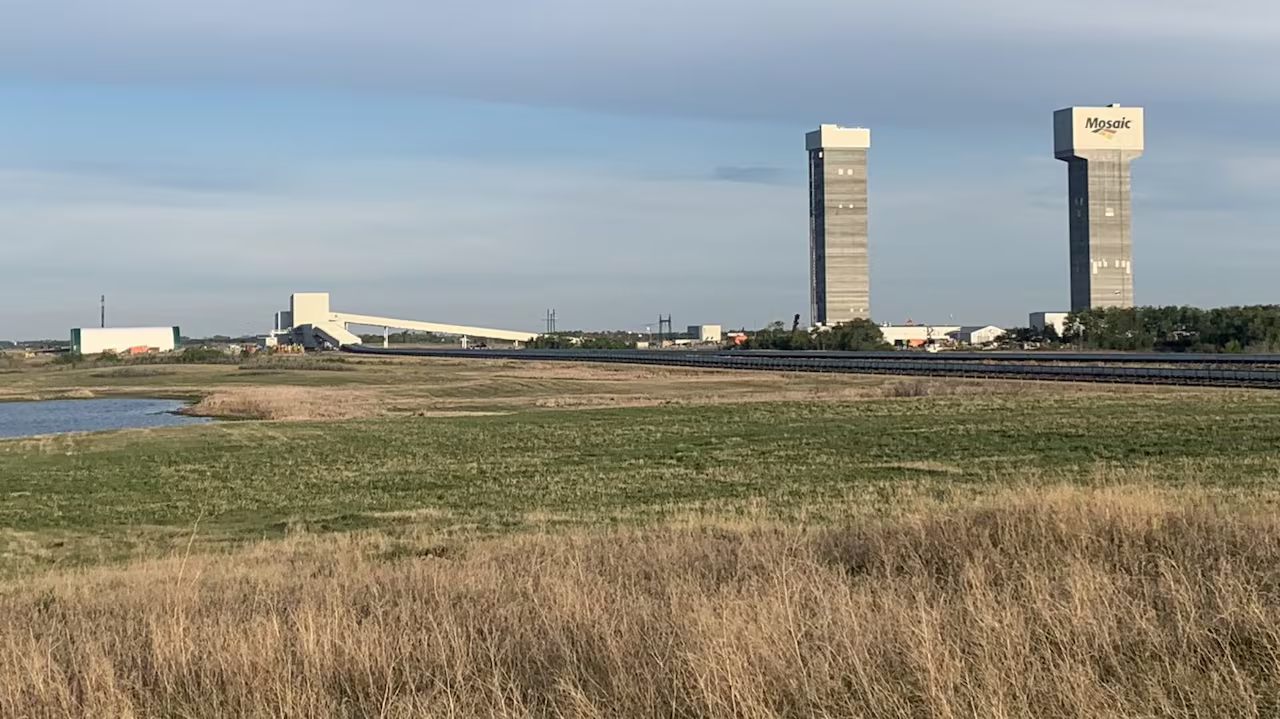
据加拿大自然资源部(NRCan)称,周二上午在萨斯喀彻温省埃斯特哈齐地区震动房屋、惊吓居民的一次地震,很可能是由采矿活动引起的。
An earthquake that shook homes and rattled people in the Esterhazy, Sask., area on Tuesday morning was likely caused by mining activity, according to Natural Resources Canada (NRCan). The earthquake — measured at a 3.4 magnitude — struck at 7:04 a.m.
根据加拿大自然资源部“加拿大地震”网站的数据,这起地震——震级为3.4级——于当地时间上午7点04分发生。震中位于埃斯特哈齐以东偏北约9公里处。
CST. Its epicentre was about nine kilometres east-northeast of Esterhazy, according to the NRCan's Earthquake Canada website. The federal agency says the earthquake was "a suspected mining-induced event," which is categorized as an anthropogenic — or human-caused — seismic event.
该联邦机构表示,此次地震属于“疑似采矿诱发事件”,被归类为人为——即人类活动引起的——地震事件。马赛克公司在埃斯特哈齐东北约15公里处运营一座钾盐矿。
The Mosaic Company operates a potash mine about 15 kilometres northeast of Esterhazy.
去年,该地区曾遭遇三次地震,其中两次间隔不到三个月。加拿大地震机构表示,那些地震也很可能是由采矿活动引起的。
Last year, the area was hit by three earthquakes, including two within three months. Earthquake Canada said those were also likely caused by mining activity.
杰森·惠特比和妻子刚开始一天的生活,就感受到了周二的地震。他们听到一声巨响,房屋随之震动,架子上的杯子被震倒,墙上的挂画也发生了位移。起初,他以为有人撞上了他们的房子。
Jason Whitby and his wife were just starting their morning when they felt Tuesday's earthquake. They heard a loud booming noise and their house shook, tipping over cups on the shelf and shifting art on the walls. At first, he thought someone had hit their house.
“简直是疯狂的巨响。持续了几秒钟就结束了,”惠特比在接受加拿大广播公司(CBC)采访时说。“我从未感受过这样的事情。”惠特比表示,他没有感觉到去年该地区发生的地震,但他担心如果地震变得更频繁,会对房屋造成损坏。
"It was a crazy bang. It was a couple seconds then it was over," Whitby said in an interview with CBC. "I've never felt anything like that." Whitby said he didn't feel the earthquakes that happened in the area last year, but he's concerned about damage to his home if the earthquakes become more frequent.
“这里偶尔会发生,但从未有过这种震级,”惠特比说。“能震动房子,太疯狂了。说不定会变得更糟,谁知道呢?”马赛克公司在一份声明中表示,所有员工均已清点完毕,震后安全检查也已完成。根据马赛克公司网站信息,约有1200人在该矿区地下和地面作业。
"It happens here and there, but nothing to this magnitude," Whitby said. "To shake a house is pretty crazy. It might get worse, too, who knows?" All Mosaic employees are accounted for and post-earthquake safety inspections are finished, the company said in a statement. About 1,200 people work below and above ground at the site, according to the Mosaic website.
声明称,钾肥生产未受影响,地震发生在“K3矿旧采区已采空区域”。
Potash production was not interrupted and the earthquake happened "in a mined-out area of the older workings of the K3 Mine," according to the statement.
“该地区的采矿诱发地震活动很常见,我们的设施在设计时就考虑了地震载荷,”Mosaic公司在声明中说。
"Mining induced seismic activity in this area is common, and our facilities are engineered with seismic loading in mind," Mosaic said in the statement.
“虽然最近的事件发生在远离当前采矿区的地方,且不构成直接安全隐患,但我们仍在继续加深对K3矿体地质特性的了解,并将与外部专家合作审查地震活动。”加拿大自然资源部(NRCan)地震学家Claire Perry表示,NRCan已在Esterhazy地区记录了数十年的人为地震活动。
"While the recent event occurred far from current mining areas and presents no immediate safety concerns, we continue to advance our understanding of the geological properties of the K3 ore body and will work with external experts to review seismic activity." NRCan has recorded anthropogenic seismic activity in the Esterhazy area for decades, NRCan seismologist Claire Perry said. "The number of natural earthquakes in this area is very low.
“该地区自然地震的数量非常少。这不是一个构造活跃区,远离活跃板块边界,也远离俯冲带,”Perry说。
It's not a tectonically active zone, far from active plate boundaries, far from the subduction zone," Perry said.
“所以这是一个稳定的地区,我们很少看到地震。因此,我们在Esterhazy周围看到这些浅源事件,就知道它们与工业活动有关,且已经持续了多年。”NRCan尚未收到任何房屋或其他建筑物受损的报告。
"So this is a stable region where we don't see a lot of earthquakes. And so we see these shallow events around Esterhazy, we know that they are related to industry activity and they've been going on for years." NRCan has not yet received any reports of damage to houses or other structures.
Esterhazy市长Randy Bot表示,由于矿区距离很近,该镇“对地震事件并不陌生”。
Esterhazy Mayor Randy Bot said the town "is no stranger to seismic events" because of the mine's proximity.
“脚下拥有世界上最丰富的钾盐矿床之一,偶尔的地面运动是我们社区多年来经历过的事情,”Bot在给CBC的声明中说。
"With one of the richest potash deposits beneath our feet, occasional ground movement is something our community has experienced over the years," Bot said in a statement to CBC.
“我们的首要关注点始终是居民和在该地区工作的每个人的安全。我们对Mosaic公司以及采矿业固有的监测、安全规程和监管监督充满信心。”该地区发生的最显著地震事件——震级4.1级——发生在2019年,但大多数地震震级在2.0至3.0级之间,通常只有震级超过2.8级的地震才会被人们感觉到。但Perry表示,采取预防措施仍然很重要。
"Our primary concern is always the safety of our residents and everyone working in the area. We have confidence in Mosaic and the monitoring, safety protocols, and regulatory oversight that are part of our mining industry." The most significant seismic event in the area — with a magnitude of 4.1 — happened in 2019, but most measure in a range of 2.0 to 3.0 magnitude and only those above 2.8 are typically felt by people. But Perry said it's still important to take precautions.
“没有什么是不可能的,每个人都应该记住做好准备,并备好应急包,”她说。
"Nothing is impossible and everyone should remember to be prepared and have an emergency kit ready," she said.
“即使我们不生活在易发地震的地区……做好准备并了解一旦感到震动该怎么做也是好的。本能反应应该是钻到桌子底下或桌子底下,或就近躲避,护住头部,等待震动平息。”曼尼托巴大学地球科学系教授安德鲁·弗雷德里克森表示,钾矿开采从地下深处挖掘出大量物质,形成巨大的空洞,这些空洞最终可能导致上方岩层位移或改变,进而产生“开裂”或“断裂”,引发地震活动。
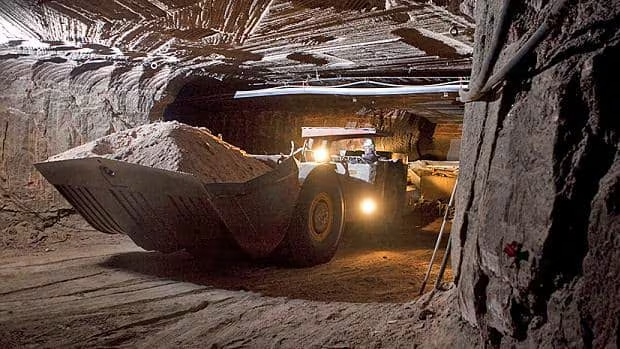
"Even if we don't live in an earthquake prone region … it's good to be prepared and know what to do should you feel shaking. The reflex should be to get under a desk or a table or something close by, take cover, protect your head and wait for that shaking to subside." Potash mines excavate massive amounts of material from deep below the surface and create large cavities that can eventually shift or alter the rock strata above it, which in turn can create "cracking" or "fracturing" that produce seismic activity, said Andrew Frederiksen, a professor in the earth sciences department at the University of Manitoba.
弗雷德里克森说:“即使现在停止所有采矿,已经开采出的区域足以让这种活动持续下去。”“一旦采矿形成了这些敞开的空洞,这种[地震]活动几乎是不可避免的。”他说,与靠近构造断层带的地区相比,这种地震活动相对安全,也不预示着未来会发生更大的地震。
"Even if you stopped all mining now, there are enough areas that were excavated already that this activity would likely continue," Frederiksen said. "Once you've got these open cavities from the mining, this kind of [seismic] activity is probably pretty inevitable." The seismic activity is relatively safe compared to areas near tectonic faults and isn't indicative of future, larger earthquakes, he said.
弗雷德里克森说:“在全球范围内,每年发生几次三四级左右的地震,算是微不足道的小事。”
"Something in the magnitude three or four range happening a couple of times a year is quite small potatoes on the global scale," Frederiksen said.
他说:“[钾矿周边]产生这些地震的机制有一种最大规模限制……而由板块运动引起的地震规模可能大得多。”
"The mechanism that produces these earthquakes [around the potash mine] has sort of a maximum size to it … whereas earthquakes caused by tectonic plate motions could scale up to be very large."