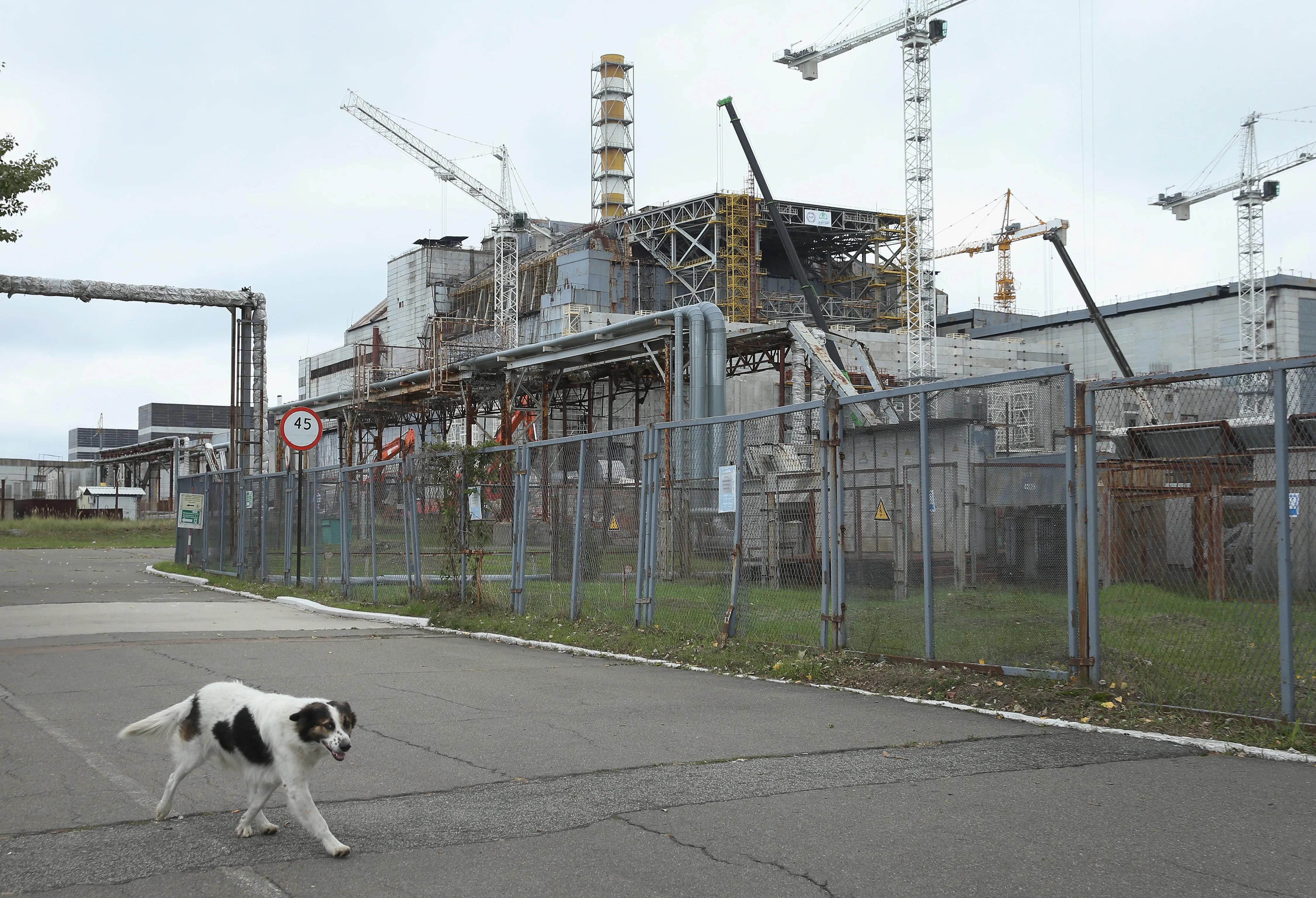
切尔诺贝利核电站灾难现场附近生活的狗并不像其他狗——至少从基因组来看是这样。近年来,研究人员发现这一族群拥有独特的基因特征,但造成这种差异的原因此前一直不明。
The dogs living near the disaster site of the Chernobyl Nuclear Power Plant are not like other dogs—at least as far as their genomes go. In recent years, researchers uncovered a unique genetic profile among this population, but what’s driven this distinction remained unclear.
对科幻作家来说,最引人遐想的解释或许是,核电站持续的辐射导致狗的基因组中不断积累突变。但族群的遗传特征随时间改变还有其他方式,例如随机遗传漂变或自然选择。近期发表在科学期刊《基因》上的一项研究重新审视了这些小狗,寻找指向上述过程之一的基因模式。
The explanation that’s perhaps most tantalizing to a sci-fi author is that the persistent radiation at the nuclear site has caused mutations to accumulate in the dogs’ genomes. But there are other ways a population’s genetics can change over time, such as random drift or natural selection. A recent study published in the scientific journal Genes revisited these pups, searching for genetic patterns pointing to one of these processes.
研究人员对比了核电站周边狗狗的DNA与生活在约16公里外切尔诺贝利市狗狗的遗传物质,还将这些犬类与其他全球犬类族群进行了对比。仅凭这种对比,差异就极为显著。切尔诺贝利市的狗“与加拉帕戈斯群岛的狗在基因上更为相似,而非与核电站的犬类族群相似”,北卡罗来纳州立大学博士后研究员、该研究第一作者梅根·迪隆说。
The researchers compared the DNA from dogs living in the area right around the nuclear plant with genetic material from dogs living in the city of Chernobyl, about 16 kilometers away. They also compared these canines to other global dog populations. The contrast alone was extreme. The dogs in Chernobyl city “are more genetically similar to dogs in the Galapagos Islands than they are to the dog population” at the nuclear plant, said Megan Dillon, a postdoctoral researcher at North Carolina State University and first author of the study.
但更引人注目的是,对比结果表明,仅凭随机机会无法解释两个犬类族群之间的差异。相反,核电站附近的狗似乎一直在经历自然选择。
But more striking still, the comparison revealed that random chance alone could not explain the differences between the dog populations. Instead, it seems the dogs at the nuclear site have been experiencing natural selection.
“刚开始做这些分析时,我不得不暂停一下,心里想,‘哇,我得确保自己做得都对’,因为这非常有趣,也非常令人惊讶,”迪隆说。
“When I was first doing those analyzes, I had to kind of pause and was like, ‘Wow, I have to make sure I'm doing all of this right,’ because this is very interesting, very surprising,” Dillon said.
这些狗不仅似乎在进化,而且受到最高选择压力的部分基因组区域与DNA修复、免疫和细胞存活等功能相关。换言之,该核电站狗群中的某些遗传差异可能与应对环境压力有关。
Not only did the dogs seem to be evolving, but some of the genomic regions under the highest selective pressure were associated with functions such as DNA repair, immunity, and cell survival. In other words, certain genetic differences in the dogs from the plant could be relevant for coping with environmental stress.
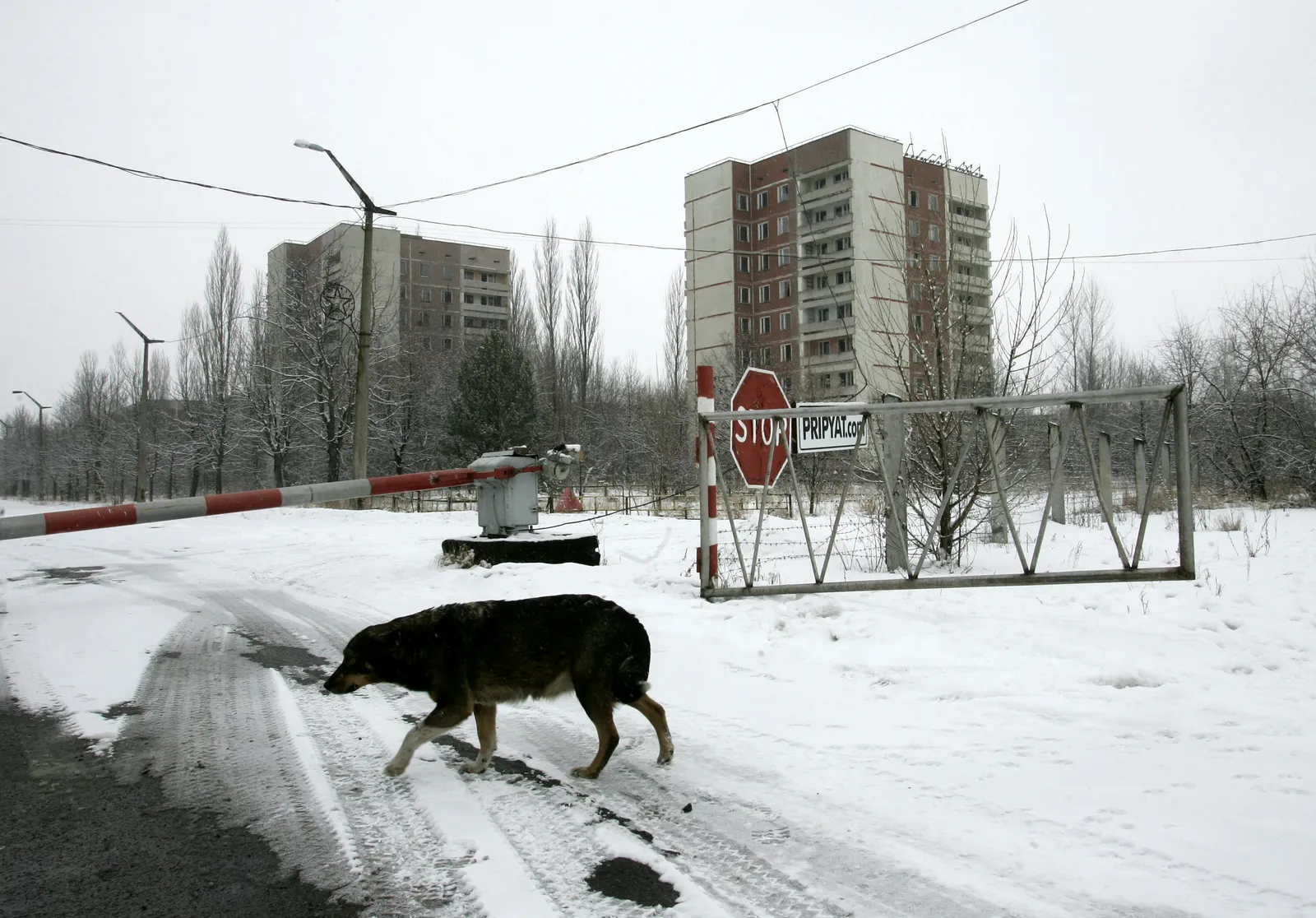
这些基因组变异并非突变,而是很可能早已存在于当地狗群中,并在过去40年里在种群中变得更为普遍。“这些犬群本身就具有很高的遗传多样性,”迪龙说。“也许发电站的这个创始种群拥有能够忍受并在这些恶劣条件下生存的遗传工具箱。未必是它们不断遭受新突变的轰炸。”综合来看,这些结果支持这样一个假设:自然选择促成了切尔诺贝利犬群与其他种群之间的差异。
Instead of being mutations, these genomic variants likely already existed among local dogs but became more common in the population over the past 40 years. “These dog populations already had this high degree of genetic diversity,” Dillon said. “Maybe this founding population at the power plant had the kind of genetic toolkit to endure and survive in these harsh conditions. It’s not necessarily that they were being bombarded with new mutations.”Taken together, the results support the hypothesis that natural selection contributed to the difference seen in the dogs at Chernobyl compared to other populations.
尚不清楚的是,哪些环境因素偏好这些变异,以及它们是否提供任何特定优势。“尽管我们发现了选择的证据,且这些证据与生物学上相关的基因相关,但我们仍不能说这与狗所面临的暴露有关,”迪龙指出。
What remains unclear is which environmental factors favored these variants and whether they provide any specific advantage. “Even though we found this evidence of selection and it is around these biologically relevant genes, we still cannot say that this is tied to the exposures that the dogs have faced,” Dillon noted.
灾难现场的辐射似乎是现成最容易解释的原因,但这个犬群自核熔毁以来还面临许多其他选择压力。切尔诺贝利的狗是撤离时被遗弃的宠物的后代。此后,它们挺过了乌克兰严酷的冬天,也承受了该地区沉积的其他污染物,包括重金属和杀虫剂。“这些污染物中有很多具有相似的特征和相似的病理,”迪伦说。“有太多不同的因素,难以真正分辨出单一变量。”
Radiation at the disaster site might seem like the easiest explanation to point to, but there are many other selective pressures this dog population has faced since nuclear meltdown. Chernobyl’s dogs are descended from pets left behind during the evacuations. Since then, they’ve persisted through Ukraine’s harsh winters and weathered other pollutants including heavy metals and pesticides also deposited in the area. “A lot of these contaminants have similar signatures and similar pathology,” Dillon said. “There are just too many different things to really be able to tease apart a single variable.”
研究人员也缺乏能够显示这一种群如何随时间变化的纵向样本。“这几乎就像看着一张静止的照片,试图推断出它之前发生了什么,”北卡罗来纳州立大学基因组学教授、该研究资深作者马修·布林说。“最初几年可能是最关键的时期——如果它们受到选择,那么选择过程就是在那个时期发生的。”已经不可能回头去收集1986年生活在那里的狗的样本,在那个年代,没有任何生物——甚至细菌——的完整基因组被测序。
The researchers also don’t have access to longitudinal samples that would show exactly how this population has changed over time. “It's almost like looking at a single still image and trying to figure out what came before it,” said Matthew Breen, a professor of genomics at North Carolina State University and the study’s senior author. “Those first few years were probably the most critical period—if they were selected, that's when that selection process would have happened.”It’s not possible to go back and get samples from the dogs who lived there in 1986, a time when no organism—not even a bacterium—had its full genome sequenced.
布林当时是英国的一名研究生。“我当时参与了一个项目,开车在威尔士山区四处走,从牧场收集羊,因为放射性云已经飘过了西欧,”他回忆道。当时收集的数据中看不出什么,但技术已经进步了,而且那些羊也没有世世代代生活在核熔毁的中心。
Breen was a graduate student in England then. “I was involved in a project driving around the Welsh mountain hills, collecting sheep from the pastures because the radioactive cloud had blown over Western Europe,” he recalled. There wasn’t anything to see in the data gathered then, but the technology has evolved, and those sheep had also not been living at the center of a nuclear meltdown for generations.
事故发生近四十年后,切尔诺贝利禁区也成为了野生动物的避难所。狼、鹿、野猪和猞猁如今在该地区游荡——研究人员大多将这种回归归因于人类活动的减少。在一些居民中,例如狼群,研究人员也观察到了与狗身上所见相似的基因区别。
Nearly four decades after the accident, the Chernobyl exclusion zone has also become a refuge for wildlife. Wolves, deer, wild boars, and lynx now roam the area—a return that researchers largely attribute to the decline in human activity. Among some of these residents, such as the wolf population, researchers have also observed similar genomic distinctions to those seen in the dogs.
“这确实展示了大自然对人为灾难性事件的韧性,”布伦说。“你把某事向一个方向推,它可以对此做出反应,要么反弹,要么改变未来的路径。我认为我们在这里看到的就是如此。”本文最初发表于《连线》西班牙语版,并从西班牙语翻译而来。
“It really demonstrates the resilience of nature to catastrophic events caused by humans,” Breen said. “You push something in one direction, it can respond to that and either push back or deviate its path going forward. I think this is what we're seeing here.”This story originally appeared on WIRED en Español and has been translated from Spanish.