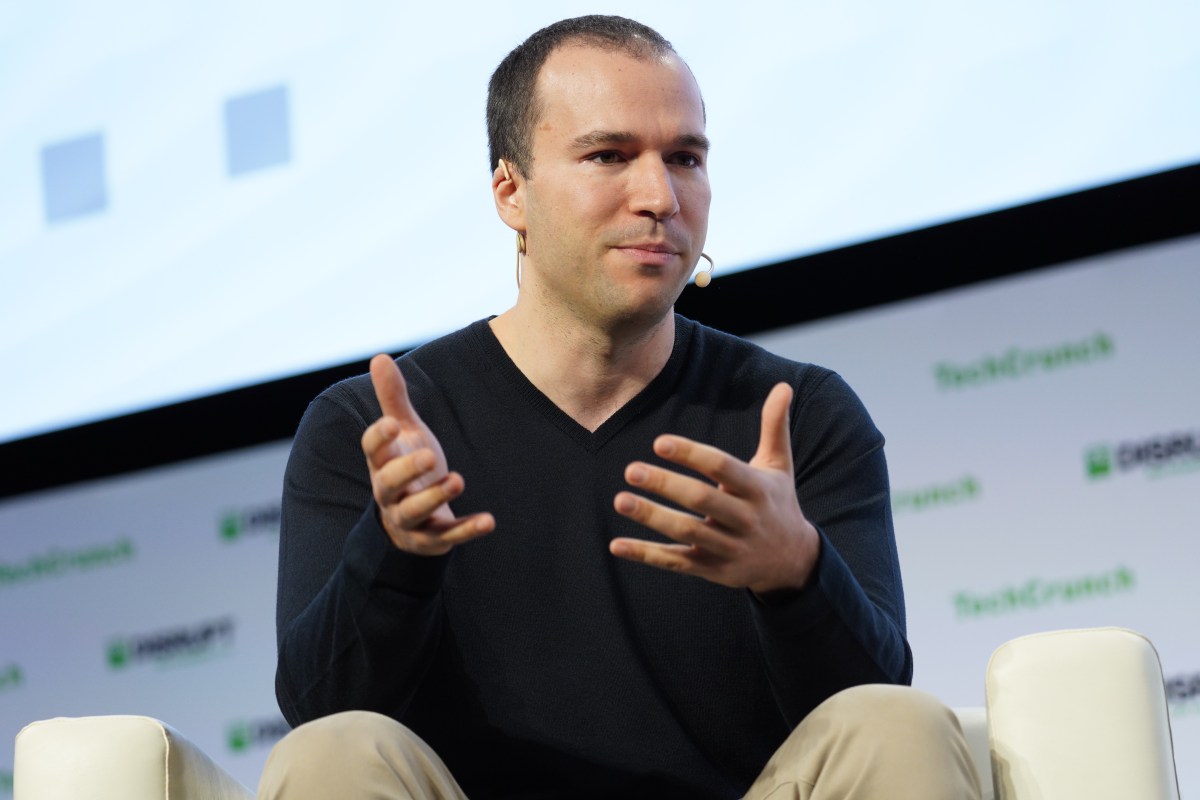
OpenAI联合创始人兼总裁格雷格·布罗克曼表示,公司将在2027年做好IPO准备,并指出其企业业务收入一直在增长。周三,这位高管在《华尔街日报》的一场科技会议上发表讲话,盛赞公司在企业市场不断取得进展,而竞争对手Anthropic已在该市场成功打开局面。
OpenAI co-founder and president Greg Brockman said the company would be ready for an IPO in 2027, noting that its enterprise revenue has been growing. Speaking at a Wall Street Journal tech conference on Wednesday, the executive touted how the company had been gaining ground in the enterprise market, where rival Anthropic had already successfully made inroads.
当被问及明年是否准备好IPO时,布罗克曼回答说:“我认为是的。没错。”布罗克曼说:“今年我们一直说得很清楚,我们希望在自认为合适的时机上市,而我对这项业务感觉非常好。我觉得今年我们取得了如此大的进展,老实说,我从未像现在这样对我们所做的事情充满信心。”
In response to the interviewer’s question about being IPO-ready next year, Brockman replied, “I think so. Yes.”“We’ve been very clear this year that we want to go public when we feel is the right time for us, and I feel extremely good about the business. I feel like we’ve made so much progress this year, and I’ve honestly never felt more confident in what we’re doing,” Brockman said.
他详细讲述了OpenAI作为企业的发展轨迹在2026年期间发生了怎样的变化,并指出第一和第二季度“相当艰难”。他还承认,在智能体编程方面,OpenAI“甚至都不在讨论范围之内”——而Anthropic的Claude Code已在该领域占据了市场。“我们当时有Codex,但没人在谈论它,”布罗克曼继续说道,“我认为我们只是埋头苦干、专注执行。”
He detailed how OpenAI’s trajectory as an enterprise had changed over the course of 2026, noting that the first and second quarters were “pretty rough.”He also admitted that OpenAI “wasn’t even in the conversation” when it came to agentic coding — an area where Anthropic’s Claude Code has gained market“We had Codex, but no one was talking about it,” Brockman continued, “and I think that we just kept our heads down and executed.”
到第三季度,情况开始好转,OpenAI的年化收入实现了70%的季度增长——布罗克曼将此归因于企业业务收入翻了一番。他解释说,这一增长并非仅仅是该季度本身发生的某件事带来的结果,而是公司此前持续投入的累积成果。
By the third quarter, activity picked up, as OpenAI saw 70% quarterly growth in its annualized revenue — something Brockman attributed to the enterprise side of the business doubling. He explained that the growth wasn’t simply the result of something that happened in the quarter itself, but rather the culmination of investments the company had been making up to that point.
如今,OpenAI的大部分收入来自企业业务,而此前该业务仅占总收入的约30%。
Now, the majority of OpenAI’s revenue is coming from the enterprise business, which previously accounted for only around 30% of its total revenue.
“这并不是说消费者[收入]缩水了……它一直在增长,但企业业务确实腾飞了,”他说,并指出最近与摩根大通的合作就是公司目前赢得的这类客户的一个例子。
“And it’s not that consumer [revenue has shrunk]…It’s been growing, but it’s the enterprise segment has really taken off,” he said, pointing to a recent partnership with J.P. Morgan Chase as one example of the type of client it’s now winning deals with.
布罗克曼还更广泛地谈到了OpenAI从面向企业市场销售中学到的经验。他说,公司逐渐认识到,自己的职责是帮助企业确定他们借助其AI技术能够实现的最重要里程碑,与客户建立信任,并证明自己是值得长期合作的可靠伙伴。
Brockman also spoke more broadly about the lessons OpenAI learned from selling into the enterprise market as well. He said the company had come to understand that its job was to help businesses identify the most important milestones they could achieve with its AI technology, build trust with clients, and demonstrate that it was a reliable partner for the long haul.
“一年前,我们其实还根本没有真正进入企业市场,对吧?我们当时真的被视为一家消费级公司,很多我们开始接触的公司都会问:‘OpenAI真的致力于企业业务吗?’布罗克曼说。“但今天已经大不相同了。”
“A year ago, we weren’t even really in the enterprise game, right? We were really perceived as a consumer company, and a lot of the companies we’d start talking to would say, ‘Is OpenAI really committed to the enterprise?’, Brockman said. “But it’s so different today.”