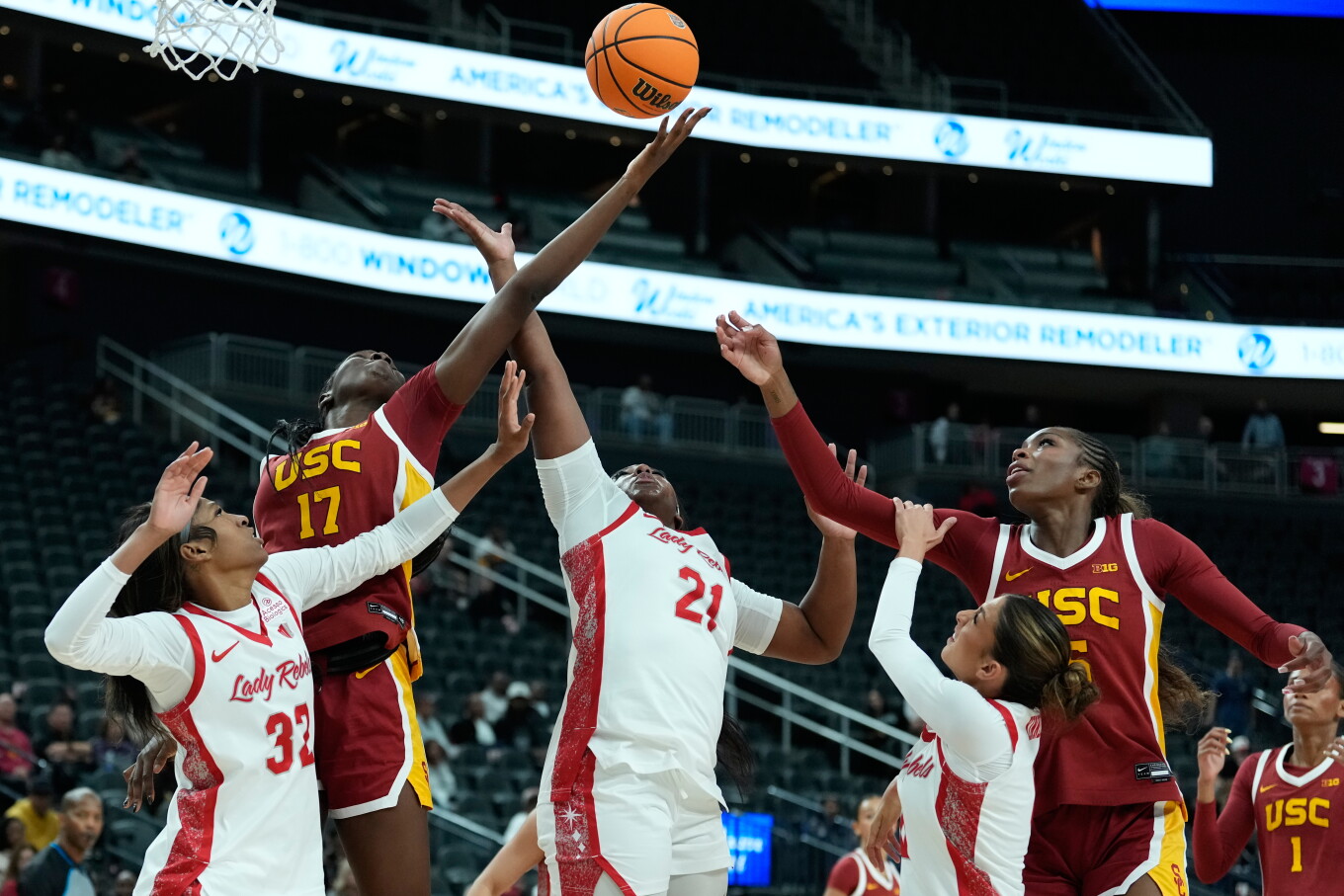
下周,国会可能开始就一项旨在全面改革大学体育的法案展开辩论,而近期民主党的选举胜利带来了不确定性。
Next week, Congress could begin debating a bill to overhaul college sports, amid uncertainty from recent Democratic election victories.
埃迪·佩尔斯 下周,国会将开始为一项旨在全面改革大学体育的里程碑式法案倒计时,但没有人十分确定,民主党在全国各地选举之夜取得压倒性胜利的浪潮将如何重新设定这场辩论。
EDDIE PELLS Next week in Congress, the clock starts ticking on a groundbreaking bill designed to overhaul college sports with nobody quite sure how an overwhelming wave of election-night victories for Democrats across the country will reset the debate.
众议院仍由共和党人控制,下周一开始的跛脚鸭会期将决定是否推进《保护大学体育法案》。该法案上个月在参议院以77票对22票获得通过。
Still run by Republicans for a lame-duck session that begins Monday, the House of Representatives will decide whether to proceed with the Protect College Sports Act which passed the Senate by a 77-22 margin last month.
这项法案除其他内容外,还锁定规范运动员薪酬方式的规则,并为奥林匹克运动项目纳入保护措施。即便在民主党至少赢得247个席位之前(截至周四计票仍在进行),该法案在众议院一直面临更艰难的阻力。
The bill, which among other things locks in rules that regulate how athletes are paid and builds in protections for Olympic sports, always faced tougher sledding in the House, even before Democrats won at least 247 seats with the counting still underway Thursday.
现在的问题是,当前这批众议院民主党人大多反对该法案,他们是否会认为有任何理由在这次跛脚鸭会期投赞成票;以及选举结果将如何影响少数不支持该法案的共和党人。
The questions now are whether the current set of House Democrats, who mostly oppose the bill, will see any reason to vote for it in this lame-duck session; and also how the results impact a smaller group of Republicans who didn’t support the legislation.
“我不认为有任何人走进投票站时会说,‘你知道,我投这个人,是因为他们会在大学体育和这些问题上很好地代表我,’”前美国职业橄榄球大联盟线卫、Athletes.org执行主任布兰登·科普兰说。该组织一直主张,该行业更多问题可以通过集体谈判解决,而不是通过国会行动解决。
“I don’t think there’s anyone who walked into a voting booth and said, ‘You know, I’m voting for this person because they’re going to represent me well on college sports and those issues,’” said Brandon Copeland, a former NFL linebacker who is executive director of Athletes.org, which has pressed the idea that more problems in the industry could be solved through collective bargaining than through Congressional action.
包括美国全国大学体育协会、美国奥林匹克与残疾人奥林匹克委员会、纽约洋基队总裁兰迪·莱文、得克萨斯理工大学董事会主席科迪·坎贝尔、得克萨斯州共和党参议员特德·克鲁兹和华盛顿州民主党参议员玛丽亚·坎特韦尔以及总统唐纳德·特朗普在内的多方声音都在推动该法案。他们指出,该法案在参议院获得压倒性的两党支持,这表明在如此棘手的问题上,这项立法已是国会所能达成的最好妥协。
Various voices — including the NCAA, the U.S. Olympic and Paralympic Committee, New York Yankees president Randy Levine, Texas Tech regent chair Cody Campbell, Sens. Ted Cruz, R-Texas, and Maria Cantwell, D-Wash., and President Donald Trump, are pushing for the bill They point to its overwhelming bipartisan support in the upper chamber as a signal that the legislation is as good a compromise as Congress can get on such a difficult issue.
美国全国大学体育协会(NCAA)负责对外事务的高级副总裁蒂姆·巴克利表示:“不采取行动……就意味着无法将这些具有变革意义的学生运动员福利写入联邦法律。协会期待与众议院合作,推动这项法案最终通过。”球员权益倡导者质疑法案中的奥运保护条款。法案支持者表示,如果没有国会的强制要求,那些迫于压力要向橄榄球和篮球等赚钱项目球员付钱的学校,就会让输送奥运人才的小项目萎缩。
“Not acting ... would mean not enshrining these transformative student-athlete benefits into federal law,,” said Tim Buckley, the NCAA’s senior vice president of external affairs. “The association looks forward to working with the House to get this bill across the finish line.”Player advocates question Olympic protections in bill Supporters of the bill say that without a Congressional mandate, schools under pressure to pay players in the money-making sports, football and basketball, will let smaller sports that feed the Olympic pipeline wither.
另一个球员团体——全国大学球员协会表示,该措施并未像其声称的那样保护奥运项目和女子项目。
Another players’ group, the National College Players Association, say the measure doesn’t protect Olympic and women’s sports the way it claims to.
该团体对法案的分析发现,约70%的甲级体育部门未达到5000万美元的收入门槛,而只有达到该门槛,这些学校才被要求像2024-25年度那样,在“非创收”项目(即奥运项目和女子项目)中支持同样数量的运动员。
The group’s analysis of the bill found that around 70% of Division I athletic departments don’t reach the $50 million revenue threshold that would require those schools to support as many athletes in “non-revenue” sports — i.e., Olympic and women’s — as they did in 2024-25.
该团体援引法案中的措辞指出,这些条款将在四年或九年后到期,具体取决于支出水平;该团体还表示,该措施可能允许NCAA改写规则,从而绕过整个监管规定。
The group cites language that sunsets those provisions after four or nine years, depending on the spending level, and also says the measure could allow the NCAA to rewrite rules to bypass the entire regulation.
全国大学球员协会执行主任拉莫吉·胡马表示:“我希望这次选举能让这项法案搁浅,因为根本没有足够时间把它调整到对运动员公平的位置。”
“My hope is the election tanks the bill, because there’s just not enough time to get it in a position to where it’s fair to the athletes,” NCPA executive director Ramogi Huma said.
美国奥林匹克与残奥委员会并不质疑70%的学校将可以自由削减小项目的结论。但该委员会表示,其研究表明,在上两届奥运会中,77.2%的美国奥运选手就读于收入至少达到5000万美元、并将受新规覆盖的甲级学校。
The USOPC doesn’t question the conclusion that 70% of schools would be free to cut small sports. But it said its research showed that 77.2% of U.S. Olympians at the last two Olympics competed at Division I schools that produced at least $50 million in revenue and would be covered by the new regulation.
美国奥林匹克与残奥委员会首席执行官莎拉·赫什兰表示:“我不认为我们任何人——无论是联盟总裁、机构还是我们——会说这项法案完美无缺。但这是我们付出巨大努力后所能达成的最佳妥协。我们看好它,认为它是推动在保护奥运和残奥体育方面取得真正进展的重要载体。”SEC和十大联盟着眼自身未来,无论有没有新法律。全国各大体育联盟花了数月甚至数年时间,思考有国会立法和没有国会立法两种情况下的未来。
“I don’t think any of us, whether it’s a conference commissioner or an institution or us, would say this bill is perfect,” said Sarah Hirshland, the CEO of the USOPC. “But it is the best compromise we’ve all been able to get to with an enormous amount of effort. We’re bullish on it as a significant vehicle to make real progress in protecting Olympic and Paralympic sport.”SEC, Big Ten think of their future, with or without a new law The nation’s major sports conferences have spent months, even years, thinking about the future both with Congressional legislation and without it.
上个月,十大联盟通过了相关规则,旨在使其支出指导方针与法案中的数字保持一致。为NIL付款设定框架的法律案件——“豪斯诉NCAA案”——中的原告律师立即对这一举措提出异议,而十大联盟则表示,没有任何规定阻止单个联盟制定自己的规则。
Last month, the Big Ten passed rules designed to make its spending guidelines conform with numbers in the bill. Plaintiffs’ attorneys in the legal case — House vs. NCAA — that set the framework for NIL payments immediately disputed the move, while the Big Ten said nothing prevented a single conference from making its own rules.
沿着这一思路,十大联盟和东南联盟——后者最初对该法案持保留态度——已公开谈论,如果国会不采取行动,将走向“联盟主导的治理”。其想法是,他们将制定自己的规则,主要目的是遏制在争夺优秀运动员方面已演变成昂贵竞价战的支出。
Along those lines, the Big Ten and Southeastern Conference —which initially withheld support for the bill— have talked openly about moving toward “conference-led governance” if Congress doesn’t act. The thought is they would set their own rules in an attempt, mostly, to rein in spending in what has become a costly bidding war for talented athletes.
不过,明确的一点是,他们确实希望华盛顿方面告诉他们停止支出战,而不是自己动手削减。
What’s clear, though, is that they’d really like Washington to tell them to cut out the spending wars instead of doing it themselves.