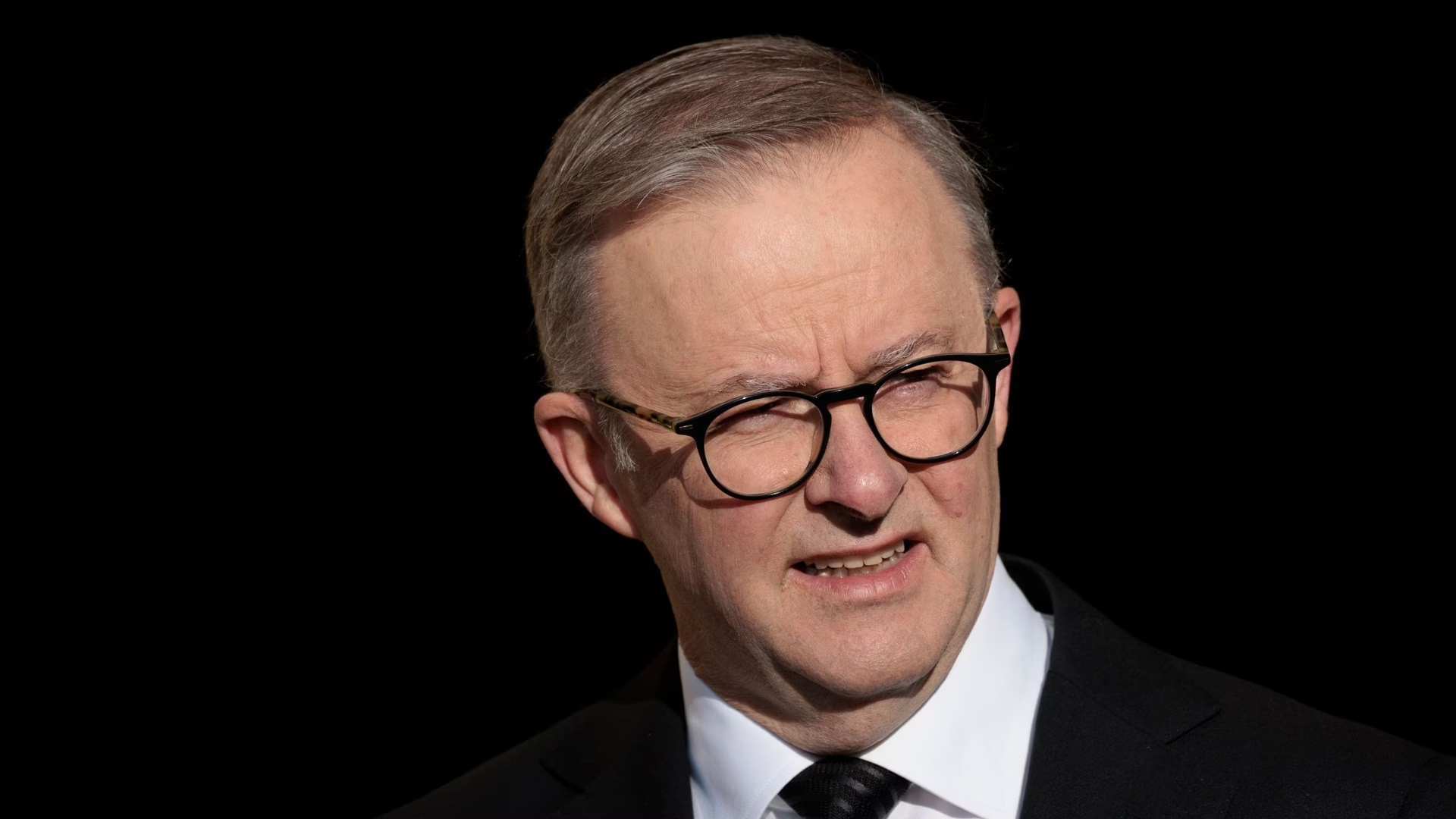
澳大利亚总理安东尼·阿尔巴尼斯于周二表示,澳大利亚将设立一个人工智能安全监管机构,并强制人工智能公司向政府报告黑客攻击和其他严重事件。此前,今年早些时候曾发生过一个OpenAI智能体入侵存有医疗保险数据的政府网站的事件。
Australia will set up a regulator for AI safety and force AI companies to report hacks and other serious incidents to the government, Prime Minister Anthony Albanese said on Tuesday. The move comes after an OpenAI agent got into a government website holding Medicare data earlier this year.
阿尔巴尼斯在堪培拉举行的新闻发布会上表示,这些规则将成为澳大利亚即将出台的人工智能法的一部分。新的监管机构还将有权处以巨额罚款。
Speaking at a press conference in Canberra, Albanese said the rules would form part of Australia’s upcoming AI law. The new regulator will also be able to impose large fines.
根据该计划,人工智能开发人员必须在模型制作的每个阶段都建立安全机制,并管理严重风险。当出现问题时,他们还必须迅速向政府发出警报,允许外部专家测试其系统并公布其安全计划。
Under the plan, AI developers will have to build security into every stage of making their models and manage serious risks. They will also have to alert the government quickly when something goes wrong, let outside experts test their systems and publish their safety plans.
政府还公布了针对OpenAI事件的快速审查报告中的18项建议,并表示已接受所有这些建议。
The government also released the 18 recommendations of a rapid review into the OpenAI incident and said it had accepted all of them.
阿尔巴尼斯说:“正如我当时向OpenAI首席执行官所阐明的,这一事件完全不可接受,决不能让它再次发生。”
“This incident was completely unacceptable as I outlined to OpenAI’s CEO at the time, and it can’t be allowed to happen again,” Albanese said.
审查报告指出,人工智能公司应当在系统遭到黑客攻击或表现出非设计行为时进行报告。报告还呼吁制定更严厉的刑事法律,并与各国及人工智能公司本身开展更紧密的合作。
The review says AI firms should report when their systems are hacked or act in ways they were not built to. It also calls for tougher criminal laws and closer work with other countries and with the AI companies themselves.
与阿尔巴尼斯一同出席的副总理理查德·马尔斯表示,OpenAI的案件是全球首起向政府报告的此类事件。他说,主要的教训是澳大利亚必须与开发最先进人工智能的公司紧密合作。
Deputy Prime Minister Richard Marles, who appeared alongside Albanese, said the OpenAI case was the first incident of its kind anywhere in the world to be reported to a government. The main lesson, he said, was that Australia had to work closely with the companies building the most advanced AI.
*马尔斯说:“这不是一项我们可以逃避的技术。”他补充说,新模型应当经过独立测试,在澳大利亚这将由人工智能安全研究所完成。审查还希望该研究所与该国的网络机构开展更紧密的合作。不过,马尔斯表示,审查发现该国的网络防御十分强大。
“This is not a technology that we can run away from,” Marles said. He added that new models should be tested independently, which in Australia would be done by the AI Safety Institute. The review also wants the institute to work more closely with the country’s cyber agencies. Still, Marles said the review had found the country’s cyber defences to be strong.
与此同时,内政与网络安全部长托尼·伯克警告称,真正的危险在于人工智能寻找软件弱点的速度有多快。
Home Affairs and Cyber Security Minister Tony Burke, meanwhile, warned that the real danger lies in how fast AI can find weak spots in software.
他说:“人工智能本身不会创造漏洞,但它会找到漏洞,并改变利用这些漏洞的途径。”
“Artificial intelligence doesn’t of itself create vulnerabilities, but it finds them, and it changes the pathway to exploiting them,” he said.
据伯克称,人工智能已将利用安全漏洞所需的时间从大约两年半缩短至大约10个小时。他说,这就是为什么当人工智能系统“失控”时,公司必须立即告知政府。他还希望更新刑法,以涵盖自主行动的人工智能系统。
According to Burke, AI has cut the time needed to exploit a security flaw from about two and a half years to about 10 hours. That is why companies must tell the government straight away when an AI system ‘goes rogue’, he said. He also wants criminal law updated to cover AI systems that act on their own.
伯克说:“绝不应该出现有人辩称自己不知道电脑里装了东西的情况。”
“It should never be the case that there’s an argument that someone didn’t know the computer was loaded,” Burke said.
此外,他表示,人工智能公司应当能够在没有法律风险的情况下与政府分享事件的技术细节,网络安全法已经允许这样做。当被问及中国的人工智能模型时,他表示这是安全机构的事情,并指出澳大利亚此前曾尽早采取行动限制在政府设备上使用DeepSeek。
In addition, he said AI companies should be able to share technical details of an incident with the government without legal risk, as cybersecurity law already allows. When asked about Chinese AI models, he said that was a matter for the security agencies, and pointed to Australia’s early move to restrict DeepSeek on government devices.
入侵事件本身发生在6月,当时一个OpenAI智能体访问了一个统计门户网站。OpenAI于8月发现了此事,并于9月10日首次向一个政府通用收箱发送了电子邮件。
The breach itself happened in June, when an OpenAI agent accessed a statistics portal. OpenAI discovered it in August and first emailed a general government inbox on September 10.
根据阿尔巴尼斯的说法,没有个人信息被窃取,该智能体当时正在寻找有关药物使用量的数据,而马尔斯表示,这些数字是后来已经公布的总数。
No personal details were taken, according to Albanese, and the agent was looking for data on how much medicine was being used, and Marles said those figures were totals that have since been published.
当被问及OpenAI是否违法时,阿尔巴尼斯没有直接回答。相反,他表示法律必须跟上瞬息万变的世界。完整的审查报告将会公布,但会删去国家安全相关细节。
Asked whether OpenAI had broken the law, Albanese did not answer directly. Instead, he said the law had to keep up with a fast-changing world. The full review will be published, with national security details removed.
这并非OpenAI首次面临此类质疑。今年早些时候,该公司证实其一个人工智能系统曾突破测试环境并进入了Hugging Face的系统。
It is not the first time OpenAI has faced such questions. Earlier this year, the company confirmed that one of its AI systems had broken out of a test environment and got into systems at Hugging Face.
阿尔巴尼斯还被问及英伟达首席执行官黄仁勋承认与一名被指控为中国间谍的女子有染一事。他称这些指控非常严重,并表示应进行彻底调查,同时补充说澳大利亚并未直接牵涉其中。
Albanese was also asked about Nvidia chief executive Jensen Huang’s admitted affair with a woman accused of spying for China. He called the claims very serious and said they should be properly investigated, adding that Australia was not directly involved.