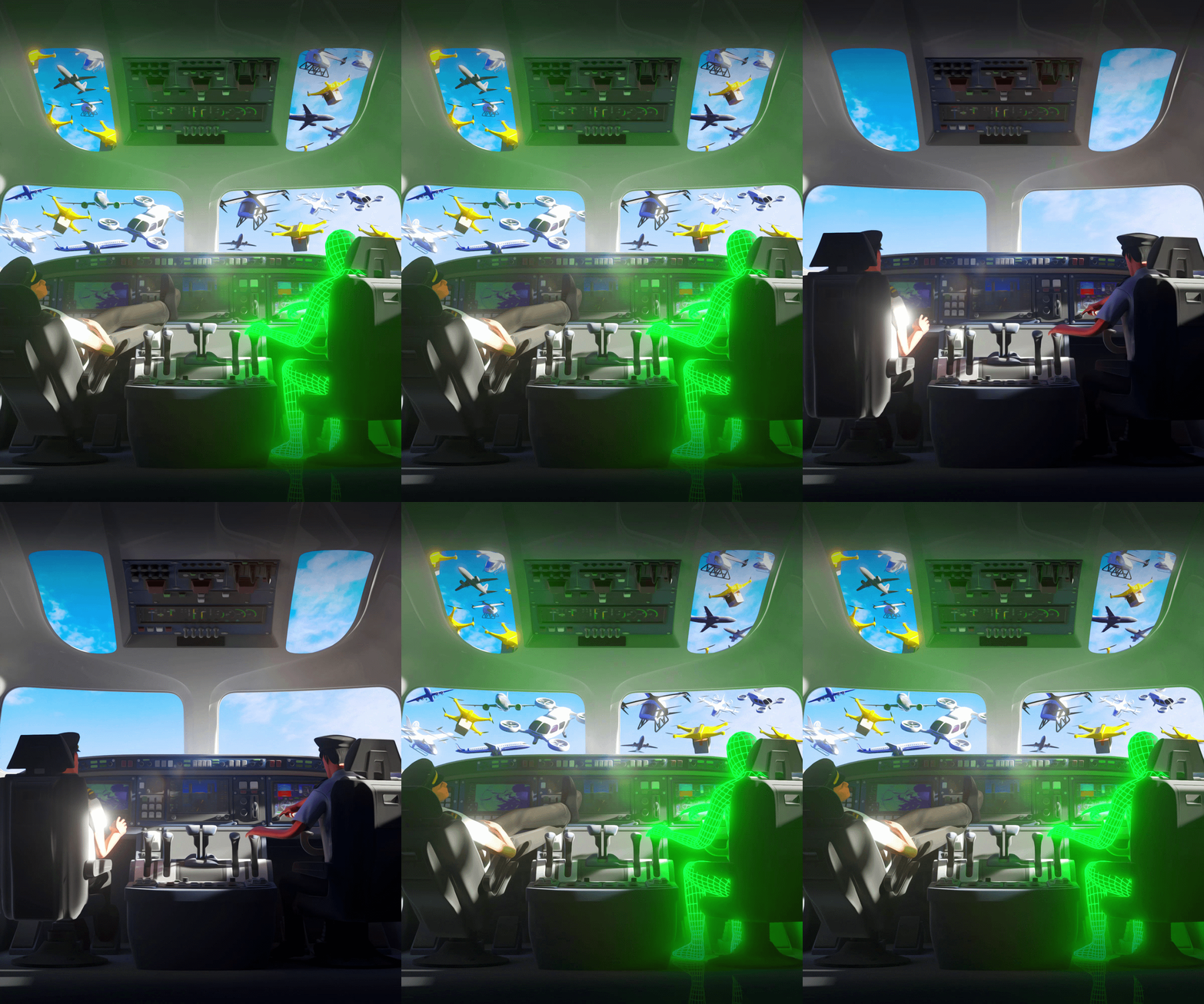
像SMART这样的新系统只是正在进行的AI航空革命的冰山一角。以一架塞斯纳大篷车(Cessna Caravan)飞机为例,它在一个平静的9月早晨从加利福尼亚州康科德的布坎南机场(Buchanan Field Airport)起飞,向南飞往菲尼克斯。这架单发涡桨飞机随后向东飞往沃斯堡,在南卡罗来纳州的肖空军基地(Shaw Air Force Base)停留,最后抵达北卡罗来纳州海岸外的戴尔县区域机场(Dare County Regional Airport)。
New systems like SMART are only the tip of the iceberg when it comes to the AI aviation revolution currently underway. Take, for instance, the Cessna Caravan that took off from Buchanan Field Airport in Concord, California, and flew south to Phoenix on a calm September morning. The plane, a single-engine turboprop, then turned east to Fort Worth, stopped at Shaw Air Force Base in South Carolina, and finally arrived at Dare County Regional Airport off the coast of North Carolina.
这趟横跨东西海岸的“之”字形行程长达3200英里;一路上,这架飞机穿梭于繁忙的空域,并进行了规避风暴的机动飞行。
The zigzag, coast-to-coast trip covered 3,200 miles; along the way, the aircraft navigated busy airspace and maneuvered to avoid storms.
这一切本没什么了不起的,但有一个事实除外:整个行程中,没有哪怕一只人手触碰过飞机的操纵杆。
None of this would be remarkable, save for one fact: The entire journey took place without a single human hand touching the plane’s controls.
执行该项目的公司——乔比航空(Joby Aviation)表示,塞斯纳飞机上自始至终有一名安全驾驶员,但从未需要介入。这次无飞行员的飞行标志着航空业的一个重要里程碑。航空旅行长期以来在技术上一直较为保守,而且理由充分:当人类生命危在关头时,经受时间考验且略显过时,总好过尖端却不可预测。但AI正以空前的速度进军航空业。
According to Joby Aviation, the company that carried out the project, a safety pilot was aboard the Cessna at all times—but never needed to intervene. The pilotless trip marked a major milestone in aviation. The air travel industry has long been technologically conservative, and with good reason: When human lives are at stake, it’s better to be time-tested and a little dated than cutting-edge and unpredictable. But AI is making inroads into aviation with unprecedented speed.
目前的影响或许难以察觉,但即将到来的变革是巨大的,它们有望重塑航空旅行的经济学,并改变人员和货物在空中的移动方式。不过,一个重大问题依然存在:我们能信任这项技术做到可靠和安全吗?
The effects now are hard to see, but the changes in the offing are huge, promising to remake the economics of air travel and transform how people and things move around in the sky. A big question remains, though: Can we trust this technology to be reliable and safe?
这取决于你问的是谁。“我们正在引入所有这些新技术来改进系统,而这将会是一场灾难,”一名刚退休的联邦航空管理局员工表示,“这简直是一个潘多拉魔盒,我们会为此后悔的。”2007年,联邦政府推出了一个名为“下一代航空运输系统”(简称NextGen)的宏大项目,该项目要求在未来几十年里对航空旅行系统进行广泛的变革。其条款之一就是要求美国境内的飞机在2020年之前装备ADS-B系统,该系统不断发送无线电信号,向附近的每个人告知你所在的位置以及你的去向。
Depends who you ask. “We're introducing all this new technology to improve the system, and it's going to be a disaster,” says a recently retired FAA employee. “This is literally a Pandora's box that we are going to regret.”In 2007, the federal government rolled out a sweeping project called Next Generation Air Transportation System—NextGen, for short—that mandated broad changes to the air travel system over the decades to come. Among its provisions was the requirement that, by 2020, aircraft in the United States be equipped with ADS-B, a system that constantly sends radio signals telling everyone in the vicinity where you are and where you’re headed.
随着打造机器人友好型天空的路线图就位,亚马逊和沃尔玛等行业巨头开始围绕雄心勃勃的无人机送货服务制定计划。2014年,谷歌推出了“飞翼计划”(Project Wing),这是一种无人机送货服务,到2018年时,该服务已在澳大利亚堪培拉附近的164户人家运送食品、咖啡和药品。第二年,该试点项目扩大到弗吉尼亚州克里斯蒂安斯堡。成本很高,服务也很慢,但那些早期项目并不是为了成为可行的商业业务。相反,它们是在为谷歌提供未来几年的运营经验。
With a road map to robot-friendly skies in place, big players like Amazon and Walmart began working on ambitious plans for drone delivery services. In 2014, Google unveiled Project Wing, a drone delivery offering that by 2018 was ferrying food, coffee, and medication to 164 homes near Canberra, Australia. The next year, the pilot program was expanded to Christiansburg, Virginia. Costs were high and service slow, but those early programs weren’t meant to become viable businesses. Instead, they were providing Google with operational experience for the years to come.
大约在同一时期,许多初创公司开始研发一种相关类型的交通工具:电动垂直起降飞行器(简称eVTOL),也被称为电动空中出租车。这些本质上是超大型无人机(目前配有供飞行员乘坐的空间),旨在运送少数人进行短途飞行。到2022年时,有600种不同的型号正在开发中。它们的制造商承诺,廉价的短途空中跳跃将很快司空见惯。
Around the same time, a host of startups began working on a related kind of vehicle: electric vertical takeoff and landing aircraft, or eVTOLs, also known as electric air taxis. These are, essentially, oversized drones (with room for pilots, for now) designed to carry a small number of people a short distance. By 2022 there were 600 different models under development. Soon, their manufacturers promised, cheap, short aerial hops would be commonplace.
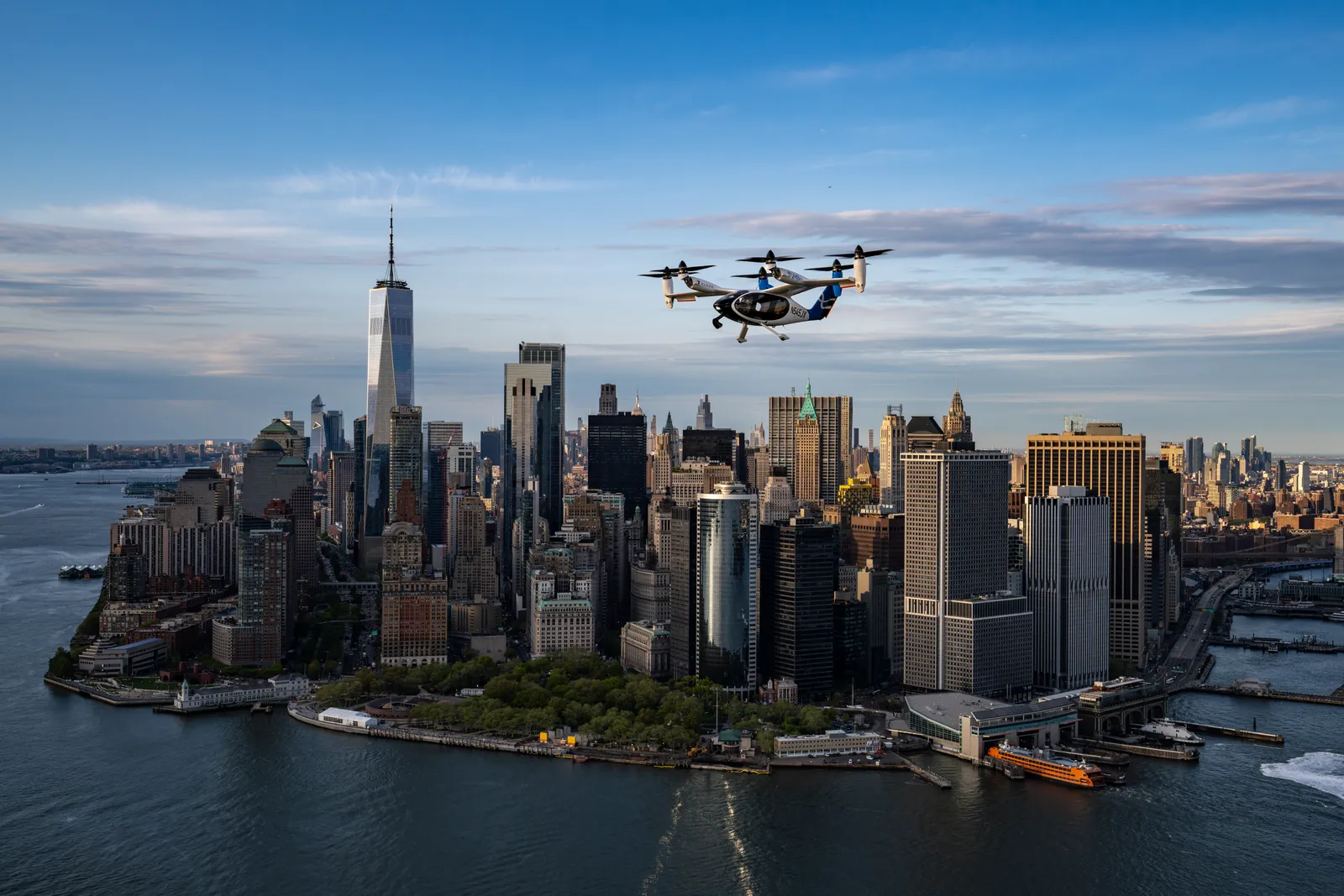
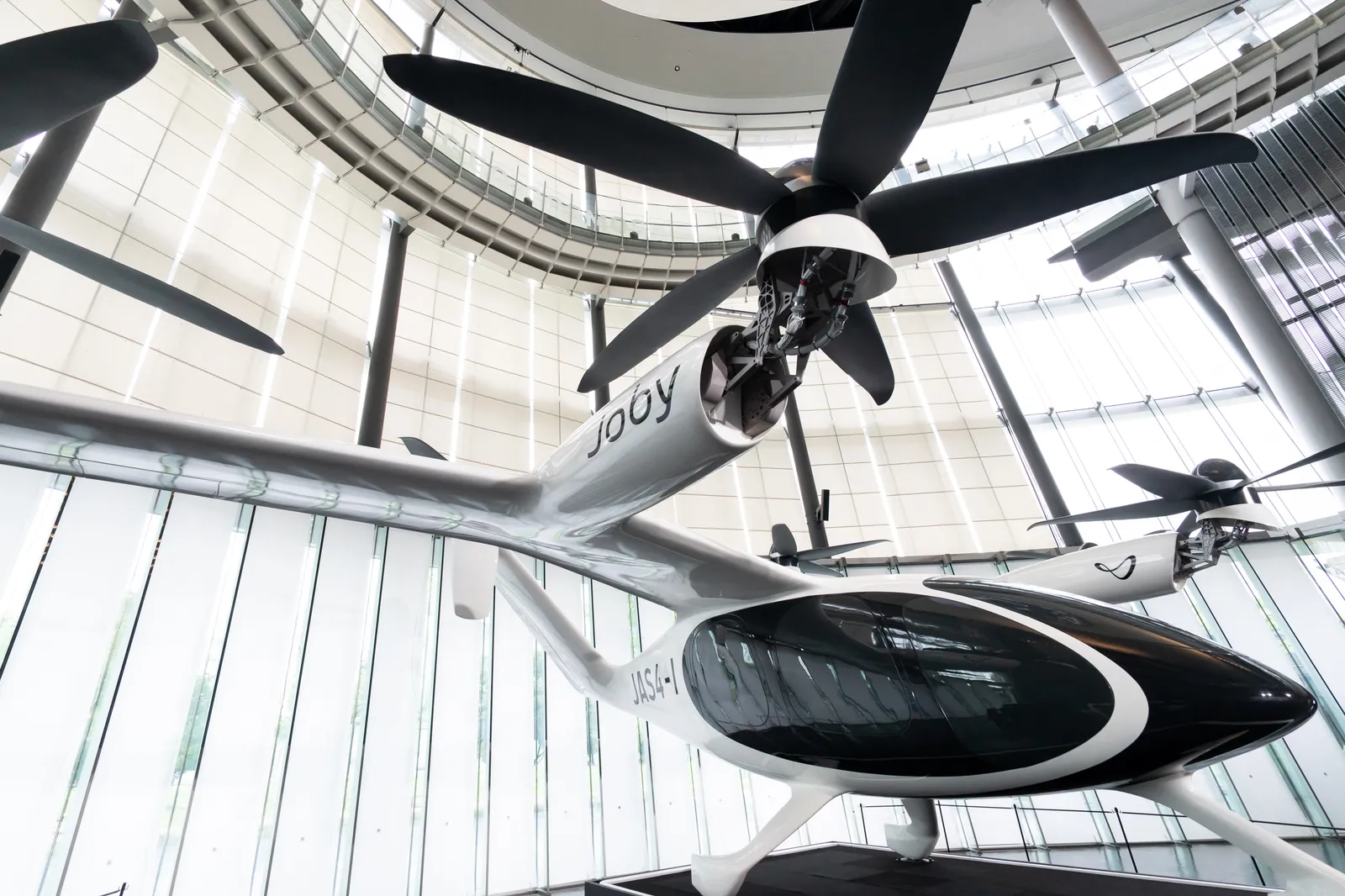
Joby是领头羊之一:该公司于2020年公布了其S4型号的设计,并表示该型号能够以高达每小时200英里的速度,搭载一名飞行员和四名乘客飞行100英里或更远。S4的首飞于去年进行。
Joby was among those leading the charge: In 2020, the company unveiled the design of its S4 model, which it said would be able to carry a pilot and four passengers 100 miles or more at speeds of up to 200 mph. The S4’s maiden flight took place last year.
商业化发射似乎近在咫尺。但最后期限却一再被推迟。事实证明,设计一款会飞的自主机器人只是整个问题的一部分。你还需要设计一个它们能够运作的空域、培训人类去驾驶或监督它们、开发一个它们能够在其中赚钱的经济框架,等等。“这是一场非常重要、安全而谨慎的舞蹈,”鲍尔斯说。
A commercial launch seemed just around the corner. But deadlines kept getting pushed back. As it turned out, engineering a flying autonomous robot was just part of the overall problem. You also needed to design an airspace that they could operate in, train humans to pilot or supervise them, develop an economic framework within which they could earn money, and so on. “It's a very important, safe, careful dance,” says Bowles.
人工智能在欧洲面临着另一种阻力。2017年,飞机制造商空中客车公司和达索公司要求欧盟版本的美国联邦航空管理局——欧洲航空安全局,考虑允许客机由驾驶舱内的单名飞行员操作。传统上,客机需要多名飞行员来分担驾驶飞机的大量工作量,并确保如果一名飞行员失去能力,另一名飞行员能够继续飞行。在空中客车的设想中,自动化系统将承担副驾驶的工作量,甚至在需要时完全接管。
AI faced another kind of resistance in Europe. In 2017, aircraft manufacturers Airbus and Dassault asked the EASA, the European Union’s version of the FAA, to consider allowing airliners to operate with a single pilot in the cockpit. Traditionally, airliners require multiple pilots to divide the considerable workload of flying a plane and to ensure that if one pilot becomes incapacitated, the other can carry on. In Airbus’ vision, automated systems would shoulder the copilot’s workload and even take over entirely if needed.
这个想法让飞行员感到惊恐。代表航空公司飞行员的工会——欧洲驾驶舱协会提出了强烈抗议。该工会在一封电子邮件中向我解释说,此举“将从飞行甲板上撤下一名独立的航空安全专业人员,并让运营方对原本由飞行员做出的安全判断施加更大影响”。去年,欧洲航空安全局搁置了该计划。
That idea horrified pilots. The European Cockpit Association, a union of airline pilots, lodged a strong protest. Such a move “would remove an independent safety professional from the flight deck and give operators greater influence over the safety judgments that a pilot would otherwise make,” the union explained to me in an email. Last year, EASA shelved the plan.
尽管如此,人工智能仍在向前推进。2023年,美国联邦航空管理局开始发放豁免,允许送货无人机进行超出操作员视距的飞行;到今年年底,它可能会将该规则修改永久化。一些重量级巨头已经在激进地推进。今年8月,亚马逊宣布计划在今年年底前将无人机送货服务扩展到全国500个地点。沃尔玛则计划在2027年底前从270个门店位置提供无人机送货。
Nevertheless, AI pressed onward. In 2023, the FAA began issuing waivers to allow delivery-drone flights beyond the visual range of operators; by the end of this year it could make the rule change permanent. Some of the biggest players are already pushing ahead aggressively. This past August, Amazon announced that it planned to expand its drone delivery service to 500 locations across the country by the end of the year. Walmart is planning drone delivery from 270 store locations by the end of 2027.
最终的目标要宏大得多。行业内部人士表示,在该技术发展的宏伟愿景中,数十万架无人机将为美国的大部分或全体人口服务。“在五到十年内,它将无处不在,”无人机技术公司DroneUp的首席运营官安东尼·维托内(Anthony Vittone)去年在为《舍伍德新闻》(Sherwood News)撰写的一篇报道中对我说。“人们会觉得,‘我真不知道以前没有它是怎么过的。’”
The ultimate goal is far larger. Industry insiders say that in a maximal vision of the technology’s build-out, hundreds of thousands of drones will be servicing most or all of the US population. “In five to 10 years, it’s going to be completely ubiquitous,” Anthony Vittone, chief operating officer of the drone technology company DroneUp, told me in a story for Sherwood News last year. “People are going to be, like, ‘I don’t know how I lived without it.’”
Joby和其他电动垂直起降(eVTOL)公司的进展虽然没有那么快,但它们也同样在向前推进。今年4月,Joby完成了纽约市历史上首次电动垂直起降飞机点对点飞行,从约翰·F·肯尼迪机场飞往曼哈顿的三个直升机起降场。该公司已在加利福尼亚州和得克萨斯州执行了类似的飞行,所有这些都在电动垂直起降综合试点项目(eIPP)的主持下进行。
该联邦计划由特朗普政府在今年3月推出,旨在展示现代无人机和电动垂直起降飞机的能力。
Joby and other eVTOL companies haven’t progressed quite as fast, but they, too, are moving ahead. In April, Joby flew the first-ever point-to-point eVTOL flight within New York City, from John F. Kennedy Airport to three heliports in Manhattan. The company has carried out similar flights in California and Texas, all under the auspices of the eVTOL Integration Pilot Program (eIPP), a federal initiative rolled out by the Trump administration this past March to demonstrate the capabilities of modern drones and eVTOLs.
鲍尔斯(Bowles)表示,这些示范飞行只是Joby S4投入运营的“前沿”。接下来将是搭载非付费乘客的示范飞行、搭载付费乘客的示范飞行,最后是运送乘客从A点到B点的飞行。“所有这些都在eIPP的允许范围内,并且受到日益严格的监管,”他说。
These demo flights, Bowles says, are just the “front edge” of the Joby S4’s operational rollout. Next will come demonstration flights with nonpaying passengers, demonstration flights with paying passengers, and finally flights that will take passengers from A to B. “All of that is permitted under eIPP, with increasing levels of oversight,” he says.
起初,这些飞行将配备人类飞行员,但支付一名人类飞行员来运送少数付费乘客的成本非常高;要使这种商业模式在经济上行得通,飞行器必须能够实现自主飞行。如果说自动驾驶对汽车来说是一项严峻的挑战,那么对飞机而言更是如此,因为控制系统一旦发生意外故障,不仅危险,而且很可能是致命的。
To start, these flights will have human pilots, but it’s very expensive to pay one human to fly around a handful of paying passengers; for the model to make any economic sense, the aircraft will have to fly themselves. And if self-driving is a tough challenge for cars, it’s all the more so for aircraft, where an unexpected control system failure isn’t just dangerous but likely deadly.
9月,美国联邦航空管理局宣布,其部署了一家总部位于波斯顿的数据公司——空域智能公司(Air Space Intelligence)构建的软件。这个全新的、由人工智能驱动的工具被称为“空域、航线与轨迹战略管理”(Strategic Management of Airspace, Routes and Trajectories),简称SMART,旨在“从根本上重塑我们管理空域的方式”。
In September, the FAA announced that it deployed software built by the Boston-based data company Air Space Intelligence. The new AI-powered tool is called “Strategic Management of Airspace, Routes and Trajectories,” or SMART, and it’s aimed at “fundamentally reshaping how we manage our airspace.”
政府表示,该程序无意取代管制员,而是通过使用预测性人工智能来化解调度上的难题,从而让他们更容易地完成工作。美国联邦航空管理局局长布赖恩·贝德福德在一份新闻稿中表示:“将SMART与我们持续进行的硬件升级相结合,为我们提供了减少航班延误、优化交通并保持全国空域容量开放的工具——同时维持我们作为黄金标准的安全性。”
The program isn’t intended to replace controllers, the government says, but to make doing their jobs easier by using predictive AI to head off scheduling snags. “Combining SMART with our ongoing hardware upgrades gives us the tools to cut flight delays, optimize traffic, and keep airspace capacity across the country open—all while maintaining our gold standard of safety,” FAA administrator Bryan Bedford said in a press release.
该系统旨在帮助管制员做出决策,而不是代他们做出这些决策。但是,如果程序向系统输入荒谬的信息,人类操作员能够发现这个错误吗?“这就是特朗普/政府效率部/马斯克效应,”这名最近退休的美国联邦航空管理局员工说。由于要求匿名,他表示:“他们在根本不了解国家空域系统复杂性的情况下,强行推进所有这些新技术。”
The system is supposed to help controllers make decisions, not make those decisions for them. But if the program feeds nonsensical information into the system, will human operators be able to catch the mistake? “This is the Trump/DOGE/Musk effect,” says the recently retired FAA employee, who asked to remain anonymous. “They’re pushing through all this new technology without any understanding of the complexity of the national airspace system.”
一些议员也对SMART表示担忧。据报道,在10月13日,近两打民主党议员向政府问责局发送了一封信,要求其审查该项目,并称担心该项目可能会“产生关乎安全的虚假信息”。
Some lawmakers are also concerned about SMART. On October 13, almost two dozen Democratic lawmakers reportedly sent a letter to the Government Accountability Office asking it to review the program, citing fears that it might “hallucinate safety-critical information.”
此外,还有一个问题是SMART是否会加剧空中交通管制员长期短缺的局面。美国联邦航空管理局希望这项技术通过减少所需工人的数量来缓解短缺;然而,其他行业尚未看到人工智能生成的效率真正变为现实。即使该软件没有直接取代人类,这种效率也可能被用来为裁员进行辩解。今年5月,美国联邦航空管理局将其现役空中交通管制员的人员编制目标从2024年的14,633人下调至12,563人,并将其归因于“现代人员配备模式和排班工具”。
Then there’s the question of whether SMART could worsen the chronic shortage of air traffic controllers. The FAA hopes that the technology lessens the shortage by requiring fewer workers; other industries, though, have yet to see AI-generated efficiencies actually materialize. Even if the software doesn’t directly replace humans, the efficiency could be used to justify a workforce reduction. In May, the FAA reduced its staffing target for active air traffic controllers from the 2024 goal of 14,633 down to 12,563, citing “modern staffing models and scheduling tools.”
有些人比其他人更乐观。“我认为SMART项目是一项重要的改进,”斯基亚沃说。“没有人愿意看到当前的航空环境,空中相撞、跑道侵入、无数次险情、航班延误、停飞、间隔丧失以及漫长的滑行或放行等待时间。”
Some are more optimistic than others. “I think the SMART program is an important improvement,” Schiavo says. “No one wants the current aviation environment with midairs, runway incursions, myriad near misses, delays, groundings, loss of separation, and long taxi or clearance wait times.”
安柏瑞德航空航天大学空中交通管理教授迈克尔·麦考密克也看到了预测工具的优势。“当你拥有计算能力来查看飞机的整个飞行轨迹时,你就能看出冲突将在哪里发生,”他说。
Michael McCormick, a professor of air traffic management at Embry-Riddle Aeronautical University, also sees advantages to a predictive tool. “When you have the computing capability to look at the entire trajectory of the aircraft, you can see where the conflicts are going to be,” he says. “And the general axiom in air traffic control is that the sooner you know about a potential conflict, the less effort is required to resolve it.”
“空管领域的通用公理是:越早发现潜在冲突,解决它所需的精力就越少。”
That sounds great, but building machines that do a good job most of the time is one thing; machines that can function at the level of reliability required by aviation is another. At present, researchers are focusing on so-called deterministic neural networks—models trained offline whose weights are frozen before being deployed in the real world. These can’t hallucinate, but they may harbor other risky failure modes. In a 2021 paper, Darren Cofer, a researcher at Collins Aerospace, pointed out that when such systems find themselves in situations they haven’t encountered before in training, they can generate “unexpected (and potentially dangerous) outputs.”
这听起来很美好,但制造出大多数时候表现良好的机器是一回事;制造出能达到航空领域所要求的可靠性水平的机器则是另一回事。目前,研究人员正专注于所谓的确定性神经网络——即离线训练、在部署到现实世界前权重被冻结的模型。这些模型不会产生幻觉,但可能隐藏其他有风险的失效模式。在一篇 2021 年的论文中,柯林斯航空航天公司的研究人员达伦·科弗指出,当此类系统遭遇训练中未曾遇到的情境时,可能会生成“意外(且潜在危险)的输出”。
The stakes will be even higher when AI software starts making real-time air traffic control decisions, which will start in airspace devoted to autonomous aircraft. According to McCormick, that’ll most likely be select corridors near drone hubs and eVTOL vertiports. With swarms of robot aircraft zipping back and forth, things will be too hairy for human pilots and controllers. “The objective is not to use traditional air traffic control,” he says, “because it would overwhelm the national airspace system if it tried to handle that volume and complexity of airframes moving around.”With two systems working side by side—one with human decisionmakers, the other with AI—we’ll have a real-time basis to compare the performance of both approaches. Any computer-based system can potentially be hacked; any AI system creative enough to ideate novel solutions could also hallucinate crucial details. Without a human in the loop, seemingly obvious mistakes might go unnoticed until it’s too late.
当 AI 软件开始做出实时空管决策时,赌注将更高,这将从专用于自主飞行器的空域开始。据麦科米克称,那很可能是无人机枢纽和 eVTOL(电动垂直起降飞行器)垂直起降港附近的特定走廊。随着成群的机器人飞机来回穿梭,情况将过于复杂,人类飞行员和管制员难以应对。他说:“目的不是使用传统空管,因为如果传统空管试图处理那么大体量、那么复杂的飞行器流动,将会淹没国家空域系统。”
随着两套系统并行运行——一套由人类决策者主导,另一套由 AI 主导——我们将拥有一个实时依据来对比两种方法的表现。任何基于计算机的系统都可能被黑客攻击;任何足够有创造力、能构思新颖解决方案的 AI 系统也可能在关键细节上产生幻觉。没有人在回路中,看似显而易见的错误可能直到为时已晚才被发现。
Let us know what you think about this article. Submit a letter to the editor at mail@wired.com.