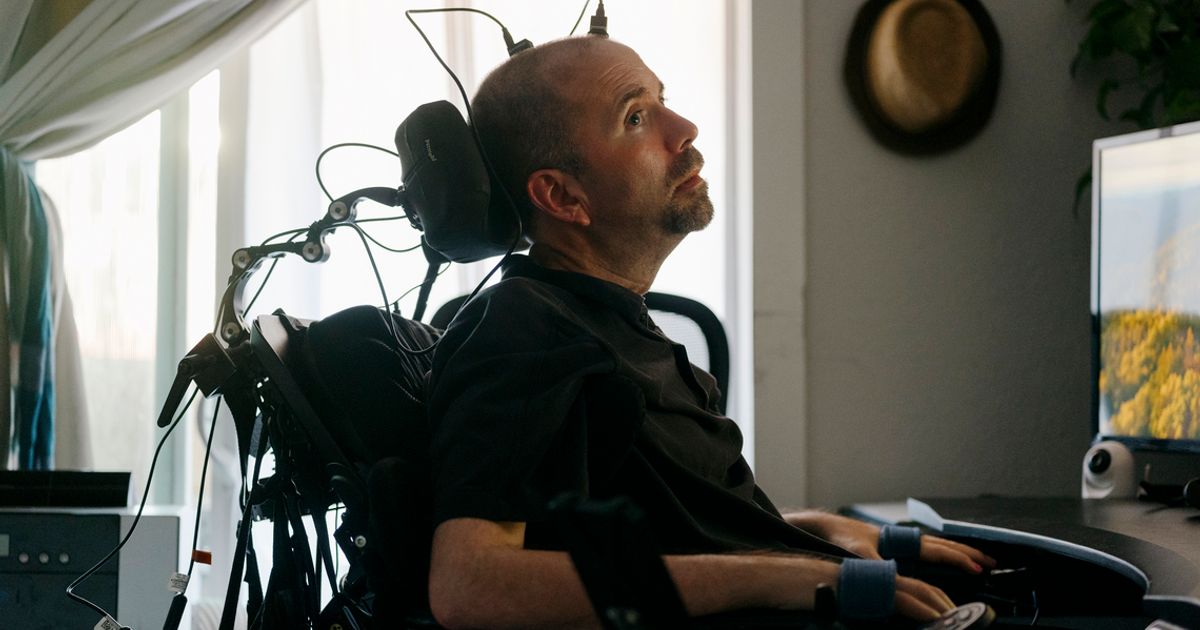
加州大学戴维斯分校的研究人员表示,该系统现在能够实现“基本无延迟的实时交流”,延迟仅为 10 毫秒,重新分析后单词可懂度提升至 94%。
Carolyn Johnson Brain implants and AI helped a 46-year-old man with ALS speak again, and a 58-year-old former singer sing a scale. The work will be shown at the Society for Neuroscience conference.
研究团队还为一名代号为 T21 的女性恢复了语调和音高,她激动得流下了眼泪。专家指出,仍需进行实时测试并开发完全可植入的系统。
UC Davis researchers said the system now gives “real communication” with a 10-millisecond delay, and reanalysis raised word intelligibility to 94%. The team also restored tone and pitch for a woman known as T21, who cried tears of joy.
实验性脑植入体解码了一名因肌萎缩侧索硬化症(ALS)失去声音的 46 岁男性的脑信号,并将其直接转化为可理解的语音。一名 58 岁的受过训练的女歌手,其声音因该病逐渐消失,也能够唱出一个音阶。
Experts said real-time tests and fully implantable systems are still needed. AI generated Brain signals from a 46-year-old man who lost his voice to ALS were decoded by experimental brain implants and translated directly into intelligible speech. A 58-year-old woman, a trained singer, whose voice was gradually silenced by the disease, was able to sing a musical scale.
下周将在华盛顿举行的神经科学学会年会上展示的加州大学戴维斯分校最新进展表明,脑机接口研究正从概念验证演示迈向日常实用阶段。
The new advances from researchers at the University of California, Davis, to be presented next week at the Society for Neuroscience conference in Washington, demonstrate that research into brain-computer interfaces is crossing from proof-of-concept demonstrations into everyday usefulness.