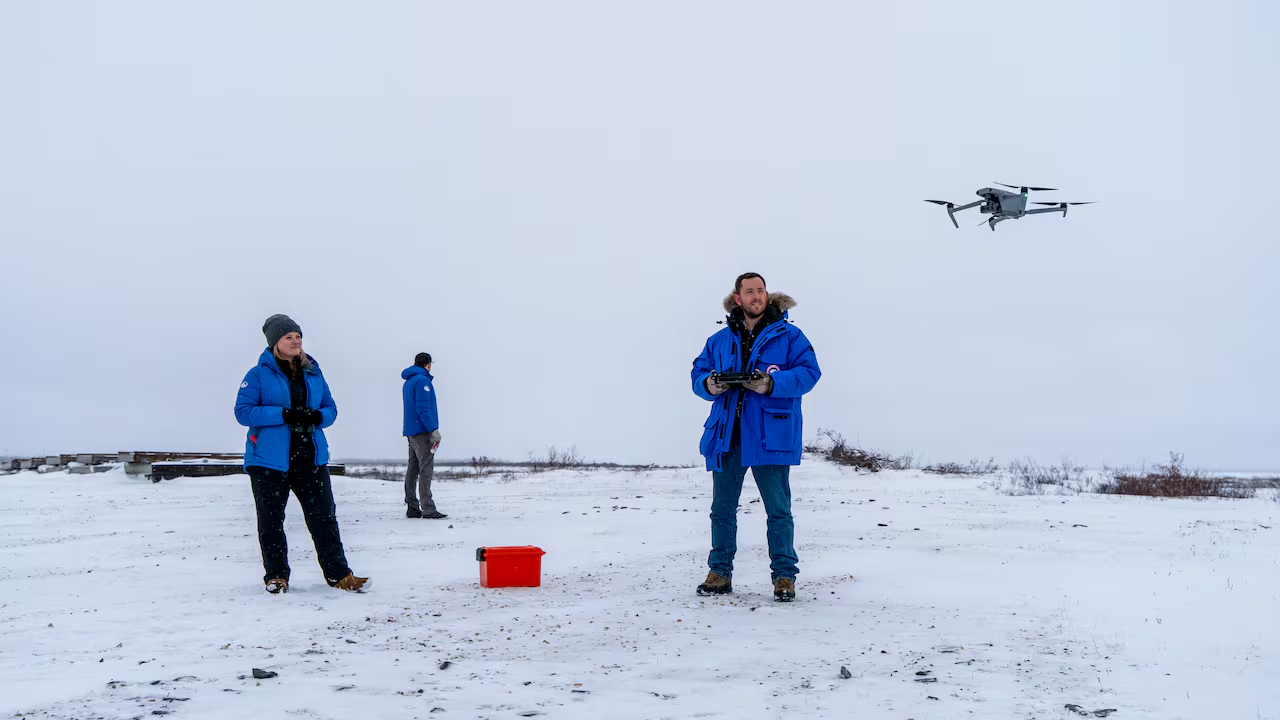
研究人员凯尔·加勒特正盯着取景器,看着他的无人机起飞,发出巨大的嗡嗡声,贴着曼尼托巴省丘吉尔的亚北极苔原低空疾驰。
Researcher Kyle Garrett is looking at the viewfinder as his drone takes off, making a loud whirring sound as it zips low over the subarctic tundra in Churchill, Man.
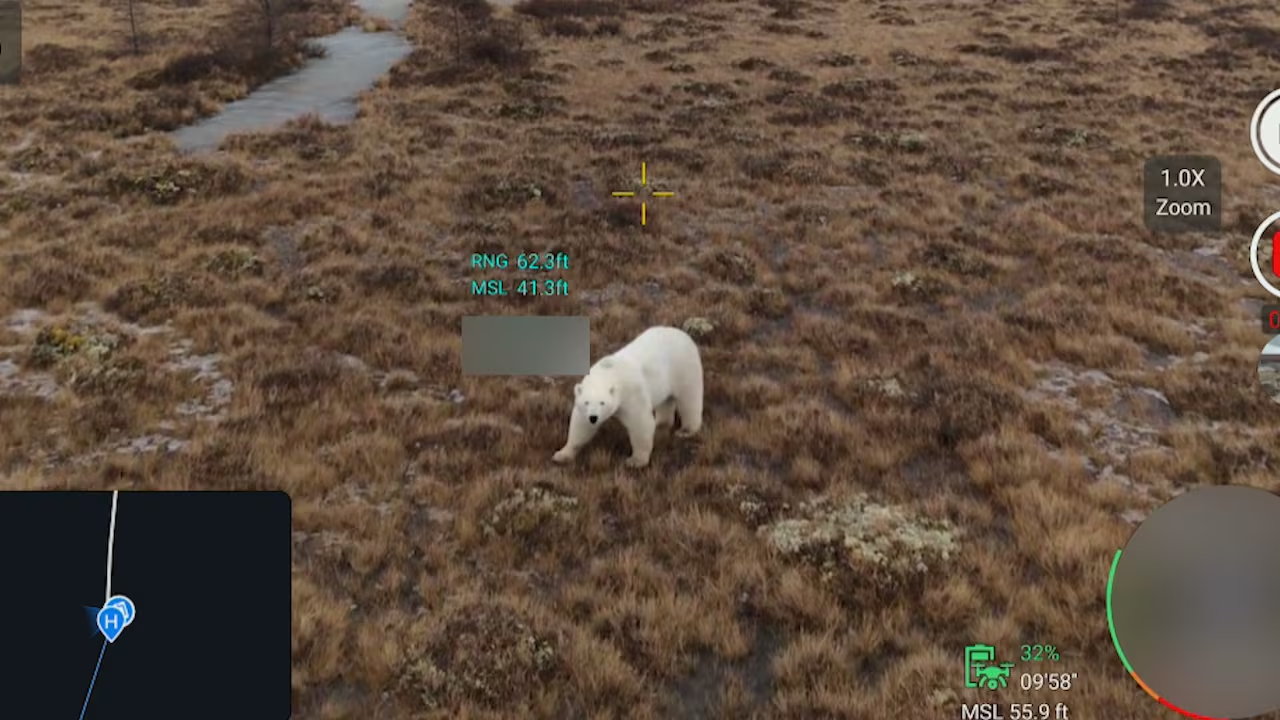
很快,他发现了一只独自游荡的成年北极熊,它正直勾勾地盯着无人机的摄像头。
Soon, he spies a lone adult polar bear, which looks right at the drone's camera.
加勒特说:“我们想看看,这会不会吓到它们?能不能把它们赶到我们想让它们去的地方?”一瞬间,熊低下头、张开站姿,摆出防御姿态,正在评估一个它极可能从未见过的陌生物体。
"We want to see, does it scare them?" said Garrett. "Does it steer them into places we want them to go?" For a split second, the bear ducks its head and broadens its stance defensively, as it assesses a foreign object it's likely never encountered before.
加勒特是犹他州杨百翰大学的硕士生,正在尝试空中无人机驱赶,这是一种新兴的野生动物管理技术,目前正被美国农业部和联邦航空管理局使用。
Garrett, a master's student from Utah's Brigham Young University, is experimenting with aerial drone hazing, an emerging wildlife management technique currently being used by the U.S. Department of Agriculture and Federal Aviation Administration.
虽然研究表明无人机驱赶对美洲黑熊有效,但加勒特想弄清它对北极熊——一种体型更大、更好奇、也更具攻击性的物种——是否奏效。目标是将这项技术适配到加拿大北部,试图降低管理北极熊的风险。为何驱熊迫在眉睫在丘吉尔周边,北极熊驱赶是个严峻问题,需要严肃的平衡。
While studies have shown drone hazing to be effective on black bears, Garrett is trying to see if it works with polar bears — a bigger, more curious and more aggressive species. The goal is to adapt the technology to Canada's North and try to take some of the risk out of managing the bears. Why bear deterrence is a pressing concern Around Churchill, polar bear deterrence is a serious issue requiring serious balance.
这个小镇坐落在哈德逊湾西南岸,距温尼伯以北约1000公里,自称为“世界北极熊之都”。
The town, which is located on the southwestern shore of Hudson Bay, roughly 1,000 kilometres north of Winnipeg, is the self-proclaimed polar bear capital of the world.
它正处在地球上最大陆地掠食者——北极熊——最大种群之一的迁徙路径中部。每年秋天,成千上万的人来到这里,观看北极熊聚集在哈德逊湾岸边,等待海湾结冰。《怪诞与量子》 无人机助力驱熊技术升级北极熊冬季在海冰上捕猎,但气候变暖导致海湾结冰变得不那么可预测,且在秋季推迟。
It sits in the middle of the migration path for one of the largest populations of the largest land predator on earth. And every fall, thousands of people come to watch the bears gather on the shores of Hudson Bay to wait for it to freeze. Quirks and Quarks Bear hazing goes high-tech with drones The bears spend their winters hunting on the sea ice, though the warming climate has meant the bay ices over less predictably and later in the fall.

萨斯喀彻温大学北极熊与人类冲突专家道格·克拉克说:“熊在冰面外停留的时间越长,它们进入人类活动区域的可能性就越大。”
"The longer the bears are off the ice the more likely the bears are to come where people are," said Doug Clark, an expert on polar bear-human conflicts at the University of Saskatchewan.
“这些不仅仅是瘦弱绝望的熊,而是所有的熊,它们都会到处游荡,这造成了你必须时刻保持警惕的局面。”北极熊实验 今年秋天,加勒特正在丘吉尔以及安大略省北部和努纳武特地区的几个社区开展这项实验。
"These aren't just skinny desperate bears, it's all bears, they all will come around [and] that creates situations that you certainly need to be on guard in." The polar bear experiment This fall Garrett is running the experiment in Churchill along with a couple of communities in northern Ontario and Nunavut.
在他的无人机现场视频中,随着加勒特驾驶无人机飞得更近、直接飞到熊的上空,并通过转向和刹车让无人机发出更大的嗡嗡声,这只熊开始显得很好奇。
In his drone video from the field, the bear begins to look curious as Garrett flies closer and directly over it, turning and braking the drone to make more loud whirring sounds.
无人机离熊足够远,不会碰到它,但又足够近,让它感到不适,很快,熊就开始朝加勒特试图驱赶的方向走去。
The drone is far enough away to not touch the bear, but close enough to make it uncomfortable, and soon the bear starts to walk in the direction that Garrett is trying to nudge it.
“一旦它意识到‘嘿,我不太喜欢这样’,它们就会离开,”加勒特说。
"Once it kind of realizes, 'hey, I don't really like that,' then they move on their way," said Garrett.
“这里也是它们的领地”:丘吉尔居民如何学会与北极熊共存 随着气候变暖威胁北极熊旅游业,丘吉尔适应并发展 他表示,总有一天,保育官员可能能够从办公室的安全环境中驱赶熊,防止它们过于接近人类。
'It's their area too': How people in Churchill have learned to live with polar bears Churchill adapts and thrives as warming climate threatens polar bear tourism One day, he says, it might be possible for a conservation officer to deter a bear from coming too close to humans from the safety of their office.
“我们主要考虑的是我们能离动物多远,同时仍能将其驱离特定区域。”北极熊曾有接近和攻击人的记录。每年这个时候,居民们都不锁门,以防有人需要迅速躲避北极熊。
"We're mainly thinking about the distance we can be from the animal while hazing it out of areas." Polar bears have been known to approach and attack people. This time of year, residents leave doors unlocked in case someone needs to get away from a bear quickly.
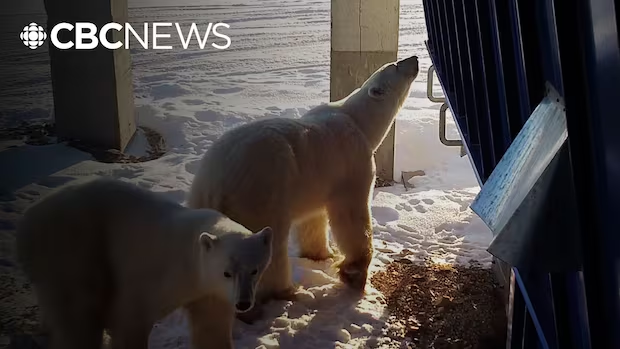
随着冰层缩小,更多北极熊正在与人类相遇 3月4日 时长 曼尼托巴政府追踪丘吉尔的“熊出没事件”。一次事件可能仅是目击到熊,也可能是实际的对峙。
As ice floes shrink, more polar bears are encountering humans March 4 Duration The Manitoba government tracks "bear occurrences" in Churchill. An occurrence can range from simply a bear sighting to an actual confrontation.
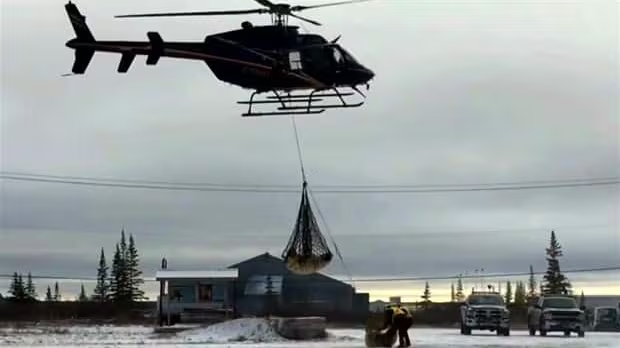
根据该省最新报告,这个熊季已发生近300起事件。其中15起导致保育官员捕获了熊,要么将其迁移,要么关进丘吉尔专门的“北极熊监狱”,这是一个设在旧机库里的设施,用于关押麻烦熊,直到海冰形成。
According to the province's latest report, this bear season there have been nearly 300 occurrences. Fifteen of those have resulted in bears being captured by conservation officials, either to be relocated or held in Churchill's special "polar bear jail," a facility in an old military hanger where problem bears can be held until the ice forms.
2017年10月19日 该镇运行着一项“北极熊警报”计划,长期以来一直依赖公众和自然资源保护官员报告北极熊踪迹。现在,PBI正寻求技术手段。
October 19, 2017 The town runs a Polar Bear Alert program, which has long relied on the public and conservation officers to call in bear sightings. Now, PBI is looking to technology.
除了用于威慑和监视的无人机,PBI还在试验其所谓的“熊达”(Bear-dar),这是一种雷达系统,专门用于探测靠近城镇的北极熊,同时还配合一个名为“熊视”(Bear-vision)的移动监控摄像头网络。
In addition to drones for deterrence and surveillance, it is also experimenting with what it calls Bear-dar, a radar system focused on detecting bears nearing town along with a network of mobile surveillance cameras it's calling Bear-vision.
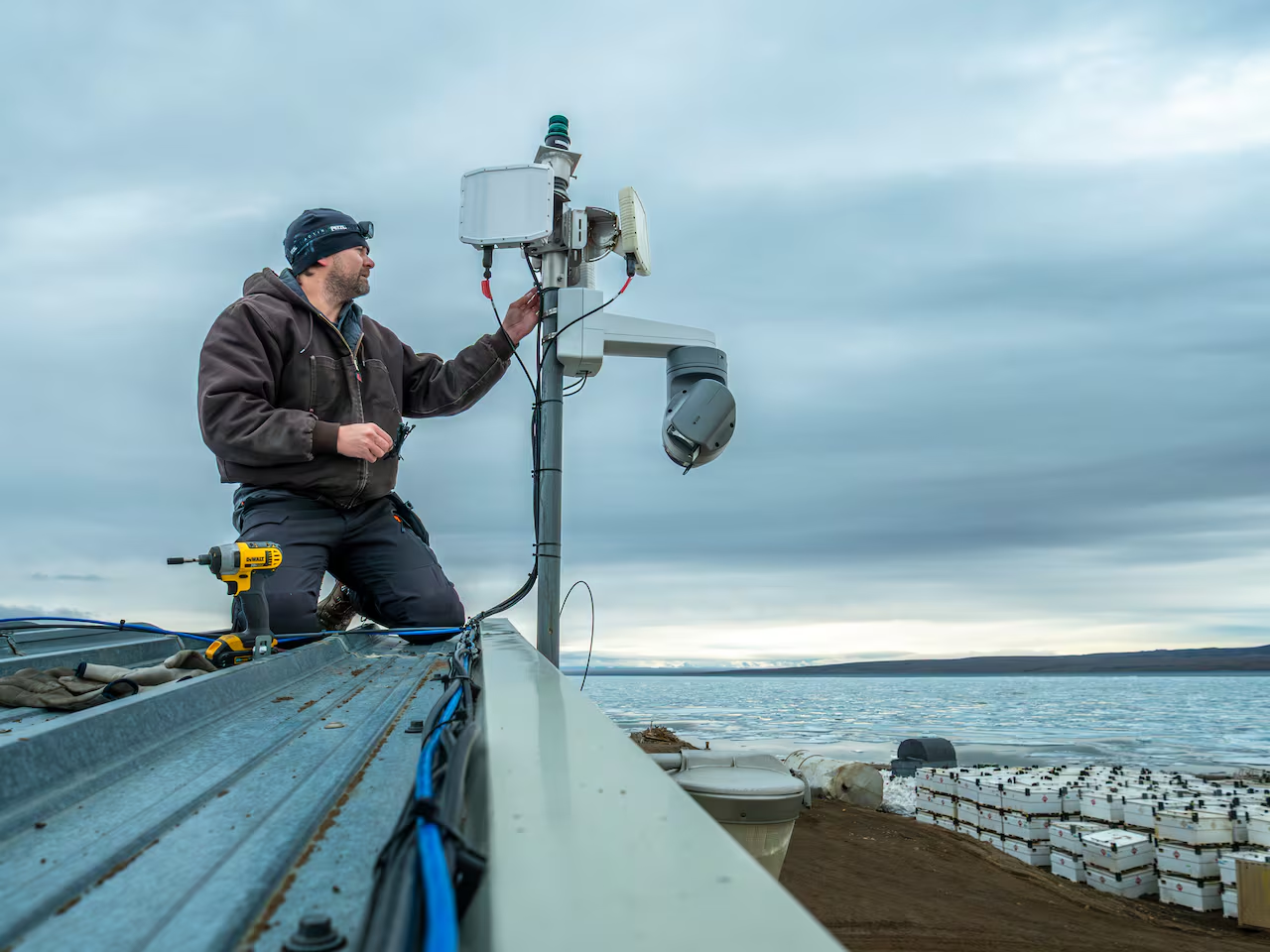
PBI科学与政策副总裁Geoffrey York表示:“我们希望引入额外的监视手段。”
"We want to bring additional eyes to the table," said Geoffrey York, vice president of science and policy for PBI.
“这将使自然资源保护官员拥有一套成本相对较低、可移动的系统,他们可以在野外部署,从而对问题区域进行监控。”
"This would allow conservation officers to have a fairly low cost system that could be portable, something they could deploy in the field that would give them eyes on kind of problem spots."
研究仍需解决的问题 关于无人机,Garrett表示,在加拿大崎岖的北部地区,仍有许多关于其局限性的知识需要获取,包括设备在严寒中的可靠性如何。
Questions the research still has to answer As for the drone, Garrett says there is still a lot to learn about its limitations in Canada's rugged north, including how reliable the equipment is in the cold.
但最大的问题在于北极熊本身——它们如何反应并可能适应。目前有效的手段,未来可能会失去效力。
But the biggest questions are about the bears themselves — how they react and possibly adapt. It's possible that something that works now may lose its effectiveness over time.
Garrett说:“如果某只北极熊频繁甚至每天都遭遇无人机,它很可能会对其产生习惯化。”但他表示,早期结果令人鼓舞。“确保安全,让北极熊保持野性。这是我们的期望。”
"If a certain bear is droned often or daily it very well could become habituated to it," said Garrett. But he says early results are promising. "Be safe, and keep the bears wild. That's what we're hoping for."
女子讲述在丘吉尔遭北极熊袭击的惊险经历 划艇者在曼尼托巴省哈德逊湾沿岸射杀一只北极熊,省政府证实
Woman recounts harrowing attack by Churchill polar bear Paddler shoots and kills polar bear along Hudson Bay coast in Manitoba, says province