
直到20多岁中期,凯瑟琳·莫罗尼说,由于口吃,她“非常害怕”说话。
Up until her mid-20s, Catherine Moroney says she was "very frightened" of speaking because she stutters.
“我无法掩饰自己的口吃,”居住在加利福尼亚州帕萨迪纳的莫罗尼告诉《今日美国》。“多年来,如果有人问起此事,我会扭来扭去,躲躲藏藏。”美国口吃协会表示,口吃的频率和严重程度因人而异,并以不同方式干扰言语的自然流动。总部位于田纳西州孟菲斯的口吃基金会称,全球有超过8000万人受其影响。
"I can't hide my stuttering,” Moroney, who lives in Pasadena, Calif., told . "For many years, I would squirm and hide if asked about it." Stuttering varies in frequency and severity from person to person, and it can disrupt the natural flow of speech in different ways, the National Stuttering Association in the U.S. says. According to the Stuttering Foundation, based in Memphis, Tenn., it affects more than 80 million people worldwide.

口吃的人可能会重复发音或单词,拉长某些发音,或出现阻塞——即努力说出一个词的时刻,尽管他们确切知道自己想说什么。
Someone who stutters might repeat sounds or words, stretch out certain sounds or experience a block — a moment when they struggle to get a word out, even though they know exactly what they want to say.
现在,一套首创的跨学科共识指南,于8月在《精神病学时报》上发表,呼吁将口吃视为一种基于大脑的复杂状况,而不仅仅是言语问题。
Now, a first-of-its-kind set of interdisciplinary consensus guidelines, published in the journal Psychiatric Times in August, is calling for stuttering to be recognized as a complex, brain-based condition rather than simply a speech problem.
对于口吃者来说,言语中断会让日常互动变得出人意料地困难,59岁的莫罗尼说,她是加拿大口吃协会董事会秘书。尽管她作为物理学家和软件工程师在美国生活和工作多年,但她在加拿大长大并接受教育,拥有加拿大和美国双重国籍。
For people who stutter, disruptions in speech can make everyday interactions unexpectedly difficult, said Moroney, 59, who is the secretary on the board of directors at the Canadian Stuttering Association. While she has lived and worked in the U.S. for many years as a physicist and software engineer, she was raised and educated in Canada and holds Canadian and U.S. citizenship.
她说,处理电话客服可能会令人沮丧,因为自动系统无法识别口吃的言语,而客服人员则会挂断电话,而不是花时间倾听。在紧急情况下,口吃者在尝试拨打911时,也可能“无法快速传达必要信息”。
Dealing with customer service over the phone can be frustrating, she said, when automated systems fail to recognize stuttered speech and the agents themselves hang up rather than take the time to listen. In emergencies, people who stutter might also be "unable to impart the necessary information quickly" when attempting to call 911.
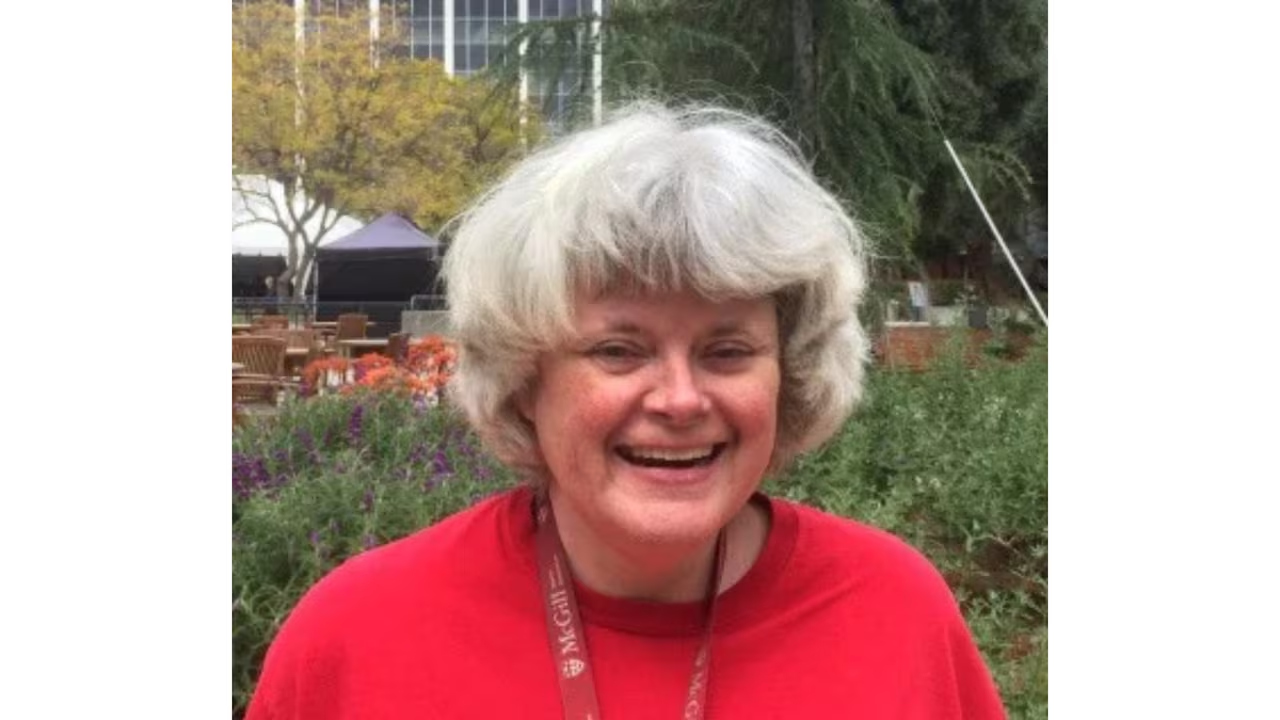
口吃者可能会放弃追求个人和职业机会。莫罗尼说,他们可能会遭到他人的轻视反应,包括有人在听到他们口吃后,“突然中断所有进一步沟通的尝试”。
People who stutter might hold back from pursuing personal and professional opportunities. They can face dismissive reactions from others, Moroney said, including people who "suddenly disengage from all attempts at further communication" after hearing them stutter.
指南呼吁重新思考口吃问题。美国口吃治疗与研究学会创始人、本人也有口吃的杰拉尔德·马奎尔博士说,对有口吃的人来说,想要说出想说的话“在身心上都非常疲惫”。
Guidelines call for rethinking of stuttering Dr. Gerald Maguire, founder of the U.S.-based Stuttering Treatment and Research Society and a person who stutters, said it's "physically and mentally exhausting" for someone with the condition to think of the words they want to say.
马奎尔召集了一个由35名医生、言语语言病理学家、研究人员和口吃者组成的专家组,制定新指南。
Maguire convened a 35-member panel of physicians, speech-language pathologists, researchers and people who stutter to develop the new guidelines.
指南呼吁更加个性化的治疗,认识到口吃对不同人的影响不同,治疗应反映每个人的需求,而不是采取一刀切的方法。
They call for more individualized treatment, recognizing that stuttering affects people differently and that care should reflect each person's needs rather than a one-size-fits-all approach.
马奎尔说,医疗保健领域最大的误解之一是,口吃仅仅是一种人们会长大后克服的儿童状况,或者是一种可以通过言语治疗矫正的行为习惯。马奎尔还担任加州长滩市学院医学中心的住院医师培训主任和精神病学系主任。“口吃方面一直缺乏知识和培训,”他说。
One of the biggest misconceptions in health care is that stuttering is simply a childhood condition people will outgrow, or a behavioural habit that can be fixed with speech therapy, said Maguire, who's also director of residency training and chair of psychiatry at College Medical Center in Long Beach, Calif. "There's just been just a lack of knowledge and a lack of training on stuttering," he said.
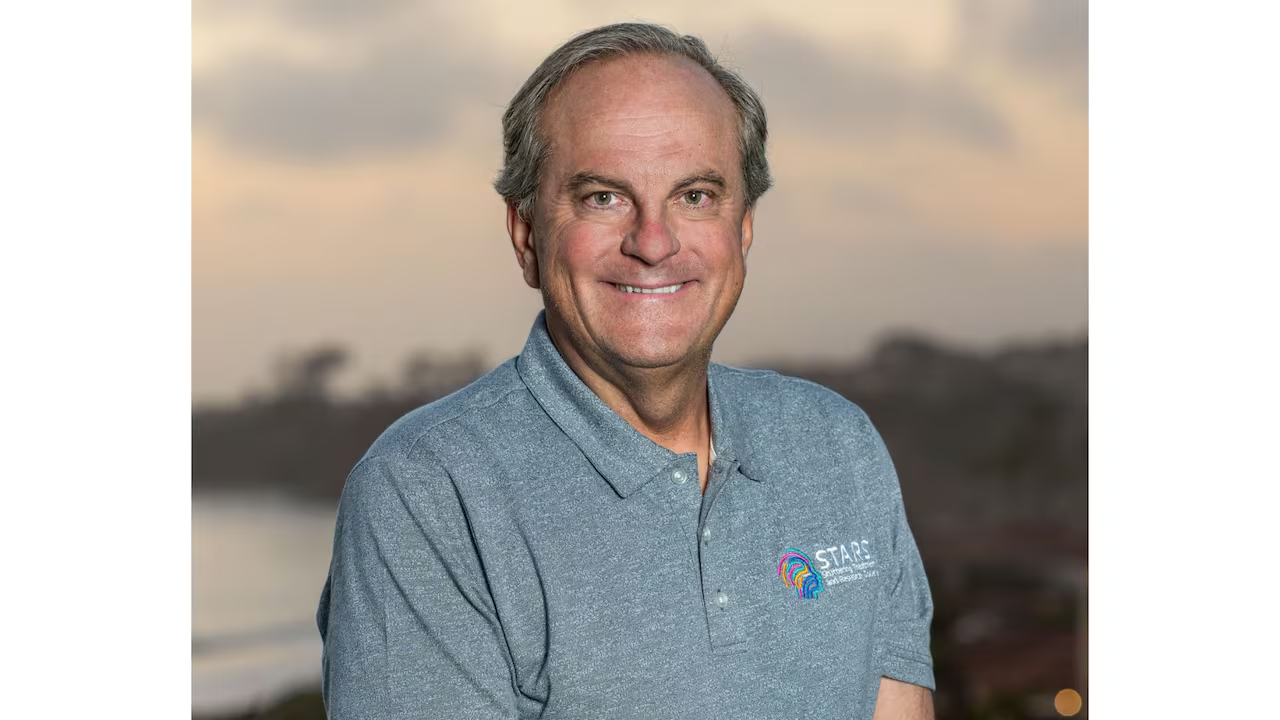
马奎尔说,将口吃视为一种基于大脑的状况,有助于驳斥常见的误解,并为“多种治疗方法”打开大门,将“不同形式的生物或医学疗法与不同形式的谈话疗法”相结合。
By recognizing stuttering as a brain-based condition, Maguire said, it could help dispel common myths and open the door to "multiple treatment approaches," combining "different forms of biological or medical therapies with talk therapies of different forms."
“这不是一种万能药,”马奎尔说。“就像我们治疗抑郁症或焦虑症一样,将是一种组合。”他还说,这还意味着让言语语言病理学家对口吃的神经科学有更扎实的基础,并“让口吃者拥有更好的治疗选择”。
“It’s not just one magic potion,” Maguire said. "Just like [how] we treat depression or anxiety, it's gonna be a combination." It would also mean giving speech-language pathologists a stronger grounding in the neuroscience of stuttering and "empower individuals who stutter to have better treatment options," he said.
研究口吃者的大脑 密歇根大学安娜堡分校精神病学教授、研究口吃神经学基础的苏·恩·张表示,这些指南是一份“有价值的文件”,因为它们呼吁“对口吃治疗采取更全面的方法,并强调个性化而非统一管理策略的重要性”。她说,目前,与专门治疗口吃的言语语言病理学家进行言语治疗被视为“金标准”治疗方法。
Studying the brains of those who stutter Soo-Eun Chang, a professor of psychiatry at the University of Michigan in Ann Arbor who studies the neurological basis of stuttering, said the guidelines are a "valuable document" because they call for "a more comprehensive approach to stuttering therapy and highlight the importance of an individualized, rather than a uniform management strategy." For now, speech therapy with a speech-language pathologist who specializes in stuttering is considered the "gold standard" treatment, she said.

传统方法教导人们一些技巧,帮助他们改变说话方式,包括分解呼吸方式、发出单词的声音以及嘴巴和舌头的位置,以帮助他们“产生流畅的言语”。
Traditional approaches teach people techniques that help them change how they produce speech, including breaking down how they breathe, start the sounds of a word, and position their mouths and tongues to help them "produce fluent speech."
但张表示,虽然这些技巧可以帮助一些人说话更流畅,但它们“往往不会持久[并且]效果有限”。这是因为说话,很像走路一样,通常是自动进行的,有意识地思考每一个动作会让说话感觉像是一件“非常费力且不自然的事情”。张表示,这些指南也带来了“非常受欢迎的意识”,特别是因为口吃研究仍然是一个相对“微小的细分领域”。
But while these techniques can help some people speak more fluently, Chang said it "oftentimes does not stick [and] has limited effects." That's because speaking, much like walking, is usually automatic, so consciously thinking through each movement can make speech feel like a "very effortful and non-natural thing." The guidelines also bring "a very welcome awareness," particularly as research into stuttering remains a relatively "tiny niche field," Chang said.

在她自己的研究中,她收集了口吃儿童的脑部扫描,希望找出那些最终康复者与口吃持续者之间大脑结构的早期差异。
In her own research, she collected brain scans of children who stutter, hoping to identify early differences in brain structure between those who eventually recover and those whose stuttering persists.
她的初步研究结果表明,从口吃中恢复的儿童,大脑“白质束”中的连接更强——白质束是“连接大脑不同部位的电缆,可能对于支持流畅的言语控制至关重要”。纽芬兰与拉布拉多省口吃团体帮助人们在孤立时期找到自己的声音。埃德蒙顿研究所帮助口吃者以不同的方式看待自己。然而,在口吃持续存在的儿童中,这些连接似乎趋于平稳,这表明他们的大脑随时间发展存在差异。
Her preliminary findings suggest that children who recover from stuttering develop stronger connections in the "white matter tracts" of the brain — "electrical cables that interconnect between different parts of the brain that might be key in terms of helping support fluent speech control." N.L. stuttering group helping people find their voice in times of isolation Edmonton institute helps people with stutters see themselves differently In children whose stuttering persists, however, the connections appear to plateau, suggesting differences in how their brains develop over time.
张说,这项研究最终可能有助于识别哪些儿童更有可能继续口吃,而不是采取等待观察的方法,这种方法可能会导致错失早期干预的机会。
The research, Chang said, could eventually help identify which children are more likely to continue stuttering, rather than take a wait-and-see approach that could potentially lead to a missed opportunity for early intervention.
她说,这也可能帮助研究人员确定大脑在恢复期间哪些区域变得更强,从而为新的治疗方法提供参考,例如鼓励这种生长的脑刺激技术。“行动呼吁”马奎尔说,新指南是一项“行动呼吁”和起点,因为该领域还有大量工作要做,他补充说,这样做很紧迫,因为这种状况可能会影响人们的生计。
It could also help researchers pinpoint which areas of the brain become stronger during recovery, potentially informing newer treatments, such as brain stimulation techniques to encourage that growth, she said. A 'call to action' The new guidelines are a "call to action" and starting point, as there's still much work to be done in the field, Maguire said, adding there's an urgency to do so because the condition can affect people's livelihoods.
他说:“当今人们……仍然因为口吃而受到歧视。我们有数据表明,口吃者就业不足。“我们不希望下一代的其他口吃者被告知就忽略它。”
"People today ... are still being discriminated against for stuttering," he said. "We have data that people who stutter are underemployed. "We don't want other people [who stutter] in the next generation to be told to just ignore it."

凯瑟琳·莫罗尼也认为,这些指南是鼓励更多口吃研究、帮助口吃者以及支持他们的人更好地理解这种状况的重要一步。
Catherine Moroney also sees the guidelines as an important step toward encouraging more research into stuttering and helping people who stutter — as well as those who support them — better understand the condition.
莫罗尼说,当她接受言语治疗时,完成课程时最初说话很流利,但几个月后“所有进步都失去了”。直到她与口吃群体建立联系并参加了第一次会议,她才意识到自己并不孤单。
Moroney said that when she underwent speech therapy, she initially spoke fluently when she completed the program but then "lost all those gains a few months later." It wasn't until she connected with the stuttering community and attended her first conference that she realized she wasn't alone.
从那以后,莫罗尼建立了物理学家和软件工程师的职业生涯,包括为美国宇航局分析卫星数据的工作。“[我]终于学会了公开自己的口吃,并学会了如何接受它和我自己。”
Since then, Moroney has built a career as a physicist and software engineer, including work for NASA analyzing satellite data. "[I] finally [learned] to be open about my stuttering and learn how to accept it and myself."