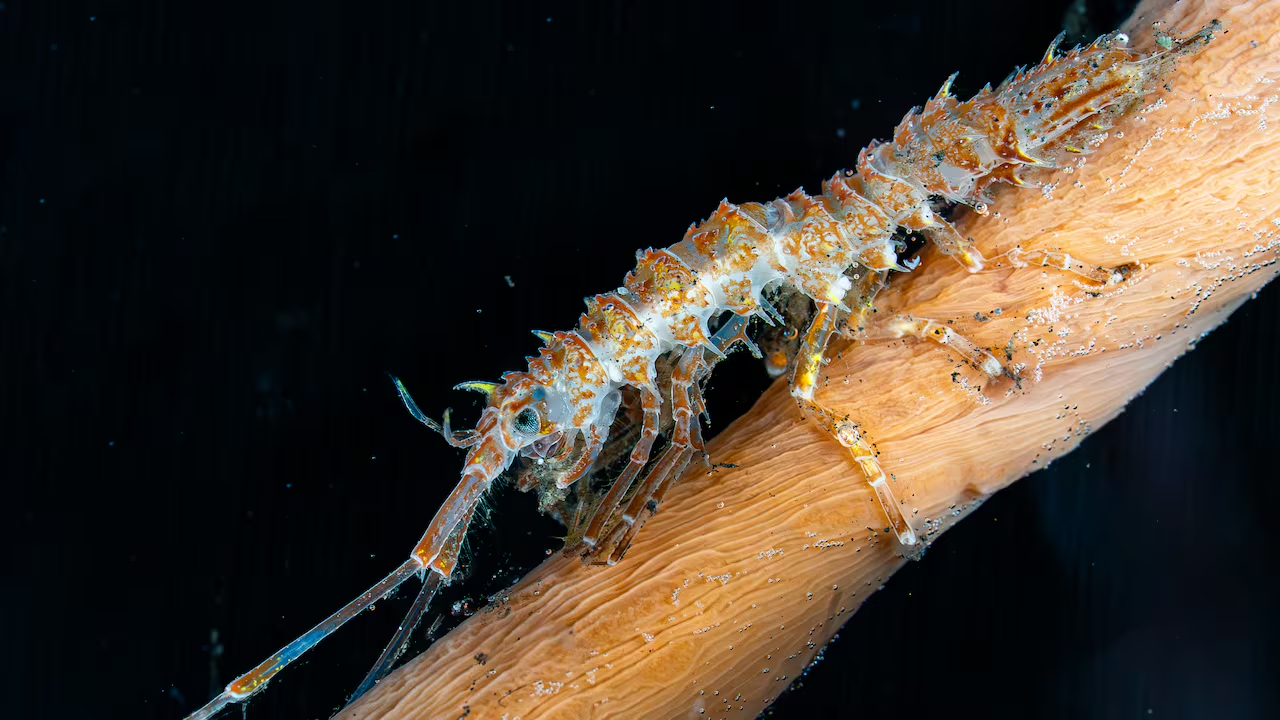
科学家表示,对海洋中生活着什么生物知之甚少,正在阻碍保护海洋的努力。因此,许多人正在竞相发现并记录海洋环境中那些野生且多样的物种,而这些环境往往难以让人类进入。
Scientists say not knowing what lives in our oceans is holding back efforts to protect them. Because of that, many are racing to discover and document the wild and diverse species in marine environments that are often hard for humans to access.
“海洋普查”是一个由科学家和非营利组织组成的全球合作项目,该项目估计,科学家仅记录了约220万种鱼类、海洋哺乳动物、贝类、浮游生物、鱿鱼、水母及其他生活在海洋中的物种中的不到10%。
Ocean Census, a global collaboration of scientists and non-profit organizations, estimates that scientists have documented less than 10 per cent of some 2.2 million fish, marine mammals, shellfish, plankton, squid, jellyfish and other species that live in our oceans.
“海洋普查”科学负责人米歇尔·泰勒表示:“很难保护你不知道的东西。”
"It's very difficult to protect what you don't know," said Michelle Taylor, head of science at Ocean Census.
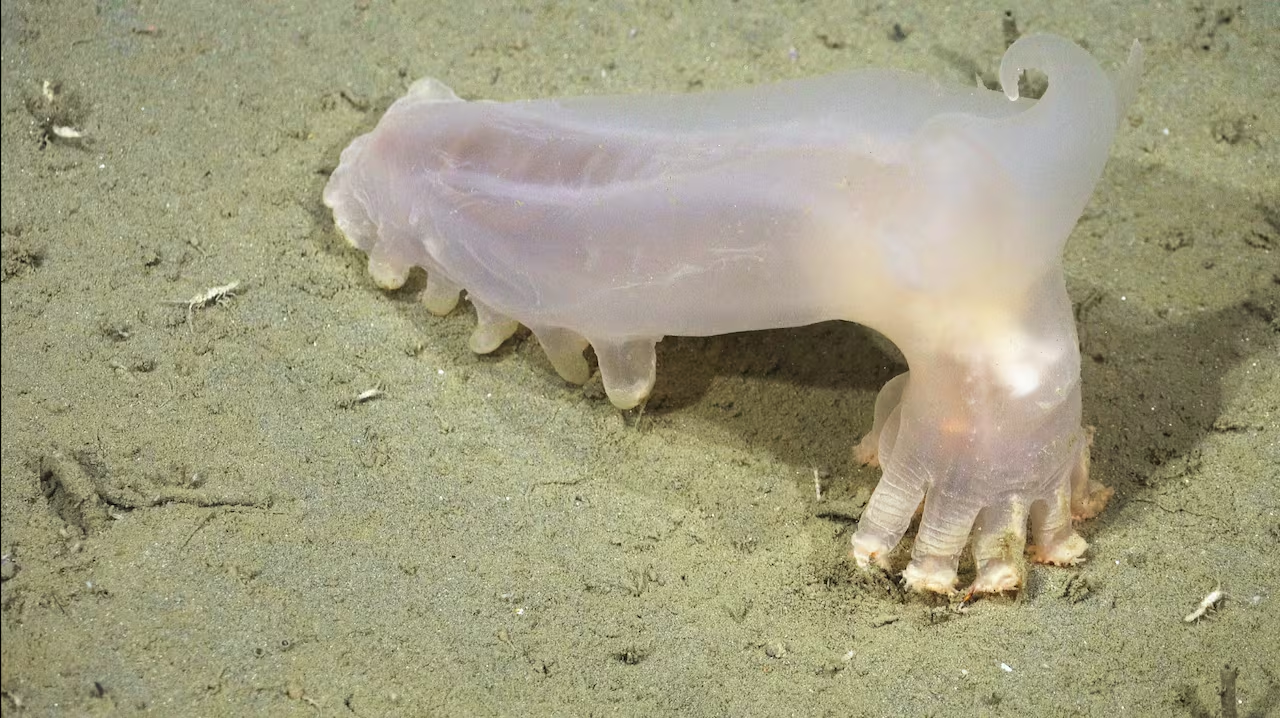
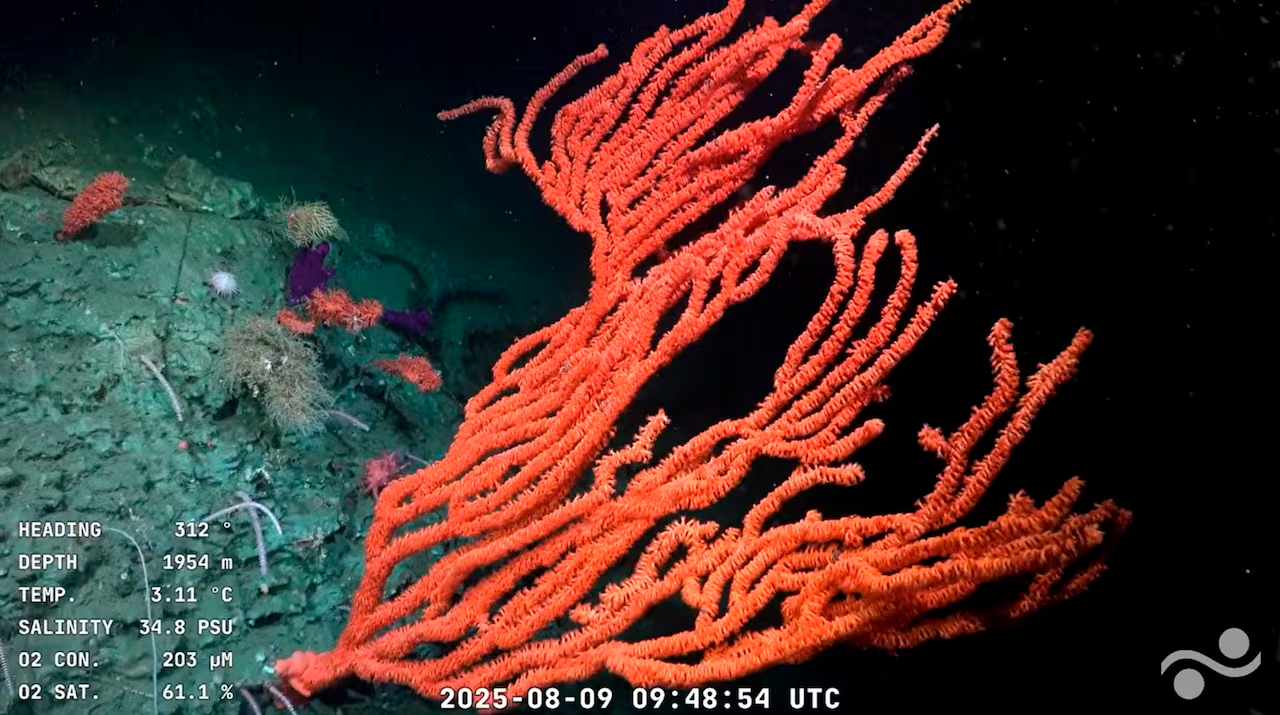
长着角状附肢的海参(昵称“洛基”)以及一种拥有纤细分枝扇状结构的亮红橙色珊瑚,是去年一次“海洋普查”阿根廷近海探险中,于10月宣布并确认的57个新物种中的两例。
A sea cucumber with horned appendages, nicknamed Loki, and a bright red-orange coral with fans of slender branches are among 57 new species announced and identified in October from an Ocean Census expedition off Argentina last year.
2022年达成的一项里程碑式联合国生物多样性协议承诺到2030年保护全球30%的陆地、水域和海洋区域,但在海洋保护方面却未达标,预计到2030年仅有12%的海洋(相比之下陆地为27%)将受到保护。
A landmark UN biodiversity agreement in 2022 committed to protecting 30 per cent of the world's land, water and marine areas by 2030, but has been falling short on ocean protection, with just 12 per cent of oceans (compared to 27 per cent of lands) set to be protected by 2030.
据加拿大公园与荒野协会称,加拿大迄今已保护了其15.5%的海洋区域。
Canada has so far protected 15.5 per cent of its oceans, according to the Canadian Parks and Wilderness Society (CPAWS).
位于新不伦瑞克省圣安德鲁斯的亨茨曼海洋科学中心研究科学家克莱尔·古德温表示,目标是保护生物多样性高的区域。
Claire Goodwin, a research scientist at Huntsman Marine Science Centre in St. Andrew's, N.B., said the goal is to protect areas with high biodiversity.
“但如果你不调查部分海洋生物,不知道那里生活着什么,你就无法判断哪些是那些生物多样性高的区域。”食肉海绵,提供栖所问题在于,即使在加拿大境内,许多区域也难以探索。古德温曾参与2023年在魁北克萨格奈峡湾的一次探险。
"But if you're not surveying some of your marine life and you don't know what's living there, you can't say which those biodiverse areas are." Sponges that eat meat, provide housing The problem is that even within Canada, many areas are difficult to explore. Goodwin was part of an expedition in the Saguenay Fjord in Quebec in 2023.
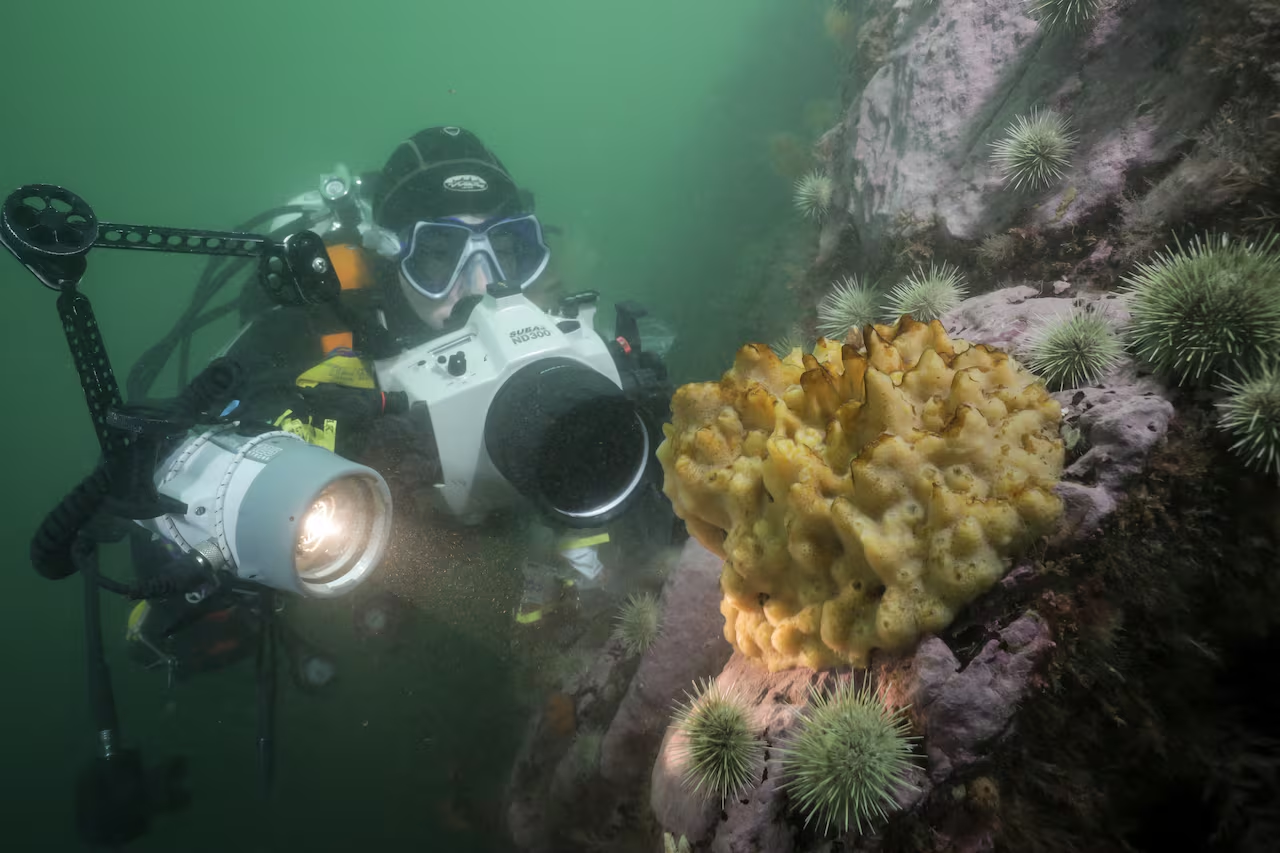
在其陡峭的峡壁上,此前仅记录到一种海绵,她的团队却发现了20到30种海绵,其中包括一些科学界新发现的物种。
On its steep walls, where only one species of sponge had previously been recorded, her team discovered 20 or 30 sponge species, including some new to science.
其中包括食肉海绵,它们利用玻璃质、魔术贴般的附肢捕捉虾类,将其包裹并缓慢消化,“这真的令人振奋,”古德温说,因为大多数海绵都是被动的滤食性生物。
Among them were carnivorous sponges that trap shrimp with glass, velcro-like appendages to engulf and digest slowly, "which was really exciting," said Goodwin, since most sponges are passive filter feeders.
古德温表示,海绵在生态系统中扮演重要角色——作为海星的食物、某些蠕虫的栖息地,以及某些鱼类的产卵场所。加拿大水域的海绵也能长到成年人体型的一半大小。
Goodwin says sponges have important roles in the ecosystems — as food for sea stars, homes for some worms and a place to lay eggs for some fish. Sponges in Canadian waters can also grow to half the size of an adult human.
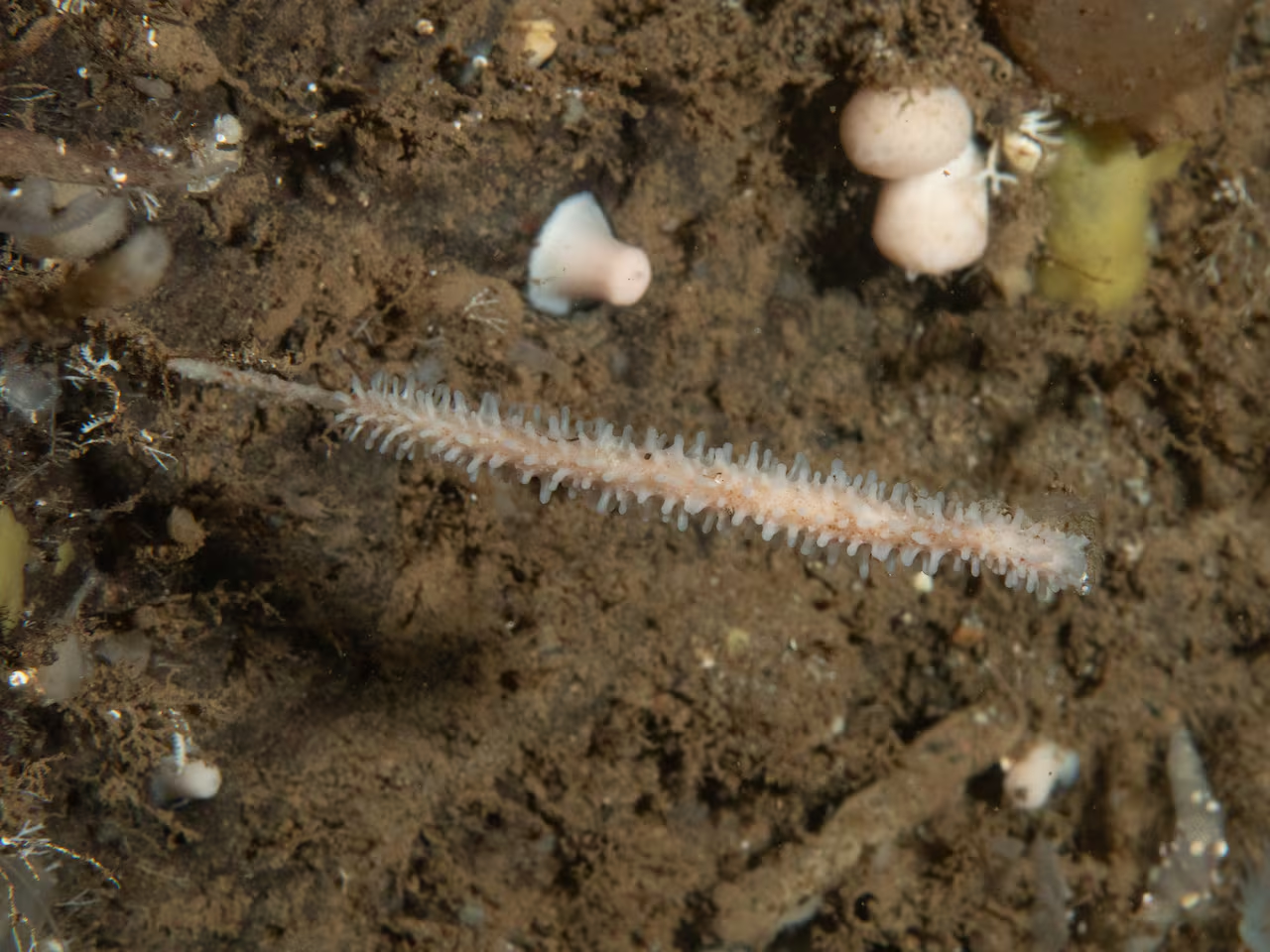
如今,古德温正与拉布拉多的因努族合作,对其领地内未绘制海图的水域进行调查。“我们简直不知道海床会是什么样子,更不用说上面会生活着什么生物了。” 气候变化的影响与应对 竞争已然展开,以便在海洋迅速变暖、气候变化改变物种分布之际弄清现状。
Now Goodwin is working with the Innu Nation in Labrador to survey uncharted waters in their territory. "We literally don't know what the seabed's going to be like, let alone what's going to be living on it." Climate change impacts and solutions The race is on to find out as the ocean warms rapidly, and climate change shifts where species are found.
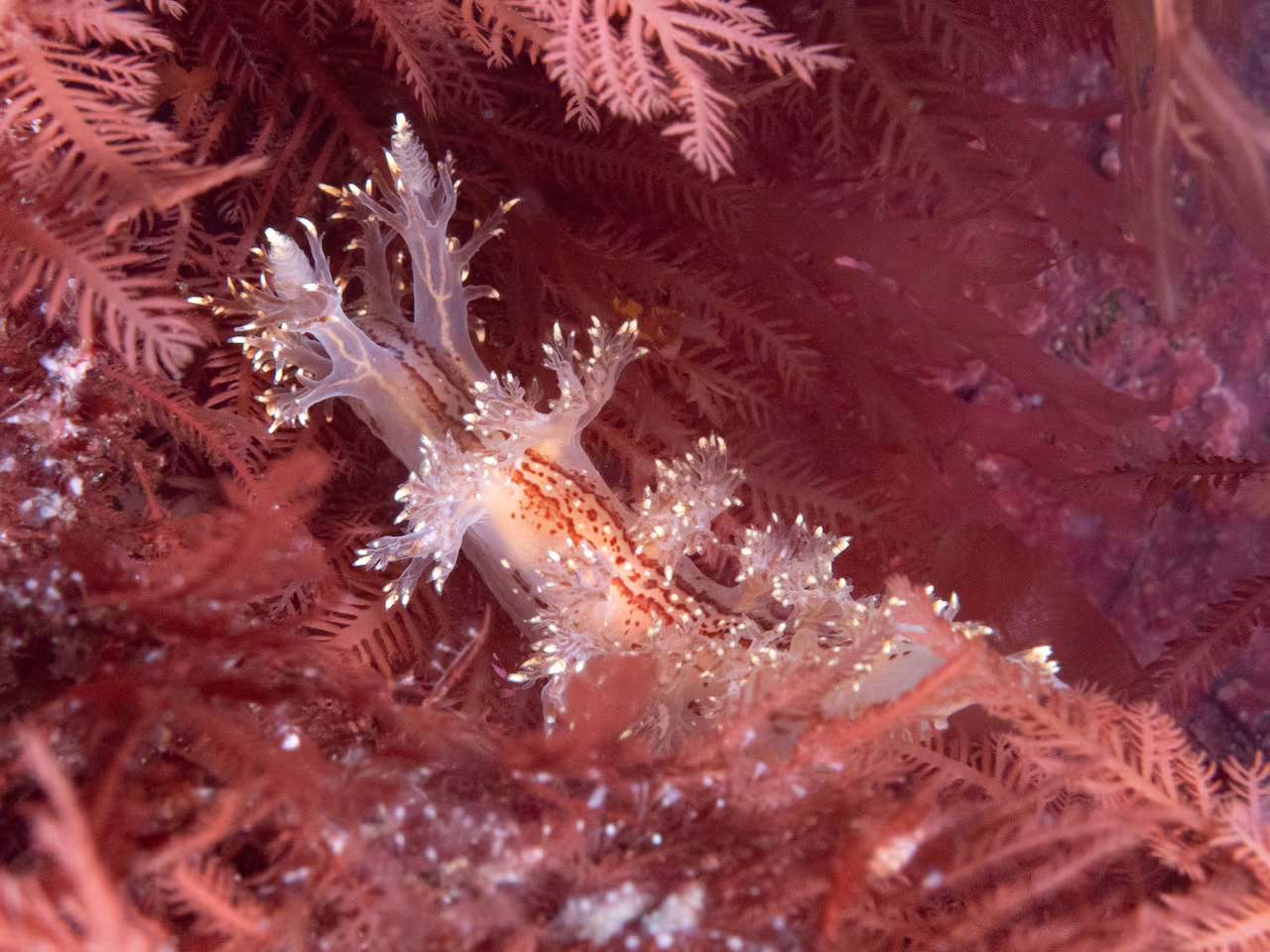
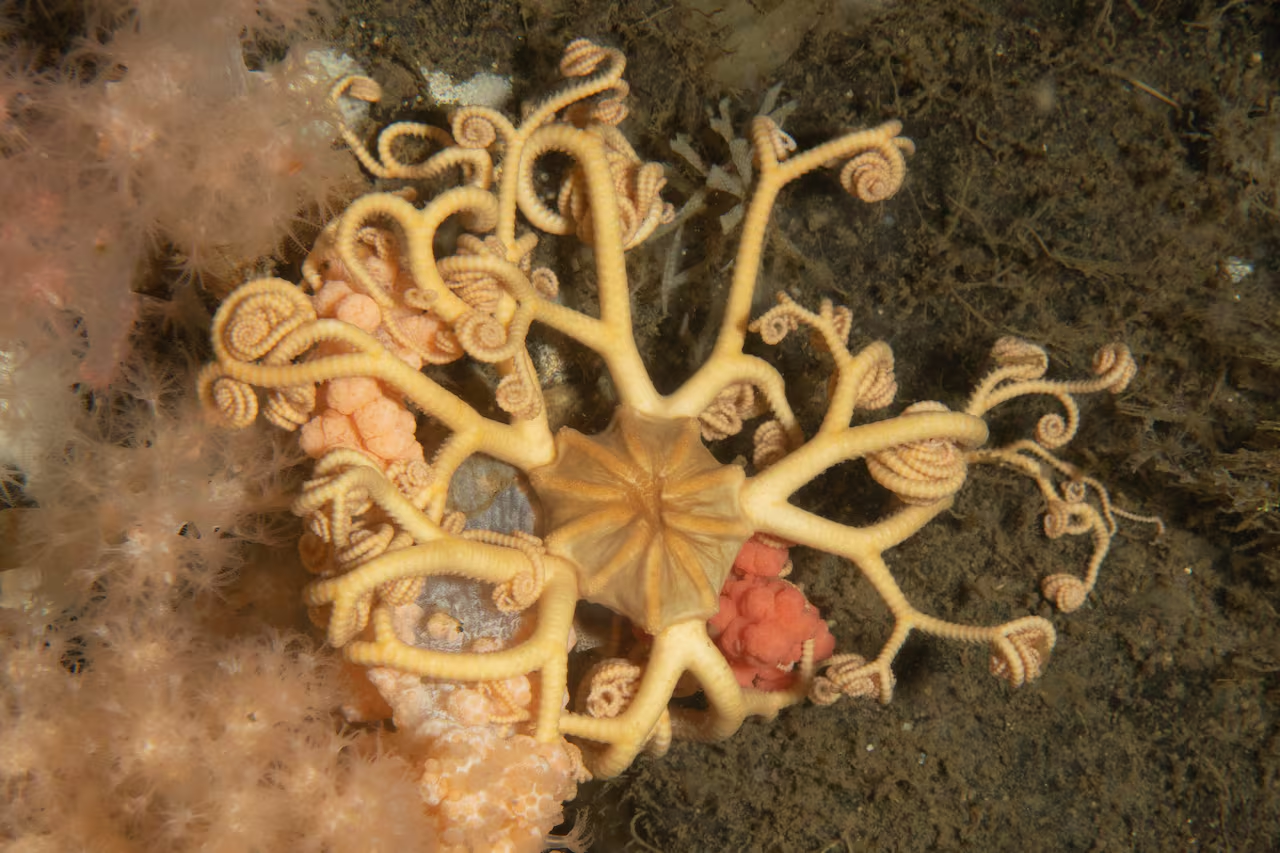
古德温说,已经有一些物种从曾经常见的区域彻底消失了。她以篮星为例,“一种拥有分叉臂的非常酷的海星”,它们曾在圣安德鲁斯周围很常见,但自2016年前后一次快速变暖事件后,就再未在那里被发现。
Already, Goodwin says, some species have completely disappeared from regions where they were once common. She points to basket stars, "really cool sea stars that have branching arms," which were once common around St. Andrew's, but haven't been seen there since a rapid warming around 2016.
魁北克大学里穆斯基分校的博士后研究员洛伊克·雅克莫说,在许多地区,我们甚至没有太多基线数据来对比变化。
Loïc Jacquemot, a postdoctoral researcher at Université du Québec à Rimouski, said in many areas, we don't even have much of a baseline from which to compare changes.
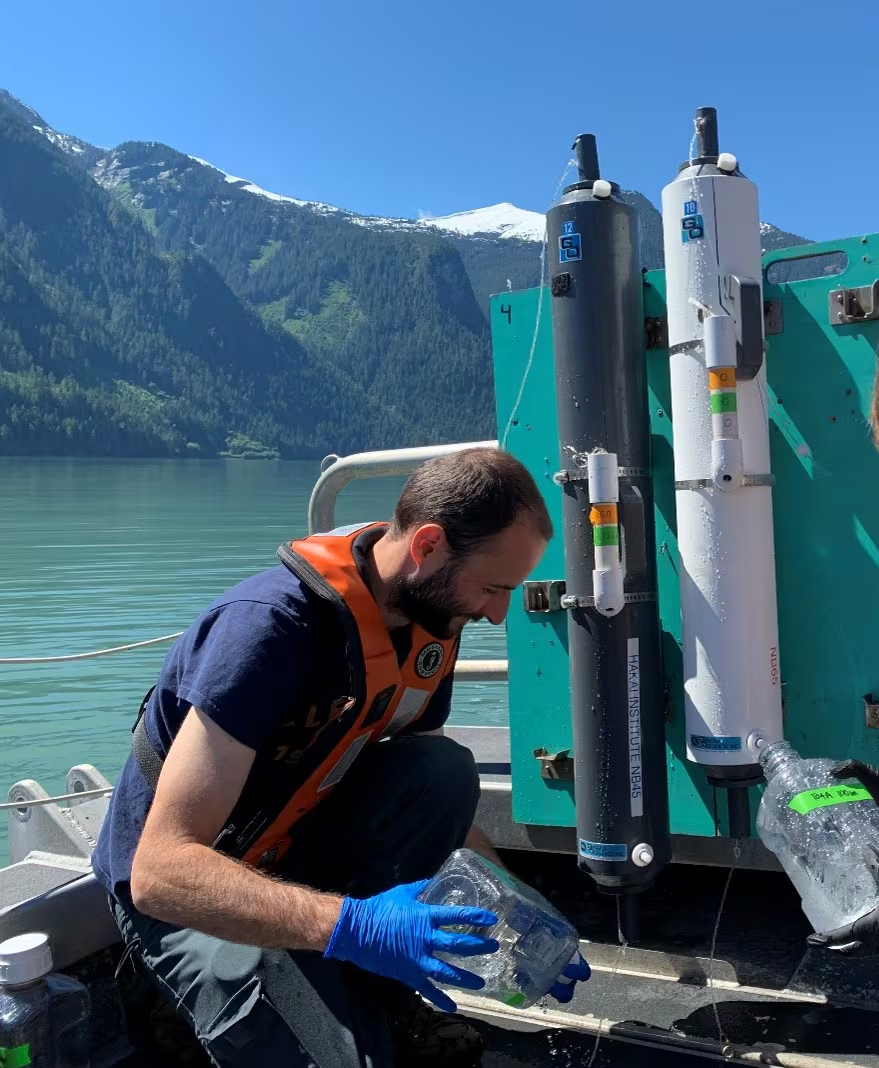
他目前正利用一种称为eDNA(环境DNA)的技术,对努纳武特海岸外的巴芬湾进行调查,该技术通过识别生物皮肤、粪便和组织脱落在水中的DNA来确定物种。这样,无需实际看见或捕捉生物即可进行调查——只需一份水样本。
He's currently surveying Baffin Bay off the coast of Nunavut using a technique called eDNA, which identifies species from DNA shed into the water by organisms' skin, poop and tissues. That way, they can be surveyed without actually seeing or catching them — all you need is a water sample.
他说,适应寒冷水域的物种预计将被挤压到越来越小的区域,“因为当然,它们无法再向更北迁移”,而暖水物种的分布范围可能会扩大。
He said species adapted to colder waters are expected to move into a smaller and smaller area "because, of course, they cannot go much more north," while warmer water species may expand their range.
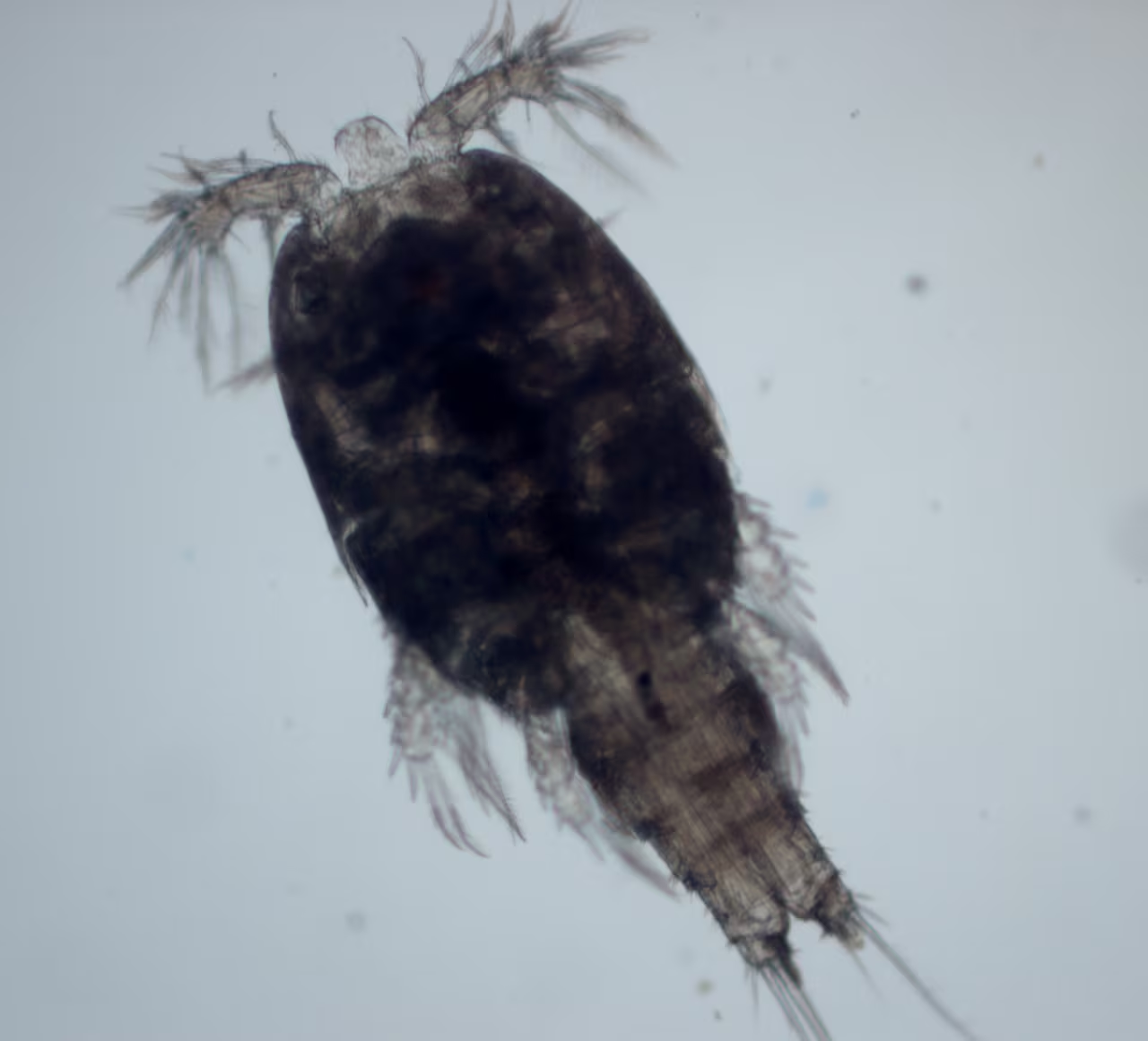
这可能对食物链产生重大影响——包括人类食用的鱼类和贝类——以及对浮游动物物种每天在深海与海面间垂直迁徙、从而在海洋中移动碳的方式产生影响。
That can have big impacts on things like the food chain — including fish and shellfish humans eat — and on the way carbon is moved around the ocean by zooplankton species that migrate each day between the depths and the surface.
“对气候而言,这很重要,因为所有这些变化都影响着碳在海洋中的储存方式,”雅克莫说。
"It's important for the climate because all these changes impact the way carbon is stored in the ocean," Jacquemot said.
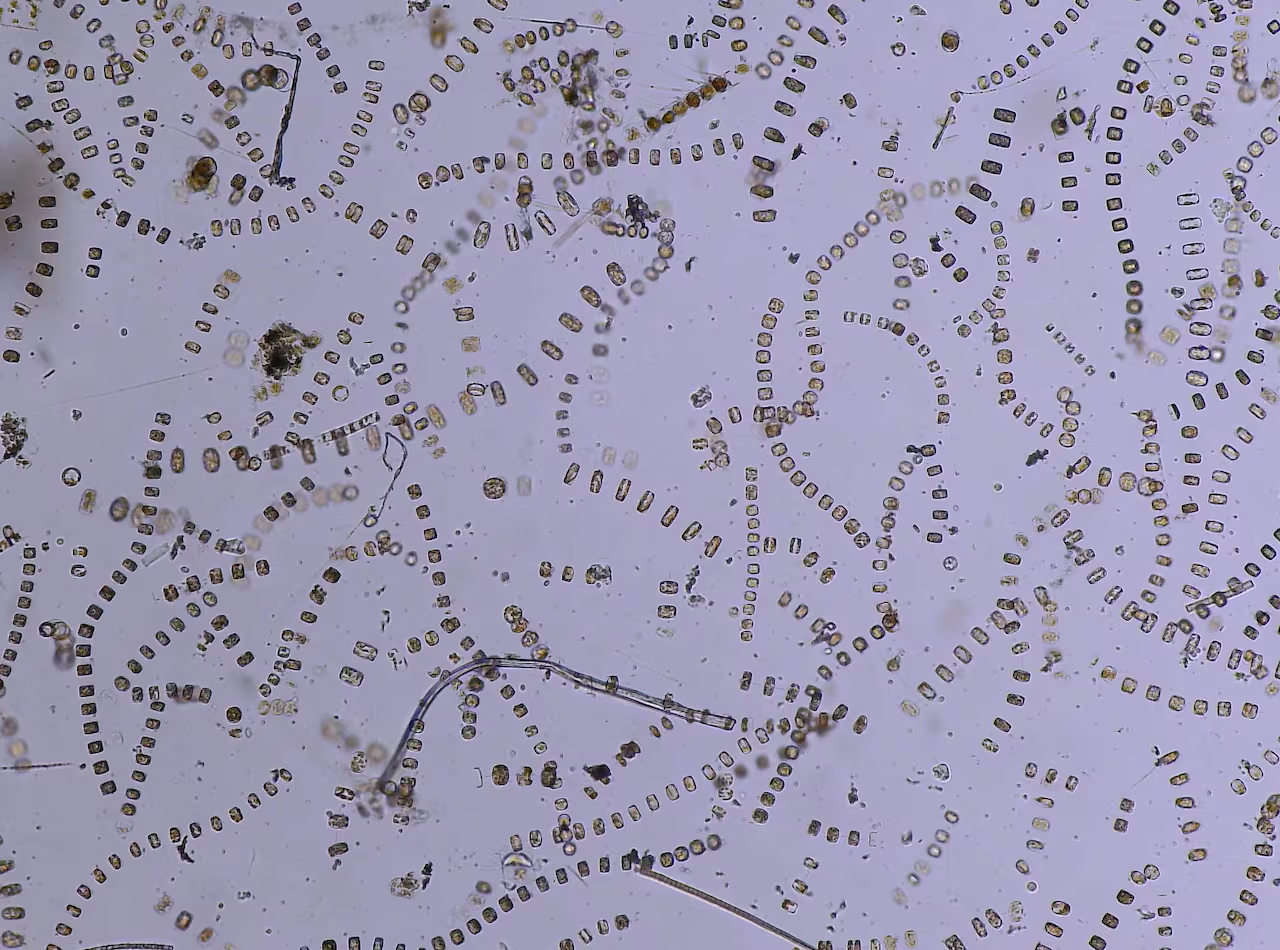
海洋及其物种储存的碳被称为蓝碳。根据联合国最近的一份报告,迄今为止,蓝碳包括人类产生的30%的二氧化碳,以及气候变化所困住的90%的多余热量。该报告警告说,海洋吸收更多二氧化碳和热量的能力正在减弱。
The carbon stored by the ocean and its species is known as blue carbon. So far it includes 30 per cent of carbon dioxide generated by humans, along with 90 per cent of the excess heat trapped by climate change, said a recent UN report, which warned that the ocean's ability to absorb more CO2 and heat is weakening.
与此同时,珊瑚礁被称为生物多样性热点,具有储存大量碳的能力,是受气候变化威胁最大的生态系统之一。
Meanwhile, coral reefs, known as biodiversity hotspots with the ability to store huge amounts of carbon, are one of the ecosystems most threatened by climate change.
海洋及其物种对气候变化的影响是今年在土耳其安塔利亚举行的联合国气候峰会COP31的重中之重。保护海洋生态系统和“释放蓝碳潜力以增强气候韧性”是会议“行动议程”上的10项内容之一。本周在COP31上,美国前国务卿约翰·克里和代表岛国的团体推动在明年全球气候政策“全球盘点”中加入对海洋的有力提及,获得了欧盟和非洲国家的支持。
The impact of the ocean and its species on climate change are at the forefront of this year's UN climate summit, COP31, underway in Antalya, Turkey. Protecting marine ecosystems and "unlocking blue carbon for climate resilience" is one of 10 items on the meeting's "action agenda." This week at COP31, former U.S. Secretary of State John Kerry and groups representing island states pushed for a strong reference to oceans in next year's global "stocktake" of climate policies, supported by the European Union and African countries.
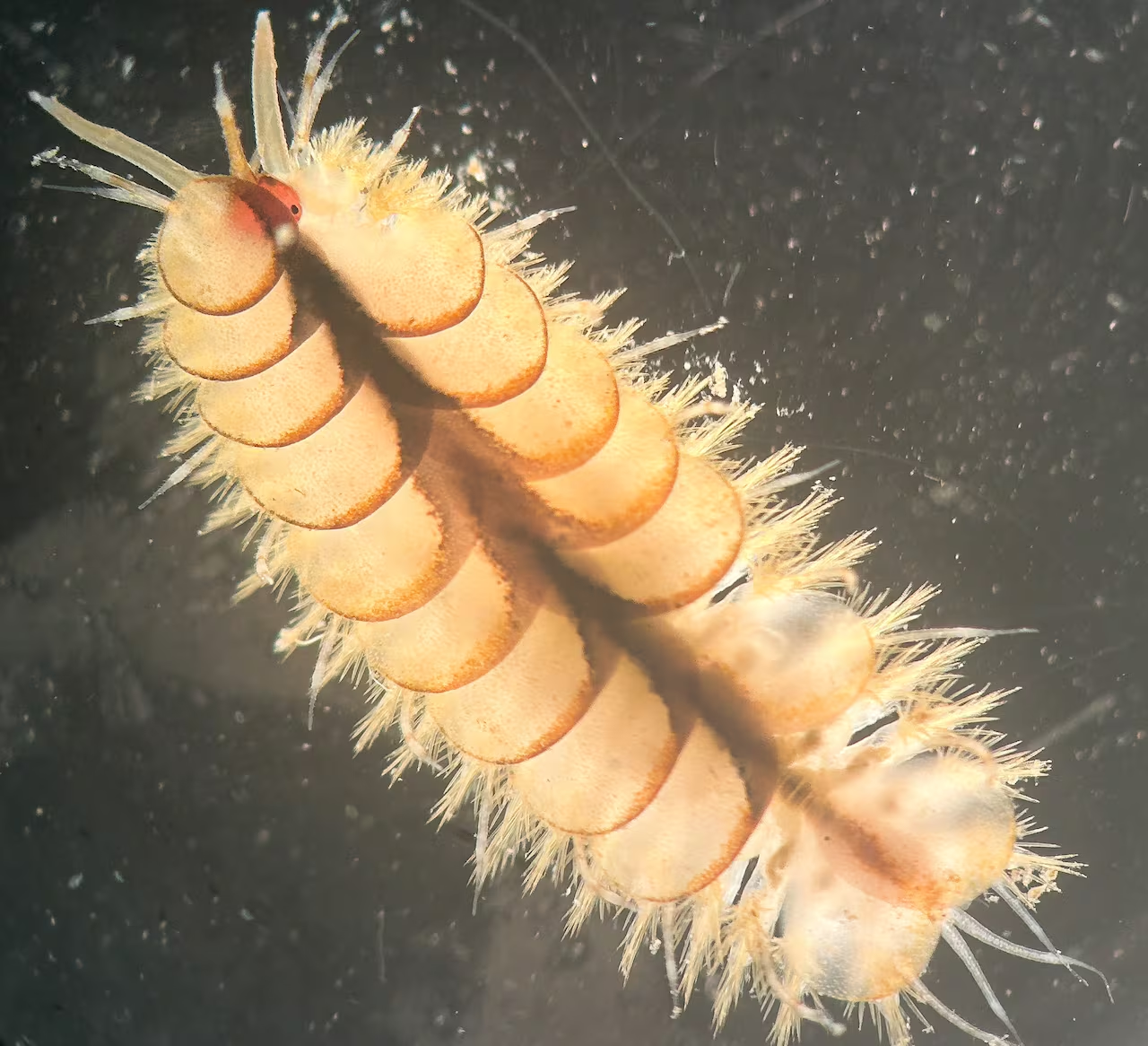
“对地球生物地球化学功能而言”海洋普查的泰勒表示,海洋生态系统对人类很重要——即使是生活在远离大海的人,不仅因为生产食物和药物,还因为更大尺度的原因。“你知道,这是我们星球生物地球化学功能的一部分。无论我们是否意识到,我们都非常依赖它。”泰勒、古德温和雅克莫都希望,通过与人们分享海洋中惊人的生命多样性,能帮助人们认识到保护海洋的重要性。
For the 'biogeochemical functioning of our planet' Taylor with Ocean Census said marine ecosystems are important for humans — even people who live far from the sea, not just for producing food and medicines, but also on a bigger scale. "You know, it's part of the biogeochemical functioning of our planet. We're very reliant on it, whether we realize it or not." Taylor, Goodwin and Jacquemot all hope that by sharing with people the amazing diversity of life in the ocean, they can help people appreciate the importance of saving it.

“当我们向人们展示水下的照片和视频时,他们总是对那里实际拥有的事物感到惊叹,”古德温说。
"When we show people pictures and videos of what's underwater, they're always amazed by what we actually have down there," Goodwin said.
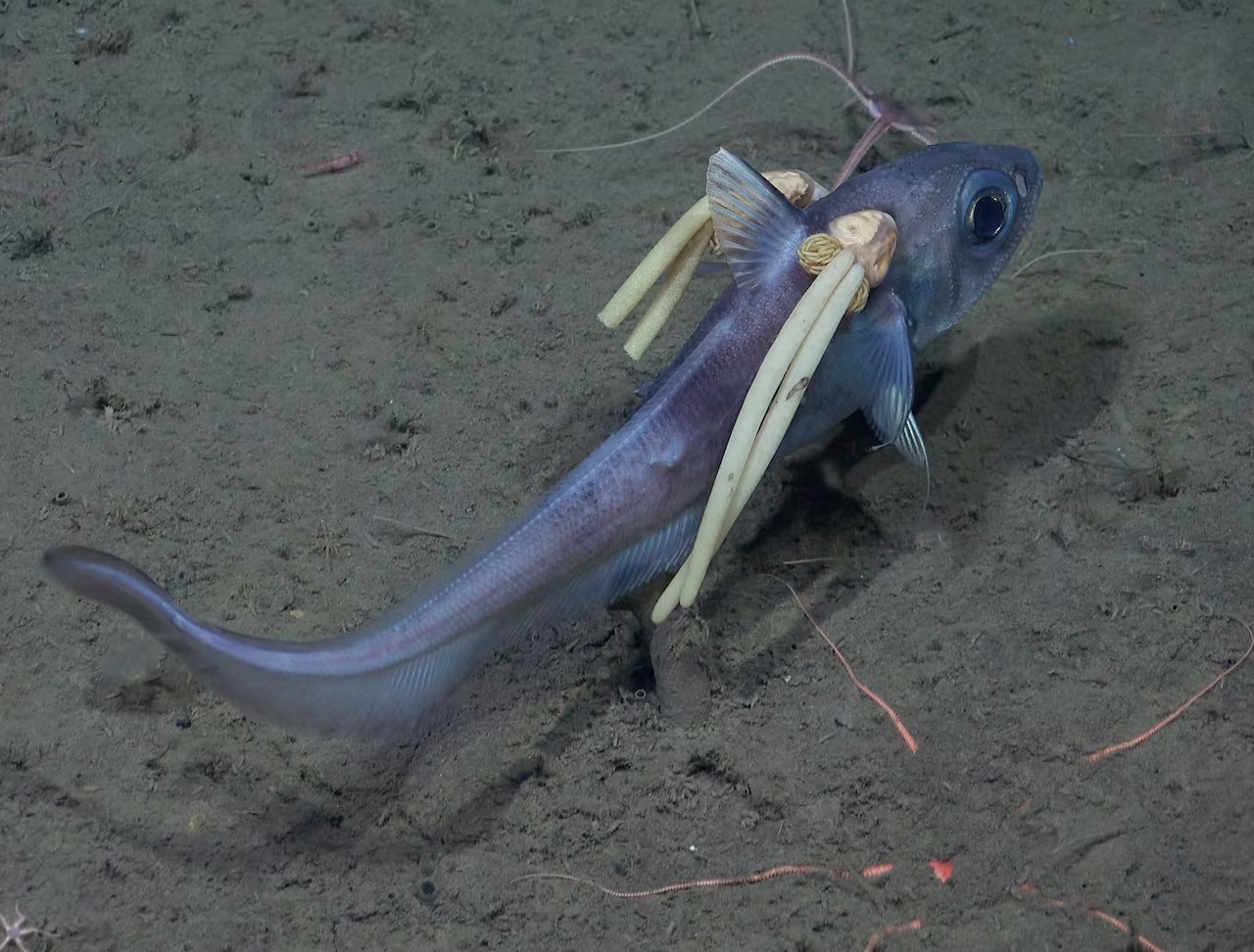
泰勒将它们描述为令人难以置信的多样化“外形奇特的生物”,并表示其中一些“让你难以相信它们来自这颗星球。”
Taylor describes them as an incredible diversity of "wild looking creatures" and says for some of them "you wouldn't believe they were of this planet."
她说自己非常担忧珊瑚礁,但“必须抱有解决问题的态度”。她补充道,与此同时,“我们需要尽可能多地发现物种,以便在它们消失之前了解这颗星球上的生物多样性。”
She said she's very worried about coral reefs especially, but "you have to have the attitude that there are solutions to this." In the meantime, she added, "we need to find as many species as we can, so we can understand diversity on this planet before it is lost."