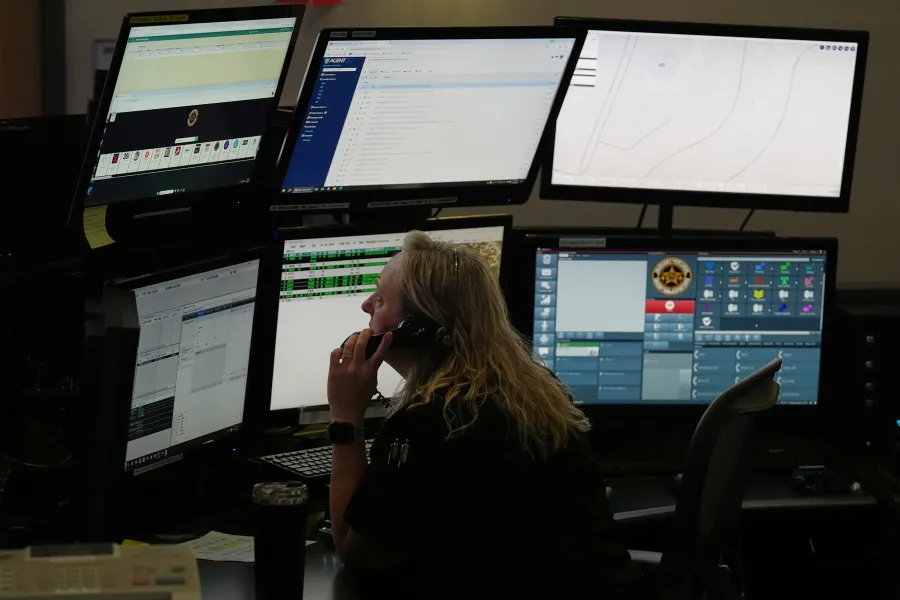
近期全国头条警告称,新奥尔良正用人工智能取代 911 专业人员。报道不实,但在围绕这项新技术的舆论风暴中,错误信息迅速传播。需要说明的是,美国并未把紧急响应系统交给电脑。人工智能正让紧急通信更快、更有韧性,但受过训练的 911 专业人员仍然掌控全局。紧急呼叫并非普通的客服交易。事实上,911 一直依赖直接的个人联系。
Recent national headlines warned that New Orleans was replacing 911 professionals with AI. The reports were wrong, but the misinformation spread quickly amid the firestorm surrounding this new technology. To be clear, the U.S. is not handing its emergency response system over to computers. AI is making emergency communications faster and more resilient, but trained 911 professionals remain in charge. Emergency calls are not ordinary customer-service transactions. Indeed, 911 has always depended on a direct personal connection.
报告心脏骤停、躲避袭击者或帮助受伤儿童的人,可能需要在混乱和事实变化中得到冷静的安慰、拯救生命的指示或明智的判断。人类的直觉和同理心是 911 的关键特征,人工智能无法取代。美国人今天依赖的 911 系统自近 60 年前首次通话以来,已经走过了漫长的道路。数十年来,911 不断采用新技术以更好地服务公众。
Someone reporting a heart attack, hiding from an attacker, or helping an injured child may need calm reassurance, lifesaving instructions, or sound judgment amid confusion and changing facts. Human intuition and empathy are essential features of 911 that AI cannot replace. The 911 system Americans rely on today has come a long way since the first call made nearly 60 years ago. Over the decades, 911 has repeatedly adopted new technologies to better serve the public.
从移动电话和短信到数字数据共享和流媒体视频,系统与美国人的技术偏好同步演进。人工智能是这一演进的下一步,而我们行业在安全实施以往技术方面的经验将为此提供指导。但人工智能不会改变自始至终存在的基本社会契约:当公民求助时,911 必须应答。人工智能已经在 911 中使用,原因很直接:帮助 911 专业人员尽快响应有需要的呼叫者。
From mobile phones and text messages to digital data-sharing and streaming video, the system has evolved alongside Americans’ technology preferences. AI is the next step in this evolution, and our industry’s experience in safely implementing previous technologies will guide us now. But AI will not change the fundamental social contract that has existed since the beginning: When a citizen calls for help, 911 will answer. AI is already being used by 911 for a straightforward reason: to help 911 professionals respond to callers in need as quickly as possible.
人工智能可以几乎瞬间识别并翻译其他语言,而让人工翻译加入通话则需要宝贵的数分钟。它可以支持逼真的培训模拟,使新员工更好地胜任工作需求。它还能分析远多于主管手动审查的通话数量,以确保接线员发挥最佳水平。
AI can identify and translate other languages almost instantly, whereas bringing a human translator on the line takes precious minutes. It can support realistic training simulations that better equip new hires for the demands of the job. It can analyze far more calls for quality assurance than supervisors could review manually, helping ensure call-takers perform at their best.
AI 还能帮助减轻 911 中心接到的常规、非紧急电话的负担——根据 2025 年《911 脉搏》调查,这类电话约占 911 中心处理的全部电话的 三分之二——从而让通信员专注于关系到生命安全的通话。
AI can also help relieve the burden of routine, non-emergency calls coming to 911 centers — roughly two-thirds of all calls handled by 911 centers, according to the 2025 Pulse of 911 survey — freeing telecommunicators to focus on calls where lives are on the line.
对于联邦政策制定者而言,鼓励负责任的 AI 采用应成为现代化 911 整体工作的一部分。具体而言,国会有两个直接职责。
For federal policymakers, encouraging responsible AI adoption should be part of the overall effort to modernize 911. Specifically, Congress has two immediate roles to play.
第一,尽管 911 通信员对紧急响应至关重要,但长期以来联邦政府将其归类为秘书和行政人员,而非他们真实身份的保护服务专业人员。《加强首响应法案》(S. 725)将纠正这一长期的错误分类,并赋予这些第一线响应者应有的认可。该法案已在参议院全体一致通过,现正等待众议院行动。我们呼吁议长迈克·约翰逊(R-拉)在休会期间以议事规则暂停的方式将该法案提交审议。
First, despite being essential to emergency response, 911 telecommunicators have long been classified by the federal government as secretarial and administrative personnel rather than the protective service professionals they truly are. The Enhancing First Response Act (S. 725) would correct this longstanding misclassification and give these first responders the recognition they deserve. Having passed the Senate unanimously, the legislation now awaits action in the House. We call on Speaker Mike Johnson (R-La.) to bring this bill up for consideration during the lame-duck session under suspension of the rules.
第二,国会应通过两党支持的资金立法,鼓励负责任的创新,以支持全国向全数字化“下一代 911”系统的转型。这将为每个社区提供采用 AI 及其他新技术所需的安全、韧性基础设施。
Second, Congress should encourage responsible innovation by passing bipartisan funding legislation to support the nationwide transition to an all-digital Next Generation 911 system. This would provide every community with the secure, resilient infrastructure needed to adopt AI and other new technologies.
问题不在于 AI 是否绝对“危险”或“安全”,而在于我们能否在确保紧急响应所依赖的安全性、可靠性、隐私和公众信任的前提下,利用其潜力。AI 为加强 911 运作、加快通话处理、以及支援每日为我们服务的通信员提供了非凡机遇。但实现这一承诺需要审慎的实施、明确的标准以及对人员和基础设施的持续投入。
The question is not whether AI is categorically “dangerous” or “safe” but whether we can harness its potential while ensuring the safety, reliability, privacy and public trust that underpin emergency response. AI offers extraordinary opportunities to strengthen 911 operations, speed call handling and back up the telecommunicators who serve us every day. But realizing that promise will require thoughtful implementation, clear standards and continued investment in both people and infrastructure.
约翰·普罗文扎诺是NENA(美国9-1-1协会)的首席执行官。NENA是一家非营利专业组织,代表全美数万名9-1-1急救人员。
John Provenzano is CEO of NENA: The 9-1-1 Association, a nonprofit professional organization representing tens of thousands of 9-1-1 first responders across the U.S.