随着拉丁美洲旅游业蓬勃发展,替代性旅游形式正逐渐兴起。让假期更具可持续性,意味着要重新思考谁掌握主导权、谁进行投资以及谁从中获益。
As tourism booms across Latin America, alternative forms of travel are gaining ground. Making your holiday more sustainable means rethinking who calls the shots, who invests and who benefits.
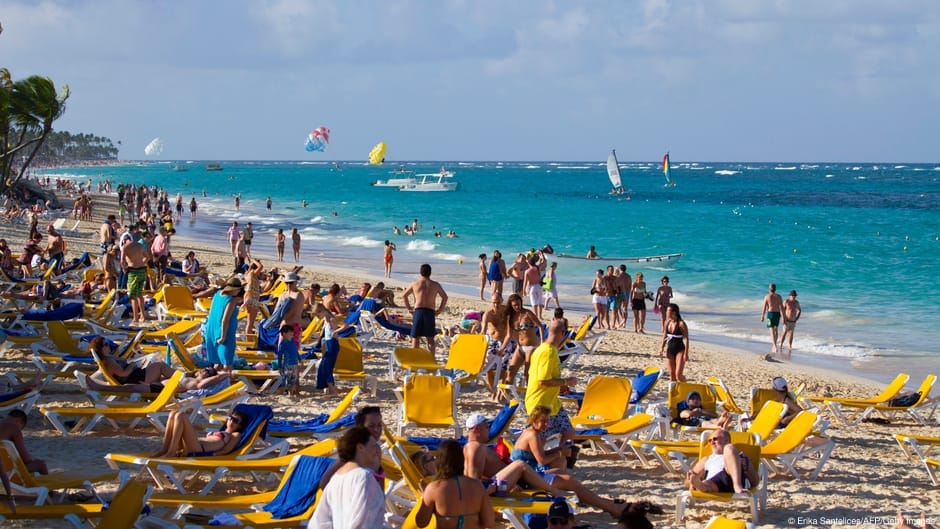
偏好在谷歌上搜索DW 多米尼加共和国蓬塔卡纳——拉丁美洲旅游热点 拉丁美洲目前是全球最具活力的旅游区域之一。根据联合国旅游组织——负责推广负责任旅游的联合国机构——的数据,去年南美洲国际游客到访量增长7%,中美洲增长5%,均高于全球平均水平。但繁荣背后也有代价:过度旅游 在一些目的地,游客数量庞大,引发环境和社会问题,加剧紧张局势,并引发关于谁真正从旅游业务中获益的质疑。
Prefer DW on Google Punta Cana, Dominican Republic — a tourism hot spot in Latin America Latin America is currently one of the world's most dynamic tourism regions. According to UN Tourism, the United Nations agency responsible for promoting responsible tourism, international arrivals in South America grew by 7% last year, while Central America saw a 5% increase, both above the global average. But the boom comes at a price: overtourism In some destinations, the sheer number of visitors is creating environmental and social problems fueling tensions and raising questions about who really benefits from the business.
一个著名的例子是秘鲁的印加古城马丘比丘,每天吸引多达5600名游客。2025年,秘鲁官方监管机构警告称,售出的门票数量超过了许可上限,可能导致该遗址面临被列入联合国教科文组织《濒危世界遗产名录》的风险。联合国教科文组织世界遗产委员会已表达了关切。
One famous example is Machu Picchu, the Inca citadel in Peru, which lures up to 5,600 visitors a day. In 2025, Peru's official watchdog warned that more tickets were being sold than permitted, potentially putting the site at risk of being added to UNESCO's List of World Heritage in Danger The UNESCO World Heritage Committee has already expressed its concern.
游客蜂拥至秘鲁的印加古城马丘比丘 为保护加拉帕戈斯群岛及其启发查尔斯·达尔文的丰富生态系统,厄瓜多尔于2024年将外国游客入岛费翻倍至200美元。即便如此,兴建新酒店和旅游公寓的压力仍在增加。而在墨西哥城,游客和数字游民涌入罗马区和孔德萨区等街区,推高房租,引发抗议。
People are flocking to Machu Picchu, the Inca citadel in Peru In a bid to protect the Galapagos Islands and its bountiful ecosystems that inspired Charles Darwin, Ecuador doubled the entrance fee for foreign visitors to $200 in 2024. Even so, pressure is mounting to construct new hotels and tourist apartments. And in Mexico City, the influx of tourists and digital nomads into neighborhoods such as Roma and Condesa has fueled protests over rising rents.
加拉帕戈斯群岛于2024年向外国游客征收200美元入岛费 如何让旅游业更具包容性和可持续性?这是行业面临的最大问题之一。在墨西哥瓜达拉哈拉举办的ITB美洲国际旅游交易会上,德国之声采访了三位专家。可持续旅游从小众走向主流理查德·巴赞是非营利组织 Planeterra 在美洲地区的区域经理,该组织致力于推广和支持社区旅游。他表示,目前正出现几大趋势:旅行团规模在缩小,游客寻求更亲密的体验。
The Galapagos Islands introduced an entrance fee for foreign visitors to $200 in 2024 What can be done to make tourism more inclusive and sustainable? That's one of the industry's biggest questions. At ITB Americas, an international travel trade fair in Guadalajara, Mexico, DW spoke with three experts. Sustainable travel moving from niche to mainstream Richard Bazan is a regional manager for the Americas at Planeterra, a nonprofit organization that promotes and supports community-based tourism. He said several trends are emerging: group sizes are shrinking and travelers are seeking more intimate experiences.
“过去是 20 人成团,现在只有四五人,”他对德国之声(DW)说。
"Where groups of 20 used to travel together, now it's four or five," he told DW.
所谓“自然正向”旅游也正在获得关注,这类旅行项目有助于资助例如重新造林等项目。巴赞表示,甚至全包式度假村也意识到,它们无法再将自己与周边环境隔绝。相反,它们需要提供真实的体验,将游客与目的地连接起来。“社区旅游不再是小众领域,”他说。
So-called "nature-positive" tourism is also gaining traction, with travel programs that help fund, for example, reforestation projects. Bazan said even all-inclusive resorts are realizing that they can no longer shut themselves off from their surroundings. Instead, they need to offer authentic experiences that connect visitors with the destination. "Community-based tourism is no longer a niche," he said.
墨西哥一直在试图遏制一场由营养丰富的径流和海洋条件变化共同助长的、创纪录的恶臭马尾藻激增事件。变革的压力也来自游客自身。根据 Booking.com 2025 年年度调查,该调查在 34 个国家访问了 3.2 万人,93% 的受访者表示希望做出更可持续的旅行选择。首次有超过一半(53%)的受访者意识到旅游业对当地社区的影响,而不仅仅是对环境的影响。
Mexico has been trying to contain a record surge of foul-smelling sargassum seaweed, fueled by a mix of nutrient-rich runoff and shifting ocean conditions Pressure for change is also coming from travelers themselves. According to Booking.com's 2025 annual survey, which polled 32,000 people in 34 countries, 93% said they wanted to make more sustainable travel choices. For the first time, more than half (53%) were aware of tourism's impact on local communities, not just the environment.
社区最了解自己的土地UnTours 基金会重塑旅游基金总监莎拉·佩恩指出了根本问题。在传统旅游商业模式中,产生的大部分钱从未流向当地社区——这些人才是真正与游客涌入共同生活的人群。
Communities know what's best for their land Sarah Payne, director of the Reset Tourism Fund at the UnTours Foundation, pointed to the underlying problem. In the traditional tourism business model, most of the money generated never reaches local communities, the people who actually live with the influx of visitors.
“获得融资至关重要,但对社区来说极其困难,”她解释道。市场上的金融产品往往昂贵且缺乏灵活性,因为旅游业被视为高风险行业。该基金会的基金提供低息贷款和灵活的还款条件。其指导原则是:社区通常最了解什么对自己的土地最有利。
"Access to financing is key, yet extremely difficult for communities," she explained. The financial products on the market tend to be expensive and inflexible, as tourism is considered a high-risk sector. Her foundation's fund offers low-interest loans with flexible repayment terms. Its guiding principle is that communities generally know what's best for their own land.
Rutopia 联合创始人塞巴斯蒂安·穆尼奥斯将他在非营利领域的经验带入了社会企业。Rutopia 是一个专注于生态旅游和社区旅游的平台。他认为,旅游线路必须与社区合作设计,让社区产生主人翁感,而不是将其视为外部强加的东西。
Sebastian Munoz, co-founder of Rutopia, a platform specializing in ecotourism and community-based tourism, has brought his experience from the nonprofit sector into social enterprise. His believes tours must be designed in partnership with communities so they feel a sense of ownership, rather than seeing them as something imposed from outside.
拯救拉达克:当地人引领可持续旅游发展 观看此视频 与此同时,巴赞认为,社区旅游不应被视为人道主义项目,而应通过市场驱动的视角来处理:了解游客需求,然后与当地社区携手规划。换句话说,就是在这两个截然不同的世界之间搭建桥梁。他说:“如果没人来体验,创造产品就是不可持续的。”
Saving Ladakh: Locals lead sustainable tourism drive To view this video , and Bazan, meanwhile, thinks community-based tourism should not be approached as a humanitarian project, but through a market-driven lens: understanding what visitors are looking for and then planning hand-in-hand with the local community. In other words, building bridges between these two distinct worlds. "It's not sustainable to create a product if no one comes to experience it," he said.
挑战:重新思考增长 核心问题是如何在不牺牲可持续性的前提下实现增长。对巴赞而言,这个决定不属于旅游业。社区必须自行决定如何发展,外部参与者不应施加压力。他们的角色是放大当地声音,而不是带来解决方案或投资。他说:“我们必须学会倾听。”
The challenge: Rethinking growth The big question is how to grow without sacrificing sustainability. For Bazan, that decision doesn't belong to the tourism industry. Communities themselves must decide how they want to grow, and outside players should not pressure them. Their role, he said, is to amplify local voices, not to bring solutions or investments. "We have to learn to listen," he said.
穆尼奥斯承认,社区旅游的影响难以衡量,因为它产生的社会影响超越了数字。他以墨西哥米斯特克土著社区为例,该社区接待对学习当地语言感兴趣的游客。突然之间,如今只会说西班牙语的孩子们开始参加课程,并请求祖父母也教他们这门语言。
The impact of community-based tourism is difficult to measure, Munoz acknowledged, because it has social impacts that go beyond the numbers. He cited the example of the Indigenous Mixtec community in Mexico that receives tourists interested in learning the local language. Suddenly, children who today speak only Spanish began joining the classes and asking their grandparents to teach them the language, too.
对穆尼奥斯而言,社区旅游可以成为重视文化和地区多样性的有力工具。这是关于创造长期价值——他说,这才是游客真正体验所在。
For Munoz, community-based tourism can be a powerful tool for valuing cultural and regional diversity. It's about creating value over the long term — and that, he said, is where the real experience for visitors lies.
专家们一致认为,变革进程缓慢。但他们主张这值得付出努力:如果对当地民众和环境更加尊重,最终大家都会更满意地回家。
The experts agree that change is slow. But they argue it's worth the effort: If there is more respect for local people and environments, in the end, everyone goes home happier.