削减甲烷排放为在增强能源安全的同时减缓气候变化提供了机遇,环境保卫基金(EDF)一位高管表示,并敦促各国加快行动、更好地利用被浪费的天然气。
Cutting methane emissions offers an opportunity to slow climate change while strengthening energy security, an Environmental Defense Fund executive said, urging countries to accelerate action and make better use of wasted gas.
环境保卫基金影响力部门执行副总裁安吉拉·楚里·卡尔豪格告诉阿纳多卢通讯社,减少甲烷排放有助于在人们有生之年减缓气候变化。
Angela Churie Kallhauge, executive vice president for impact at the Environmental Defense Fund (EDF), told Anadolu that reducing methane emissions could help slow climate change within people’s lifetimes.
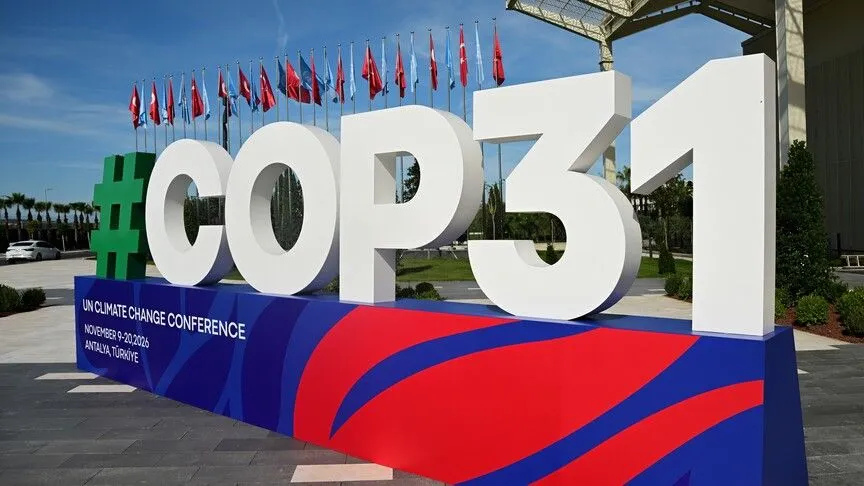
在联合国气候峰会COP31间隙,卡尔豪格表示,鉴于甲烷强大的温室效应及其在近期产生成果的潜力,采取甲烷行动尤为重要。
Speaking on the sidelines of the UN climate summit COP31, Kallhauge said methane action was particularly important because of the gas’s powerful greenhouse effect and the potential to deliver results in the near term.
她还强调了甲烷减排的经济潜力,称这种气体是一种可以利用而非浪费的资源。
She also highlighted the economic potential of methane reduction, describing the gas as a resource that could be used rather than wasted.
卡尔豪格说:“在大家都在考虑能源安全之际,我们究竟如何管理能源获取,让世界上那些大部分人口无法获得能源和负担得起的能源的地区也能用上能源?”她补充道:“能够减少这种浪费,将为这一目的提供额外资源。”
“At a time, when everyone is thinking about energy security, how do we actually manage access to energy in parts of the world where large parts of the population do not have access to energy and affordable energy?”Kallhauge said. “Being able to reduce that wastage, provides an additional resource that could be used for that purpose,” she added.
卡尔豪格指出了全球天然气浪费的规模,引用世界银行估算称,2025年全球燃烧放空的天然气约为1670亿立方米。
Kallhauge pointed to the scale of natural gas being wasted globally, citing World Bank estimates showing that around 167 billion cubic meters of natural gas were flared worldwide in 2025.
她说:“这基本相当于整个非洲大陆的消费量”,并形容这是向大气中释放的大量甲烷。
“And this is the same amount as basically what the entire African continent consumes,” she said, describing it as a significant amount of methane being released into the atmosphere.
从能源安全角度来看,她表示优先事项应是捕获被浪费的天然气并将其重新纳入能源体系。
From an energy security perspective, she said the priority should be capturing the wasted gas and bringing it back into the energy system.
卡尔豪格认为,减少甲烷排放既有经济理由也有政策理由,因为这能同时解决能源需求和环境问题。
Kallhauge argued that there was both an economic and policy case for action, as reducing methane emissions could help address energy needs and environmental concerns simultaneously.
她还指出,各国和行业利益相关方对甲烷行动经济效益的认识正在增强。
She also pointed to growing recognition of the economic benefits of methane action among countries and industry stakeholders.
回忆起与非洲能源委员会的一次活动时,她表示,当时与会者被问到甲烷对他们意味着什么。
Recalling an event with the Africa Energy Commission, she said participants had been asked what methane meant to them.
卡尔豪格指出:“我转向旁边的人,她来自一个与天然气出口商密切合作的机构。她的回答是,甲烷意味着资源,甲烷意味着金钱。”
“I turned to the person next to me who comes from an organization that works a lot with gas exporters. And her answer was, methane means resources, methane means money,” Kallhauge noted.
她将这一点与先前的讨论进行了对比,当时甲烷更常与气候影响联系在一起。
She contrasted this with previous discussions, when methane was more commonly associated with its climate implications.
卡尔豪格补充说:“我认为我们看到人们对采取甲烷行动的经济合理性的认识正在不断提高。”
“I think we’re seeing a growing recognition of the economic case for acting on methane,” Kallhauge added.
她强调,地缘政治形势进一步凸显了各国优化现有资源、减少浪费并捕获天然气将其重新注入能源系统的必要性。
She underscored that the geopolitical situation further highlighted the need for countries to optimize their existing resources, limit waste and capture gas to put it back into the energy system.
她说:“我们看到行业、国家和其他利益相关者日益认识到,解决甲烷问题实际上是一个经济机遇,是一个能源安全机遇,归根结底也是一个气候行动机遇。”
“We are seeing that growing awareness with the industry, with countries, and with other stakeholders, that addressing methane is actually an economic opportunity, it is an energy security opportunity, and ultimately it is also a climate action opportunity,” she said.
卡尔豪格强调,优先减少甲烷排放不应以牺牲减少二氧化碳排放的努力为代价,并表示必须同时解决这两个问题。
Kallhauge stressed that prioritizing methane reductions should not come at the expense of efforts to cut carbon dioxide emissions, saying both must be addressed simultaneously.
她强调:“采取甲烷行动并不意味着我们不应采取二氧化碳行动。我们实际上必须致力于大幅削减二氧化碳。”
“Acting on methane does not mean that we should not act on carbon dioxide. We must actually work on very deep cuts in carbon dioxide,” she stressed.
她解释说,对甲烷的重视与其带来的紧迫机遇以及相对迅速见效的可能性有关。
She explained that the emphasis on methane was linked to the immediate opportunity it offered and the possibility of seeing results relatively quickly.
卡尔豪格说:“当你能够看到成果时,你就会受到启发去做更多的事情。”
“When you’re able to see results, you’re inspired to do even more,” Kallhauge said.
她补充说:“削减甲烷排放并不恰恰相反,我们应该双管齐下,而且我们应该在这两个方面加速努力。”
“Cutting methane emissions does not mean that we don’t cut carbon dioxide. On the contrary, we should be doing both, and we should be accelerating efforts on both sides,” she added.
关于各国应将努力重点放在哪里,卡尔豪格认为石油和天然气行业是一个重大机遇,同时也强调了农业减排的潜力。
On where countries should prioritize their efforts, Kallhauge identified the oil and gas sector as a major opportunity, while also highlighting the potential for reductions in agriculture.
她还指出,目前已经有技术能够大幅减少石油和天然气行业的排放,其中一些举措不需要净成本。
She also noted that technologies were already available to significantly reduce emissions in the oil and gas sector, with some measures requiring no net cost.
她说:“我们拥有的技术可以削减约70%的排放量,而在这些排放中,60%可以通过零净成本实现。”
“We have technologies that can cut about 70% of the emissions, and of those emissions, 60% of that can be done at no net cost,” she said.
“因此,这意味着现在就可以开始行动。而且这种行动实际上具有巨大的经济价值。”尽管人们的意识不断提高,技术也已具备,但卡尔豪格指出,制度、人力和财务能力方面的制约因素是阻碍各国将甲烷承诺转化为行动的主要障碍。
“So it means that action can already start now. And that action actually has a huge economic value.”Despite growing awareness and available technologies, Kallhauge identified institutional, human and financial capacity constraints as major obstacles preventing countries from translating methane commitments into action.
她说:“承诺与落实之间的差距,在许多情况下,最大的差距之一就是缺乏能力,包括制度能力、人力能力和财务能力。”
“The gap between pledges and implementation, in many cases, one of the big gaps is the lack of capacity, both institutional, human capacity, and financial,” she said.
她认为,如果将甲烷行动单纯界定为环境问题,其资金筹措可能会更加困难,而将其纳入能源行业并强调其商业价值则有助于调动资源。
She argued that methane action could be more difficult to finance when framed exclusively as an environmental issue, while integrating it into the energy sector and highlighting its commercial value could help mobilize resources.
卡尔豪格还指出监管框架和政策存在不足,并强调需要明确的规则来提供确定性,并鼓励利益相关者朝着同一方向采取行动。
Kallhauge also pointed to insufficient regulatory frameworks and policies, stressing that clear rules were needed to provide certainty and encourage stakeholders to act in the same direction.
她强调,可靠的数据和适当的激励措施对于确保资源流向有效行动至关重要。
She emphasized that reliable data and appropriate incentives were essential to ensuring that resources were directed toward effective action.
她呼吁建立“由可靠且可信的数据提供充分支撑”的融资机制,并辅以通过法规和政策实施的问责措施。
She called for financing mechanisms “well-informed by reliable and credible data” and supported by accountability measures through regulations and policies.
在评估COP31取得的进展时,卡尔豪格将此次峰会描述为“一个良好的开端”,并强调了各方对落实工作和财务承诺的更多关注。
Assessing the progress made at COP31, Kallhauge described the summit as a “good start,” highlighting a stronger focus on implementation and financial commitments.
她说:“我认为令我感到极其鼓舞的事情之一,是我们如何更多地转向围绕落实以及落实包含哪些内容展开对话。”
“I think one of the things I’m finding extremely encouraging is how we have pivoted more into a conversation around implementation and what implementation entails,” she said.
卡尔豪格(Kallhauge)还对峰会期间宣布的大额资金承诺表示欢迎,并称看到各国以资金兑现承诺令人鼓舞。
Kallhauge also welcomed the substantial financial pledges announced during the summit, saying it was encouraging to see countries backing their commitments with funding.
她指出,主要利益相关方和机构关于其持续努力成果的报告令人瞩目,同时也警告称“我们还有很长的路要走”。展望未来,她呼吁就减少甲烷排放的重要性以及加速努力以实现“全球甲烷承诺”2030年目标的必要性发出强烈的政治信号。
She pointed to reports from key stakeholders and institutions about the results of their ongoing efforts, while cautioning that “we still have a long way to go.”Looking ahead, she called for a strong political signal on the importance of methane reduction and the need to accelerate efforts to meet the Global Methane Pledge’s 2030 goal.
卡尔豪格还敦促各国和利益相关方加强伙伴关系,并借鉴峰会的经验教训来加速落实。
Kallhauge also urged countries and stakeholders to strengthen partnerships and build on lessons from the summit to accelerate implementation.
她说:“这样当我们在明年会面时,我们将庆祝那些显示我们实际上已经将落实步伐翻倍并加速推进的成果。”
“So that when we meet next year, we will be celebrating results that show that we have actually doubled the pace and accelerated our implementation,” she said.