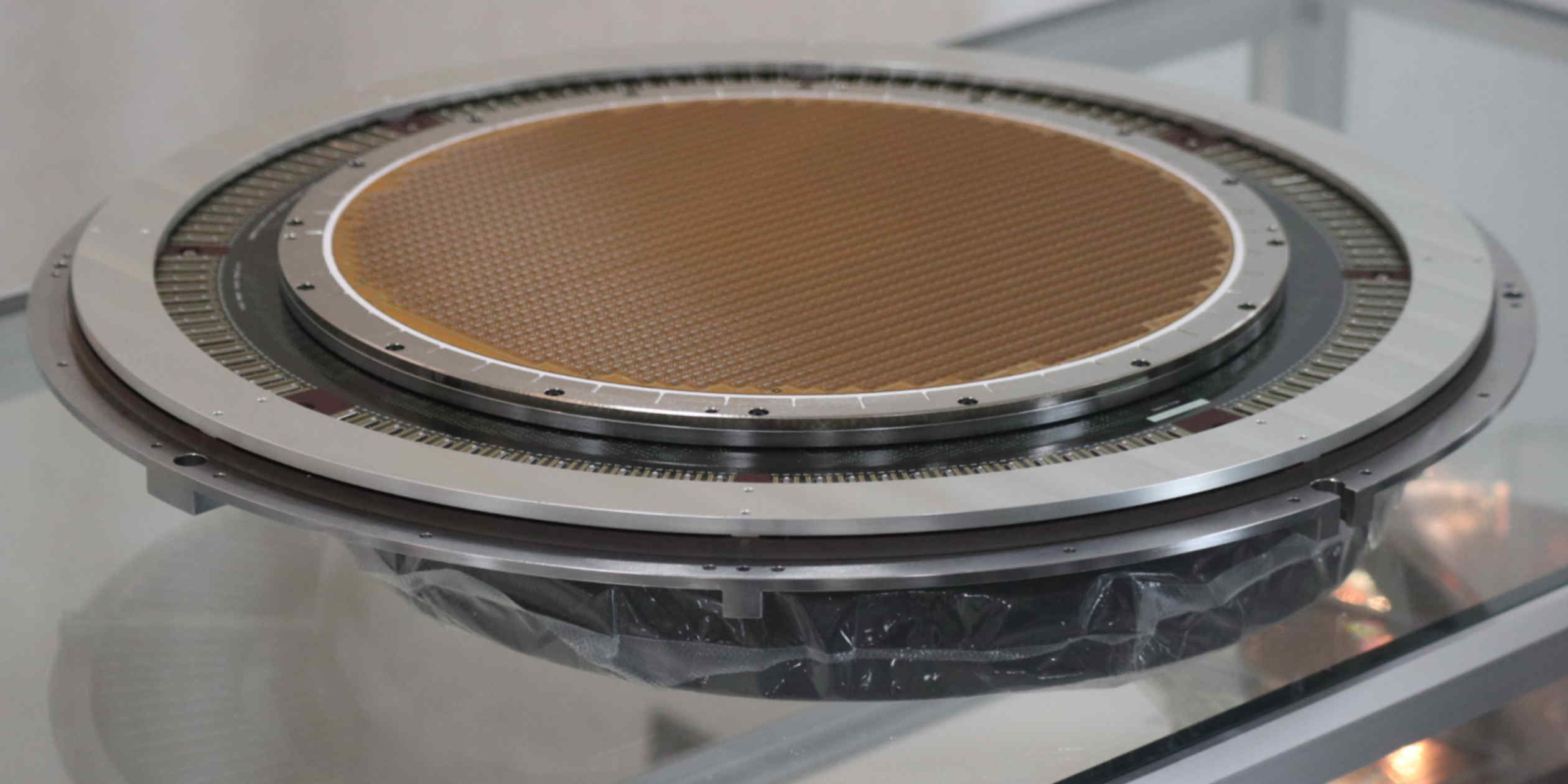
东京 —— 芯片测试工具制造商 Micronics Japan 正考虑加快扩产步伐,以应对三星电子等知名半导体制造商激增的需求。
TOKYO -- Micronics Japan, a chip-testing tool maker, is considering ramping up its production expansion to meet a surge in demand from Samsung Electronics and other big-name semiconductor manufacturers.
Micronics 生产用于对半导体电路进行电气测试的探针卡。公司长谷川正义告诉《日经新闻》,Micronics 正在日本寻找土地建设制造设施,以提高产能。
Micronics, which makes probe cards used for conducting electrical tests on semiconductor circuits, is searching for land in Japan to build a manufacturing facility in an effort to boost output, company Masayoshi Hasegawa told Nikkei.
此前,Micronics 曾于 3 月表示将投资 241 亿日元(约合 1.51 亿美元)以提高产能。设备将在明年至 2028 年间安装,以在工厂空间允许的范围内最大化产能。
This comes after Micronics said in March that it would invest 24.1 billion yen ($151 million) to boost output. Equipment will be installed between next year and 2028 to maximize production capacity as factory space permits.
长谷川表示:“如果目前的产能投资到 2030 年左右还不能为生产做出贡献,那就不够用了。”
If the current investment in capacity "isn't contributing to production by around 2030, it won't be enough," said Hasegawa.
Micronics 在用于制造存储半导体的探针卡领域占据全球第一的市场份额。根据世界半导体贸易统计组织的数据,受人工智能热潮推动,今年存储市场预计将达到 8039 亿美元,较 2025 年增长两倍多。
Micronics holds the top global market share for probe cards used to make memory semiconductors. Fueled by the artificial intelligence boom, the memory market this year is projected to reach $803.9 billion, according to World Semiconductor Trade Statistics, more than tripling from 2025.
去年,三星电子贡献了 Micronics Japan 近一半的销售额。
Samsung Electronics was responsible for nearly half of Micronics Japan's sales last year.
去年,Micronics 49.9% 的销售额来自存储龙头三星。另有 21.4% 来自美国公司美光科技的台湾子公司。全球第二大存储芯片制造商 SK 海力士也是其客户。
Last year, 49.9% of Micronics' sales came from memory leader Samsung. Another 21.4% originated from the Taiwanese subsidiary of U.S. company Micron Technology. SK Hynix, the world's second-largest memory maker, is a client as well.
通过与存储芯片企业的长期合作关系,Micronics 积累了生产符合客户需求的探针卡的专业技术。随着存储芯片技术日益先进,Micronics 越来越多地被选为供应商。
Through long-standing relationships with memory companies, Micronics has accumulated expertise in producing probe cards that match a customer's needs. As memory chips become more advanced, Micronics is increasingly being chosen as a supplier.
三星和 SK 计划合计投资 800 万亿韩元(约合 5990 亿美元),在韩国建设四座芯片工厂。美光科技也在日本和美国扩建设施。探针卡制造商也在响应这一趋势,纷纷提高产能。
Samsung and SK plan to invest a combined 800 trillion won ($599 billion) to build four chip plants in South Korea Micron Technology is also expanding facilities in Japan and the U.S. Probe card manufacturers are responding to this trend by boosting production as well.
日本微电子公司预计今年合并销售额将达到1100亿日元,同比增长57%。净利润预计将翻一番多,达到268亿日元。该公司股价已升至五年前水平的五倍以上。
Micronics is expected to log 110 billion yen in consolidated sales this year, up 57% on the year. Net profit is projected to more than doubled to 26.8 billion yen. Micronics' share price is trading at more than quintuple the level from five years ago.
尽管日本微电子在存储器应用领域展现了统治地位,但受非存储器应用表现拖累,其在整体探针卡市场份额上位居第三。
Although Micronics has demonstrated its dominance in memory applications, the company is in third place in terms of overall probe card market share, dragged down by its performance in non-memory applications.
日本微电子社长长谷川正义表示,公司正在寻找土地以建设生产设施。
Micronics Japan President Masayoshi Hasegawa says the company is looking for land to build a production facility.
去年,非存储器探针卡带来61亿日元收入,占探针卡销售额的不足10%。特别是在AI计算半导体用探针卡方面,日本微电子落后于竞争对手。
Last year, non-memory probe cards brought in 6.1 billion yen in revenue, accounting for less than 10% of probe card sales. In particular, Micronics lags behind in probe cards for AI computing semiconductors.
对日本微电子而言,非存储器探针卡既是最大挑战,也是具有显著增长潜力的细分市场。然而,AI芯片使用垂直探针卡,而日本微电子专长于悬臂探针卡。拓展非存储器探针卡业务将要求升级生产技术。
For Micronics, non-memory probe cards represent the biggest challenge and a segment with significant growth potential. However, AI chips use vertical probe cards and Micronics specializes in cantilever probe cards. An expansion of non-memory probe cards would demand upgrades in production tech.
长谷川表示:“我们寻求在能够创造利润的结构下提高市场份额。”
"We seek to increase our market share within a structure that is able to generate profit," Hasegawa said.
据长谷川透露,日本微电子正与非存储器领域的芯片制造商进行技术磋商,目标是在未来几年内实现采用。
Micronics is in technical discussions with chipmakers in the non-memory sector, aiming for adoption within the next few years, according to Hasegawa.