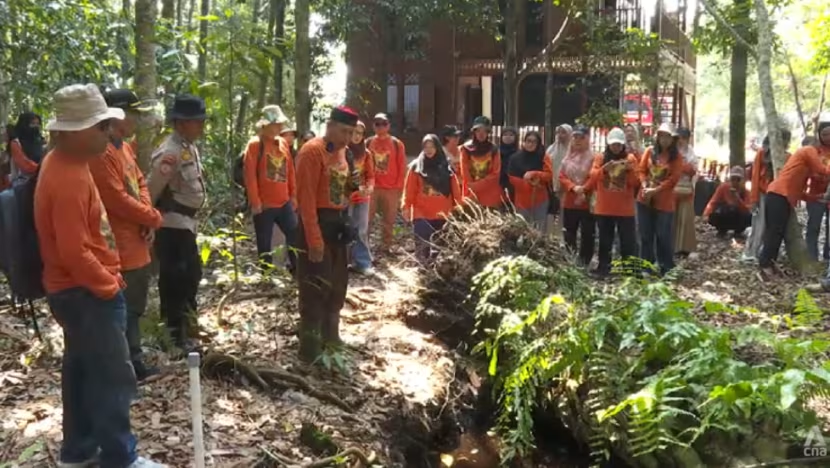
印度尼西亚丹容勒班:在2015年泥炭地大火造成毁灭性破坏十多年后,印度尼西亚廖内省的一个村庄正成为社区主导恢复工作和预防未来火灾的典范。
TANJUNG LEBAN, Indonesia: More than a decade after it was devastated by peatland fires in 2015, a village in Indonesia's Riau province is emerging as a model for community-led restoration and efforts to prevent future blazes.
廖内省沿海的明古鲁县丹容勒班村,尽管今年遭遇严重旱季,引发全省及印尼其他地区森林和土地火灾,但该村仍将火灾损失控制在最低程度。
Tanjung Leban in Riau's coastal Bengkalis regency has managed to keep fire damage to a minimum this year, despite a severe dry season that sparked forest and land fires across the province and other parts of Indonesia.
其成功凸显了当地社区在预防火灾和保护脆弱泥炭地方面所能发挥的作用。
Its success highlights the role local communities can play in preventing fires and protecting vulnerable peatlands.
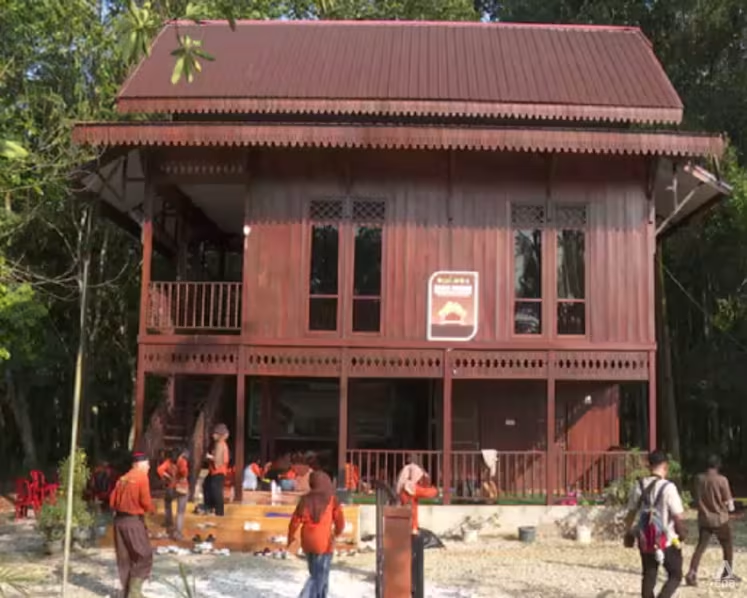
当局越来越多地利用村民对地形和水道的了解,以支持泥炭地恢复工作,尽管仍面临挑战,包括部分居民的抵触和资金有限。“伦杜之家”作为丹容勒班泥炭地恢复工作的会议和学习场所。“活体实验室”9月,印度尼西亚林业部将丹容勒班认定为社区主导的泥炭地恢复和火灾预防“活体实验室”,作为一项国家试点项目的一部分。
Authorities are increasingly tapping into villagers' knowledge of the terrain and waterways to support peatland restoration efforts, although challenges remain, including resistance from some residents and limited funding. Rumah Runding serves as a meeting and learning space for peatland restoration efforts in Tanjung Leban. “LIVING LABORATORY”
该倡议的核心是“伦杜之家”,一座位于村内已恢复泥炭地区域内的两层木结构建筑。
In September, Indonesia's Forestry Ministry identified Tanjung Leban as a "living laboratory" for community-led peatland restoration and fire prevention as part of a national pilot project.
自2021年试运行以来,它汇聚了村民、研究人员和环保团体,共享知识与想法。
At the heart of the initiative is Rumah Runding, or Discussion House, a two-storey wooden building set within a restored peatland area in the village.
廖内大学泥炭地与灾害研究卓越中心高级研究员哈里斯·古纳万表示:“我们测试知识和技术如何通过不同方法得以应用。”
Since its soft launch in 2021, it has brought together villagers, researchers and environmental groups to share knowledge and ideas.
“这些方法是由各利益相关方协作开发和讨论的,汇集了不同学科的专业知识。”他表示,这种协作方式是丹容勒班泥炭地恢复工作的优势之一,特别是在其覆盖2400公顷的实验区域。维持地下水位 重点之一是保持泥炭地湿润,以降低火灾风险。
"We test how knowledge and technology can be applied through different approaches,” said Haris Gunawan, a senior researcher at the University of Riau's Centre of Excellence for Peatland and Disaster Studies. “These approaches are developed and discussed collaboratively with various stakeholders, bringing together expertise from different disciplines.”He said this collaborative approach is one of the strengths of Tanjung Leban's peatland restoration efforts, particularly at its experimental sites spanning 2,400ha.
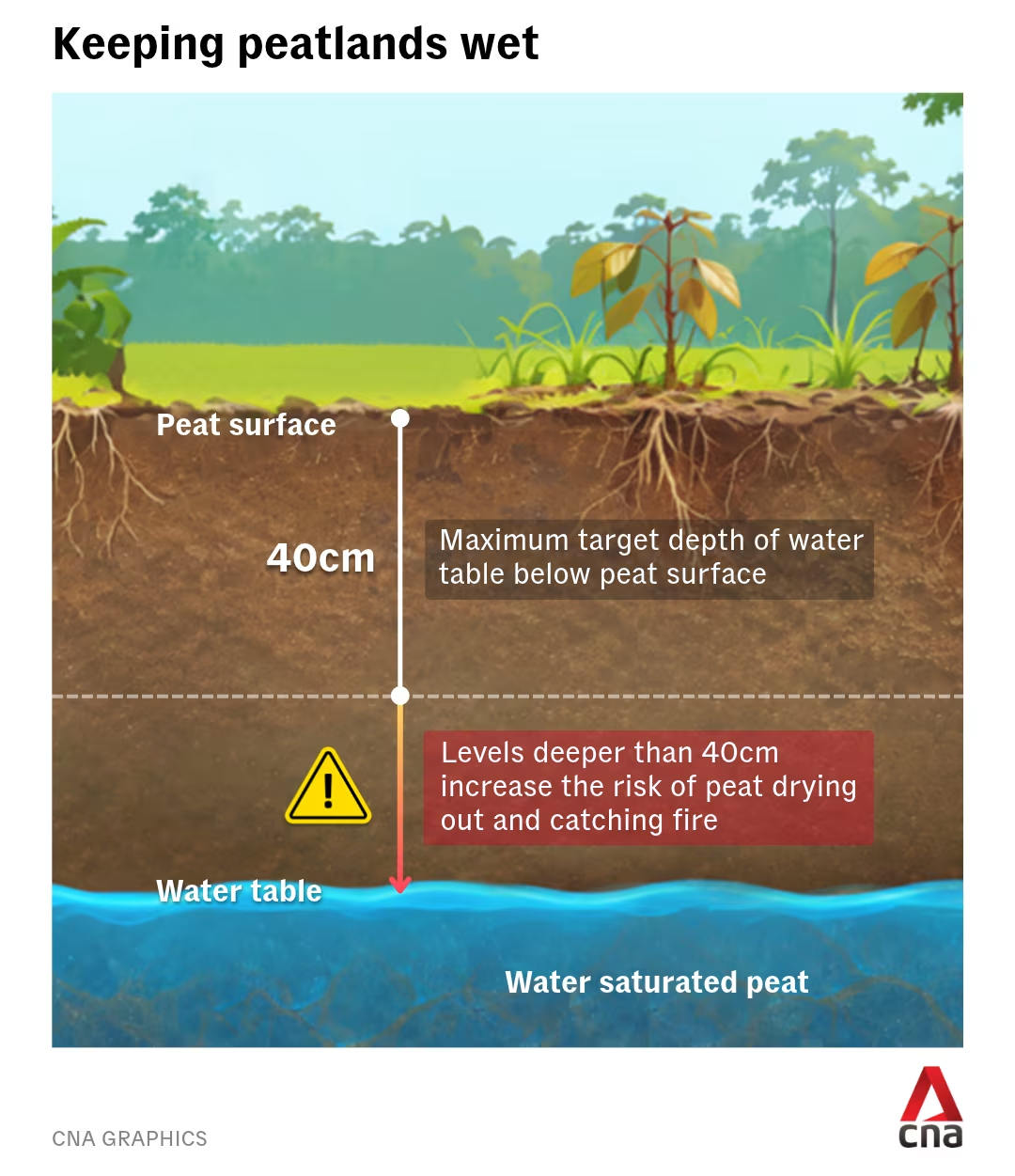
印度尼西亚已出台旨在维持地下水位的法规,规定地下水位不得低于泥炭地表面40厘米以上。当地下水位低于该水平时,泥炭开始干燥,更容易发生火灾。
MAINTAINING GROUNDWATER LEVELS A key focus is keeping peatlands wet to reduce the risk of fires. Indonesia has introduced regulations aimed at maintaining groundwater levels, with a water table threshold of no more than 40cm below the peat surface.
但印度尼西亚环境部长穆罕默德·朱姆胡尔·希达亚特表示,恢复措施必须考虑当地条件的差异。
When the water table drops below that level, the peat begins to dry out, making it more vulnerable to fire.
“每个泥炭地都没有单一的公式。东南亚的自然地下水位条件各不相同,取决于降雨量、地理位置和季节,”他说。
But Indonesian Environment Minister Mohammad Jumhur Hidayat said restoration measures must account for differences in local conditions.
“恢复必须回应景观,而非遵循统一设计。”运河堵坝面临阻力 20世纪90年代,大片运河网络被挖掘,用于排干泥炭地以开展大规模农业项目,主要在苏门答腊和加里曼丹的部分地区。
“There is no single formula for every peatland. Natural water table conditions vary across Southeast Asia, with rainfall, location and seasons,” he said. “Restoration must respond to the landscape rather than follow a uniform design.”
其中最大的一个是巨型稻田计划,由时任印度尼西亚总统苏哈托在中加里曼丹启动,旨在将100万公顷泥炭沼泽森林改造成稻田。1996年1月至1998年7月间,挖掘了超过4000公里的排水运河。
CANAL BLOCKS FACE RESISTANCE In the 1990s, vast networks of canals were dug to drain peatlands for large-scale agricultural projects, primarily in parts of Sumatra and Kalimantan. One of the largest was the Mega Rice Project, launched under then Indonesian President Suharto in Central Kalimantan, which aimed to convert 1 million ha of peat swamp forest into rice fields.
但该项目失败了,因为酸性、贫瘠的泥炭地无法支撑大规模水稻种植。排水过度的泥炭地干涸,使大片地区易受火灾影响。水流过坦朱莱班的一道运河堵坝结构。
More than 4,000km of drainage canals were dug between January 1996 and July 1998. But the project failed because the acidic, nutrient-poor peatland could not sustain large-scale rice farming. The over-drained peatlands dried out, leaving large areas vulnerable to fires.
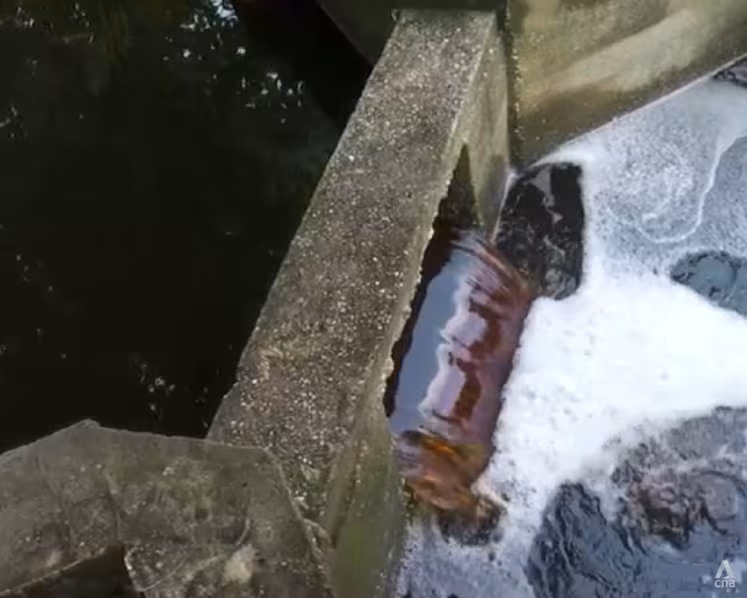
在坦朱莱班,当局和当地社区正在通过安装运河堵坝来恢复被排干的泥炭地,这些堵坝能蓄水并提高水位,使水分渗入周围的泥炭地。
Water flows over a canal-blocking structure in Tanjung Leban.
但研究人员表示,这些措施的成功取决于社区支持,尤其是那些担心水位升高可能影响其种植园的居民。
In Tanjung Leban, authorities and local communities are working to restore drained peatlands by installing canal blocks, which retain water and raise water levels, allowing moisture to seep into the surrounding peatland.
里约大学泥炭地与灾害研究卓越中心负责人西吉特·苏蒂克诺表示,尽管在安装前进行了协商,但一些渠道堰坝仍遭到居民抵制。“即使在我们自己的社区里,也不总是有相同的认识,”他说。
But researchers say the success of these measures depends on community support, particularly among residents concerned that higher water levels could affect their plantations. Sigit Sutikno, head of the University of Riau's Centre of Excellence for Peatland and Disaster Studies, said some canal blocks have faced resistance from residents, despite consultations before their installation.
“我们建造的一些渠道堰坝已被居民损坏,仅仅是因为他们不了解其用途。”资金短缺威胁恢复工作维护已安装的渠道堰坝是另一项挑战。在坦朱莱班,许多此类结构已损坏不堪。村务秘书阿尔·伊姆兰表示,资金和政策缺口正在阻碍恢复工作。“我们没有泥炭地恢复的资金,”他说。
"Even within our own community, we don't always share the same understanding,” he said. “Some of the canal blocks we've built have been damaged by residents simply because they don't understand their purpose.”FUNDING SHORTFALL THREATENS RESTORATION Maintaining installed canal blocks is another challenge. In Tanjung Leban, many of these structures have fallen into disrepair. Village secretary Al Imran said funding and policy gaps are hindering restoration work.
“坦率地说,来自中央或更高层级政府的项目尚未到达我们的村庄。没有明确的政策或技术指南,村政府无法为恢复工作分配预算,”他补充道。
“We have no funding for peatland restoration,” he said.
与里约各地社区合作的环保组织表示,资金问题不仅限于坦朱莱班。
“Frankly, programmes from the central or higher levels of government have yet to reach our village. Without clear policies or technical guidelines, the village authorities cannot allocate a budget for restoration,” he added.
“预算削减使村庄难以支付基本行政开支,更不用说环保项目或其他举措了,”泥炭基金会主任穆利亚迪表示。该组织是一家印度尼西亚非营利组织,与当地社区合作开展泥炭地和红树林恢复工作。
The funding problem extends beyond Tanjung Leban, according to environmental groups working with communities across Riau. "Budget cuts have left villages struggling to cover basic administrative costs, let alone environmental programmes or other initiatives," said Mulyadi, director of the Peatland Foundation, an Indonesian non-profit organisation that works with local communities on peatland and mangrove restoration.
穆利亚迪表示,要使村主导的恢复工作持续下去,持续的政府支持和资源将至关重要。
For village-led restoration efforts to be sustained, Mulyadi said continued government support and resources will be crucial.