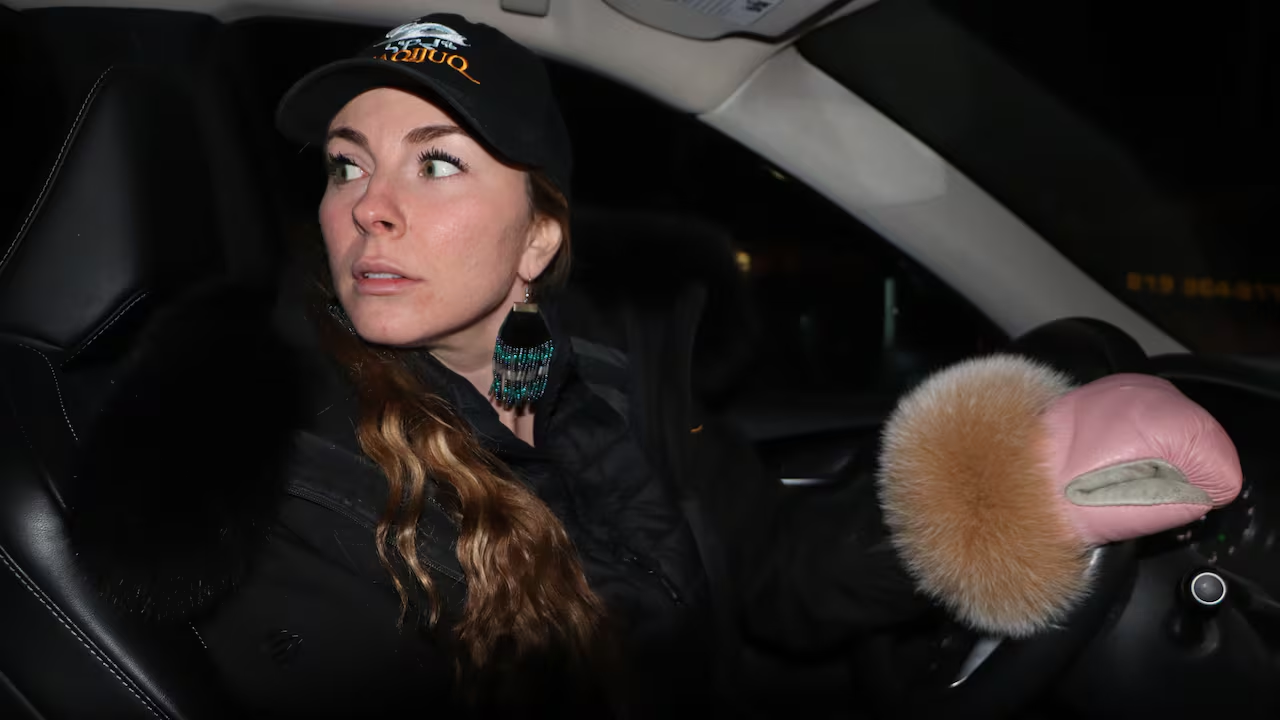
当阿丽亚娜·理查德(Ariane Richard)在魁北克北部村庄库诸瓦克(Kuujjuaq)开始值班时,太阳几乎已经落山。
The sun is nearly set by the time Ariane Richard starts her shift in Kuujjuaq, a village in northern Quebec.
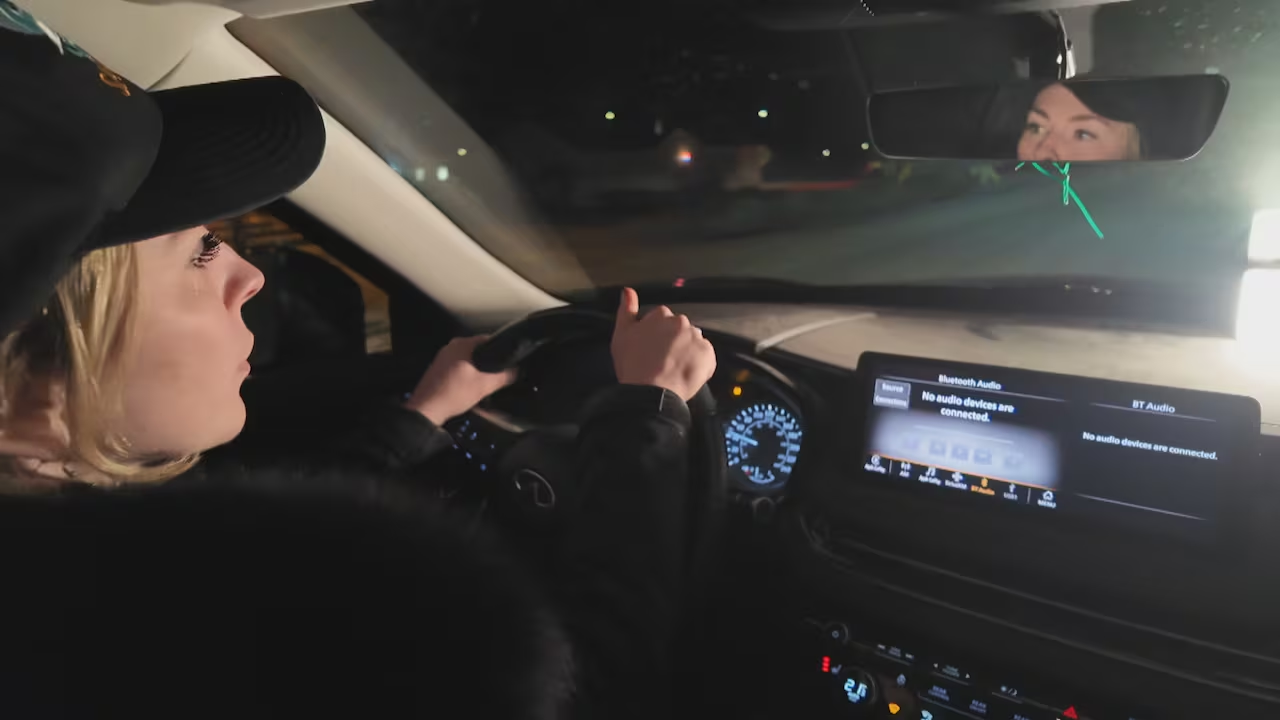
在11月初的一个晚上,她的汽车后座挤得满满当当——载着一名警察、一名正在接受培训的新干预工作者,以及随行的加拿大广播公司新闻(CBC News)团队。在北方担任了六年干预工作者后,理查德表示她见过了很多情况。“有很多东西,你未必做好了看到的准备,”她说。但她最新的角色有点不同。
And on an evening in early November, her back seat is full — with a police officer, a new intervention worker in training and a CBC News team, in tow. After six years working in the North as an intervention worker, Richard says she's seen a lot. "A lot of stuff you're not necessarily ready to see," she said. But her newest role is a bit different.
在过去的一年里,她一直协调萨吉尤克(Saqijuq)的移动干预团队(MIT),并领导该团队在库诸瓦克的行动——将干预工作者与警官进行搭档,力求减少警察介入、逮捕和武力使用。
For the past year, she's co-ordinated Saqijuq's Mobile Intervention Team (MIT) and led the unit in Kuujjuaq — pairing intervention workers with officers in an effort to reduce police involvement, arrests and use of force.
这个由因纽特人领导的组织在魁北克北部社区普维尔尼图克(Puvirnituq)、库诸瓦克以及最近建立的萨卢伊特(Salluit)设立了该团队,并表示该团队旨在解决紧迫的问题:自杀预防、亲密伴侣暴力、心理健康危机以及面临风险的儿童。该小组负责需要时间、敏感性和后续跟进的干预工作。该团队于2019年首次在该地区成立。这个干预团队能帮助魁北克北部的村庄信任警察吗?
Established in the northern Quebec communities of Puvirnituq, Kuujjuaq and most recently Salluit, the Inuit-led organization says the team is meant to address pressing issues: suicide prevention, intimate partner violence, mental health crises and at-risk children. The unit takes on interventions that require time, sensitivity and follow-ups. The team was first established in the region in 2019. Could this intervention team help villages trust police in northern Quebec?
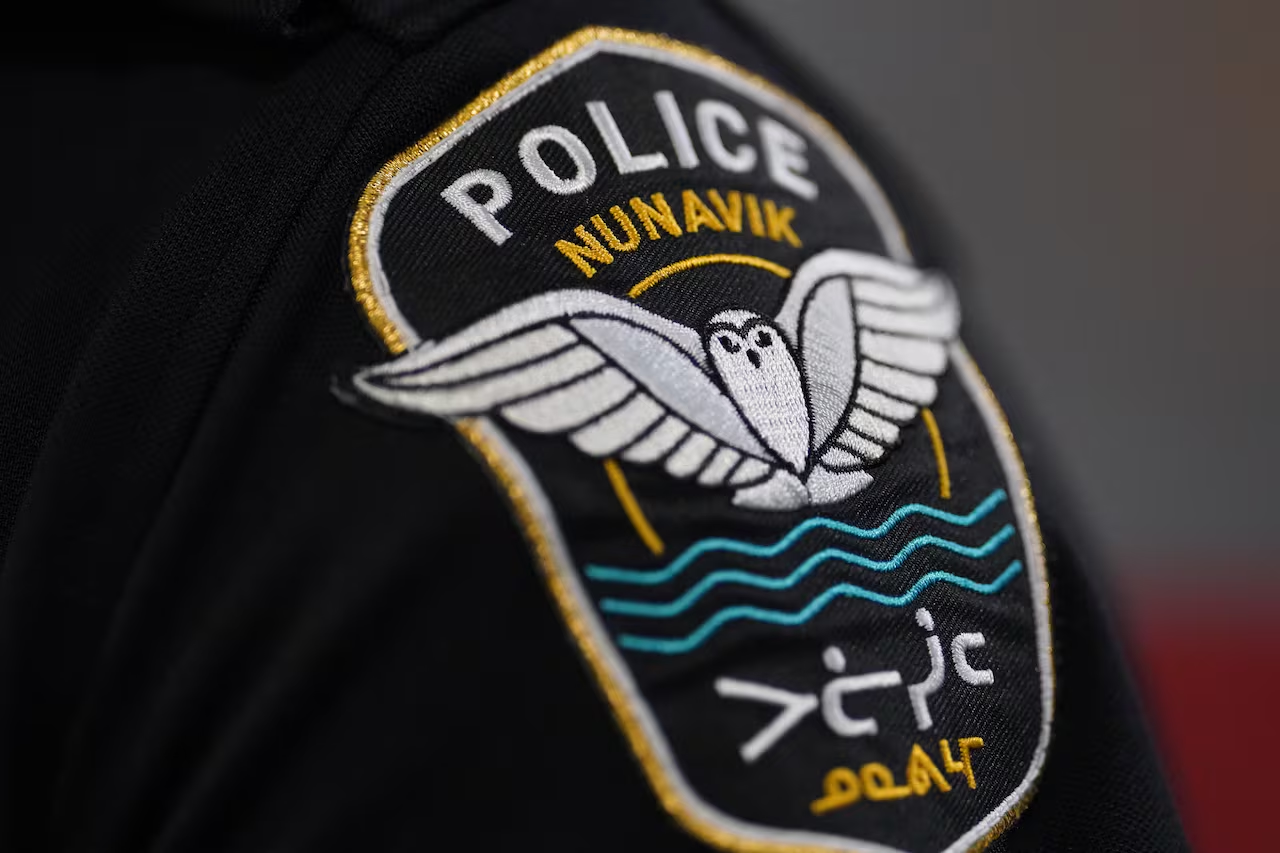
在因纽特人与努纳维克警察局(Nunavik Police Service)之间日益侵蚀的信任阴影下,该团队在过去几年中不断扩大,而几起备受瞩目的涉警枪击事件更是加剧了这种不信任。
It expanded over the last couple of years in the shadow of eroding trust between Inuit and the Nunavik Police Service (NPS) — compounded by several high-profile police-involved shootings.
2024年,在警察开枪打死26岁的约书亚·帕皮加图克(Joshua Papigatuk)并打伤其双胞胎兄弟加内特(Garnet)之后,该省各地的社区纷纷游行谴责该地区的警察暴力执法,这一事件轰动了全省。
In 2024, communities across the province took part in marches to denounce police brutality in the region after police fatally shot 26-year-old Joshua Papigatuk and injured his twin brother, Garnet, in an incident that made headlines across the province.
不久之后,在魁北克省康吉克苏卢瑞克(Kangiqsualujjuaq)因警察枪击身亡的马克·R·阿纳纳克(Mark R. Annanack)的家属共同签署了一封信,呼吁对努纳维克警察局进行变革。
Not long after, the family of Mark R. Annanack, who died in Kangiqsualujjuaq, Que., following a fatal police shooting, co-signed a letter calling for changes within the NPS.
本月,阿纳纳克的父亲和帕皮加图克幸存的双胞胎兄弟加内特向国民议会议员、各部长以及省长保罗·圣皮埃尔·普拉蒙东(Paul St-Pierre Plamondon)发表了一份声明。家属们正要求立即投资,以彻底整顿当地的司法和警务服务。
This month, Annanack's father and Papigatuk's surviving twin brother, Garnet, issued a statement to members of the National Assembly, ministers and Premier Paul St-Pierre Plamondon. The families are demanding immediate investments for an overhaul of local judicial and policing services.
“因纽特人正在死去,我们的尊严受到伤害,”一份名为“为因纽特人争取正义”(Justice for Inuit)的脸书(Facebook)主页发布的声明中写道。就在几天后,即11月4日,将迎来约书亚·帕皮加图克(Joshua Papigatuk)逝世两周年纪念日。
"Inuit are dying and our dignity suffers," read the release, issued on a Facebook page titled "Justice for Inuit," just days ahead of the two-year anniversary of Joshua Papigatuk's death, on Nov. 4. On Tuesday, the province's Crown prosecutor's office announced that charges would not be laid against the officers who shot and killed Joshua. 'MIT should be in every village'
周二,该省皇家检察官办公室宣布,将不会对开枪打死约书亚的警员提出指控。“MIT应该进驻每一个村庄”在努纳维克工作了过去11年的努纳维克警察局(NPS)东南部处负责人、上尉梅兰妮·帕内通(Mélanie Panneton)表示,与MIT这样的单位建立伙伴关系有助于建立警察与社区之间的信任。
Having partnerships with units like the MIT helps build trust between police and the community, says Capt. Mélanie Panneton, in charge of the southeast division for the NPS, who has worked in Nunavik for the past 11 years.
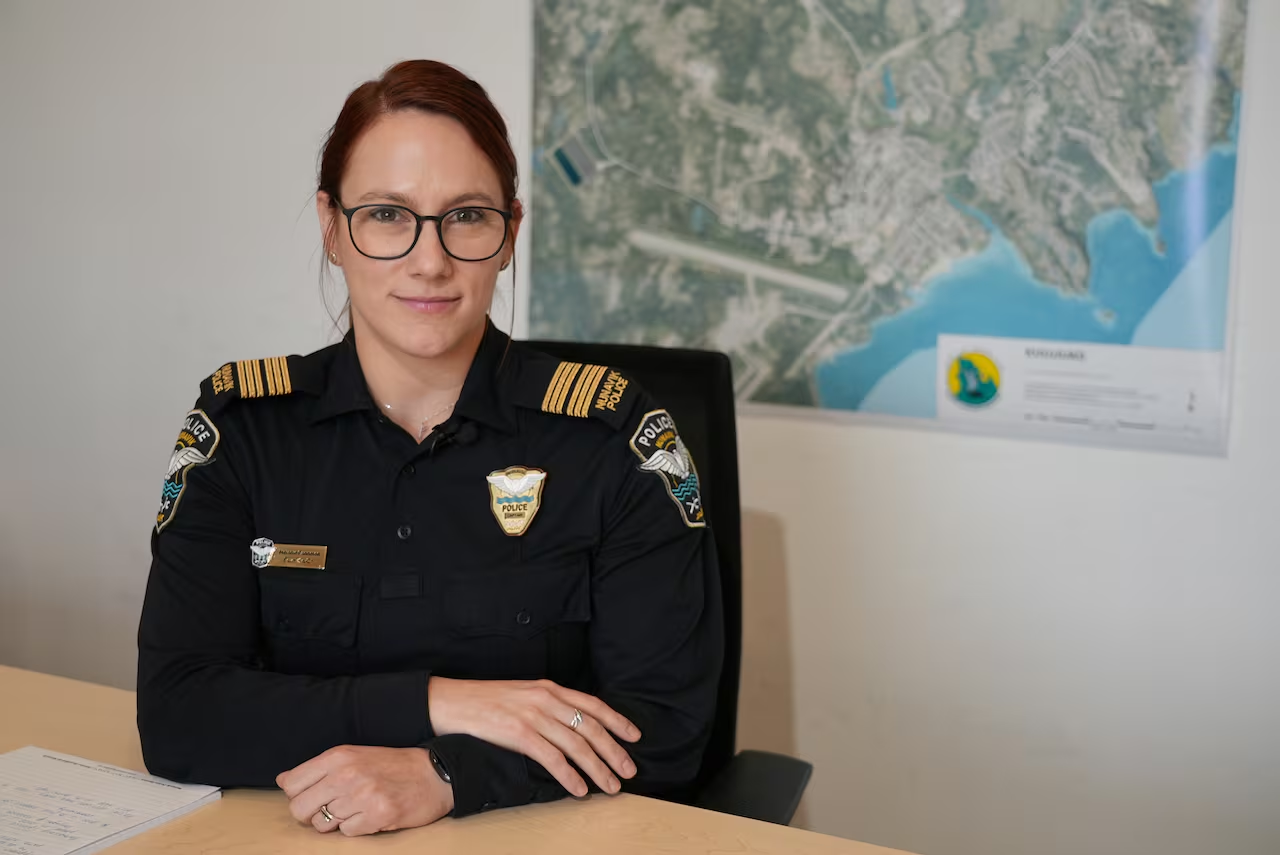
她坐在位于镇中心的库朱瓦克(Kuujjuaq)警察总部里说:“这有助于我们关注警务工作的另一面。”
"It helps us focus on another side of policing," she said, sitting in Kuujjuaq's police headquarters, located in the centre of town.
她说:“这始终是一个学习的机会。把更多的注意力放在局势降级上是有益的。”昂加瓦(Ungava)海岸青年保护局局长卡罗琳·西马尔(Caroline Simard)支持MIT的方法,她指出该方法应对的是不一定属于警务问题的情况。
"It's always a learning opportunity," she said. "It's beneficial to put more [of] the focus on de-escalation." Caroline Simard, the director of youth protection for the Ungava coast, stands by the MIT approach, noting it responds to situations that aren't necessarily a policing matter.
据她称,“MIT应该进驻每一个村庄,因为这是最佳的干预方式。”
According to her, "MIT should be in every village, because it's the best way to intervene."
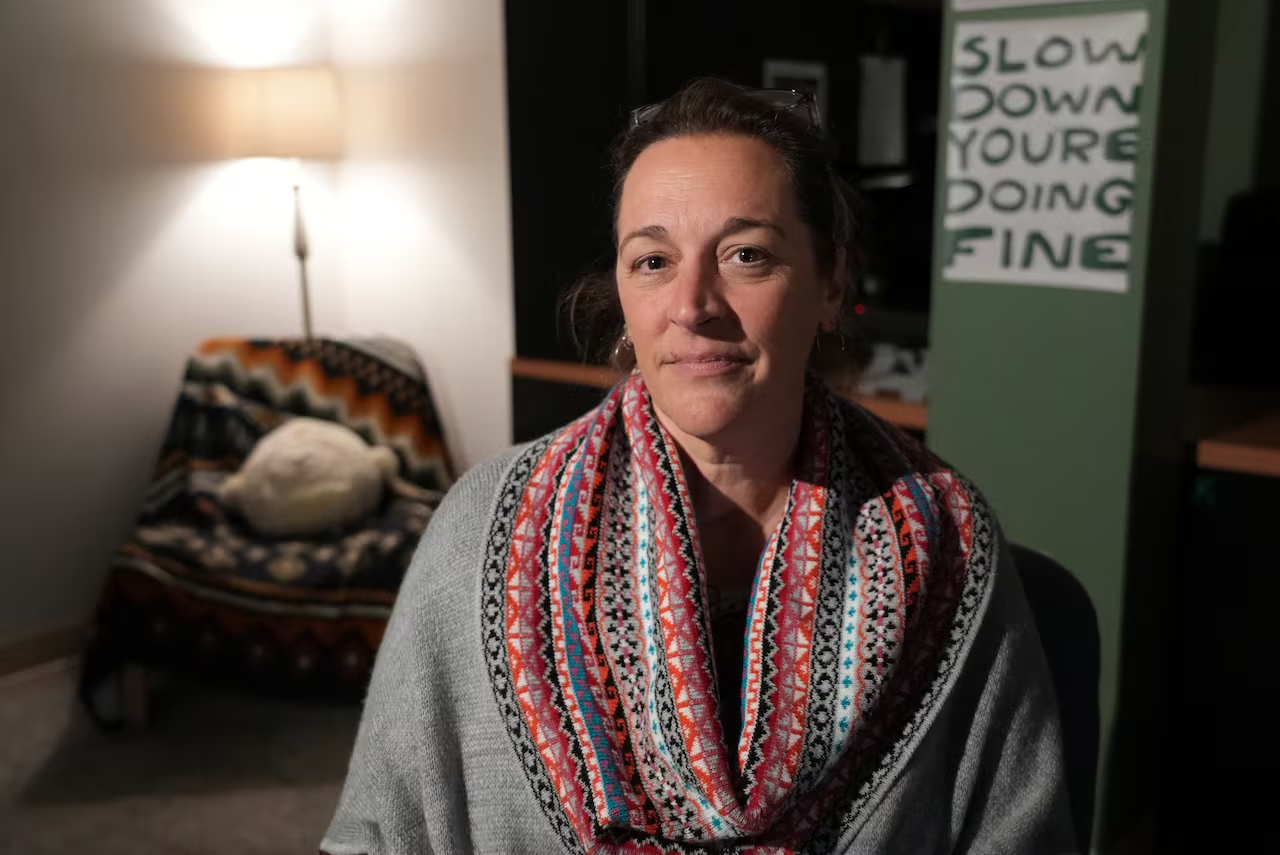
她说:“对于家属来说,看到MIT——也就是萨基尤克(Saqijuq)——到来,比看到[青年保护局]要少一些压力。”
"It's less stressful for family to see MIT coming, just Saqijuq, than [the Department of Youth Protection]," she said.
“人们有一种印象,觉得我们要带走孩子并把他们送到南方,然后家属就再也见不到他们的孩子了。”带来“温柔”与仙女翅膀努纳维克警员汤米·贝尔特朗·德拉奇奥(Tommy Bertrand Dell'Accio)正在以开放的心态接受一种做事的新方式。
"There's the image that we're going to take children and send them down south and then family won't ever see their children again." Bringing 'softness' and fairy wings Nunavik police officer Const. Tommy Bertrand Dell'Accio is opening his mind to a new way of doing things.
就在本月早些时候,他坐在萨基尤克MIT车辆的后座上,手里拿着粉色闪亮的仙女翅膀和一根相配的魔杖。
Here he was, in the backseat of Saqijuq's MIT vehicle earlier this month, holding pink sparkly fairy wings and a matching wand.
他表示,在前一天,在团队正在协助的一名小女孩提出特殊要求后,他佩戴了这些配饰。
The day earlier, he says he wore the accessories after a special request from a young girl the team was assisting.
“现在她居然又让我把它放回去,”他笑着说。当时他正随同加拿大广播公司新闻(CBC News)随车出行,在连续第二天去见这名女孩的路上。
"And now she's actually asking for me to put it back again," he said smiling, during a ride-along with CBC News, on his way to meeting the girl for a second consecutive day.
街道上一片漆黑,队员们匆忙协助将这名儿童转移到位于魁北克省昂加瓦湾沿岸北部社区的一个集体宿舍。
The streets were dark as the team hurried to help transfer the child to a group home in the northern community, located along Quebec's Ungava Bay.
“我告诉过你我有魔杖,”贝特朗·德拉西奥(Bertrand Dell'Accio)说道,他与理查德(Richard)以及该团队最新实习生索菲·贝尔热龙(Sophie Bergeron)一起向她打招呼。
"I told you I had the wand," said Bertrand Dell'Accio, greeting her alongside Richard and the team's newest trainee, Sophie Bergeron.
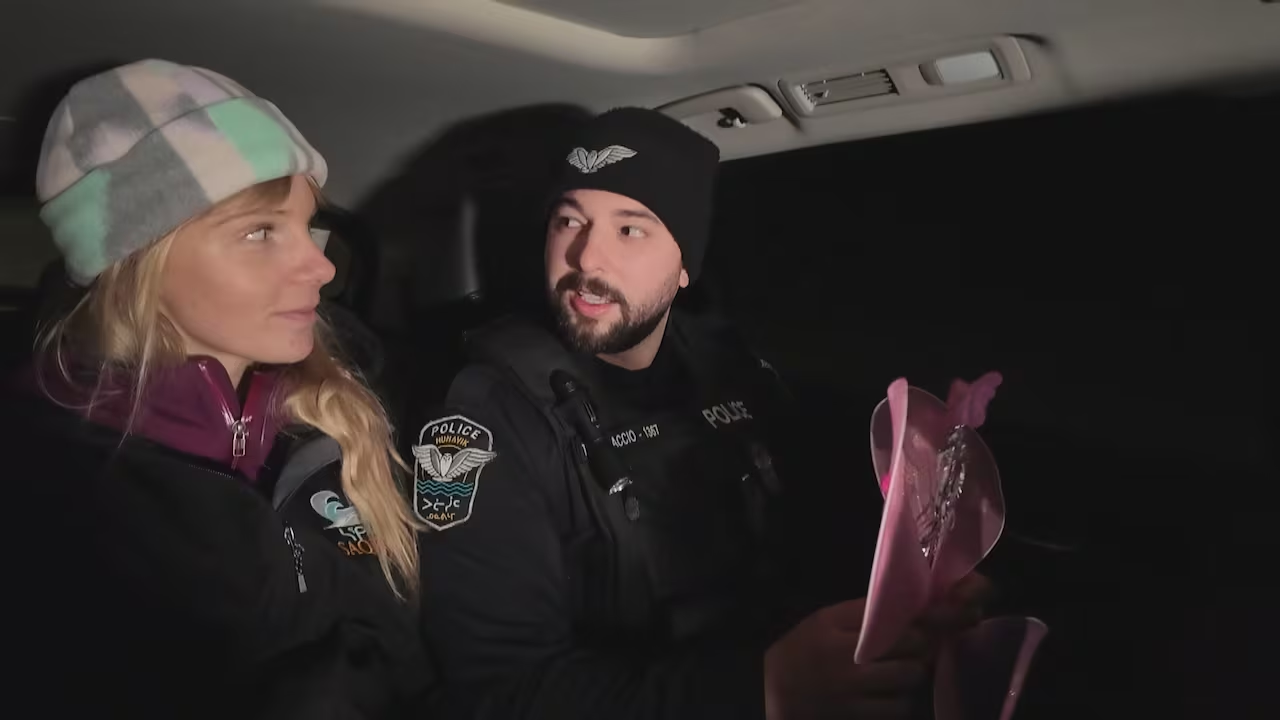
他送给女孩一个亮晶晶的配饰作为礼物,并跟着她走上了集体宿舍的台阶。
He handed the girl a sparkly accessory as a gift and followed her up the group home's steps.
后来,回到车里时,他指出尽管自己正在值班——而且穿着制服——但他当晚的角色主要是提供支持。
Later, back in the car, he noted despite his being on shift — and in uniform — his role that night was meant as a support.
“同时也是为了向公众表明,警察不仅是在这里逮捕人,而且是在这里参与其中,”他说。
"To show the population as well that police officer[s] are not just here to arrest people, but they're here to get involved," he said.
理查德表示,MIT在没有备勤时,主要专注于预防工作,并通过参与卡拉OK、排球或不给糖就捣蛋等当地活动来建立联系。
The MIT — when not on call — is focused on prevention and building connections by participating in local events, like karaoke, volleyball or trick-or-treating, says Richard.
“我的目标和我们的目标……真的是在即使遇到艰难时刻时,也能带来一点温柔和快乐,”她说。
"My goal and our goal … is really to bring a little bit of softness and joy even when it's a rough time," she said.
“在我们进行的任何干预中,都有办法带来……幸福,这确实就是目标。”努纳维克警察信任度处于“最低点”,局长如是说正如加拿大统计局的多份报告所概述的那样,历史上加拿大原住民对警察的信任度一直较低。
"There's a way to bring … happiness in any of our interventions, and that's really the goal of it." Trust in Nunavik police was at 'its lowest,' says chief Confidence in police has historically been lower amongst Indigenous people in Canada, as outlined in a number of Statistics Canada reports.
在2020年的综合社会调查中,22%的原住民表示对警察几乎没有或完全没有信任。
In the 2020 general social survey, 22 per cent of Indigenous people reported having little or no confidence in the police.
努纳维克警察局长让-弗朗索瓦·贝尔尼埃(Jean-François Bernier)表示,当他在2025年首次上任时,对警察的信任度处于“最低点”。
When Nunavik Police Chief Jean-François Bernier first began in the role in 2025, he says confidence in the police was at "its lowest."
“我完全理解这是为什么,”贝尔尼埃说。“人们需要答案。他们需要与警队更加贴近。警队需要更加透明。”根据魁北克省警察监督机构的数据,加拿大广播公司在2025年报道称,努纳维克警察开枪致死率约为魁北克省平均水平的73倍。
"I truly understand why," said Bernier. "People need answers. They need to be closer to their police force. The police force need[s] to be more transparent." In 2025, CBC reported that the rate of fatal shootings by police officers was roughly 73 times higher in Nunavik than the Quebec average, according to the provincial police watchdog.
贝尔尼说,自去年以来,公众信任正在“慢慢恢复”。但他说,毫无疑问,在发生致命干预事件后,人们会提出质疑。
Since last year, Bernier says, public trust is "coming back slowly." But he says there's no doubt people ask questions following a fatal intervention.
即使检察官确定警察执法合法,贝尔尼也将其称为“双输局面”,给家庭、社区以及警务部门留下了深深的创伤。
Even when the Crown prosecutor determines that police acted lawfully, Bernier calls it a "lose-lose situation," that leaves families, communities — and the police service — with deep wounds.
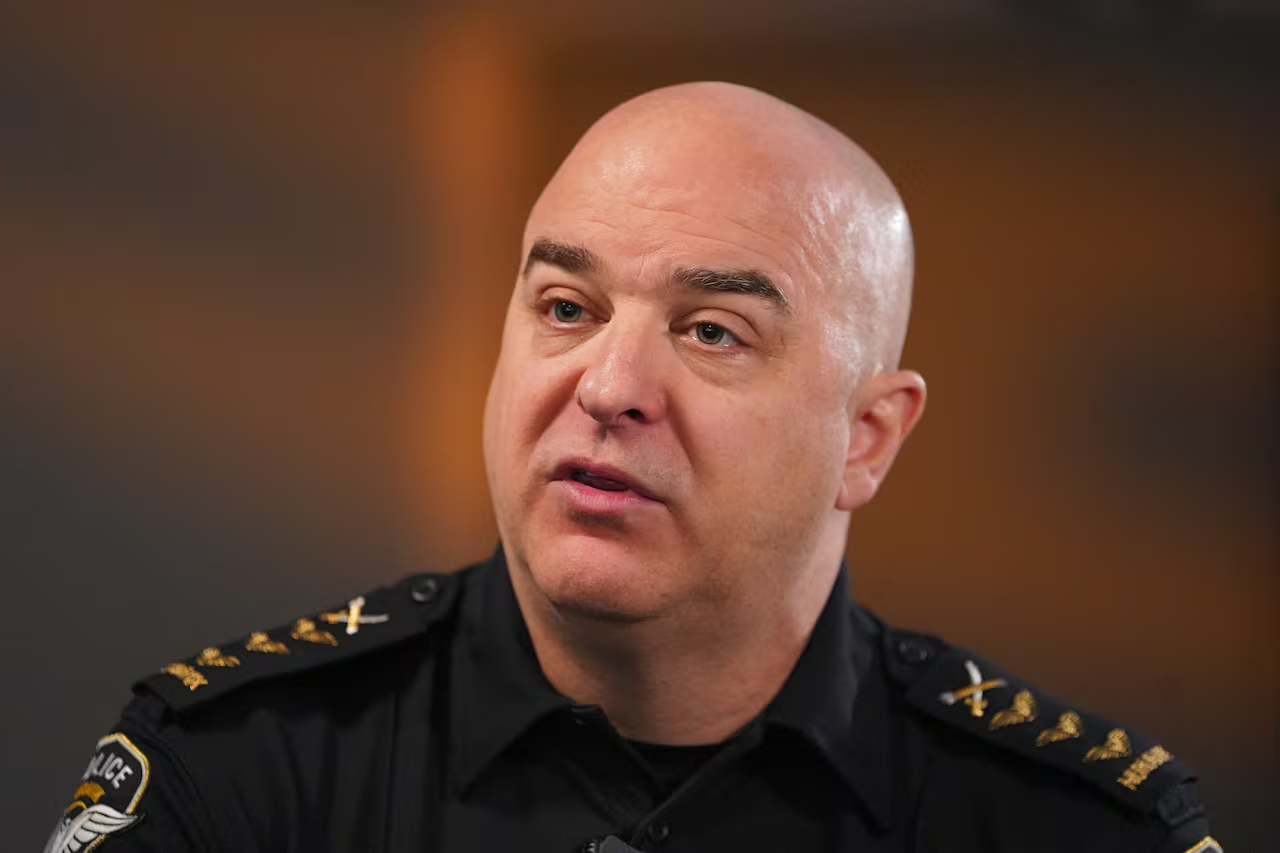
他说:“因为我认识的警察里,没有谁会在早晨醒来时说:‘哦,我希望自己会被卷入这起严重事件中,我今天要为保命而战。’”“事情不是这样的。”
"Because I don't know any police officers who get up in the morning and say, 'Oh, I hope I'll be involved in this serious incident and I'm going to fight for my life today,'" he said. "It doesn't work that way."
贝尔尼领导部门的方法之一,是深入基层、平易近人,并回答棘手的问题,他如是说。
Part of Bernier's approach to leading the department involves being on the ground and accessible, he says, and answering hard questions.
他指出,到今年年底,他将在其行政办公室设立一个因纽特顾问的新职位,该职位将直接向他汇报。这个人的职责将是向警务部门的决定提出质疑。贝尔尼说,重建信任需要时间。
By the end of this year, he noted he will open a new position within his executive office for an Inuk advisor that will report to him. The person's mandate will be to challenge the decisions of the police service. Rebuilding trust, Bernier says, will take time.
他说:“一旦我获得公众的完全信任,而且我一定会做到这一点,我们将永远不会再失去这种信任。”因纽特长老称,如果司法不掌握在因纽特人手中,问题将持续下去。但因纽特族长老、加拿大前参议员查理·瓦特表示,他在一生中听过很多次同样的表态。他是1974年《詹姆斯湾和魁北克北部协定》的谈判代表之一。
"Once I get the full confidence of the public, and I will," he said. "We're never going to lose the confidence again." Problems to continue if justice is out of Inuit hands, says elder But Charlie Watt, an Inuk elder and former Canadian senator, says he's heard that same message many times over his lifetime. He was one of the negotiators for the 1974 James Bay and Northern Quebec Agreement.
该协定是加拿大第一份现代原住民土地诉求条约,标志着努纳维姆米乌特人获得更多自治权(包括警务自治权)的新时代到来。
The agreement was Canada's first modern Indigenous land claims treaty, and signalled a new era for Nunavimmiut to gain more self-governance, including in policing.
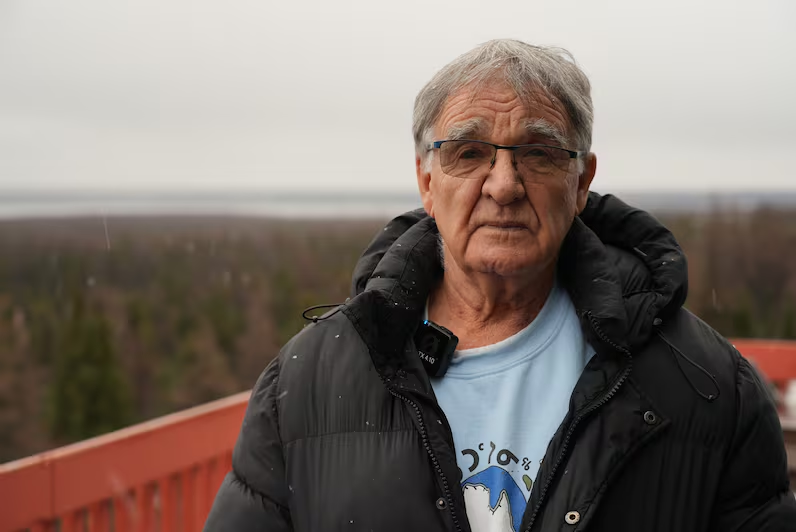
瓦特曾一度推动将警察部队置于因纽特人控制之下的想法。然而,他表示,直到今天,因纽特人的生活依然由“外部”掌控。
At one point, Watt pushed for the idea of setting up the police force under Inuit control. To this day, however, he says Inuit life continues to be handled by "the outside."
他说:“我们还没有实现自治。这是我们目前最大的敌人。”现年82岁的瓦特坐在起居室里,俯瞰着库朱瓦克河,四周环绕着他政治生涯中的纪念品,以及河对岸家人成长过程中的照片。
"We don't have our self government in place," he said. "That's our biggest enemy at the moment." Sitting in his living room, overlooking the Kuujjuaq River, 82-year-old Watt is surrounded by mementos from his life in politics, and photos of family growing up on the other side of the river.
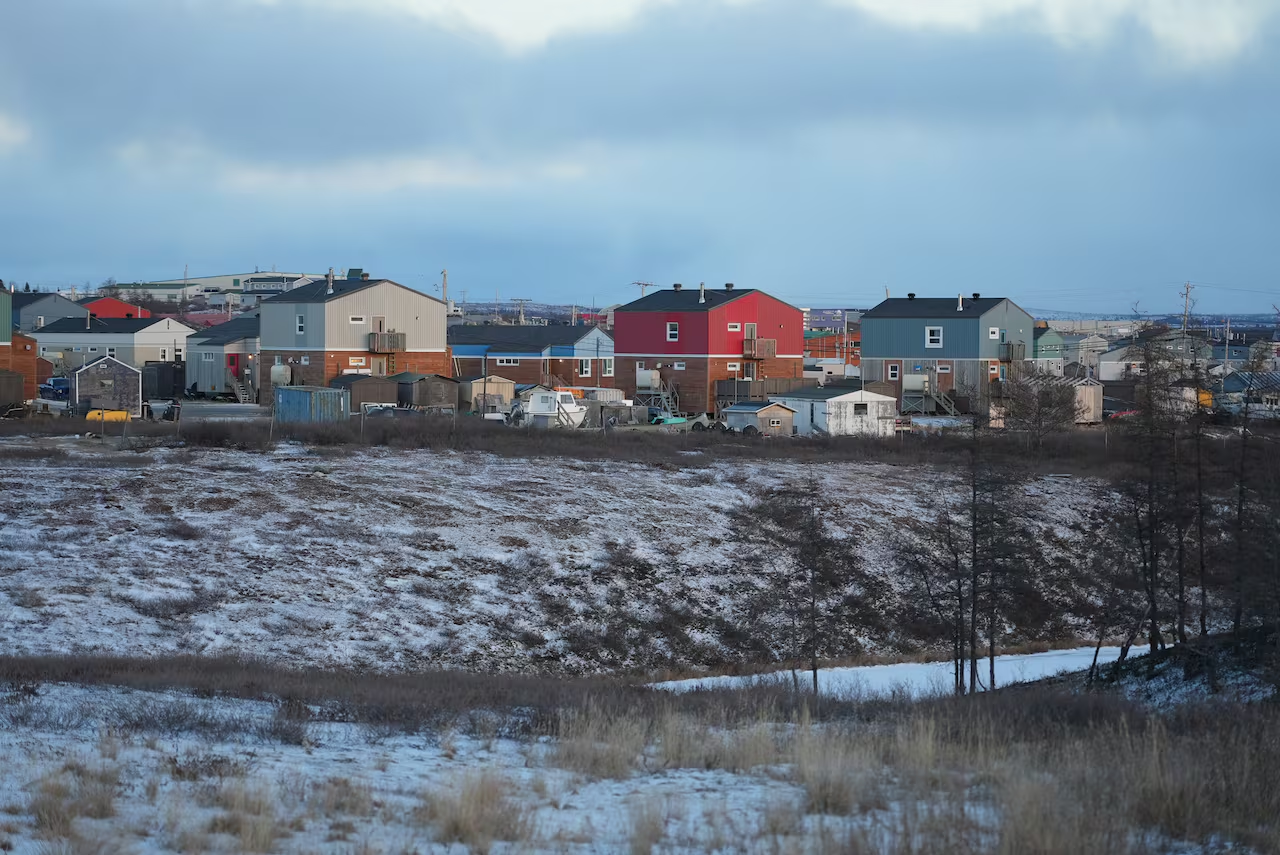
库诸瓦克现代社区现在是努纳维克最大的社区,在瓦特的有生之年发生了彻底的变化。
The modern community of Kuujjuaq, now the largest in Nunavik, completely changed over the course of Watt's lifetime.
在反思该地区的司法和警务系统时,他的看法是,警察和因纽特人之间的关系过去从来没有这么糟糕过。
Reflecting on justice and policing systems in his region, his perspective is that the relationship between police and Inuit never used to be this bad.
“他们往往在开口说话之前就开枪,”他指出,一些警员通过加拿大皇家骑警在加拿大西部接受过培训。
"They have [a] tendency to shoot before they open their mouth," he said, pointing to the fact that some officers get training in western Canada, through the RCMP.
“你必须在他们将要开展工作的地方培训他们。”他说,在管理本社区治安方面,因纽特人也必须承担更多的责任。
"You have to train them where they [are] going to do the work." He says Inuit also have to take on more responsibility, when it comes to policing their communities.
他正考虑利用自己的经验,帮助启动一个由因纽特人组成的专门小组,开始着手解决司法问题。
He is thinking about leveraging his experience to help jumpstart a specialized group of Inuit to start tackling justice issues.
谈到系统性问题的长期解决方案时,这位长者说:“这些方案只能来自因纽特人。”
When it comes to long-term solutions to systemic problems, the elder says: "They can only come from the Inuit."