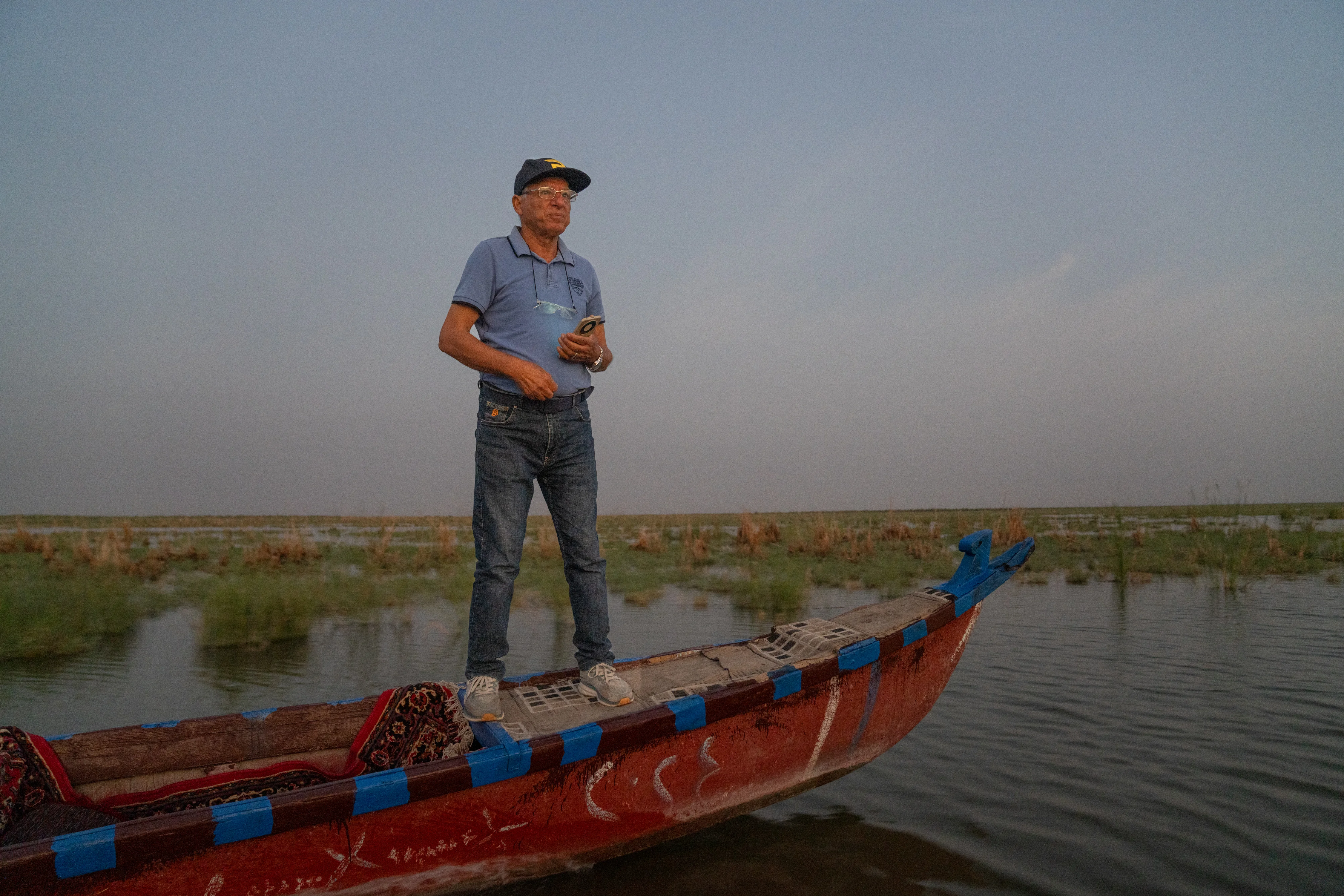
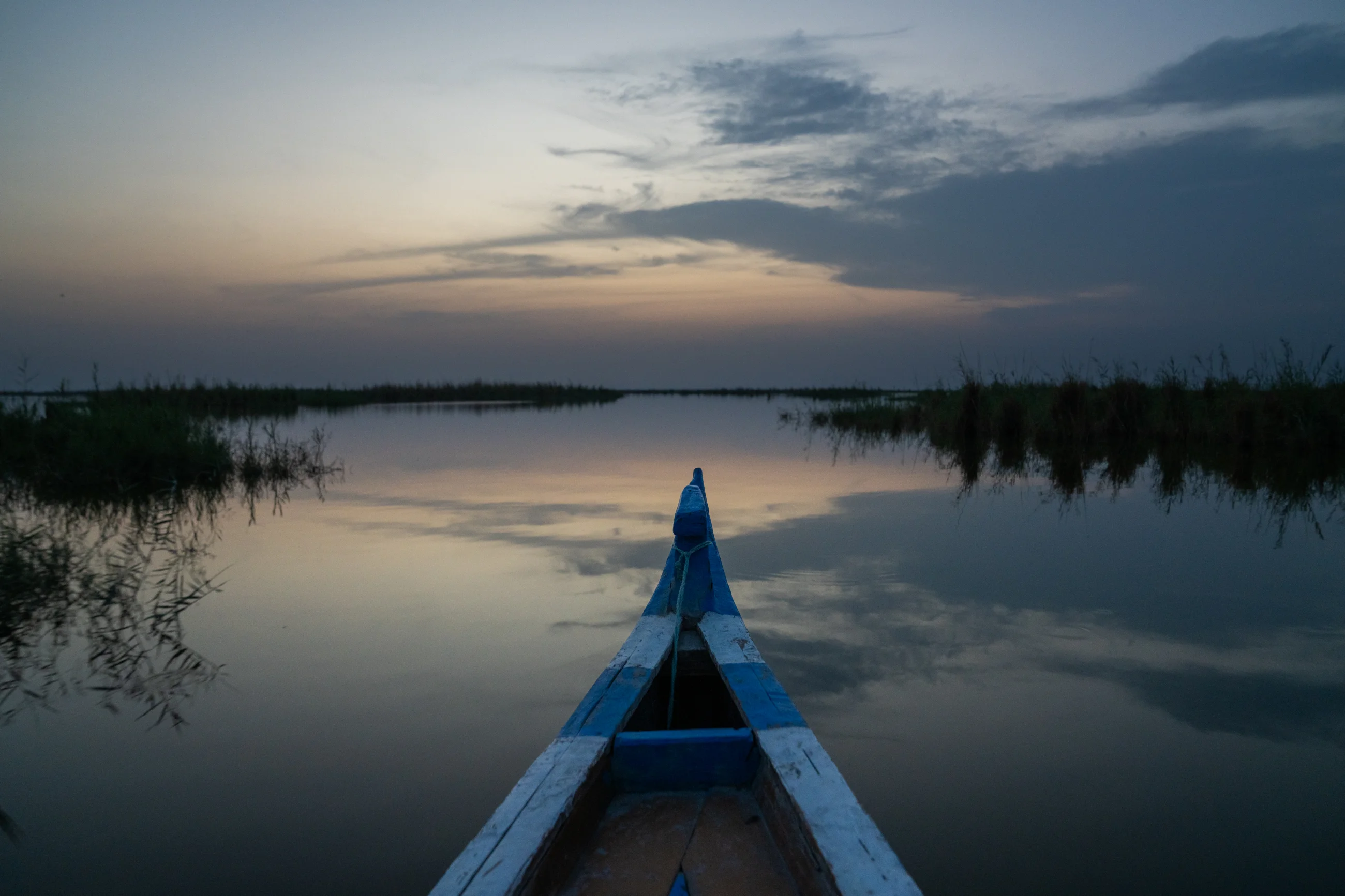
环保人士贾西姆·阿萨迪站在船上,眺望着他在伊拉克南部长大的沼泽地。尽管曾被绑架、遭受酷刑,并被一支伊朗支持的民兵组织指控为以色列间谍,阿萨迪还是回到了沼泽地。
Environmentalist Jassim al-Asadi stands on a boat and looks out over the marshes where he grew up in southern Iraq. Despite having been kidnapped, tortured and accused by an Iran-backed militia of being an Israeli agent, Asadi is back in the marshes.
克莱尔·哈伯奇/美国国家公共广播电台(NPR)伊拉克中部沼泽地——尽管经历了这一切,环保人士贾西姆·阿萨迪仍像第一次那样,对伊拉克沼泽地里的每一次野生动物踪迹都感到兴奋——尽管他以前已经看过成千上万次了。
Claire Harbage/NPR CENTRAL MARSHES, southern Iraq — For all he's been through, environmentalist Jassim al-Asadi still approaches each sighting of wildlife in Iraq's marshes as if it's the very first time — even though he has seen them thousands of times before.
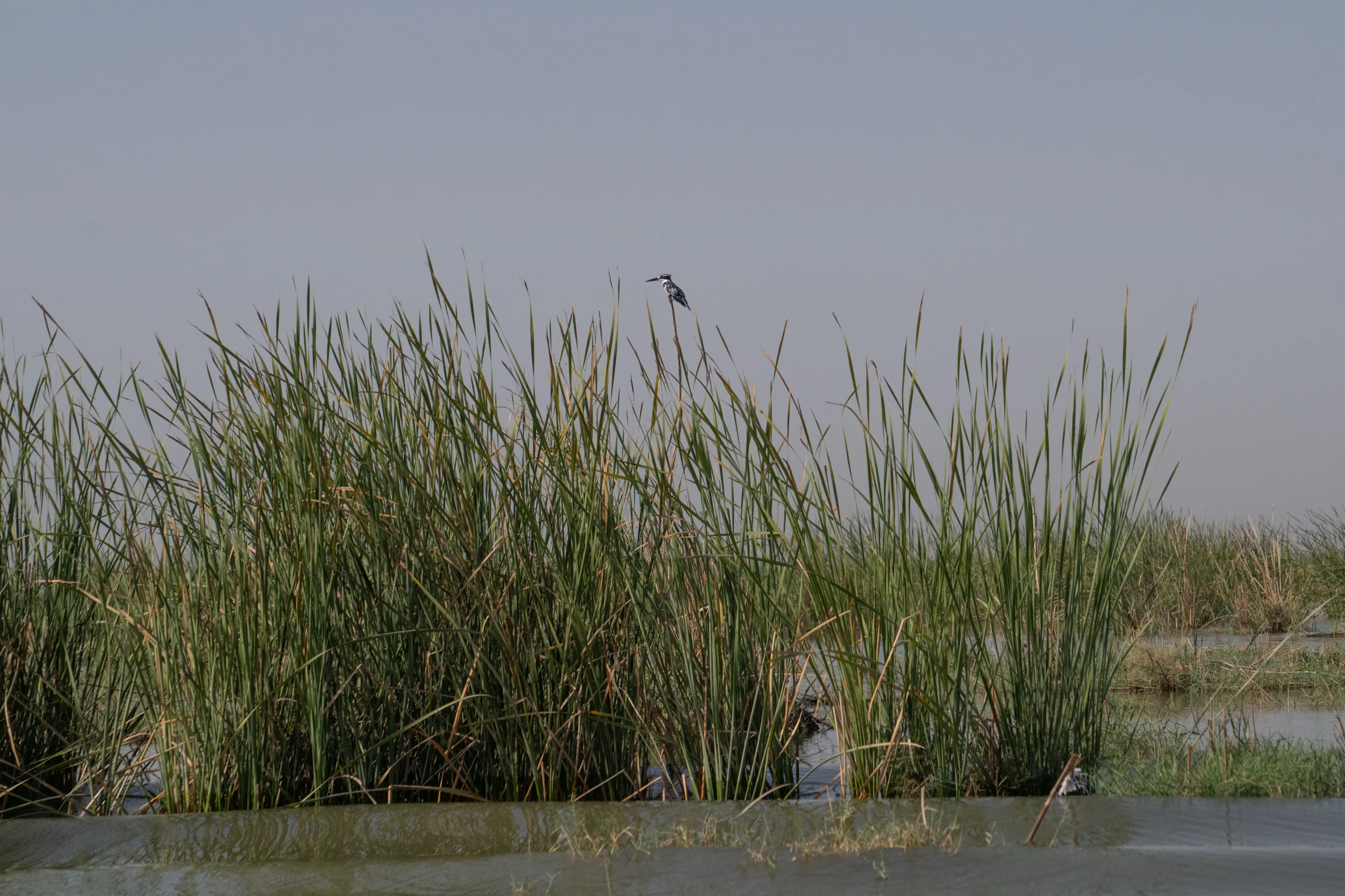
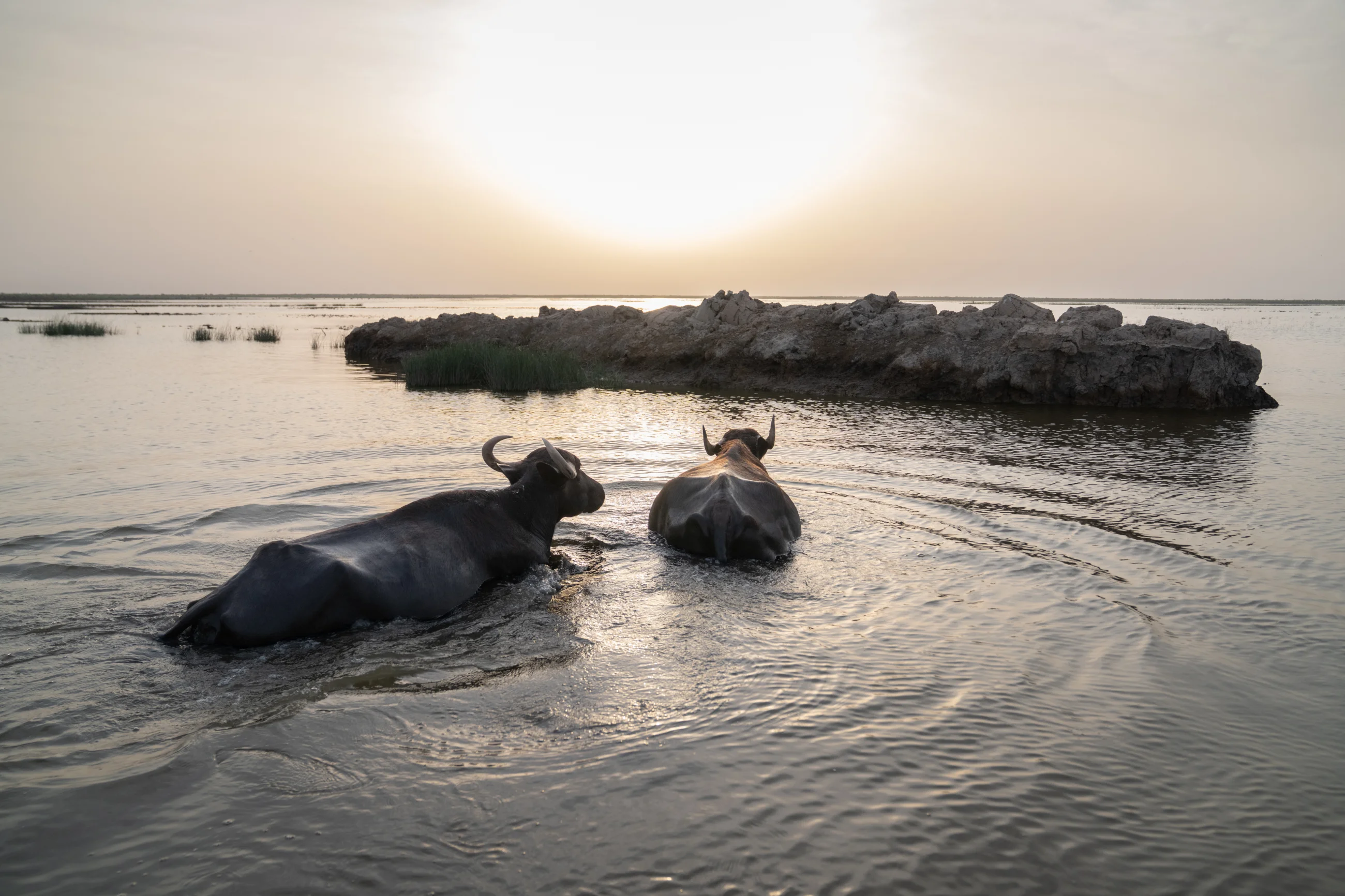
“你看见了吗?”他兴奋地问道,当他那艘狭长的小船滑过时,指着一只白鹭栖息在水牛背上。“是水牛!背上还有一只鸟!”翠鸟翅膀上闪着亮蓝光,栖息在浅水中拔地而起的芦苇上。一只野猪带着小猪在船前窜过,消失在纠缠的草丛中。
"Do you see?" he asks excitedly, pointing out a white egret perched on the back of a water buffalo as his long, narrow boat glides by. "It's a buffalo! With a bird on its back!" Kingfishers with bright flashes of blue on their wings perch on reeds rising up from the shallow water. A wild boar and her piglets dart in front of the boat and disappear into the tangled grass.
尽管曾被绑架、遭受酷刑,并被一支伊朗支持的民兵组织指控为以色列间谍,阿萨迪还是回到了沼泽地,监测水位,并与渔民和水牛牧民交谈,以了解一个雨季在中东最大的湿地带来了什么变化。
Despite having been kidnapped, tortured and accused by an Iran-backed militia of being an Israeli agent, Asadi is back in the marshes, monitoring water levels and talking to fishermen and buffalo herders to find out what difference a season of rain has made in the biggest wetlands in the Middle East.
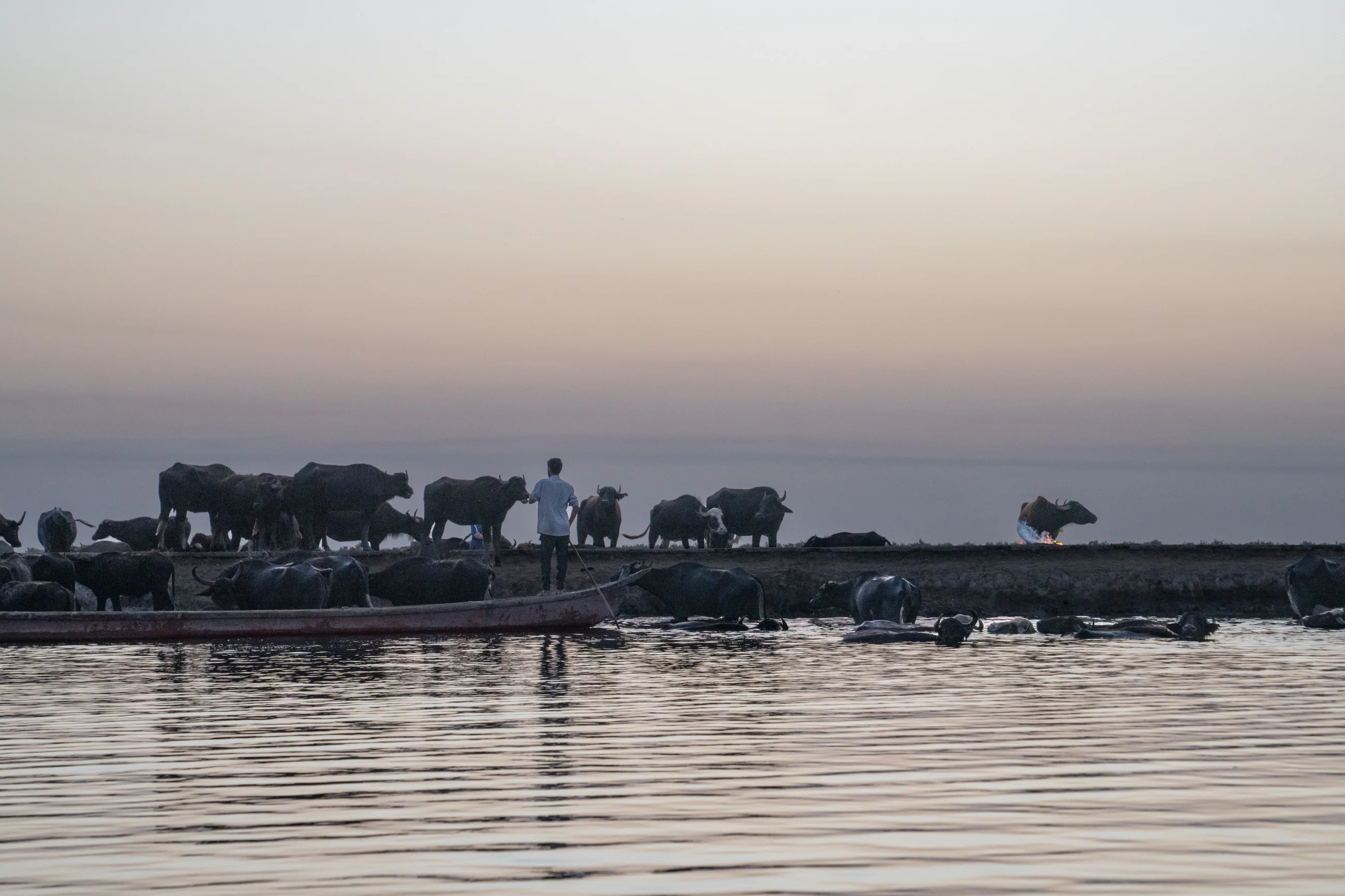
五年毁灭性的干旱使部分沼泽地干涸。在仍有水的地方,水变成了苦咸水,抑制了芦苇和草的生长。水牛因缺乏食物和水源受污染而死亡。
Five devastating years of drought dried out some of the marshlands. In places where water remained, it was brackish, stunting the reeds and grass. Water buffalo were dying from lack of food and contaminated water.
鸟儿栖息在沼泽周围的芦苇丛中,该沼泽因其生物多样性和作为世界最古老文明发源地之一的遗产,于2016年被列为联合国教科文组织世界遗产。
Birds sit in the reeds around the marshes, which was named a UNESCO world heritage site in 2016 for its biodiversity and legacy as the site of one of the world's oldest civilizations.
靠饲养水牛、出售牛奶和奶油为生的居民,带着剩下的牛群四处寻找水源,或前往伊拉克南部城市的郊区。
Residents who make their living from breeding the animals and selling milk and cream headed with their remaining herds in search of water or to the outskirts of southern Iraqi cities.
他们现在已经开始返回,重新居住在一些微小的浮动岛屿上,除了拥有一些现代技术外,沼泽居民的生活方式自苏美尔时代以来,4000多年来几乎未变。萨达姆排干的沼泽重获新生阿萨迪是伊拉克一位杰出的环保人士。20世纪90年代,为报复伊拉克南部的什叶派起义,萨达姆·侯赛因排干了沼泽,并纵火焚烧部分区域,以逼出抵抗武装。
They have now begun to return, repopulating some of the tiny floating islands where, aside from some modern technology, marsh residents live a way of life little changed since Sumerian times, more than 4,000 years ago. Reflooding the marshes Saddam drained Asadi is a leading environmental figure in Iraq. In the 1990s, in retribution for a Shiite uprising in southern Iraq, Saddam Hussein drained the marshes and set parts of them on fire to flush out resistance fighters.
2003年,美国领导的入侵推翻萨达姆后,阿萨迪与伊拉克裔美国环保人士阿扎姆·阿尔瓦什帮助当地居民拆除阻挡底格里斯河和幼发拉底河水流的夯土堤坝,河水随即重新涌入。两位工程师于2004年创立了环保组织“自然伊拉克”。
After Saddam was toppled in the U.S.-led invasion in 2003, Asadi and Iraqi-American environmentalist Azzam Alwash helped residents tear down packed earth embankments holding back water from the Tigris and Euphrates rivers and the water flooded back in. The two engineers founded the environmental organization Nature Iraq in 2004.
阿萨迪一直是一位高调人物,与各国大使馆和政府部委合作,争取对沼泽的支持,并协助成功游说,使其于2016年被列入联合国教科文组织世界遗产名录。该列入认可了沼泽地的生物多样性,以及其作为世界最古老文明发源地之一的历史地位。
Asadi has been a high-profile figure, working with embassies and government ministries to garner support for the marshes and helping successfully lobby for inclusion as a UNESCO world heritage site in 2016. The inscription recognized the marshlands' biodiversity and their legacy as the site of one of the world's oldest civilizations.
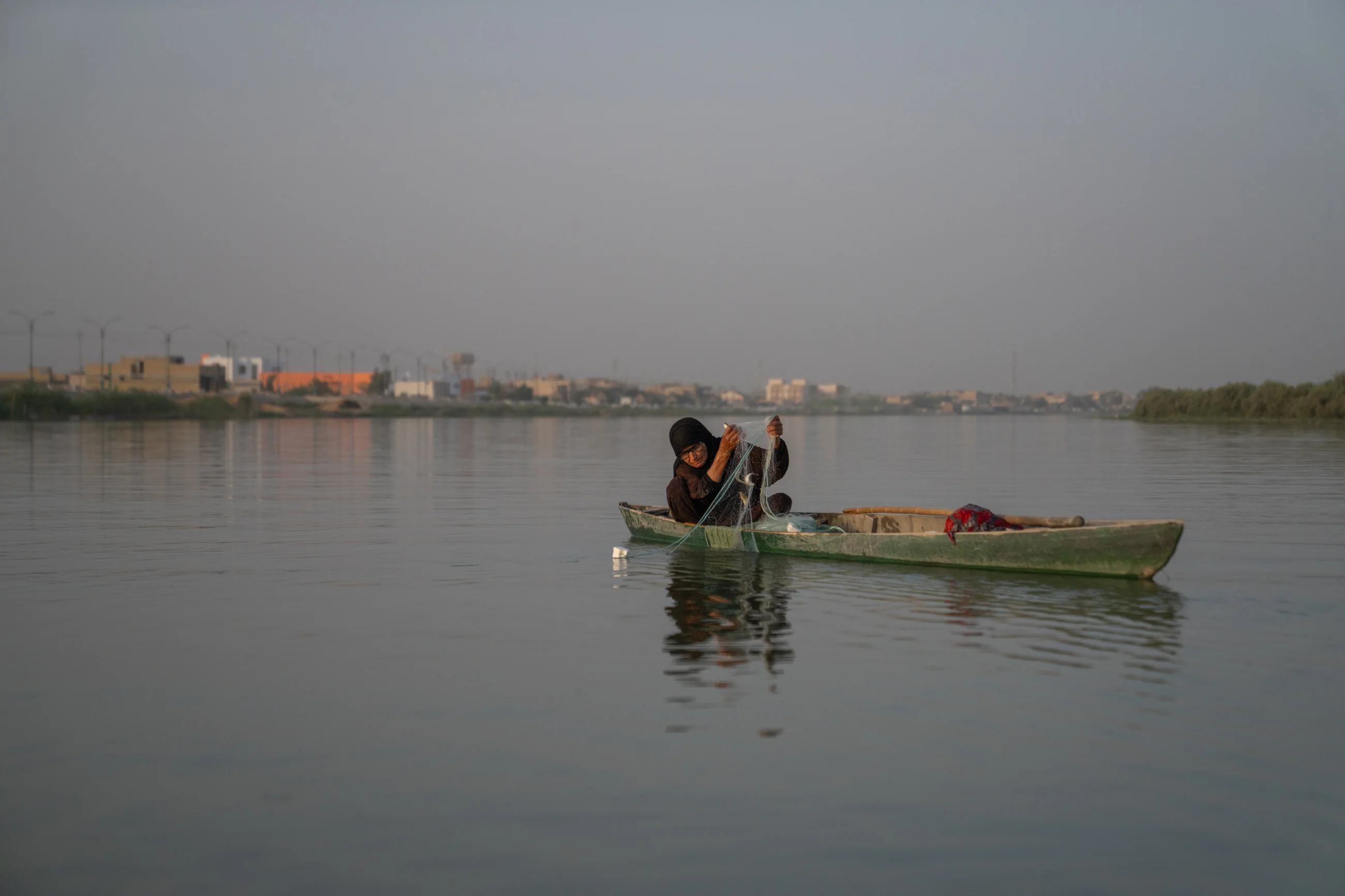
一位寡妇在奇巴伊什对面捕鱼——奇巴伊什是沼泽边缘的一个城镇。她只捕到几条小鱼。污染和盐度升高减少了沼泽原生的鱼类。
A widow fishes across from Chibayish — a town on the edge of the marshes. She has caught just a few small fish. Pollution and increased salinity have decreased fish native to the marshes.
阿萨迪性格豁达、待人热情,热衷于展示祖国风貌,经常带西方记者游览沼泽,常在“自然伊拉克”办公室接待他们。
Gregarious, welcoming and with a zeal for showcasing his homeland, Asadi frequently took Western journalists through the marshes, often hosting them at the Nature Iraq offices.
被绑架、遭酷刑、被指为以色列间谍 2023年2月,阿萨迪被一个伊朗支持的伊拉克民兵组织绑架,该组织指控他和他会见的记者是以色列间谍,几个月前曾煽动动摇伊朗的反政府抗议。
Kidnapped, tortured and accused of working for Israel In February 2023, Asadi was kidnapped by an Iran-backed Iraqi militia, which accused him and the journalists he met of being Israeli spies who had fomented anti-government protests that had rocked Iran a few months earlier.
事发时,他刚与伊拉克总统开完会,讨论帮助沼泽地区贫困家庭的事宜,正从巴格达返回南部家乡奇巴伊什,途中枪手驾驶皮卡和SUV在南行公路上截停了他的车。
He was returning from Baghdad to his southern hometown of Chibayish after a meeting with the Iraqi president to discuss help for destitute families in the marshes when gunmen in pickup trucks and SUVs cut off his car on the road south.
他们蒙住他的眼睛,把他扔进车厢地板上,双脚踩在他身上,开车把他带到了他认为是一处农田的地方。在那里,他遭到殴打,并被勒令承认自己是间谍。
They blindfolded him and threw him onto the floor of a vehicle, and with their feet on top of him drove him to what he believed to be farmland. There he was beaten and told to confess to being a spy.
他说:“他们给我看了一张世界地图。他们把它显示在屏幕上,上面有网络,把世界上的所有国家——欧洲、非洲、亚洲、美洲——都连接到特拉维夫。他们说:‘你不仅是个间谍,你还领导着一个从世界各大首都通往以色列的间谍网。’”他们指责他用船将记者运过沼泽进入伊朗,并指责这些记者也是间谍。“伊拉克自然”组织(Nature Iraq)和几乎所有非政府组织一样,经常带领记者和其他人在伊拉克参观,以提高人们的环保意识。
"They showed me a map of the world," he says. "They were showing it on a screen and there were networks on it, connecting all the countries of the world — in Europe, Africa, Asia, America — to Tel Aviv. They said 'You are not just a spy, you lead a spy network from all the capitals of the world to Israel.'" They accused him of ferrying journalists, whom they also accused of being spies, across the marshes into Iran. Nature Iraq, like almost all non-governmental organizations, often takes journalists and others on tours in Iraq to raise environmental awareness.
阿萨迪现年69岁,出生在沼泽里——当时他的母亲在收集芦苇和青草时提前两个月临盆, literalmente(译注:此处原文如此)是在一条船上生下他的。
Asadi, who is 69 now, was born in the marshes — literally in a boat when his mother went into labor two months early while she was collecting reeds and grass.
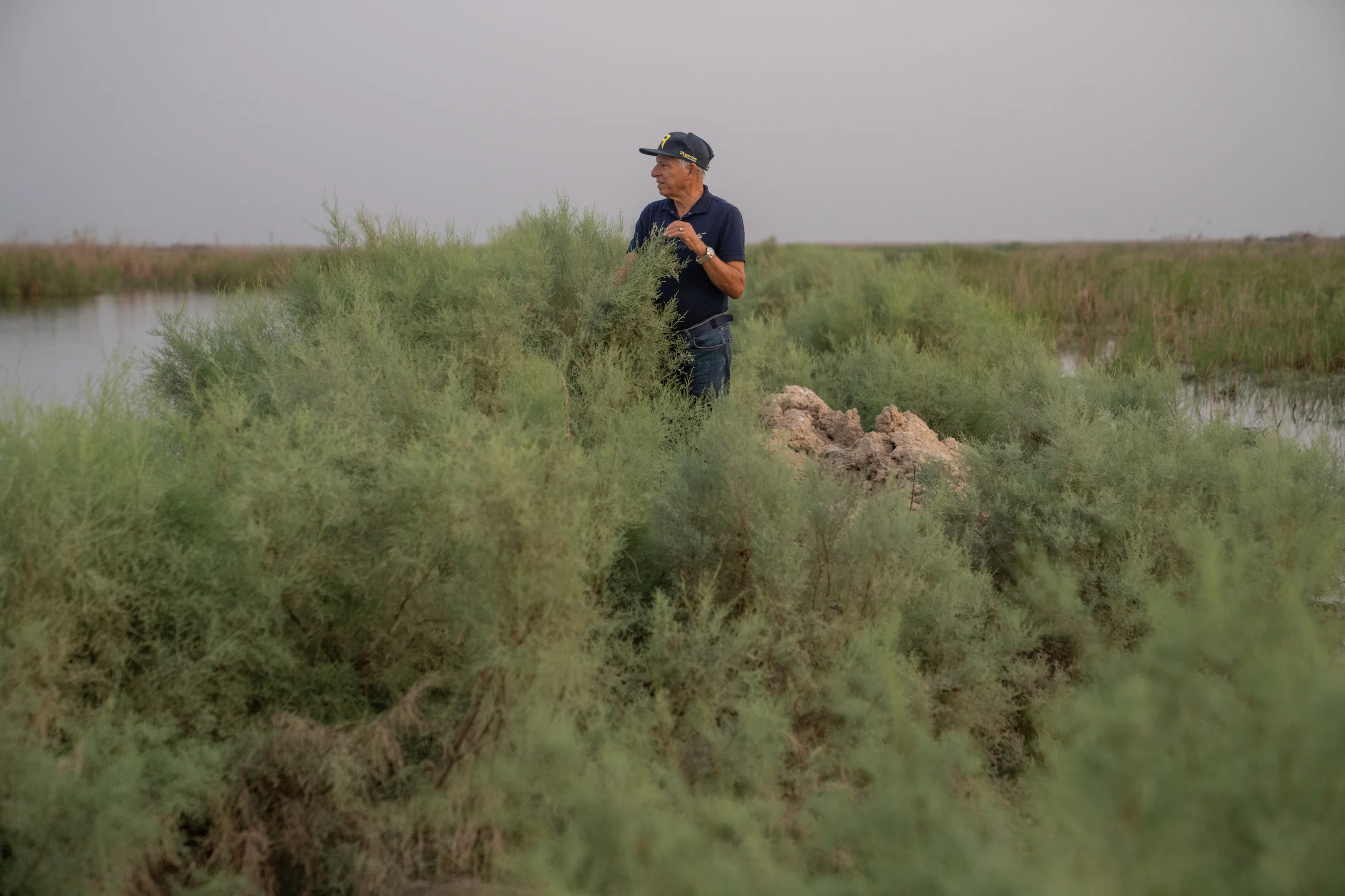
现年69岁的阿萨迪出生在沼泽里的一条船上,当时他的母亲在收集芦苇和青草时临盆。他说,干旱过后,这里的风景已经改变——整个湖泊干涸,原本通常在沙漠生长的植物在平时应为沼泽的地方扎下了根。
Asadi, 69, was born in a boat in the marsh when his mother went into labor while she was collecting reeds and grasses. He says the landscape has changed after the drought — entire lakes drying up and plants that normally grow in desert taking root where there would normally be marshes.
他说:“我第一次睁开眼睛时,看到的是蓝天、水、芦苇还有鸟儿。我妈妈带着草、芦苇和一个婴儿回到了家。”他6岁时就独自划着小船去上学。他说,在雨季,学生们会收集芦苇铺在教室的地板上,当学校被水淹没时,课桌下面还会有鱼游来游去。
"When I opened my eyes the first time, I opened my eyes to the blue sky, to the water, to the reeds and also birds," he says. "My mom returned home with the grasses, reeds and a baby." At the age of 6 he rowed his own small boat to school. In the rainy season he says, the students would collect reeds to put on the classroom floors and when the school flooded there would be fish swimming under their desks.
1978年,他因拒绝签署效忠萨达姆·侯赛因的阿拉伯复兴社会党而被监禁了九个月。
In 1978, he was jailed for nine months for refusing to sign allegiance to Saddam Hussein's Baath party.
阿萨迪说,三年前他被绑架,在遭到殴打后拒绝承认自己是间谍,他的绑架者便决定对其实施酷刑。
Asadi says when he was kidnapped three years ago and refused to admit to being a spy after being beaten, his captors decided he should be tortured.
他们拘押了他两周。阿萨迪说,他们把一个塑料袋套在他头上,直到他觉得快要窒息,又一次次把他的头按入水底。“当氧气耗尽时,我觉得自己快要死了,”他说。他们用电流通过他的身体。
They held him for two weeks. Asadi says they placed a plastic bag over his head until he thought he would suffocate and plunged his head underwater over and over. "When the oxygen ran out I felt like I was going to die," he says. They ran electric shocks through his body.
“他们从我的脚开始,到头部、生殖器、胸部、鼻子,”他在位于中部沼泽边缘奇拜伊什的办公室里说。“他们把他吊在天花板上,‘就像一只待宰的羊’。”
"They started from my feet, to my head, my genitals, my chest, my nose," he says in his office in Chibayish, on the edge of the central marshes. "They suspended him from the ceiling "like a sheep being slaughtered."
“他们把我的左臂拉到脑后,右臂紧挨着它,然后用铁链抽打它们。你觉得自己的身体正被扯裂,”他说。“我会尖叫,我会濒临昏厥,然后他们会停下来问:‘那么你承认吗?’”接着,他们会把他扔回牢房,等待下一轮酷刑。
"They took my left arm behind my neck, and my right arm next to it, and beat them with metal chains. You feel like you're being pulled apart," he says. "I would scream, I would be on the verge of fainting, then they would stop and say, "So will you admit it?"" Then they would throw him back into his cell to await the next torture session.
诗歌帮他活了下来。阿萨迪记住了数百位阿拉伯诗人的作品,他在被关押时背诵这些作品。今天,他仍在沼泽里行船时吟诵诗歌。他说,等待也是一种酷刑。
Poetry helped save him Asadi has memorized many hundreds of Arab poets' writings, which he recited when he was imprisoned. He still recites poems while sailing in the marshes today. He says the waiting was also a form of torture.
“你想着家人,想着孩子,想着你未来几天的命运,以及下一轮审讯中的命运。”阿萨迪也是一名诗人。他13岁时写下了第一首诗,并记住了数百位其他阿拉伯诗人的作品。
"You think about your family, you think about your children and you think of your fate in the coming days and your fate in the coming sessions." Asadi is also a poet. He wrote his first poem when he was 13 and has memorized many hundreds of other Arab poets' writings.
“我找到了一个对自己背诵诗歌的方法,这样我就不用去想别的,只想诗歌,”他说。“当我听到牢房门开的声音——这意味着他们来抓我了,他们要折磨我了。”即使在三年后的今天,在船上,他还是会从头到尾、花上好几分钟对自己吟诵诗歌。
"I found a way to recite poetry to myself, so I didn't have to think about anything but poetry," he says. "When I hear the sound of the cell door opening — it means they are coming to take me, they are going to torture me." Even now, in the boat three years later, he recites poems to himself — over several minutes — start to finish.
他在被囚期间对自己重复了数百遍的那首诗名为《在那日子里》,作者是伊拉克诗人萨阿迪·优素福。优素福来自南部港口城市巴士拉,几十年前曾在伊拉克入狱,此后流亡阿尔及利亚和英国。
The one he told himself hundreds of times in captivity is called In Those Days Saadi Youssef an Iraqi poet from the southern port city of Basra jailed in Iraq decades ago before he went into exile in Algeria and the U.K.
“我伴随着卫兵的殴打和法官的嘲笑离开法庭,”这首诗的译文写道。“我有一个我深爱的妻子和一个用枣椰树叶做成的本子。”阿萨迪用阿拉伯语像念咒语一样诵读着它。他说,想象自己就是几十年前优素福诗中的那个囚犯,这慰藉了他。“签下供词,或者写下遗嘱”水牛是沼泽经济的顶梁柱——这主要归功于它们的奶。生活在沼泽微型岛屿上的家庭在早晨放它们出去吃草和芦苇,并在傍晚把它们赶回来。
"I left the court with the guards' beatings and the judge's ridicule," reads part of the poem in translation. "I have a wife whom I love and a book made of date palms." Asadi recites it in Arabic like a mantra. It comforted him, he says, to imagine that he himself was the prisoner in Youssef's poem decades ago. "Sign a confession or write your will" Water buffalo are the backbone of the marsh economy – mostly because of their milk. Families living on tiny islands in the marshes let them out in the morning to graze on grass and reeds and bring them back in the evenings.
两周后,蒙面的绑架者穿着军装,使用了阿萨迪所说带有伊朗特有色彩的词句,告诉他要么签署一份自己运营间谍网络并将记者走私到伊朗的供词,要么就写下遗嘱。
After two weeks, his masked captors, dressed in military uniforms and using phrases that Asadi said were uniquely Iranian, told him he could either sign a confession that he ran spy networks and smuggled journalists into Iran, or he could write a will.
他们在他的面前放了一支笔和一张纸,并给了他一个小时。如果他不认罪,他们说:“我们今天就要杀了你。”
They placed a pen and a piece of paper in front of him and gave him an hour. If he didn't confess, they said, "We are going to kill you today."
“所以我写下了遗嘱,”阿萨迪说。“我写道,我非常热爱伊拉克。我没有做错过任何事,没有对不起伊拉克,也没有对不起任何人。我还说,我希望我们的国家独立而强大,与此同时我反对一切仇恨与分裂。”他请妻子不要太难过。
"So I wrote my will," Asadi says. "I wrote that I love Iraq very much. That I have not done anything wrong, not to Iraq, not to anyone else. And I said that I wish for our country to be independent and strong and at the same time I am against all hatred and division." He asked his wife not to be too upset.
“我希望我的孩子们能追随我的足迹和我的道路,”他说自己当时写道。
"And I wished for my children to follow in my footsteps and in my path," he says he wrote.
“是的,尽管那条路通向我的死亡,但我们只有一次生命,所以让我们有尊严地生活。”绑架者并没有杀他,而是最终把他扔在一辆汽车的地板上,并将他扔在巴格达一条道路的旁边,离家人被告知在那里等他的地方不远。部族威胁与获释交易阿萨迪虽然身受伤痛且虚弱不堪,但仍坚持在第二天就返回沼泽地。在那里,数百名沼泽居民步行数英里来欢迎他归来,许多人挥舞着庆祝的海报和伊拉克国旗。
"Yes, though that path led to my death, we only have one life so let us live that life honorably." Instead of killing him, his captors ended up throwing him onto the floor of a vehicle and leaving him by the side of a road in Baghdad near where his family had been told to wait for him. Tribal threats and a deal for his release Asadi, injured and weak, insisted on returning home to the marshlands the very next day. There, hundreds of marsh residents walked for miles to welcome him back, many waving celebratory posters and Iraqi flags.
阿萨迪表示,他知道绑架他的民兵组织,并且他相信在他被扣押期间,政府也心知肚明。当时开车表弟记住了绑职者的车牌号。
Asadi says he knows the militia that kidnapped him and he believes the government did as well while he was being held. His cousin, who was driving, had memorized the license plate number of the kidnappers.
伊拉克自然保护组织(Nature Iraq)的联合创始人阿尔瓦什说:“在两个小时内,他们就查出了这辆车属于谁、名字叫什么以及他在哪里工作。”
"Within two hours they found who owns the car and the name and who he works for," says Alwash, the Nature Iraq co-founder.
伊拉克政府曾承诺确保他获释。但在某些地区,自美国入侵后的安全真空及随后的内战中滋生并壮大的部分伊朗支持的民兵组织,其势力已经超过了伊拉克安全部队。而在伊拉克的某些地方,部族的势力甚至更为强大。
The Iraqi government had pledged to secure his release. But in certain areas, some of the Iran-backed militias that flourished in the security vacuum and the subsequent civil war after the U.S. invasion have grown more powerful than Iraqi security forces. And in some parts of Iraq, tribes are even more powerful still.
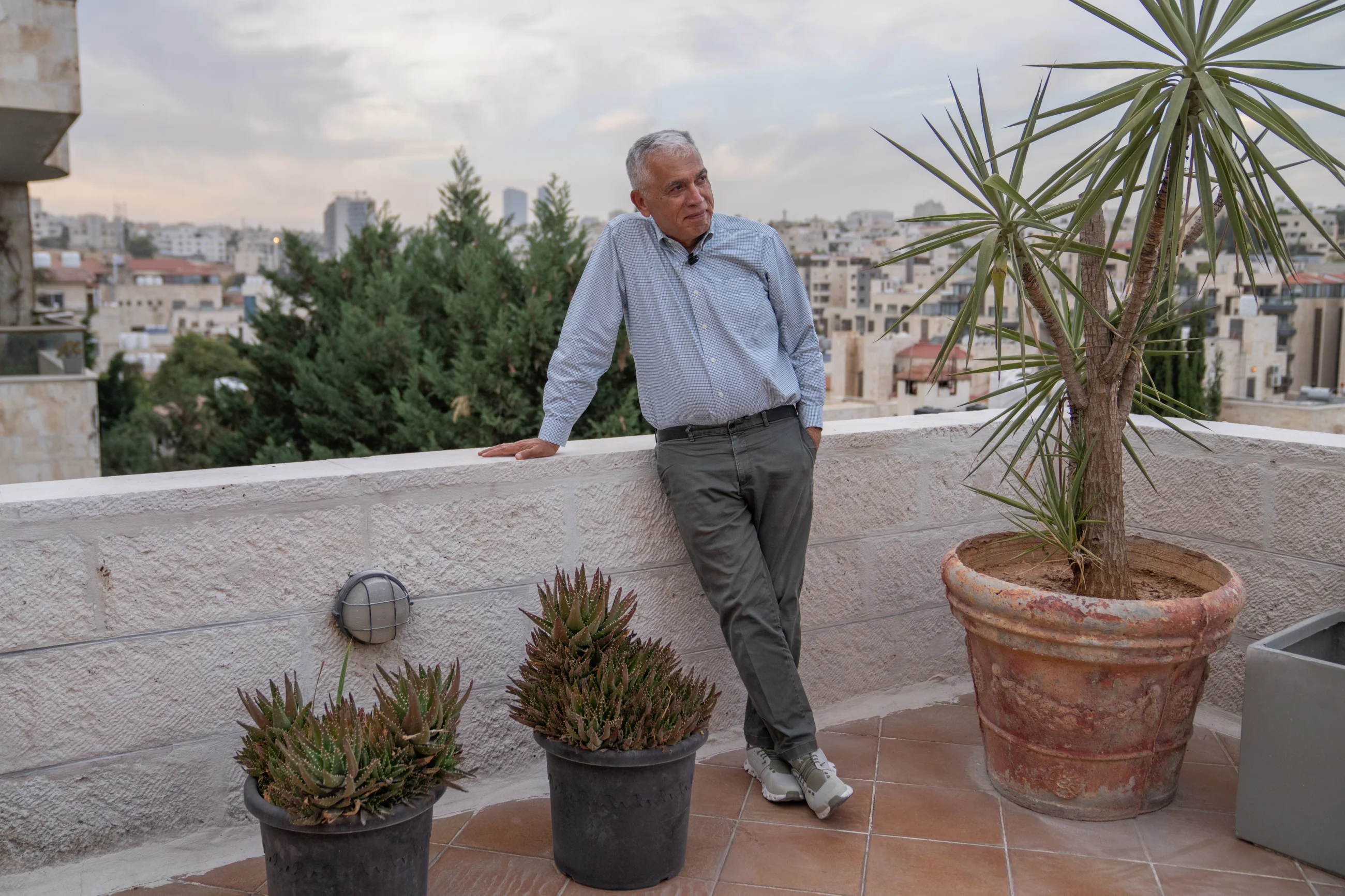
环保人士阿扎姆·阿尔瓦什是一名伊拉克裔美国工程师,也是伊拉克自然保护组织的联合创始人,目前身处约旦安曼。自从三年前收到伊朗支持的民兵组织发出的绑架威胁警告以来,阿尔瓦什就再也没有回过伊拉克。
Environmentalist Azzam Alwash, an Iraqi-American engineer, the co-founder of Nature Iraq, in Amman, Jordan. Alwash has not returned to Iraq since he was warned three years ago of kidnapping threats against him as well by Iran-backed militias.
最终,是阿萨迪强大的巴尼阿萨迪部族促成了他的获释。该部族动员了数百名武装部族成员,以采取强硬行动迫使对方释放他。
In the end it was Asadi's powerful Bani Asad tribe that won his release after mobilizing hundreds of armed tribal fighters to drive home their demand that he be freed.
阿尔瓦什说:“阿萨迪部族的400名成员——全部带着枪。他们包围了那家伙的房子,说:‘好吧,如果他死了,你们也死定。’贾西姆是出了名的——我的意思是每个人都在想:‘搞什么鬼?为什么要惹贾西姆?’”作为获释协议的一部分,阿萨迪表示他没有在法庭上追究此案。他说他从未想过自己会面临被绑架的危险,因为伊拉克自然保护组织纯粹从事环保工作,与任何政党都没有关联。
"Four hundred members of the Asadi clan — all with guns. They surround the guy's house and say 'Ok, if he dies, you're dead'," says Alwash. "Jassim was known — I mean everybody was like, 'What the hell? Why mess around with Jassim?'" As part of the deal for his release, Asadi says he did not pursue the case in court. He says it never occurred to him he was in danger of being kidnapped because Nature Iraq is purely environmental and not affiliated with any political party.
他获释后,有人向他提供了在欧洲的庇护。他拒绝了,并称这正是绑架者所希望的——让他离开这个国家并停止工作。相反,他为他的两个孩子申请了庇护,这两个孩子现在在瑞典。
He was offered asylum in Europe after he was freed. He refused, saying it was what his captors wanted — for him to leave the country and stop his work. Instead he asked for asylum for two of his children, who are now in Sweden.
阿尔瓦什说:“他基本上对人们说:‘把我的孩子带走吧,这样我才能继续为沼泽地工作,而不会把他们置于危险之中。’”他的第三个孩子住在美国。
"He basically told people, 'Take my children away so I can work for the marshes without putting them in danger,'" says Alwash. A third child lives in the United States.
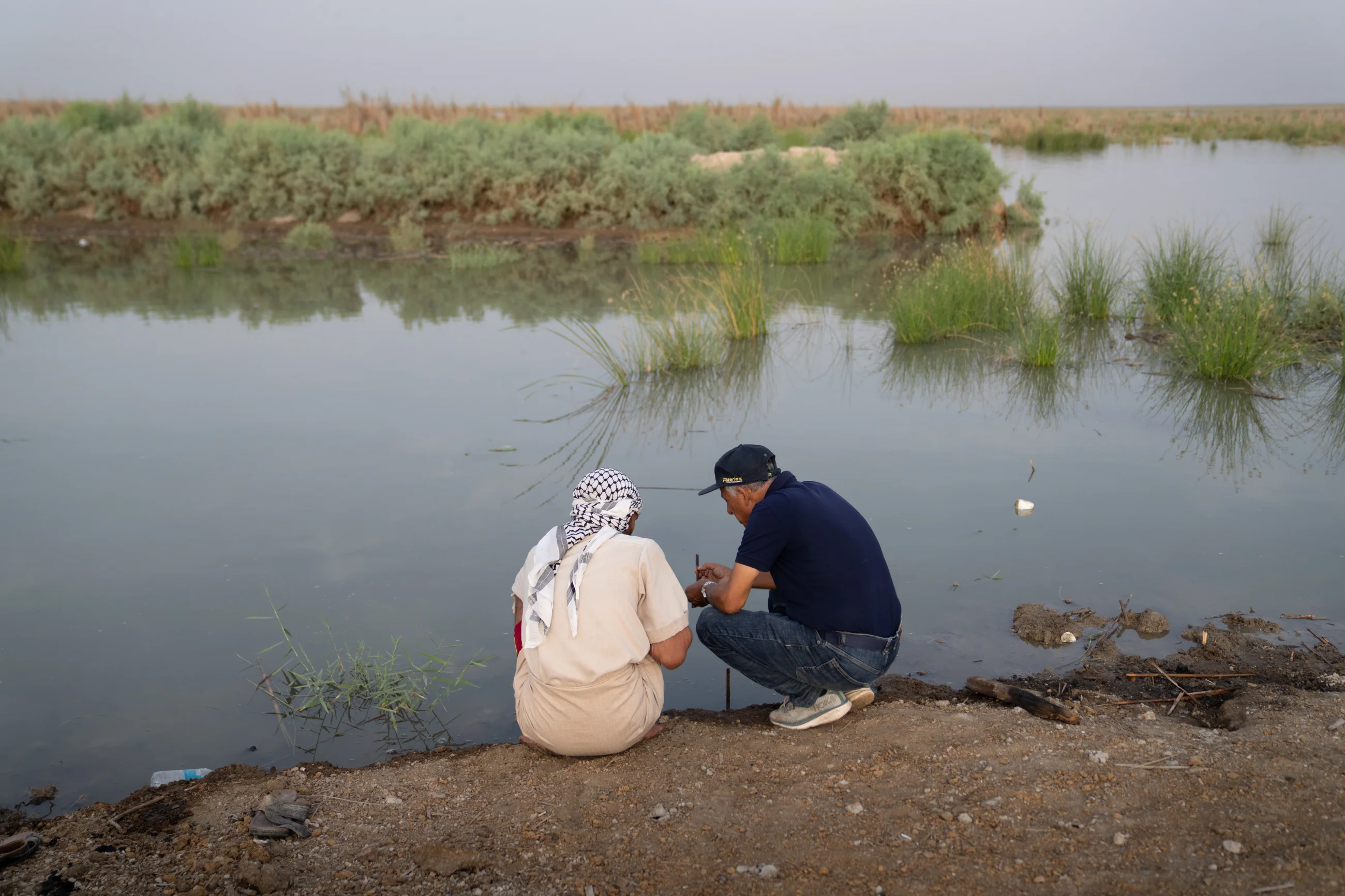
船夫拉扎克·贾巴尔(Razzak Jabar,又名阿布·海德尔)与阿萨迪(Asadi)在沼泽中测量水深。
Boatman Razzak Jabar, also known as Abu Haider, and Asadi measure the depth of the water in the marsh.
阿尔瓦什(Alwash)在安曼接受美国国家公共电台(NPR)采访时表示,阿萨迪被绑架后,三个不同国家的情报部门告知他,他本人也面临被绑架的危险,自此他再也没有回过伊拉克。
Alwash, speaking to NPR in Amman, was told by intelligence services of three different countries after Asadi was seized that he was also at risk of being kidnapped and has not returned to Iraq since.
阿尔瓦什在谈到“伊拉克自然”(Nature Iraq)组织时说:“伊朗的运转理论认为我们是摩萨德的行动。他们无法理解为什么西方政府会把钱给环保组织。”他表示,伊朗对该组织的怀疑可以追溯到2016年,“伊拉克自然”当时开始与伊朗环保人士合作,在伊朗和伊拉克之间的山区开展保护濒危且神出鬼没的波斯豹的项目。
"Iran's operating theory is that we are a Mossad operation," Alwash says of Nature Iraq. "They cannot understand why Western governments would give money to the environment." He says Iran's suspicions about the organization go back to 2016, when Nature Iraq began a project with Iranian conservationists working on the endangered and elusive Persian Leopard in the mountains between Iran and Iraq.
两年后,伊朗逮捕了与该项目相关的九名伊朗环保人士,指控他们从事间谍活动。
Two years later Iran arrested nine Iranian conservationists related to the project, accusing them of espionage.
波斯野生动物遗产基金会(Persian Wildlife Heritage Foundation)的一位伊朗裔加拿大籍联合创始人在羁押期间死亡,其余人员则在狱中度过了多年。
The Iranian-Canadian co-founder of the Persian Wildlife Heritage Foundation died in detention while the rest spent years in prison.
保护伊拉克的环境 今年,随着水流以及供水牛食用的青草回归,更多的幼崽出生了。照顾这些动物是一项家族事业——许多孩子特别是女孩无法上学。
Protecting Iraq's environment This year, with the return of the water and grasses for water buffalo to eat, more calves were born. Caring for the animals is a family endeavor – many of the children, particularly girls, are not sent to school.
“伊拉克自然”培养了一代环保人士,他们主要在伊拉克南部和伊拉克的库尔德斯坦地区工作。在该沼泽地带,该组织为水牛饲养员建造了浮岛,并为游客建造了芦苇客栈。他们一直在游说伊拉克及地方政府实施能够复兴沼泽的水资源政策——主要是针对土耳其,土耳其的大型水坝已经减少了下游的水流量。
Nature Iraq has raised a generation of environmentalists working mainly from southern Iraq and Iraq's Kurdistan region. In the marshlands, the group has built floating islands for water buffalo breeders and reed guest houses intended for tourists. They have lobbied the Iraqi and regional governments to implement water policies that would revive the marshes — primarily Turkey whose huge dams have reduced the water flow downstream.
由于没有水处理厂,该组织建造了一个池塘,以自然净化被城镇泵入沼泽的污水污染的沼泽水。这个收集池现在长满了芦苇,能在水被重新抽出之前自然去除水中的毒素。
Because there is no water treatment plant, the organization has constructed a pond to naturally clean marsh water contaminated by sewage pumped from towns into the marshes. The collection pond is now full of reeds that naturally remove toxins from the water before it is pumped back out.
阿萨迪表示,它们的成本只是水处理厂的一小部分,但它们仍在等待伊拉克政府就建设奇巴伊什附近所需的另外两个池塘做出决定。
They are a small fraction of the cost of water treatment plants but they are still waiting for the Iraqi government to make a decision on constructing two more ponds needed near Chibayish, Asadi says.
在其鼎盛时期,该环保组织拥有94名员工,在伊拉克和伊拉克库尔德斯坦地区开展业务。
At its peak, the environmental organization had 94 people on staff, operating in Iraq and the Iraqi Kurdistan region.
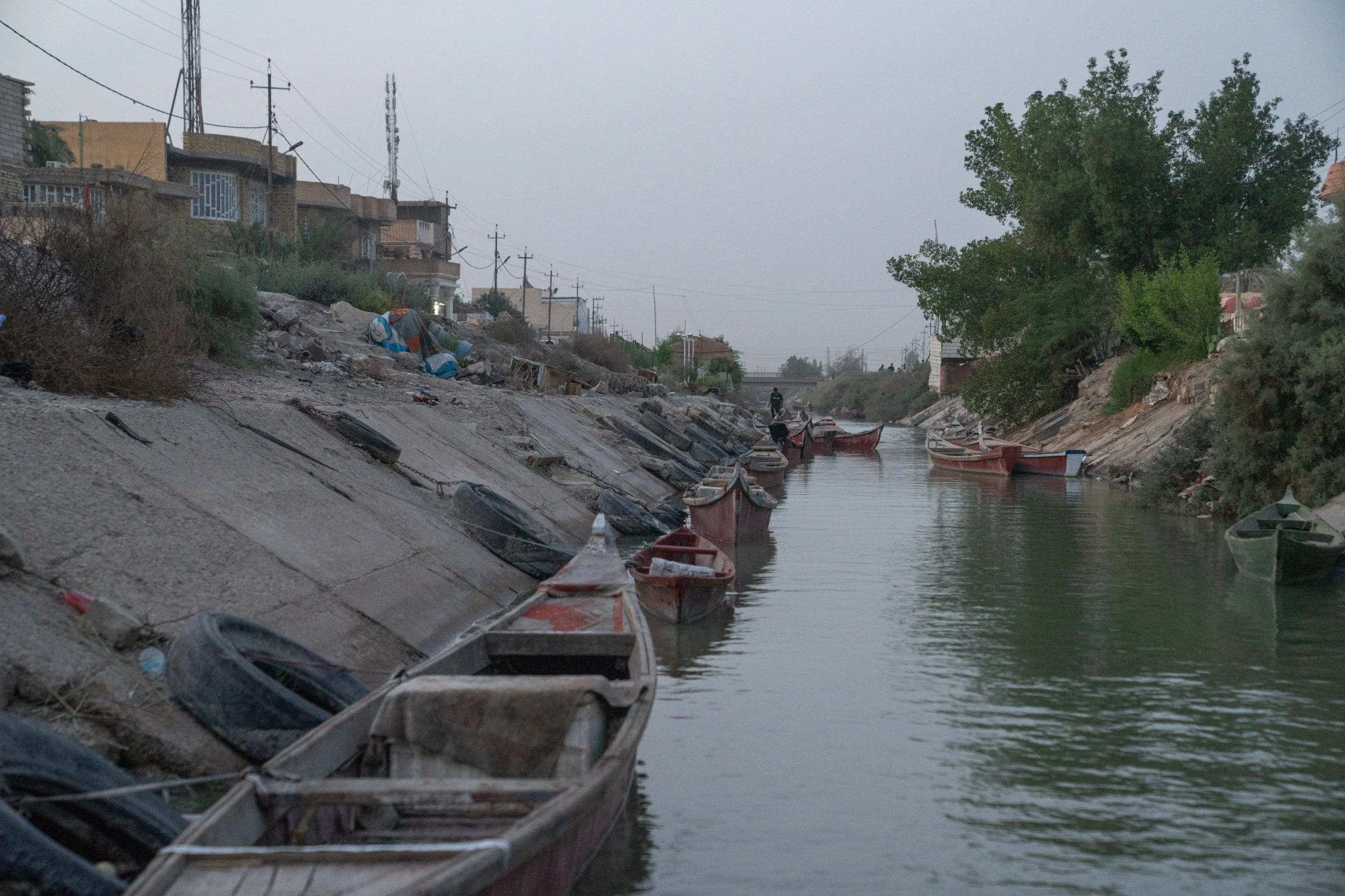
船只排成一列停在一条运河旁,这条运河将人们从沼泽带到奇巴伊什镇。
Boats line a canal that brings people from the marshes into the town of Chibayish.
阿尔瓦什说:“任何在伊拉克从事环保工作的人都经历过‘伊拉克自然’组织。”2018年,在出现该环保组织挪用公共资金的秘密指控后,伊拉克检察官冻结了该团体的银行账户。四年后,他们因缺乏证据而撤销了调查。只剩下四名能够负担得起无薪工作的员工。
"Anyone who works on the environment in Iraq has gone through Nature Iraq," Alwash says. In 2018, after secret allegations that the environmental organization was misusing public funds, Iraqi prosecutors froze the group's bank accounts. They dropped the investigation four years later due to lack of evidence. Only four staff members who could afford to work without being paid, remained.
阿萨迪被捕以及伊朗对曾与“伊拉克自然”组织合作的伊朗环保人士的监禁,对环保活动产生了寒蝉效应。
Asadi's arrest and Iran's imprisonment of Iranian environmentalists who worked with Nature Iraq have had a chilling effect on environmental activism.
21岁的志愿者蒙塔达尔·阿贝达利说:“绑架事件发生后,人们的态度是——‘你为什么要和贾西姆合作?这很危险。’”他说:“‘伊拉克自然’一直在教我如何保护沼泽、生物学、生物多样性甚至文化。无论如何,我会永远和贾西姆在一起。我为什么要感到害怕?我们是保护自然的下一代。”为了帮助提高国际知名度,阿贝达利自学了英语,现在已经能流利地说英语,并为一个名为《气候故事》的平台供稿。
"After the kidnapping people were like — 'Why are you working with Jassim? It's dangerous,'" says volunteer Muntadher Abedali, 21. "Nature Iraq has been teaching me how to protect the marshes, the biology, the biodiversity and even the culture," he says. "I will stay with Jassim forever, no matter what. Why should I feel afraid? We are the next generation to protect nature." To help raise awareness internationally, Abedali taught himself English and now speaks it fluently, contributing stories to a platform called Climate Stories.
他认为自己是很大程度上贫困的沼泽居民的声音的一部分,这些人没有自己发声争权益的政治力量。
He sees himself as part of the voice of largely impoverished marsh residents who do not have the political power to advocate for themselves.
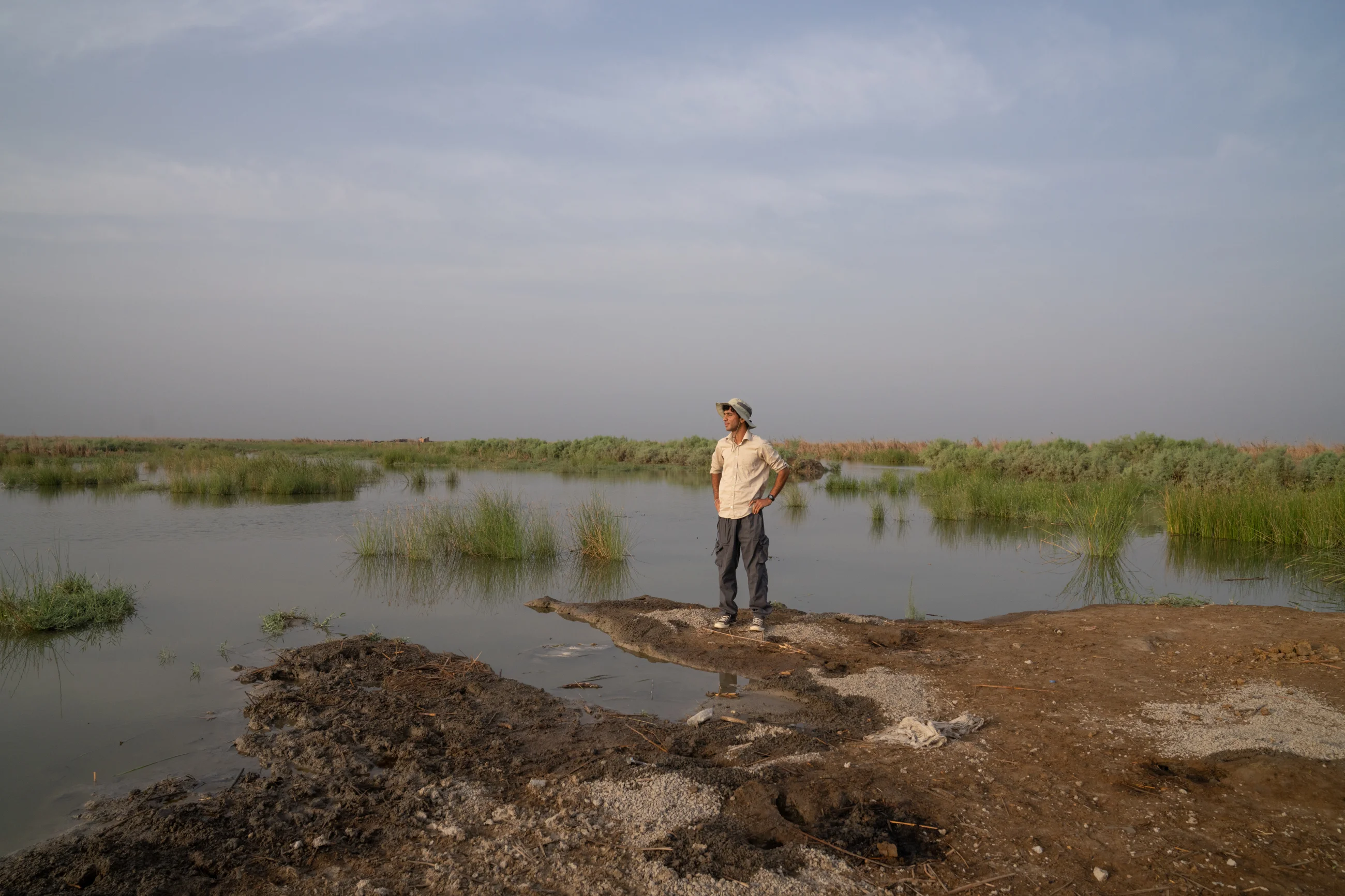
水重返伊拉克干涸的沼泽地。21岁的蒙塔达尔·阿卜达利是“伊拉克自然”组织的志愿者。他说,自从该组织联合创始人被绑架以来,他一直被警告与“伊拉克自然”交往很危险,但他表示自己绝不会停止帮助沼泽及其人民的工作。
Water returns to Iraq's parched marshland Muntadher Abdali, 21, is a Nature Iraq volunteer. He says he has been warned that it is dangerous to associate with Nature Iraq since the kidnapping of its co-founder but says he will never stop working on helping the marshes and its people.
最近的一天,阿萨迪(Asadi)和阿贝达利(Abedali)乘着被称为马舒夫(mashoufs)的狭长小船穿行于沼泽之中。如果不装发动机,这些船的设计与四千多年前苏美尔艺术中描绘的船只如出一辙。
On a recent day Asadi and Abedali travelled through the marshes in long narrow boats called mashoufs Without the motor, they are the same designs portrayed in Sumerian art more than 4,000 years ago.
“水怎么样?”阿萨迪向遇到的每个人打听。他将水位的涨落精确记录到厘米。随着去年冬天的降雨,在经历了五年的毁灭性干旱之后,水位已经上升了三分之一以上。但真正的衡量标准是水牛的健康状况,水牛是沼泽经济的支柱。
"How is the water?" Asadi asks everyone he meets. He keeps track of water levels rising and falling to the centimeter. With rains last winter, after five years of devastating drought, the levels have risen by more than one third. But the real gauge is the health of the water buffalo that are the backbone of the marsh economy.
干旱期间,这里的地貌发生了彻底改变。原本不生长在沼泽中的带刺荒漠植物取代了芦苇。候鸟栖息的湖泊完全干涸。许多养牛人搬离了此地并转向农业——在别人的土地上勉强维持生计。
During the drought the very landscape changed. Spiky desert plants that do not normally grow in the marshes took the place of reeds. Lakes used by migrating birds dried up entirely. Many buffalo herders moved away and turned to agriculture — scraping a subsistence while living on other people's lands.
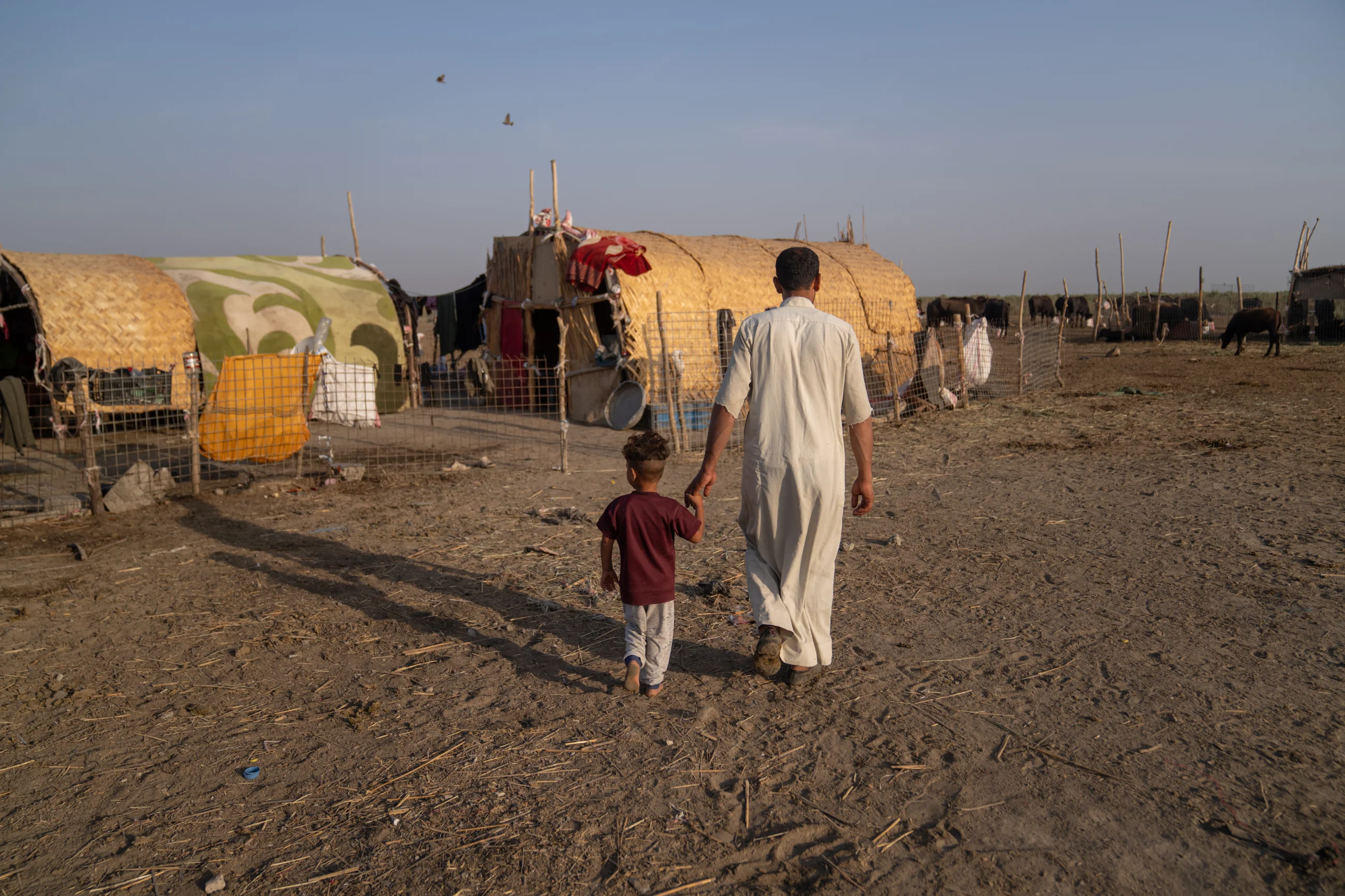
里扎克·伊斯梅尔·哈利勒(Rizzak Ismail Khalil)和三岁的儿子伊萨(Issa)在照料完水牛后步行回家。他们在当地的家是建在极小岛屿上的一座芦苇茅草屋,夏天酷热难耐。援助机构已经分发了太阳能系统,用于提供照明和运行冰箱。
Rizzak Ismail Khalil and his son Issa, 3, walk towards their home after tending to their water buffalo. Their home here is a reed hut on a tiny island — sweltering in the summer. Aid organizations have distributed solar power systems to run lights and a refrigerator.
出现了一些恢复的迹象。在日落时分的一个小岛上,穆阿梅尔·拉德(Muamel Raad)正在挤一头水牛的奶,乳白色的奶液溅进桶里,一部分将被制成高脂肪的奢华奶油,与鲜奶一起在镇上出售。二十三岁的拉德说,他和家人在过去五年里不断搬迁。
There are some signs of recovery. At one of the tiny islands near sunset, Muamel Raad was milking one of his buffalo, the creamy milk sloshing into a pail to be turned partly into a luxuriously high-fat cream sold along with the milk, in town. Raad, 23, says he and his family moved constantly over the last five years.
“闹旱灾时,我每两三个月就得搬一次家,”他说。干旱期间,他的七头水牛生病死亡,他还卖掉了无力喂养的其他水牛。在他的五十头牛中,现在只剩下不到二十头。
"With the drought, every two or three months I had to move," he says. Seven of his water buffalo sickened and died during the drought and he sold others he could not afford to feed. From a herd of 50, he now has fewer than 20 left.
拉德说,他从每只动物身上挤出的奶量是干旱时期的两倍——每天多达四夸脱。一个赤脚的小男孩在父亲挤奶时,把两三个月大的小牛犊从母牛身边驱赶开。
Raad says he is getting twice the amount of milk from each animal as he did during the drought – up to four quarts a day. A small, barefoot boy shoos 2- and 3-month-old calves away from their mothers as his father milks them.
在安曼,阿尔瓦什站在他2003年从伊拉克水利部获得的一张地图旁,地图上显示了萨达姆建造的复杂堤坝和运河系统,用于引流河水。
In Amman, Alwash stands near a map he obtained in 2003 from the Iraqi water ministry, showing the elaborate system of embankments and canals Saddam built to divert water from the rivers.
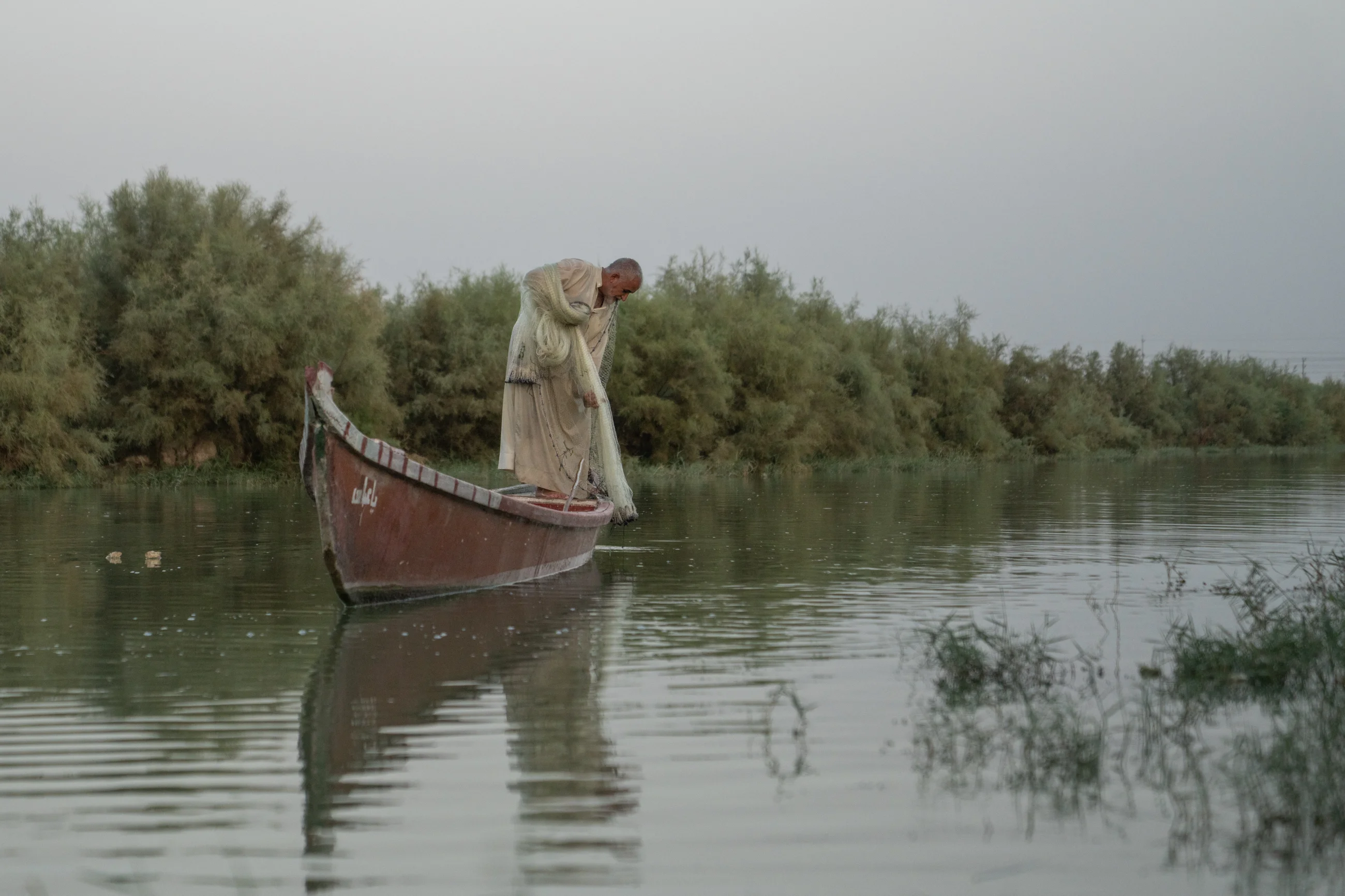
阿卜杜勒·侯赛因·塔希尔在沼泽地里用网捕鱼。这种长而窄的船——称为——与古代苏美尔浮雕中发现的设计相同。
Abdul Hussein Taher fishes with a net in the marshes. The long narrow boat — called a— is the same design found in ancient Sumerian carvings.
2013年获得享有盛誉的高德曼环境奖的阿尔瓦什,以教授般的专业知识和传教士般的热情谈论着沼泽地。
Alwash, who won the prestigious Goldman Environmental Prize in 2013, speaks about the marshes with the expertise of a professor and the zeal of a preacher.
他解释说,孕育了他所谓的“生物多样性交响曲”的洪水周期,在2019年土耳其巨大的伊利苏大坝项目开始拦截本应向下游流去的水之后结束了。
He explains the flood cycle that fostered what he calls 'a symphony of bio-diversity' ended in 2019 when Turkey's huge Elisu dam project began capturing water that would have run downstream.
“洪水的脉动不复存在了,”他说。“这是否意味着沼泽地完了?不,沼泽地在变化。大家都知道,自然界唯一不变的就是变化。” 环保人士重返沼泽地 在水面上,阿萨迪向站在船上撒大圆网捕鱼的渔夫们招呼。他们告诉他,捕鱼情况依然不好——鱼很少,而且大多个头很小。
"The pulse of the floods is no longer there," he says. "Does that mean the marshes are over? No, the marshes are changing. Everyone knows that the only constant in nature is change." Environmentalist's return to the marshes Out on the water, Asadi calls out to fishermen standing up in boats to cast wide circular nets into the water. They tell him the fishing is still bad — there are few fish, and most of them are small.
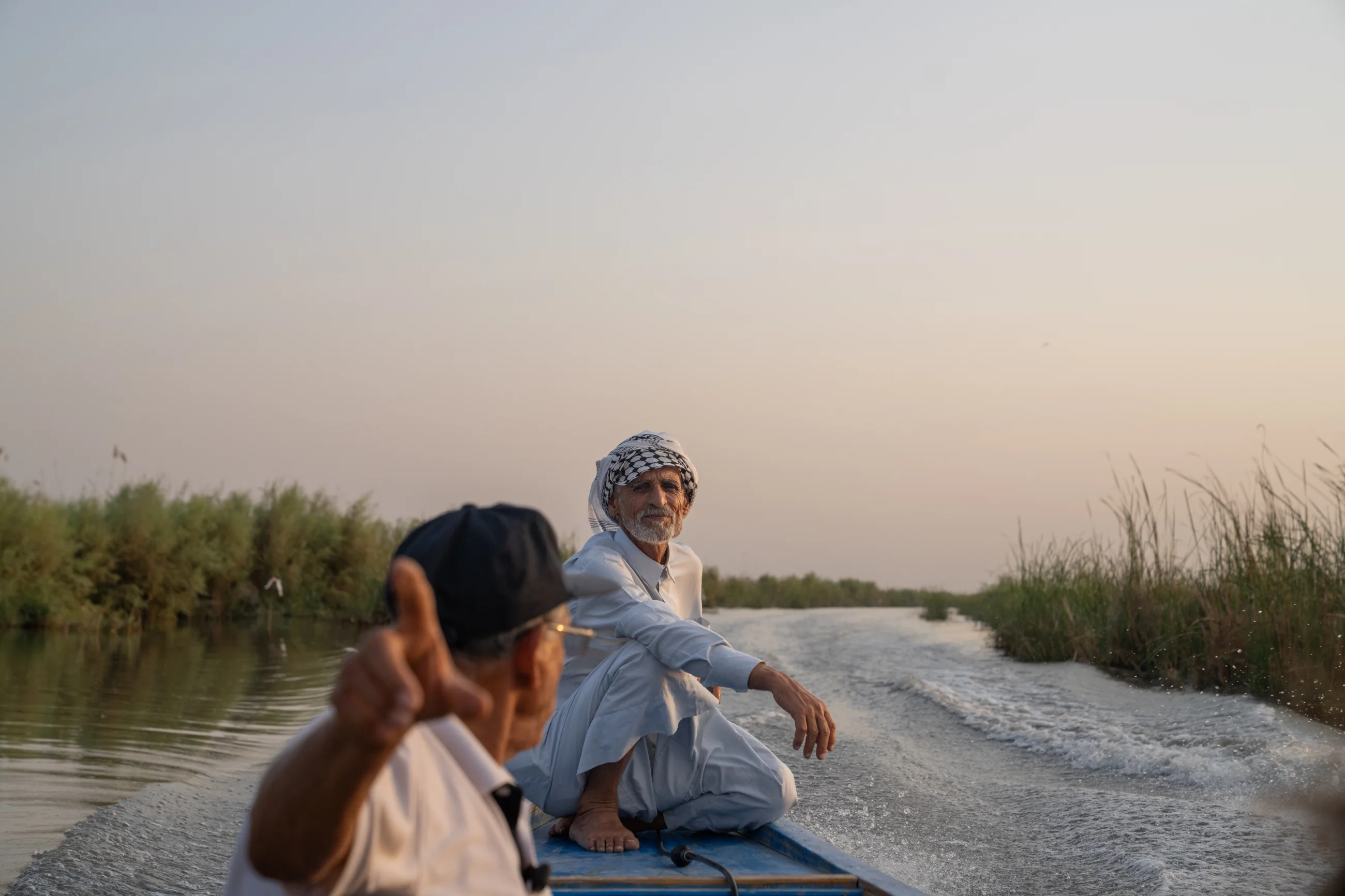
他询问在运河里游泳的孩子们——衣服紧贴在身上——水质怎么样。
He asks children swimming in the canal — their clothes plastered against them — how the water is.
贾巴尔是阿萨迪的老朋友,掌舵驾船,两人边走边聊。贾巴尔或许是沼泽地最著名的船夫。几十年来,他一直在沼泽地摆渡人们。他和阿萨迪常在水上唱传统民歌。
Jabar, a long time friend of Asadi, steers the boat as the two talk. Jabar is perhaps the marsh's most famous boatmen. He has been ferrying people through the marshes for decades. He and Asadi often sing traditional folk songs while on the water.
尽管经历了所有的创伤,他似乎丝毫没有失去精力,也没失去对沼泽地每一个侧面的热爱。
For all the trauma he has experienced, he seems to have lost none of his energy or his passion for every facet of the marshland.
他上上下下跳上跳下船只,突然高歌,即兴作诗。和相识于童年的船夫拉扎克·贾巴尔一起,他唱着老歌——大多是关于失去的地方和人的悲伤歌曲。
He jumps in and out of boats, bursts into song, composes poetry. With boatman Razzak Jabar, whom he has known since childhood, he sings old songs – sad ones mostly about lost places and people.
“确实是一次可怕的经历,”他谈到自己被绑架时说,“但这也让我和我们认识到,是的,这条路并不容易——它需要牺牲和力量。这是你们的国家,这是你们的自然,这是你们的环境。为你们的国家和土地努力工作。”
"It was a horrific experience, it is true," he says of his kidnapping. "But also it showed me and us that yes, this isn't an easy path — it requires sacrifices and strength. This is your country, this is your nature, this is your environment.
阿瓦德·阿尔塔伊、艾哈迈德·库赛和法蒂玛·阿尔卡萨布从伊拉克奇巴伊什和巴格达参与报道。
Work hard for your country and your land." Awadh al-Ta'ie, Ahmed Qusay and Fatima al-Kassab contributed reporting from Chibayish and Baghdad, Iraq. Iraq environment nature conservation