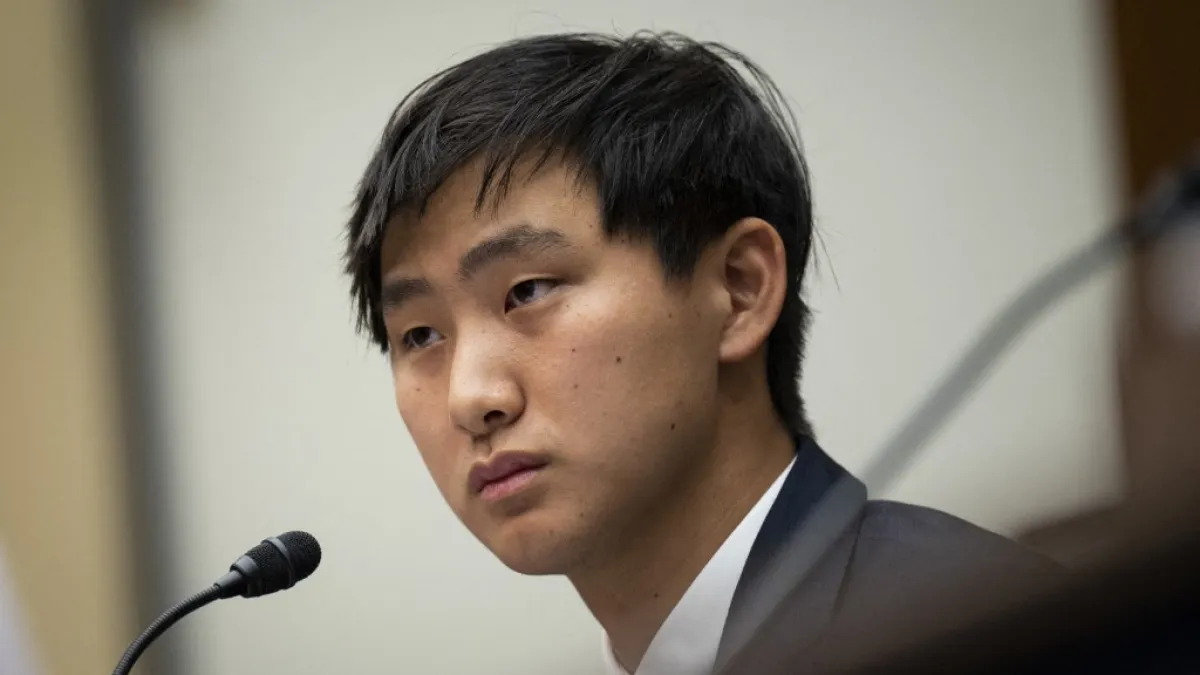
Meta的顶级人工智能高管对人类失去人工智能控制权的风险敲响了警钟,并警告称,远超人类智力的超级智能已近在眼前。
Meta’s top AI executive has sounded the alarm about the risk of humanity losing control of AI, warning that superintelligence that far exceeds the human intellect is imminent.
人工智能巨头Anthropic的一名员工宣布其利用Claude解决了黎曼猜想(数学中最困难的问题之一)后,Meta首席人工智能官亚历山大·王于周日发出这一警告。
Meta Chief AI Officer Alexandr Wang issued the warning on Sunday after an employee at AI giant Anthropic announced that he had used Claude to solve the Riemann hypothesis, one of the most difficult problems in mathematics.
亚历山大·王表示,这一突破在“纯粹的智力”方面堪称压倒了任何人类成就。
Wang said the breakthrough dwarfed any human achievement for “sheer intellectual might”.
这位29岁的高管表示,这一里程碑表明,新兴的人工智能模型在自我改进方面将“明显超人”,并且将“大幅加速”生物学、武器装备和经济学等领域的科研。
The 29-year-old executive said the milestone showed that emerging AI models will be “clearly superhuman” at improving themselves, as well as “massively accelerating” research in fields such as biology, armaments and economics.
“超级智能正在到来,”亚历山大·王在……上说,“人类在未来一年内的行为,将对我们生活在什么样的未来世界产生重大影响。”
“Superintelligence is arriving,” Wang said on“How humanity acts over the next year will have great consequence on what future world we live in.”
亚历山大·王去年加入Meta并担任这家科技巨头的首位首席人工智能官,在此之前他共同创立了Scale AI。他表示,人类不太可能控制实现无限制递归自我改进的人工智能,或者在“各个领域都比人类聪明且更有能力1000倍”的人工智能。
Wang, who co-founded Scale AI before joining Meta as the tech giant’s first chief AI officer last year, said it is unlikely humankind will be able to control AI that achieves unconstrained recursive self-improvement or is “1000x smarter and more capable than humans in every field.”
“既然我们已经到了能力进展方面的科学和技术问题可能已经解决的地步,我们不仅必须在安全、对齐和安保这些极为紧迫的领域取得进展,还必须开始深入思考我们如何进行深思熟虑的推进,”亚历山大·王说。
“Now that we are at a point where the scientific and technical problems on capability progress are likely solved, we must not only make progress in the extremely urgent areas of safety, alignment and security, but we have to start thinking through how we progress thoughtfully,” Wang said.
人工智能安全倡导者将递归自我改进——即人工智能模型变得能够在没有人类输入的情况下进行推进——确定为一个关键的临界点,人类可能会在此之后失去控制这项技术的能力。
AI safety advocates have identified recursive self-improvement – where AI models become capable of advancing without human input – as a critical tipping point after which humanity could lose the ability to control the technology.
尽管前沿人工智能带来的风险在硅谷引发了激烈的辩论,但对于如何在不让人类面临灾难性风险的情况下最大化该技术的益处,目前尚未达成共识。
While the risks of frontier AI have stoked intense debate in Silicon Valley, there is no consensus on how to maximise the benefits of the technology without exposing humanity to catastrophic risks.
Meta在很大程度上将自己定位在这场辩论中较具乐观主义的一方,首席执行官兼共同创始人马克·扎克伯格拒绝了Anthropic首席执行官达里奥·阿莫代伊和OpenAI首席执行官萨姆·奥尔特曼关于协调放缓开发步伐以加强护栏的呼吁。
Meta has largely positioned itself on the more optimistic side of the debate, with CEO and cofounder Mark Zuckerberg rejecting calls by Anthropic CEO Dario Amodei and OpenAI CEO Sam Altman for a coordinated slowdown in development to beef up guardrails.
扎克伯格在8月发表的一篇文章中感叹,关于人工智能的讨论“充满了厄运”,并表示这项技术应该带来“更多人分享更大的繁荣、健康和自由”。
In an essay published in August, Zuckerberg lamented that discussions about AI were “filled with doom” and said the technology should lead to “more people sharing greater prosperity, health and freedom.”
亚历山大·王在周日的发文中批评了人工智能行业内部他所谓的“懒惰思维”,该思维将超级智能视为不可避免的。
In his post on Sunday, Wang criticised “lazy thinking” within the AI industry that he said treated superintelligence as inevitable.
“我们不应该对把社会‘移交’给人工智能安之若素。我们应当努力构建一项为人类带来积极未来的技术,让所有人都能拥有更大的自主权和赋能,”亚历山大·王说。
“We should not be okay with a ‘handover’ of society to AI. We should endeavour ourselves to build a technology which delivers a positive future for humanity, where all humans have greater agency and empowerment,” Wang said.
“我坚信这是可能的,但这很可能需要整个行业采取明显不同于摆在我们面前的‘默认道路’的行动。”
“I strongly believe this is possible, but likely involves the whole industry taking meaningfully different actions from the “default path” in front of us.”