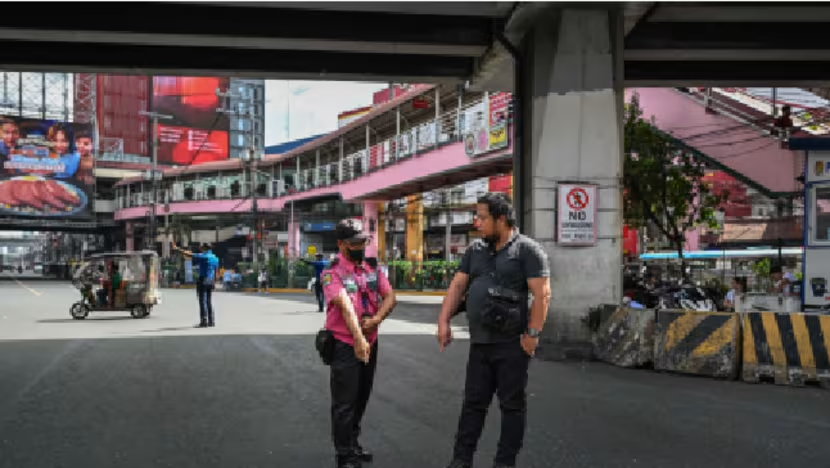
马尼拉:每当摩托车手在红灯处停在他身旁时,诺埃尔·塞利斯的心跳依然加速,这是无数个夜晚拍摄前菲律宾总统罗德里戈·杜特尔特血腥禁毒战争留下的遗症。“他们称之为‘双人骑行’,”这位自由摄影师对法新社讲述了那些曾在首都马尼拉游荡、散布死亡的两人团队,并承认,多年来因工作遭受死亡威胁,这依然“令人害怕”。
MANILA: Noel Celis's pulse still races whenever a motorcyclist pulls up alongside him at a red light, a legacy of countless nights photographing Philippine ex-president Rodrigo Duterte's bloody drug war "They call it riding in tandem," the freelance photographer told AFP of the two-man teams that once roamed the capital, Manila, dealing out death, conceding it remained "scary" after years of death threats tied to his work.
杜特尔特将于11月30日在国际刑事法院(ICC)受审,罪名是“反人类罪中的谋杀罪”,涉及2011年至2019年期间发生的杀戮。对于塞利斯这样的摄影师来说,那段时期仿佛就在昨天。
Duterte goes on trial at the International Criminal Court (ICC) on Nov 30 for the "crime against humanity of murder", over killings that took place between 2011 and 2019. For photographers like Celis, it is as if that period happened yesterday.
当时为法新社工作的43岁塞利斯,拍摄了约200起禁毒战争杀戮事件。
The 43-year-old, who worked for AFP at the time, photographed about 200 drug war killings.
其中一张照片显示,一名年轻女子在男友于繁忙路口被枪杀后不久,抱着他血淋淋的遗体。
One picture showed a young woman cradling the bloody body of her boyfriend shortly after he was gunned down at a busy intersection.
对这个以天主教为主的国家来说,这张照片与米开朗基罗的《圣母怜子》——一幅圣母玛利亚在耶稣被钉十字架后抱着他遗体的雕塑——有着令人不安的相似之处。它迅速成为这次打击行动的标志性图像。
To the mainly Catholic nation, it bore a disturbing resemblance to Michelangelo's La Pieta, a sculpture of the Virgin Mary cradling Christ after his crucifixion. It swiftly became the defining image of the crackdown.
那些报道禁毒战争的记者们开始自称“夜行者”,取自一部关于洛杉矶摄影师追逐深夜混乱的好莱坞电影。
Those working the drug war beat took to calling themselves "nightcrawlers", after a Hollywood film about Los Angeles camera crews chasing late-night mayhem.
菲律宾摄影记者东迪·陶塔奥辨认他在马尼拉拍摄禁毒战争受害者的地点。
Philippine photojournalist Dondi Tawatao identifying the place where he photographed a drug war victim in Manila.
死亡地图 起初,记者们说,警察毫不顾忌地向他们透露杀戮消息。
MENTAL MAP OF DEATH At first, the journalists said, the police had no qualms about tipping them off about the killings.
但随着公众愤怒日益高涨,警察不再透露消息,摄影师们只好追逐警察召集来收集尸体的停尸车。
But they clammed up as the public outcry grew, and the photographers resorted to chasing after mortuary vans summoned by police to collect the dead.
46岁的东迪·陶塔奥在与法新社一起回到一条垃圾遍地的街道时,一切涌上心头。十年前的一个雨夜,他在一棵榕树裸露的树根下拍摄了两具尸体。附近有两把手枪,他相信那是人为放置的。
It all came flooding back for Dondi Tawatao, 46, when he returned with AFP to a garbage-strewn street where, on a rainy night 10 years ago, he took pictures of two bodies beneath the exposed roots of a banyan tree. Near them were two handguns he believed were planted there.
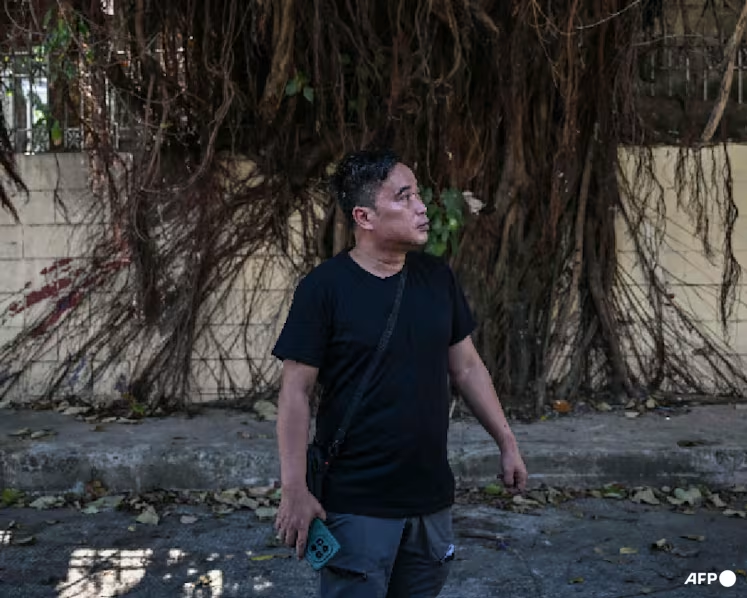
“当时非常黑暗,非常阴森。它本该是生命之树,但在那个夜晚,它变成了死亡之树,”他对法新社说。
"It was very dark, very sinister. It's supposed to be the tree of life, but on that night, it became the tree of death," he told AFP.
拍摄禁毒战争四年后,杀戮变得“常态化”,以至于除非现场至少有三具尸体,否则他不再前往犯罪现场。他说,漫漫长夜重塑了他对马尼拉的认知。
After shooting the drug war for four years, the killings became "normalised" to the point where he stopped visiting crime scenes unless they involved at least three corpses. The long nights rearranged how he saw Manila, he said.
“你脑海里会形成一张杀戮发生地的心理地图。比如你随意走着走着,突然会意识到,'这里是某某被杀的地方'。”他后来离开了这一行,“主要是为了在精神上休息一下”。
"You sort of have a mental map of where the killings took place. Like randomly, you would be walking, then you realise, 'this was where so-and-so was killed'." He later left the profession, "primarily to take a rest mentally".
菲律宾自由摄影记者金伯利·德拉克鲁斯站在她拍摄禁毒战争受害者的马尼拉现场。“我们想道歉”36岁的自由记者金伯利·德拉克鲁斯在马尼拉铁轨上发现了她拍摄的第一具尸体,另一具则在一座主要桥梁之上。
Philippine photojournalist Kimberly dela Cruz standing where she photographed a drug war victim in Manila. "WE WANT TO APOLOGISE" Freelancer Kimberly dela Cruz, 36, found her first victim on Manila's rail tracks, and another atop a major bridge.
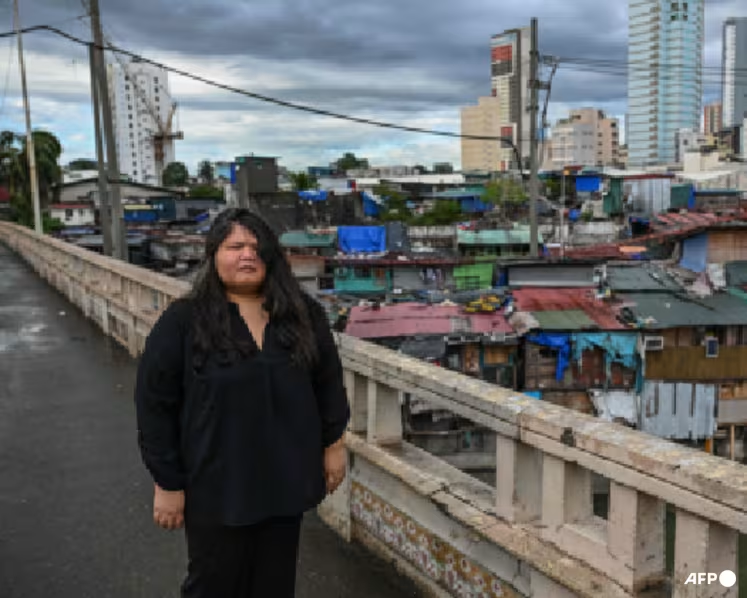
“那是个满月之夜,我想,'多美好的一个夜晚啊——要不是有人死了',”她对法新社回忆起第一具尸体时说。
"It was a full moon, and I thought, 'What a beautiful evening it would have been - except somebody died'," she told AFP of the first.
第二现场那名男子的头被封装胶带缠裹。他躺在一块硬纸板海报旁,上书:“我是贩毒者,别学我。”她有些同事需要接受专业心理辅导。一人患上反复噩梦,梦见禁毒战争的死者复活。
The head of the man at the second scene was wrapped in packaging tape. He lay next to a cardboard poster that read: "I'm a drug pusher, don't emulate me." Some of her colleagues would require professional counselling. One suffered from recurring nightmares about the drug war dead coming back to life.
塞利斯的记忆聚焦于受害者妻子和母亲撕心裂肺的哭嚎,以及血腥味那种尖锐的金属气息。
Celis's memories centre on the heart-wrenching keening of victims' wives and mothers, and the sharp, metallic smell of blood.
德拉克鲁斯说,主要贫民窟杀戮现场的居民对记者的恐惧不亚于对警察。
Residents of the mainly slum-area killing grounds could fear journalists as much as they did police, dela Cruz said.
“我是个外人。他们以为我是情报人员、警察,或者会带来灾祸的人,”她说。
"I was an outsider. They thought I was an (intelligence operative), police, or somebody that would bring evil," she said.
塞利斯说,摄影师们在无力相助的愧疚感,以及“从他人苦难中牟利”的指责中挣扎。
Celis said photographers wrestled with feelings of guilt over not being able to help, and accusations of "profiting from the suffering of other people".
当他和一位同事前往拉皮耶塔受害者的守灵现场时,他们半是恐惧会被愤怒的亲属私刑处死。
When he and a colleague attended the wake of the La Pieta victim, they half-dreaded a lynching by angry relatives.
“我们去那里是为了道歉,因为我们无法提供帮助,”他说,并告诉受害者的女朋友,如果将来提出指控,这些照片可以作为证据。“我感到震惊”“照片很有力量,”塞利斯说,“尤其是在这个时期,颠倒黑白成了时尚。”
"We went there to apologise for not being able to help," he said, telling the victim's girlfriend the pictures could be evidence were charges ever brought. "I WAS SHOCKED" "A picture is powerful," Celis said, "especially at this time, when standing history on its head is in vogue".
塔瓦塔奥暗指大屠杀否认者,说这些照片提供了“无可辩驳的证据,证明事情确实发生过”。
Alluding to Holocaust deniers, Tawatao said the photos provided "incontrovertible proof that it happened".
接受法新社采访的摄影师都不相信禁毒战争解决了该国的毒品问题。他们依然确信,警方谋杀了数千人以执行杜特尔特的意志。
None of the photographers interviewed by AFP believed the drug war solved the country's narcotics problem. They remain convinced the police murdered thousands to enforce Duterte's will.
但对他们所有人来说,杜特尔特去年被捕并移交国际刑事法院(ICC)似乎是不可能的——直到它真的发生了。
But for all, Duterte's arrest and handover to the ICC last year seemed an impossibility - until it happened.
“我感到震惊,因为我认为这是不可能的。我们只见过当权者逍遥法外,”塔瓦塔奥说。
"I was shocked, because I didn't think it was possible. We've only seen the powers that be get away with it," Tawatao said.
德拉·克鲁兹描述道,当杜特尔特被押送至海牙时,他感到“巨大的宽慰。这意味着受害者家属实现了某种形式的正义”。“他下令发动禁毒战争,导致许多人丧生,”塞利斯说。“这是他行为的自然后果。”
Dela Cruz described a "huge sense of relief when (Duterte) was flown to The Hague. It meant some sort of justice was achieved by the families". "He ordered a war on drugs that killed many people," Celis said. "It's the natural consequence of his actions."