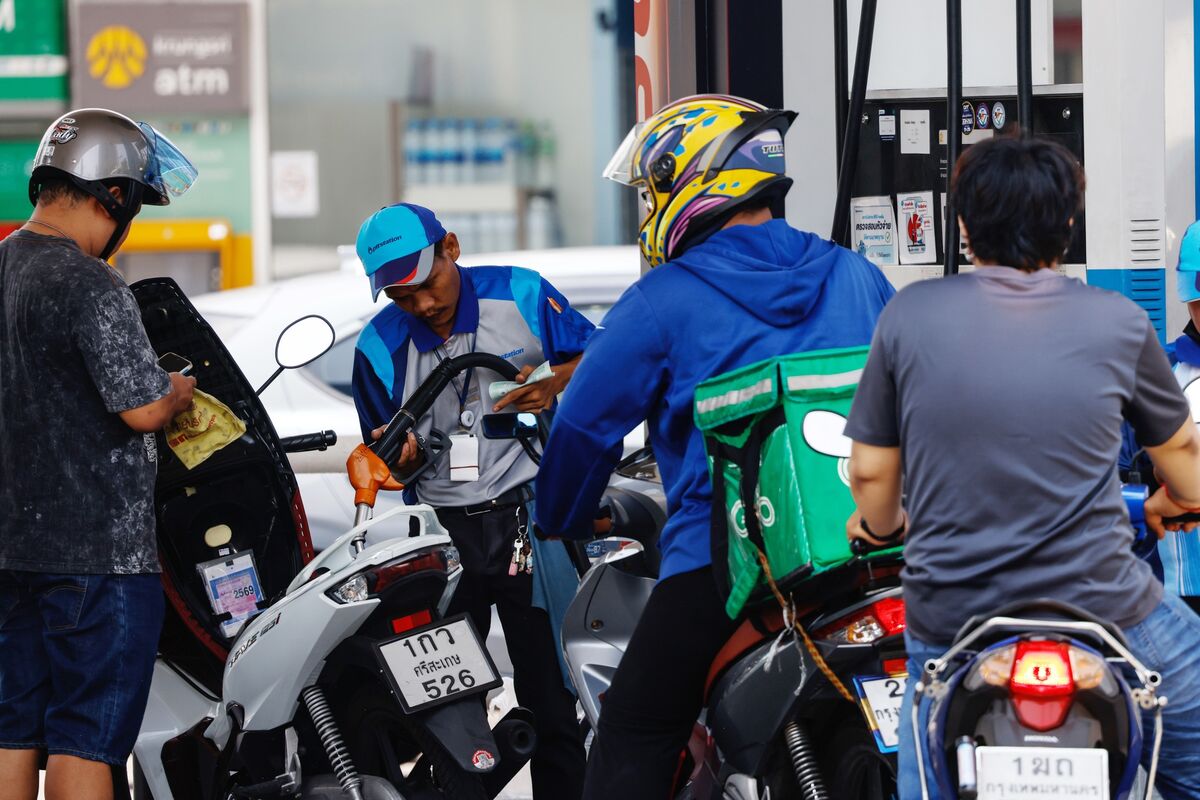
据世界银行称,东亚和太平洋地区的经济体在试图缓冲预计将持续到明年的能源冲击时,面临火力耗尽的风险。
By Claire Jiao Economies in East Asia and the Pacific risk running out of firepower as they try to cushion the blow from an energy shock that’s set to persist into next year, according to the World Bank.
世界银行周二发布的《东亚及太平洋经济更新报告》指出,随着美伊战争推高全球油价,该地区政府的应对比其他地区同行更为激进,且更严重依赖补贴。
The region’s governments have responded more aggressively than peers elsewhere as the US-Iran war drove global prices up, and they’ve relied more heavily on subsidies, the World Bank said in its East Asia & Pacific Economic Update released on Tuesday.
报告称,这种做法可能“难以为继”,预测中东石油出口要到2027年年中才能恢复到冲突前水平。
The approach may be “unsustainable,” it said, forecasting that Middle East oil exports won’t return to pre-conflict levels until mid-2027.
报告称:“如果冲击是持续性而非暂时性的,这些措施可能会推迟所需的行为调整,同时还会增加财政成本并降低外汇储备。”
“These measures may postpone the adjustments to behavior required if the shock is persistent rather than temporary, while also imposing fiscal costs and lowering foreign currency reserves.”
世界银行援引印度尼西亚、泰国和越南为例,这些国家都采取了抑制零售汽油价格的措施,今年其美元储备分别减少了15%至40%。目前,能源风险被该行称为“AI顺风”的因素所抵消。
The World Bank cited Indonesia, Thailand and Vietnam, which have all taken steps to suppress retail gasoline prices and have seen their dollar war chests depleted by between 15% and 40% this year. For now, energy risks are outweighed by what the bank calls the “AI tailwinds.”
报告预测今年东亚和太平洋地区增长4.5%,较上次预测上调0.3个百分点。这主要归因于人工智能繁荣带动的强劲投资和出口。明年4.4%的增长前景保持不变。
It forecasts growth of 4.5% this year in East Asia and the Pacific, revising the figure up by 0.3 percentage point from the last forecast. That’s largely due to strong investment and exports led by the artificial-intelligence boom. The outlook for 4.4% growth next year was unchanged.
世界银行表示,更持久的能源冲击可能使更多这种韧性面临风险,特别是如果伴随AI周期下行和厄尔尼诺天气扰动。
A longer-lasting energy shock could put more of that resilience at risk, especially if coupled with a downturn in the AI cycle and El Niño weather disruptions, the World Bank said.
较高的能源成本已拖累制造业,而运输价格飙升则打击了消费需求。
Higher energy costs have already weighed on manufacturing, while the surge in transport prices has hit consumer demand.
报告称:“能源价格再次上涨对经济活动的损害可能比最初观察到的更大,特别是随着高通胀和金融条件收紧的拖累加剧。”
“A renewed rise in energy prices may be more damaging to economic activity than initially observed, particularly as the drag from higher inflation and tighter financial conditions grows,” it said.