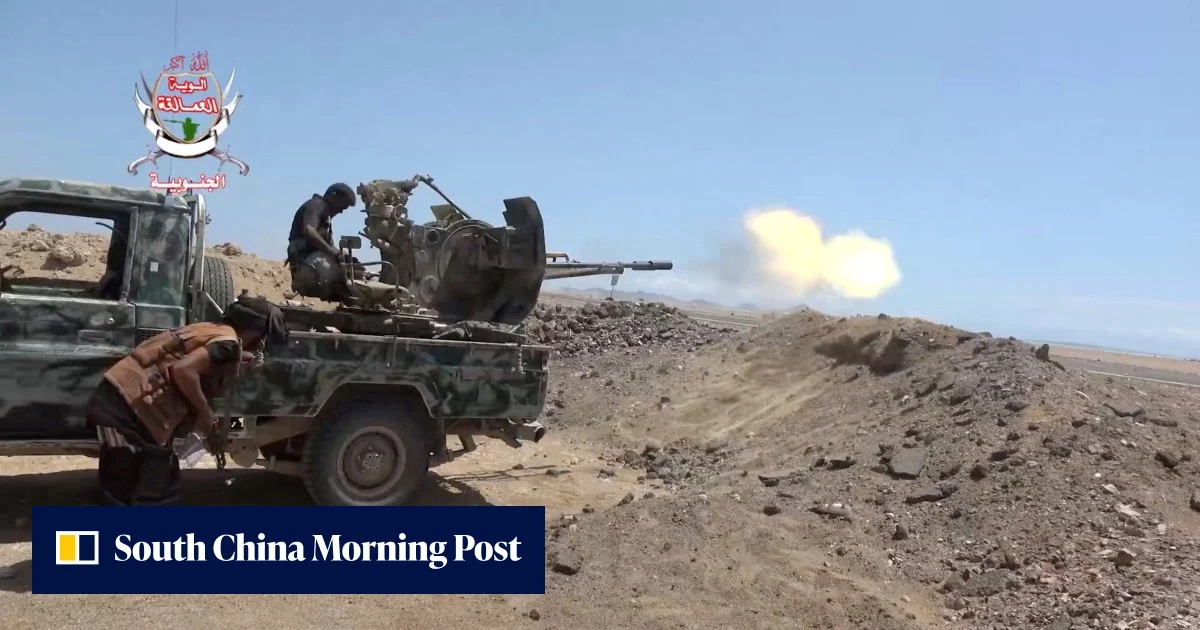
分析人士警告称,本周利雅得重新对与德黑兰结盟的也门胡塞武装发动大规模空袭,打破了持续四年的平静局面,伊朗与沙特正危险地一步步走向直接冲突。
Iran and Saudi Arabia are edging dangerously closer to direct conflict, analysts warn, after Riyadh resumed major air strikes on Yemen’s Tehran-allied Houthi rebels this week, ending a four-year lull.
周一,100多架沙特战机轰炸了胡塞武装的据点,帮助也门政府军重新夺回了上个月被胡塞武装占领的红海沿岸大片领土。此前,伊朗军事顾问一直为胡塞武装提供协助。
More than 100 Saudi warplanes bombed rebel positions on Monday, enabling Yemeni government forces to retake much of the Red Sea coastal territory the Houthis seized last month. The Houthis had been aided by embedded Iranian military advisers.
分析人士预计,胡塞武装将采取报复行动,加大对沙特阿拉伯的无人机与弹道导弹袭击力度;与此同时,伊朗伊斯兰革命卫队也会向所谓“抵抗轴心”阵营中的盟友提供武器及目标情报。
Analysts expect the Houthis to retaliate by intensifying drone and ballistic missile attacks against Saudi Arabia, while Iran’s Revolutionary Guards are expected to supply weapons and targeting intelligence to their partners in so-called Axis of Resistance.
随着战事升级并吸引更多国际势力卷入,各方的伤亡人数也很可能随之上升。
Casualties on all sides are also likely to rise as the war widens and draws in more international players.
周一,巴基斯坦与土耳其宣布,根据三国于8月份签署的《麦加共同防御协定》,它们将“派遣约定数量的部队与军事力量,并迅速部署至沙特阿拉伯”。
On Monday, Pakistan and Turkey said they would “provide agreed forces and military capabilities and rapidly deploy them in Saudi Arabia” under the Mecca Joint Defence Agreement all three signed in August.
据报道,巴基斯坦军事顾问目前已随同也门政府军行动,为其提供打击胡塞武装所需的情报与通信支持。西方各国也纷纷支持沙特针对胡塞武装及其伊朗顾问的军事行动。
Pakistani military advisers are reportedly already embedded with Yemeni government forces, providing the intelligence and communications support needed to coordinate operations against the Houthis. Western powers are also backing Saudi operations against the Houthis and their Iranian advisers.
据悉,美国军方已向利雅得派出一支由100多名顾问组成的特种任务小组;英国则同意为沙特战机提供空中加油服务;法国防空部队也承担起防御任务,以抵御胡塞武装对沙特石油出口基础设施的空袭。
The US military has reportedly sent a specialised task force of more than 100 advisers to Riyadh, while Britain has agreed to provide air-to-air refuelling for Saudi aircraft and French air defence units have taken on defensive responsibility for repelling Houthi air attacks on Saudi oil-export infrastructure.
与此同时,沙特阿拉伯与阿拉伯联合酋长国已着手化解双方在支持也门反胡塞武装派别问题上的分歧。
Meanwhile, Saudi Arabia and the United Arab Emirates have moved to end their dispute over support for rival Yemeni anti-Houthi factions.
据总部位于华盛顿的阿拉伯海湾国家研究所高级研究员、《》一书的作者阿里·阿尔福内赫透露,尽管面临诸多困境,德黑兰仍认为自己“别无选择”,只能继续支持胡塞武装,“即便要冒与沙特阿拉伯直接开战的风险”。
Despite all this, Tehran believes it has “little choice” but to continue supporting the Houthis, “even at the risk of direct war with Saudi Arabia”, according to Ali Alfoneh, a senior fellow at the Washington-based Arab Gulf States Institute and author of .
他表示,德黑兰担心美国与以色列重新发动空袭,“这进一步加深了伊朗对也门胡塞武装等地区盟友的依赖”。胡塞武装的正式名称是“安萨尔拉”。
伦敦国王学院国防研究副教授安德烈亚斯·克里格指出,胡塞武装在向沙特施压方面“发挥了极大作用”;不过如今他们的成功却可能“产生适得其反的战略后果”——因为这些成功有可能促成伊朗多年来一直试图避免形成的国际反伊联盟。
He said Tehran’s fear of the US and Israel resuming air strikes “deepens Iran’s dependence on regional allies” such as Yemen’s Ansarallah, the Houthi movement’s official name. The Houthis had been “extremely useful” in pressuring Saudi Arabia, said Andreas Krieg, an associate professor of defence studies at King’s College London, but their successes now risked becoming “strategically counterproductive” for Tehran if they produced the sort of international coalition that the Iranians had “spent years trying to prevent”.
克里格称,巴基斯坦与土耳其军队的介入、沙特与阿联酋之间军事合作的恢复,以及英法两国在沙特周边的军事部署,“对德黑兰而言都是警示信号”。
Pakistani and Turkish military involvement, renewed operational cooperation between Saudi Arabia and the UAE, and British and French deployments around Saudi Arabia were “all warning signs for Tehran”, he said.
克里格预计,伊朗会继续支持胡塞武装,同时努力“控制冲突升级的幅度”,避免发生可能使冲突进一步国际化且引发政治动荡的事件。这类事件包括麦加、麦地那等朝觐圣地出现大量人员伤亡,西方军事人员遭杀害,或是连接亚洲与欧洲、经苏伊士运河进行贸易往来的曼德海峡被封锁。
Krieg expects Iran to continue supporting the Houthis while simultaneously trying to “calibrate their escalation” and avoid politically explosive incidents that would further internationalise the conflict. Examples include mass casualties at the pilgrimage cities of Mecca and Medina, the killing of Western military personnel or the closure of the Bab el-Mandeb Strait, which connects trade between Asia and Europe via the Suez Canal.
阿尔福内赫指出,破坏曼德海峡与霍尔木兹海峡的航运秩序、袭击地区能源基础设施,依然是“德黑兰给全球经济制造麻烦并动员反战力量的唯一手段”。
Alfoneh said disrupting shipping through the Bab el-Mandeb and Hormuz straits, and targeting regional energy infrastructure, remained “Tehran’s only means of inflicting pain on the global economy and mobilising an anti-war lobby”.
他补充道,若失去这些手段,伊朗很可能重蹈1991年海湾战争至2003年伊拉克战争期间萨达姆统治下的伊拉克的覆辙:即“因制裁与禁运而陷入贫困,国力被掏空,最终极易遭受美国的地面入侵”。
Without these tools, he said Iran risked suffering the fate of Saddam Hussein’s Iraq between the 1991 Gulf War and the 2003 invasion: “impoverished by sanctions and an embargo, hollowed out and vulnerable to a US ground invasion”.
曾任五角大楼官员、现任海湾国际论坛高级客座研究员的戴夫·德罗什指出,伊朗不会为了支持胡塞武装而冒险动用其“核心军事能力”,比如能够打击以色列的远程无人机与导弹。
Iran would not risk its “core military capabilities”, such as longer range drones and missiles capable of striking Israel, in support of the Houthis, said Dave Des Roches, a retired Pentagon official and senior non-resident fellow at the Gulf International Forum.
他表示,对德黑兰而言,胡塞武装不过是一次“以最小代价实现战略目的的军事行动”,其目的是为了维护伊朗的利益,而非相反。
For Tehran, he said, the Houthis were an “economy of force operation” that served “Iranian interests, not the other way around”.
华盛顿史汀生中心中东问题资深研究员芭芭拉·斯拉文指出,尽管国际社会对胡塞武装近期占领曼德海峡周边要地深感担忧,但目前尚难判定“究竟谁会真正为此付出代价”。
Despite international concern about the Houthis’ recent seizure of key locations around the Bab el-Mandeb Strait, it was too early to tell “who will actually put skin in the game”, said Barbara Slavin, a distinguished Middle East fellow at the Stimson Centre think tank in Washington.
她强调,伊朗与沙特都希望“这场冲突始终以间接形式进行,让也门国内不同政治派别都为此承担代价”。
Both Iran and Saudi Arabia would prefer that “this remains an indirect fight with Yemenis on both sides of the political divide paying the price”, she said.
与此同时,分析人士预计伊朗会继续公开否认对胡塞武装拥有指挥权,同时维持与沙特、巴基斯坦、土耳其以及海湾地区调解国阿曼、卡塔尔的外交联络渠道。
At the same time, analysts expect Iran to keep publicly denying operational control over the Houthis, while preserving diplomatic backchannels with Saudi Arabia, Pakistan and Turkey, as well as the Gulf mediators Oman and Qatar.
克里格指出,保持战略模糊性正是伊朗策略的核心:既想借助胡塞武装维持军事影响力,又不愿为其所有行动承担责任。“问题在于,这一策略可能正逐渐触及极限,”他警告道。
Krieg said ambiguity was central to Iran’s strategy of retaining the military leverage that the Houthis provided without accepting responsibility for their every action. “The danger is that this strategy may be reaching its limits,” he warned.
西方情报报告显示,伊朗对胡塞武装的援助远不止武器输送,还包括技术指导、情报支持、任务规划、导弹与无人机准备、目标定位协助、电子战支援以及战损评估等服务。
Western intelligence reports say Iran’s assistance goes well beyond weapons transfers; it includes technical expertise, intelligence, mission planning, missile and drone preparation, targeting support, electronic warfare and battle-damage assessment.
不过克里格强调,将胡塞武装的每一次行动都视为受德黑兰指挥并不客观。他指出,胡塞武装拥有独立的领导层、自身利益诉求及行动自主权,伊朗“根本无法随心所欲地指挥或控制他们”。
But it would be wrong to describe every Houthi operation as being directed from Tehran, Krieg said, adding that the Houthis retained their own leadership, interests and operational autonomy and Iran “cannot reliably switch them on and off”.
不过,克里格指出:“随着越来越多的伊朗军事人员深入参与胡塞武装的行动,而沙特情报部门也能更精准地识别并打击这些网络,‘将沙特与胡塞武装的冲突同沙特与伊朗的对峙区分开来就愈发困难’。”他补充道:“这很可能是未来几周内最严重的局势升级风险。”
Nonetheless, the more Iranian military personnel became embedded in Houthi operations, and the more Saudi intelligence was able to identify and strike those networks, “the harder it becomes to keep the Saudi-Houthi war separate from the Saudi-Iranian confrontation”, Krieg said. “That is probably the most serious escalation risk over the coming weeks,” he added. By Tom Hussain