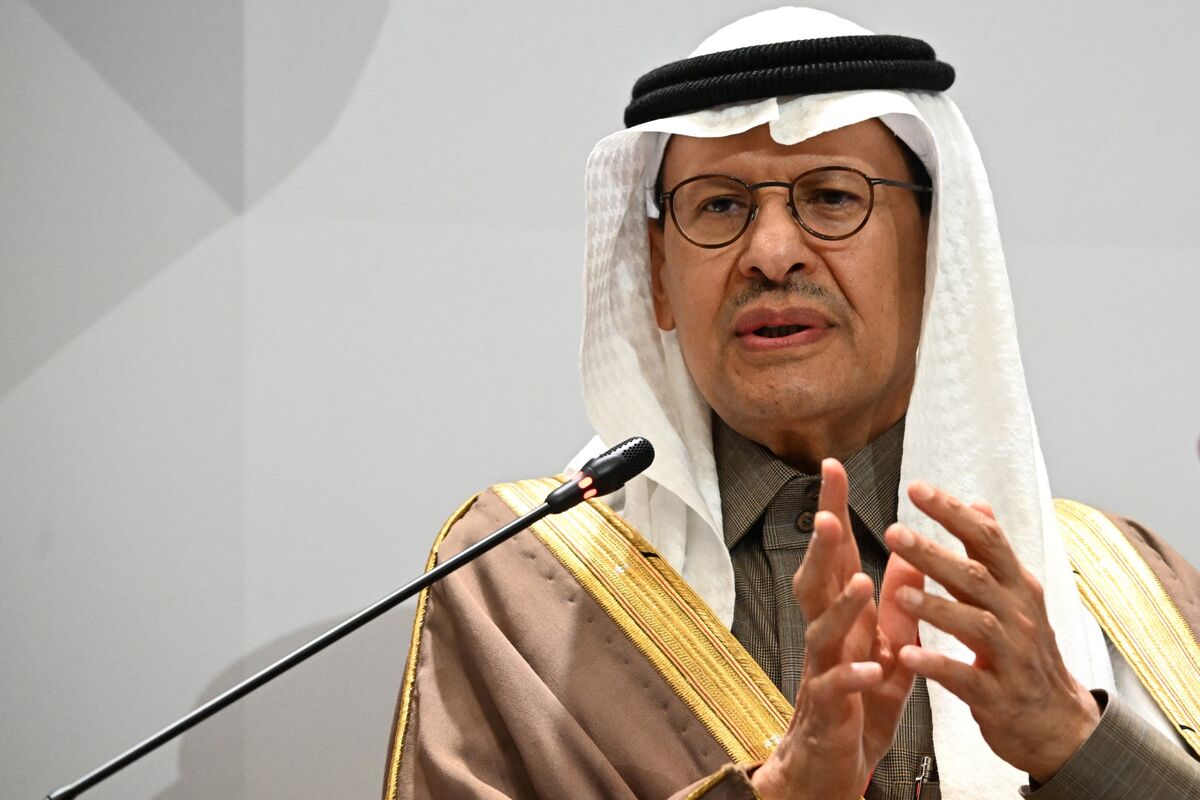
据艾哈迈德·埃利马姆报道,沙特能源部长阿卜杜勒阿齐兹·本·萨勒曼透露,目前沙特每日通过其主要跨国输油管道输送580万桶石油。
Arabia is pumping 5.8 million barrels a day through its key cross-country pipeline, Energy Minister Prince Abdulaziz bin Salman said.
这位部长在巴林举行的一场活动上表示,截至周二上午,这些石油正通过东西输油管道输送。他称,在管道遭受严重破坏五至六天后,沙特便重新恢复了该线路的运营。此前在9月10日,该管道因遭到来自伊拉克的无人机袭击而被迫关闭。
The kingdom was sending those volumes through the East West pipeline as of Tuesday morning, the minister said at an event in Bahrain. It was able to start using the link again five to six days after the “big hit” on the pipeline, he said. The link was shut Sept. 10 following attacks by drones launched from Iraq.
据一位知情人士上周末透露,国有企业沙特阿美已将该管道的日输量提升至近600万桶,相当于管道总输送能力的80%以上。其中约450万桶可通过红海沿岸的延布港用于出口。
State-run Saudi Aramco had ramped up flows through the pipeline to close to 6 million barrels a day, or over 80% of capacity, a person familiar with the matter said late last week. About 4.5 million of that was available for exports through the kingdom’s western port of Yanbu on the Red Sea coast, the person said.
此次管道中断使得沙特无法继续借助这条在伊朗战争期间保障石油供应的关键通道输送原油,以往这些石油无需经过风险极高的霍尔木兹海峡即可运往市场,对稳定油价起到了关键作用。
The strike halted a vital conduit that had kept oil flowing during the Iran war without relying on perilous journeys via the Strait of Hormuz. Those supplies had become a lifeline for the market, helping prevent oil prices from surging even further.
然而近几个月来,也门胡塞武装频繁袭击沙特西海岸的油轮及基础设施,导致这条通道面临巨大压力。东西输油管道的停运迫使沙特重新将石油出口重心转向霍尔木兹海峡。得益于这些恢复的出口量以及延布港的供应增加,沙特上个月的石油总出口量创下今年1月以来的新高。
That route, however, has come under pressure in recent months with Yemen’s Houthi militants attacking tankers and Saudi infrastructure along the kingdom’s west coast. The shutdown of the East-West pipeline had forced Saudi Arabia to pivot its oil exports back toward Hormuz. Those shipments, and the returning supplies through Yanbu, drove up the kingdom’s total exports last month to the highest since January.