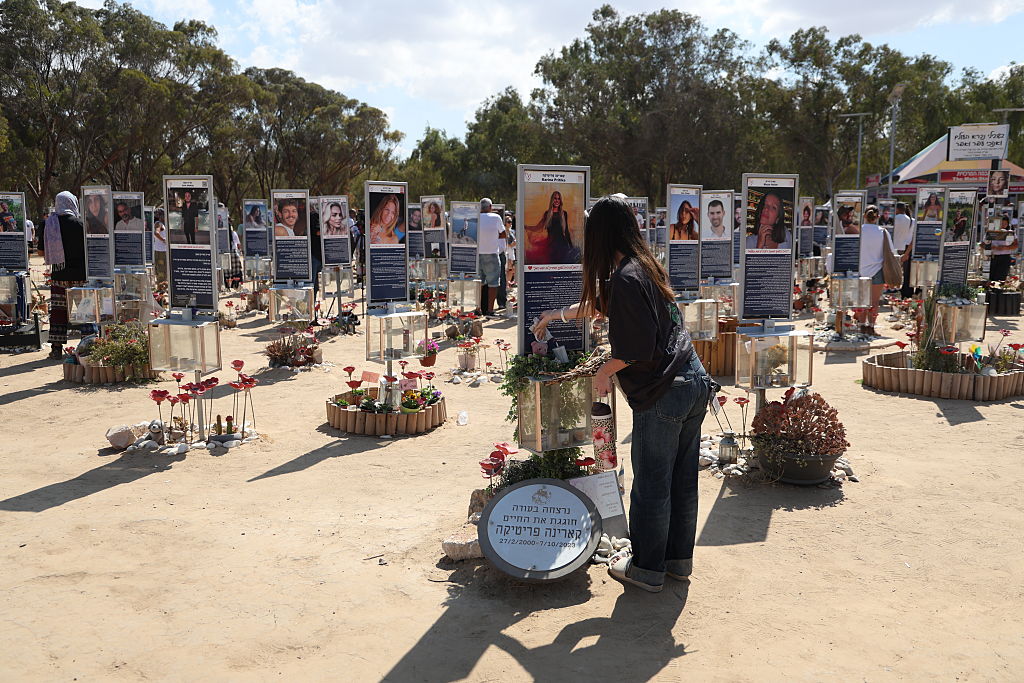
2023年10月7日,哈马斯袭击以色列人,世界随之改变,这场袭击也引发了席卷整个地区的毁灭性冲突。然而,在以色列国内,政治情绪的变化却出人意料地小。
The world changed when Hamas attacked Israelis on Oct. 7, 2023, catalyzing devastating conflict throughout the region. But within Israel, political sentiments have changed surprisingly little.
对一些人而言,这次袭击印证了右翼长期以来的警告:以色列从加沙撤军将带来灾难;同时,袭击也无可辩驳地证明,巴勒斯坦人永远不会与以色列和平共处。
To some, the attack fulfilled long-term right-wing warnings that Israel’s withdrawal from Gaza would yield disaster; and the attack was incontrovertible proof that Palestinians will never live in peace with Israel.
而以色列的左翼人士则长期认为,对约旦河西岸和加沙的巴勒斯坦人实施长期军事管制,以及未能实现和平,最终必然导致暴力冲突。对他们来说,10月7日的事件只是证明了他们一直以来都是正确的。
Israeli left-wingers, for their part, have long held that a festering military rule over Palestinians in the West Bank and Gaza, and failure to reach peace, would inevitably lead to violent conflagration. For them, Oct. 7 only proved that they had been right all along.
这种对峙局面引发了几个关键问题:自10月7日以来的三年间,这次袭击如何改变了以色列社会?而这一变化的答案又将如何影响以色列即将举行的选举?
The standoff raises crucial questions. In three years since Oct. 7, how has the attack changed Israeli society? And how will the answer affect upcoming elections in Israel?
10月7日之后的世界 毫无疑问,自10月7日以来,以色列乃至整个中东都发生了天翻地覆的变化。当天爆发的加沙战争已成为以色列持续时间最长的战争。2006年至2023年间与黎巴嫩相对稳定的停火协议,在什叶派民兵组织“真主党”于哈马斯袭击次日向以色列开火后宣告结束;此后局势多次升级,目前的停火状态岌岌可危。以色列与美国还与伊朗爆发过两次全面战争,而中东地区仍受到各种衍生冲突的威胁。
The world after Oct. 7 To be sure, there have been cataclysmic changes in Israel, and the Middle East at large, since Oct. 7. The war in Gaza that began that day has become Israel’s longest war. A relatively stable ceasefire with Lebanon from 2006 to 2023 ended when Hezbollah, a Shi’a militia group, fired on Israel the day after Hamas’ attack; after multiple escalations since then, the current ceasefire is precarious. Israel and the U.S. have waged two full-blown wars with Iran, and the Middle East is still threatened by spin-off conflicts.
以色列人在10月7日及此后的损失,对整个国家产生了深远而深刻的影响。两年来,许多以色列人不断参加示威活动,要求政府优先与哈马斯达成协议,以释放被扣押的以色列人质。数十万人过去三年里一直在现役预备役之间来回调动。
The losses Israelis suffered on Oct. 7 and since then have affected the country collectively and profoundly. For two years, many Israelis went from demonstration to demonstration demanding that their government prioritize a deal with Hamas to release Israeli hostages. Hundreds of thousands have spent the last three years in and out of active reserve duty.
自2023年以来,以色列的移民潮达到了创纪录的水平,国际孤立现象也日益严重。以色列民主研究所(IDI)的民意调查显示,61%的以色列人认为国家整体情绪低迷。
Since 2023, Israel has seen record levels of emigration and growing international isolation. Sixty-one percent of Israelis told pollsters for the Israel Democracy Institute (IDI) that the national mood is poor.
此外,巴勒斯坦人民的生活和社会仍在持续遭受破坏,而这种情况终有一天会迫使以色列内部进行一场可怕的清算。
Moreover, the destruction of Palestinian life and society, still ongoing, will one day force a terrible reckoning within Israel.
对两国解决方案的态度 更不易察觉且更令人惊讶的是,某些方面始终未变。以色列人对巴勒斯坦人、占领和冲突的态度变得更加极端。但我认为,如今的以色列公众舆论更能反映以色列在10月7日之前已经发生了怎样的变化。自那个命运攸关的日子以来,国家整体态度的变化是温和的,并且与之前的趋势一致。
Attitudes towards a two-state solution What’s less visible, and more surprising, is what has stayed the same. Israelis’ attitudes towards Palestinians, occupation, and conflict have become more extreme. But I would argue that Israeli public opinion today says much more about how Israel had changed prior to Oct. 7. The change in national attitudes since that fateful day has been moderate and consistent with what came before.
2022年12月,也就是10月7日近一年前,通过两国方案实现和平的支持率已跌至历史低点。在我与特拉维夫大学和巴勒斯坦政策与调查研究中心的同事共同开展的联合巴以调查中,当年支持两国方案的以色列人比例为39%——这是自20世纪90年代以来的最低水平。在犹太受访者中,仅有34%支持两国方案,而37%认为以色列应永久吞并约旦河西岸,同时赋予巴勒斯坦人有限的权利。
In December 2022, almost a year before Oct. 7, support for peace through a two-state solution hit a historic low. In the joint Palestinian-Israeli survey I conduct together with colleagues at Tel Aviv University and the Palestinian Center for Policy and Survey Research, support stood at 39% of Israelis that year—the lowest since the 1990s. Among Jewish respondents, just 34% supported a two-state solution, and 37% believed Israel should permanently annex the West Bank while Palestinians would have limited rights.
当我们在2024年中期再次开展这项研究时,支持建立一个由以色列主导的不平等单一国家的犹太人比例,是支持两国方案的两倍。
When we conducted the study again in mid-2024, Jews were twice as likely to support a single, Israeli-dominated unequal state as they were to support two states.
2022年巴勒斯坦人的态度也类似。仅三分之一的人支持两国方案。双方都出现了相互对立的多数派,彼此充满不信任。根据IDI在同一时期进行的调查,59%的犹太以色列人将自己定义为右翼,而仅有12%的人称自己为左翼。情绪转变始于何时?
Palestinian attitudes in 2022 were similar. Just one-third supported two states. Both sides showed a mirror-image majority who distrusted the other. In surveys by the IDI from that same time, 59% of Jewish Israelis defined themselves as right-wing; just 12% said they were left-wing. When did sentiments shift?
10月7日之后发生了什么变化?今年7月,特拉维夫大学和平指数调查显示,支持两国方案的比例为31%,较2022年四年间下降了八个百分点。目前,IDI的调查显示,超过60%的以色列犹太人将自己描述为右翼,仅比2022年底高出几个百分点。
What changed after Oct. 7? This July, the Tel Aviv University Peace Index survey found that support for two states stood at 31%, an eight-point decline in the four years since 2022. Now, IDI surveys find that just over 60% of Israeli Jews describe themselves as right-wing, just a few points higher than late 2022.
以色列已经发生了变化,但这种变化早在2023年10月7日之前多年就已开始。2010年,联合调查显示,至少71%的以色列人支持两国解决方案。此后的几年里,和平进程陷入停滞并逐渐瓦解,与哈马斯的战争频繁爆发,以色列政府也日益民族主义化。这些现象将以色列社会进一步推向右翼,这是合乎逻辑的。对两国解决方案的支持先缓慢减弱,到十年末期则迅速下降。
Israel has changed, but this change began years before Oct. 7 2023. In 2010, no fewer than 71% of Israelis supported a two-state solution in the joint surveys. The years that followed were plagued by stagnation and dissipation of any peace process, regular wars with Hamas, and a heavily nationalist government in Israel. It stands to reason that these phenomena pushed Israeli society further to the right. Support for the two-state solution eroded slowly, then rapidly by the end of the decade.
这种转变具有自我强化的特性:以色列人(主要是犹太人口)越向右倾,当选领导人就越倾向于采取更激进的立场,例如支持扩建定居点以及在约旦河西岸进行事实上的吞并。2019年,总理内塔尼亚胡开始提及将主权扩展到约旦河西岸部分地区,即法律上的吞并。现任政府则大幅加速了这些进程。
That shift was self-reinforcing: the more right-wing Israelis became (primarily the Jewish population), the more elected leaders took ever-more radical positions such as supporting settlement expansion and de facto annexation in the West Bank. In 2019, Prime Minister Netanyahu began referring to extending sovereignty over parts of the West Bank, or de jure annexation. The current government accelerated those processes drastically.
多项研究表明,无论是在当前战争爆发之前还是之后,以色列的阿拉伯公民始终是和平最坚定的支持者。但在10月7日之前,犹太以色列人和巴勒斯坦人的态度都已如此悲观,暴力冲突再次爆发的可能性几乎显得不可避免。
Study after study shows that Arab citizens of Israel have remained the strongest supporters of peace, before and after the current wars. But with Jewish Israeli and Palestinian attitudes so dismal in the years before Oct. 7, the chances of resurgent violence almost seemed inevitable.
换言之,大多数以色列人的世界观在10月7日之后并未发生根本性转变。事实上,强硬的政治倾向正是导致局势严重升级的诸多因素之一。
In other words, most Israelis did not radically transform their worldview after Oct. 7. In fact, hardline political trends were among the many factors contributing to the terrible escalation to begin with.
和平的政治 在过去三年的战争中,以色列还有一件事没有改变:对和平的期望。自称左翼的以色列犹太人数目几乎没有变化。根据国家安全研究所在5月进行的一项调查,总人口中约20%的犹太人和阿拉伯人自认为属于左翼,另有相近比例的人通常称自己为中间派。这些群体拥护民主、自由价值观以及政教分离,并反对现任政府的宗教原教旨主义。
The politics of peace Another thing that hasn’t changed in Israel during the last three years of war: hopes for peace. The number of Israeli Jews who self-describe as left-wing has barely shifted. In a May survey for the Institute for National Security Studies, about 20% of the total population, Jews and Arabs, define themselves as left-wing, and a similar share typically say they are centrist. These groups embrace a commitment to democracy, liberal values, separation of religion and state, and reject the religious fundamentalism of the current government.
左翼仍然致力于通过外交和巴勒斯坦人民自决实现和平。在2025年中期,我为一个名为“人人共享的土地”(A Land for All)的和平组织进行的一项调查中,该组织也是我的一名活跃成员,结果显示,绝大多数自认属于左翼的以色列人,以及近一半的中派人士,都支持基本的两国解决方案。
The left remains committed to peace via diplomacy and Palestinian self-determination. In a mid-2025 survey I conducted for a peace organization called A Land for All, where I am also an active member, the large majority of self-defined left-wing Israelis, and nearly half of centrists, supported a basic two-state solution.
在没有和平进程的情况下,和平态度是否还有意义?目前这或许还只是理论上的问题,但选举却不是。以色列人将于10月27日进行投票。民意调查显示,选民的分歧极为严重,与2019年至2022年期间的选举情况如出一辙。
Do peace attitudes even matter, when there is no peace process? That may be theoretical for now, but elections aren’t. Israelis will be voting on Oct. 27. Polls show the voters deeply divided, just as they were in the elections held between 2019 and 2022.
内塔尼亚胡的极右翼联盟表现不佳。几乎所有民意调查都显示,其联盟各党的支持率远低于2022年的实际得票结果。而且大多数主流民调都显示,当前的反对党持续占据多数。
Netanyahu’s far-right coalition is not doing well. Nearly all polls show his coalition parties well below their actual result in 2022. And most mainstream polls show a consistent majority for today’s opposition parties.
乍一看,这些变化似乎相互矛盾。这些意识形态和选举趋势不是朝着相反的方向发展吗:右翼势力在增强,但多数民众却反对现任政府?
At first glance, these shifts might seem antithetical. Aren’t these ideological and electoral trends moving in contradictory directions: more right-wing, but a majority against the current government?
事实证明,即便是以色列选举中的这种矛盾也并非新鲜事。在2019年至2022年期间的五次选举中,多数以色列人属于右翼,并投票支持右翼政党。但为了组建联盟,其中一些政党不再支持内塔尼亚胡,并拒绝加入由他领导的联盟。因此,在这四次选举周期之后,内塔尼亚胡在议会中仅掌控了大约一半的席位。双方都没有明确且稳固的联盟多数,导致国家五次陷入选举动荡。
It turns out that even the Israeli electoral contradiction is not new. During the five elections from 2019 through 2022, a majority of Israelis were right-wing and voted for right-wing parties. But to form a coalition, some of those parties no longer supported Netanyahu and refused to join a coalition under his leadership. Netanyahu therefore commanded only about half the seats in parliament following four of these cycles. Neither side had a clear or firm coalition majority, and the country was thrown into electoral turmoil five times over.
但如果所有主流民调都显示反内塔尼亚胡的政党获胜,包括右翼反对党在内,那么这次是否意味着他将遭遇决定性失败?其实并非如此:没有任何民调显示,以色列的犹太复国主义政党在10月份能够获得多数席位。
But if all mainstream polls show the anti-Netanyahu parties winning, including right-wing opposition parties, shouldn’t that mean a decisive outcome against him this time? Not quite: no poll shows Israel’s Jewish, Zionist parties reaching a majority in October.
在以色列的右翼民粹主义话语中,目前反对内塔尼亚胡的主要反对党领袖——纳夫塔利·贝内特和阿维格多尔·利伯曼,以及领先候选人加迪·艾森科特也发表了类似言论,他们坚持认为,代表阿拉伯公民的政党不得在10月7日事件后加入联合政府。这些政党合计可能掌握议会的关键席位。这种观点实际上(且错误地)将他们与哈马斯的袭击行为联系在了一起。
And in Israel’s right-wing, populist discourse, the main opposition party leaders opposed to Netanyahu now, Naftali Bennett and Avigdor Lieberman, with similar statements from frontrunner Gadi Eisenkot, insist that parties representing Arab citizens must not be part of a coalition after Oct. 7. Together they will likely hold a critical number of parliamentary seats. It’s a view that implicitly (and falsely) connects them with the Hamas attacks.
以色列的阿拉伯或巴勒斯坦公民一直是和平事业的坚定支持者,他们也是10月7日事件的受害者之一。根据特拉维夫大学摩西·达扬中心的民意调查,近四分之三的阿拉伯公民希望阿拉伯政党能够加入以色列的执政联盟。
Those Arab or Palestinian citizens of Israel have been stalwart supporters of peace, and were among the victims of Oct. 7. A large majority, nearly three-quarters of them, want an Arab party to join Israel’s governing coalition, according to polling by the Moshe Dayan Center at Tel Aviv University.
但如果以色列各党派领袖最终将意识形态上的立场(或政治作秀)置于反对内塔尼亚胡之上,那么他们的选择将十分有限,因为他们在10月的大选中似乎难以赢得多数克内塞特席位。
But if Israeli party leaders ultimately prioritize their ideological convictions (or political posturing) against Arabs over their rejection of Netanyahu, their options will be limited since they look unlikely to win a majority of Knesset seats in October.
内塔尼亚胡面临诸多不利因素:持续的腐败审判、他作为领导人未能阻止10月7日事件这一严重失职、持续三年的战争,以及对加沙地带不可理喻的破坏。然而,如果反对派无法组建政府,他仍有可能组建下一届政府,并领导该政府。
Netanyahu has much working against him: ongoing corruption trials, the fact that he was the leader who presided over the terrible failures of Israel to prevent Oct. 7, three years of wars, and the unconscionable destruction of Gaza. Yet he could still form the next government if the opposition can’t do it—and lead it.