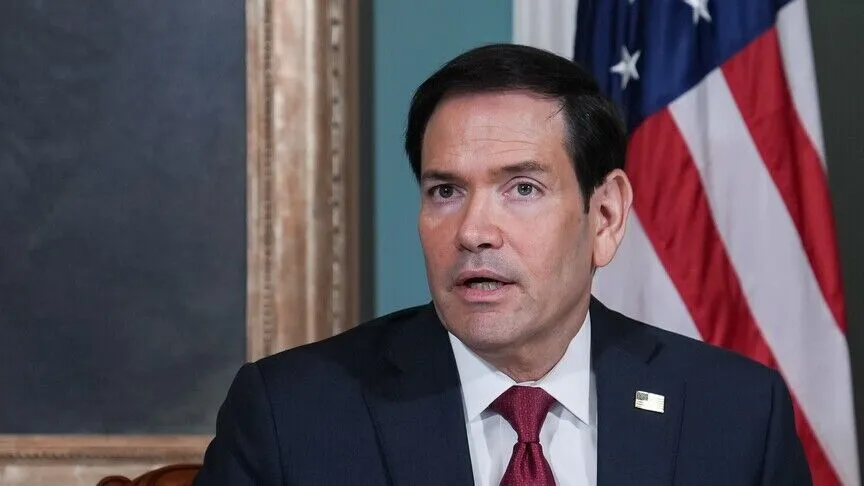
美国国务卿马可·卢比奥周三警告称,随着“大国竞争”再度回归,军事实力削弱、产业外包以及信心下降已使西方变得脆弱。
US Secretary of State Marco Rubio on Wednesday warned that weakened militaries, outsourced industries and declining confidence had left the West vulnerable as the "great-power competition" returns.
卢比奥认为,西方国家通过放弃对关键产业的控制,并将决策权移交给国际机构,导致竞争对手逐渐占据上风。
Rubio argued that Western countries allowed rivals to gain ground by surrendering control of critical industries and transferring decisions to international institutions.
他在雅典的卫城上表示:“在此过程中,我们开放了边境,将产业外包,并任由我们的军队萎缩和衰败。”
“In the process, we opened our borders and outsourced our industry, and allowed our militaries to wither and to decay,” he said at the Acropolis in Athens.
他补充说,随着西方信心的动摇,对手变得更加咄咄逼人,不断积累财富和实力。
As Western confidence faltered, adversaries became more assertive, building their wealth and power, he added.
卢比奥表示:“大国之间的竞争再次兴起。”他警告称,各国仍在争夺领土、技术、资源、市场和能源。
“There is new competition between great powers again,” said Rubio, warning that states continued to compete for territory, technology, resources, markets and energy.
他说,未来十年所做出的决策将决定西方能否保持其全球地位,抑或走向衰落。
He said decisions taken in the next decade would determine whether the West retained its global position or faced decline.
他表示,在唐纳德·特朗普总统任期内,华盛顿选择重新掌控关键供应链、实现经济再工业化并重建国防,同时强调了在人工智能、先进制造业、太空探索和军事技术领域的雄心。
Under President Donald Trump, Washington had chosen to restore control of critical supply chains, reindustrialize its economy and rebuild its defenses, he said, highlighting ambitions in artificial intelligence, advanced manufacturing, space exploration and military technology.
呼吁欧洲加强国防 卢比奥鼓励欧洲重振其雄心,并指出去年在海牙作出承诺后,欧洲国防开支有所增加,制造业得到扩展,新的伙伴关系也得以建立。
Europe urged to strengthen defenses Rubio encouraged Europe to revive its ambitions, pointing to rising defense spending, expanded manufacturing and new partnerships following commitments made in The Hague last year.
他说:“我们相信,欧洲能够从长期的沉睡中觉醒,重新点燃千年前在此点燃的火焰。”
“We believe that Europe can awaken from its long slumber and rekindle the fire that was lit here millennia ago,” he said.
他称赞希腊在国防、能源和移民问题上是“模范盟友”,并表达希望其他欧洲国家能效仿其榜样。
He praised Greece as a “model ally” on defense, energy and migration, expressing hope that other European countries would follow its example.
尽管华盛顿与欧洲各国首都之间存在紧张关系,卢比奥仍敦促双方维护关系,并加强能够共同应对威胁的联盟。
Despite tensions between Washington and European capitals, Rubio urged both to preserve ties and strengthen an alliance capable of confronting shared threats.
他表示,各机构和联盟应当捍卫其成员国的主权,并补充说,各国可以在保持各自独特国家认同的同时,承认共同利益。
He said institutions and alliances should defend the sovereignty of their members, adding that countries could recognize common interests while retaining distinct national identities.
格陵兰协议被视作合作典范。卢比奥援引了上个月美国、丹麦和格陵兰之间达成的一项协议,作为其跨大西洋合作愿景的例证。
Greenland deal presented as cooperation model Rubio cited an agreement last month between the US, Denmark and Greenland as an example of his vision for transatlantic cooperation.
他说,这项协议将“重塑北极地区,并加强整个北约的安全”,并主张三方合作伙伴均从中受益,欧洲和美国也因此变得更加强大。“我们希望共同胜利。我们必须共同胜利,”他说。
He said the deal would “reshape the Arctic and bolster the security of all of NATO,” arguing that all three partners benefited and that Europe and the US emerged stronger. “We want to win together. We must win together,” he said.
卢比奥大量借鉴了古希腊历史,将他的呼吁围绕国家忠诚、雄心壮志以及捍卫西方文明的意愿展开,并表示外交必须辅以军事实力以及动用这种实力的可信度。
Drawing extensively on ancient Greek history, Rubio framed his appeal around national loyalty, ambition and a willingness to defend Western civilization, saying diplomacy must be backed by military capability and the credibility to use it.