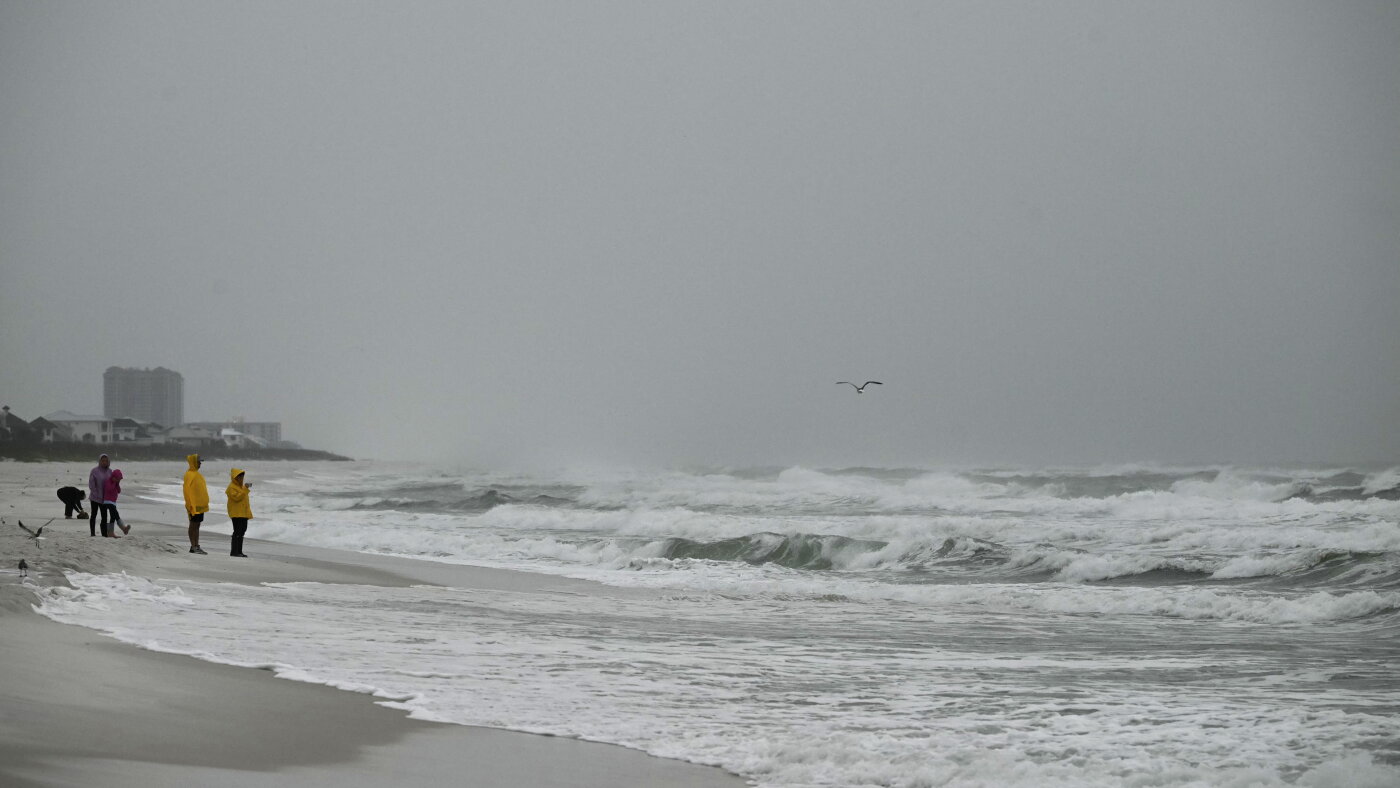
飓风“伊赛亚斯”是本赛季大西洋上的首个飓风,预计将于周五傍晚在阿拉巴马州墨西哥湾沿岸和佛罗里达州潘汉德尔地区登陆。
Hurricane Isaias, the first Atlantic hurricane of the season, is expected to make landfall on Friday evening near the Alabama Gulf Coast and Florida panhandle.
几天前,美国墨西哥湾沿岸的石油行业已开始准备。该地区的石油基础设施中有一部分——如石油钻井平台和平台装置——正在运行,不过大部分设施位于更西边的路易斯安那州西部和得克萨斯州。
Days ago, the oil industry around the U.S. Gulf Coast started preparing. A segment of the nation's oil infrastructure — like oil rigs and platforms — operates in the region, although the majority of it is further west, towards western Louisiana and Texas.
尽管石油专家并不预计会出现重大中断,但石油公司仍采取了预防措施。壳牌和英国石油公司已将靠近风暴路径的近海设施人员疏散,主要是深水平台。雪佛龙也疏散了靠近风暴路径的近海钻井平台,并计划在风暴过境后重新部署这些设备。
Although oil experts are not anticipating major disruptions, oil companies have been taking precautions. Shell and BP have evacuated personnel from offshore facilities close to the storm's path, mainly deepwater platforms. Chevron has evacuated offshore drilling rigs close to the storm's path, and plans to redeploy them once the storm has passed.
埃克森美孚在一份电子邮件声明中告诉美国国家公共电台(NPR):“我们正在密切监测天气情况,运营一切正常。”但截至目前,这场风暴似乎将避开大多数设施。标准普尔全球能源公司美洲炼油业务负责人德布尼尔·乔杜里表示,风暴的路径“本可能更糟”。毕竟,风暴正向东移动,而非向西,而炼油厂等大部分石油作业设施都位于西部。
In an emailed statement, Exxon told NPR they are "closely monitoring the weather. Operations are normal." But so far, the storm seems like it will skirt most facilities. The storm's path "could be worse," said Debnil Chowdhury, head of Americas refining at S&P Global Energy. After all, the storm is heading east, and not west, toward where the bulk of oil operations — like refineries — are located.
美国联邦海洋矿物管理局负责墨西哥湾地区的负责人布莱恩·多曼格表示,这场风暴“正在急剧转向,几乎正好从最核心基础设施的东侧经过”。他负责监管近海石油和天然气生产。他补充说:“目前,风暴仅略过我们一些主要深水油气设施的南侧,随后便紧贴着基础设施分布区的东部边界移动。”他还提到,除了疏散石油钻井平台和平台上的工作人员——这是应对风暴的常规措施外,石油运营商还采取了其他措施,例如关闭海底安全阀门,并在可能的情况下移动移动式钻井设备。
The storm is "making a swooping turn, almost just to the east of where the most significant infrastructure is," said Bryan Domangue, the Gulf of America region director for the federal Marine Minerals Administration, who oversees offshore oil and natural gas production. "At this point, it's swept just a little south of some of our major deepwater oil and gas facilities, and then it's hugging the eastern boundary of where the infrastructure is." He added that in addition to evacuating people who work on oil rigs and platforms, which are normal storm precautions, oil operators are doing things like shutting off safety valves below the ocean floor, and moving mobile drilling facilities when possible.
当然,石油行业遭遇飓风并非前所未有。2005年的卡特里娜飓风和丽塔飓风,至今仍是油气行业历史上最具破坏性的飓风之一。近3000个钻井平台曾位于这些风暴的路径上,其中卡特里娜飓风摧毁了47个平台。其他近期发生的飓风虽然破坏性不如前两者,但也曾导致生产中断或产能下降——例如2024年的弗朗西恩飓风、2021年的艾达飓风和2017年的哈维飓风。
Of course, it's not unprecedented for the oil industry to face hurricanes. Hurricanes Katrina and Rita, in 2005, remain some of the most destructive in the oil and gas industry's history. Nearly 3,000 platforms were in the path of the storms and Katrina destroyed 47 platforms. Other, more recent, hurricanes have not been as destructive but have halted production or reduced capacity — such as Hurricane Francine in 2024, Hurricane Ida in 2021, and Hurricane Harvey in 2017.
分析师向美国国家公共电台(NPR)表示,另一个风险是:如果风暴足够强烈,导致位于陆地的炼油厂停工,将会发生什么。如果飓风切断电源,或导致炼油厂被洪水淹没,要重新恢复运行可能需要相当长的时间。这与重启石油钻井平台或移动钻探作业相比要复杂得多。
Another risk is what would happen if the storm became severe enough to make refineries — which are on land — go offline, analysts told NPR. If a hurricane knocks out the power, or if a refinery floods, it can take a while to get running again. It's more complicated than restarting an oil rig or mobile drilling operations.
能源数据和研究提供商Enverus的一名经理卡尔·拉里表示:“重启这些设施就像启动一辆老式汽车,即使只是短暂停工也是如此。”他继续说道:“如果你一生中曾24小时不间断地做某件事,然后突然停了一天,你肯定会手抖。”他说,这是因为炼油厂规模庞大且结构复杂。它们将石油加热分解成各种分子,再转化为柴油、汽油或丙烷等天然气液体。
"Restarting these things is like starting up an old car," said Carl Larry, a manager at Enverus, an energy data and research provider, even if the shutdown is short. "If you did anything in the world, anything in your life, 24/7, stop doing it for one day," he continued, "you're going to have the shakes." He says, this is because refineries are vast and complex. They boil oil down into molecules that are turned into diesel, gasoline, or natural gas liquids like propane.
管道负责将原油输入,并将成品油输出,同时整个设施还需要持续加热。“其中的每一个小步骤,都依赖于工厂内部24小时不间断提供的电力,”拉里说。“一旦电力中断,重启整个流程就需要时间。”
Pipelines carry crude oil in and refined products out. And they have to be heated. "Every one of those little steps is built on power that's generated through the facility on a constant 24/7 basis," Larry said. If that power is switched off, the process takes time to restart.
目前,有两条重要的炼油厂位于飓风路径上——雪佛龙公司的帕斯卡古拉炼油厂和Vertex阿拉巴马炼油厂。这两家炼油厂的代表尚未回应有关其风暴应对准备的置评请求,但雪佛龙公司发言人罗斯·艾伦告诉NPR,总体而言,炼油厂通常会通过降低洪水风险来为风暴做准备。
There are two significant refineries on the hurricane's path — the Chevron Pascagoula location and the Vertex Alabama refinery. Representatives of these refineries did not return requests for comment about their storm preparations, but Ross Allen, a spokesperson for Chevron, told NPR that generally speaking, refineries prepare for storms by trying to mitigate flood risk.
标普全球能源公司的乔杜里表示,这两座炼油厂“约占美国总炼油能力的2.5%,约占墨西哥湾沿岸炼油能力的5%。而帕斯卡古拉炼油厂对于为整个东南部地区机场供应燃料尤其重要。”虽然这些数字听起来可能不算大,但由于伊朗和乌克兰的战争,全球柴油和汽油供应短缺。因此,每一分产能都至关重要。美国炼油厂目前以92.7%的产能运行,每天炼油约1700万桶原油。
Chowdhury of S&P Global Energy said these two refineries "account for about 2.5% of total U.S. refining capacity and about 5% the Gulf Coast refining capacity. And Pascagoula specifically is very important to supplying airports throughout the southeast." While those numbers may not sound big, the global supply of diesel and gas is short, due to the wars in Iran and Ukraine. So every little bit counts. American refineries are operating at 92.7% capacity, refining about 17 million barrels of crude a day.
随着中期选举临近,燃料价格已成为一个敏感的政治议题:根据美国汽车协会(AAA)的数据,全国汽油每加仑平均价格为4.37美元,柴油则为6.27美元。
With the midterms weeks away, fuel prices are a sensitive political issue: The national average for a gallon of gasoline is $4.37 and $6.27 for diesel, according to AAA.