作者:格雷姆·伍德昨日,在“亚伯拉罕·林肯”号航空母舰上的采访中,国防部长皮特·赫格塞斯称,美国即将执行自20世纪30年代以来的首次公开处决。“我们会确保民众能够观看到这一过程,”他说。随后五角大楼官员证实,此次处决将会进行直播。
By Graeme Wood Yesterday, in an interview aboard the USS Abraham Lincoln, Defense Secretary Pete Hegseth said the United States would soon carry out its first public execution since the 1930s. “We’ll make sure that people are able to watch it,” he said. Pentagon officials later confirmed that the execution will be livestreamed.
即将被处决的是前陆军少校尼达尔·哈桑。2009年在胡德堡军事基地,他杀害了13名士兵,行凶时还用阿拉伯语高喊“真主最伟大”。赫格塞斯推行这一古老刑罚方式的理由与古代统治者如出一辙:通过展示死亡的痛苦过程及其带来的恶劣后果,让旁观者牢记叛国行为必将招致“严重后果”——用赫格塞斯的话来说就是“没有任何商量的余地”。
The condemned man is former Major Nidal Hasan, who shouted “God is great” in Arabic before murdering 13 people at Fort Hood in 2009. Hegseth’s rationale for following this ancient practice is the same one offered by the ancients themselves: publicizing the agony of death and its unhygienic aftermath will remind onlookers that, in Hegseth’s words, there are “serious consequences” for treason. “No-brainer,” Hegseth said.
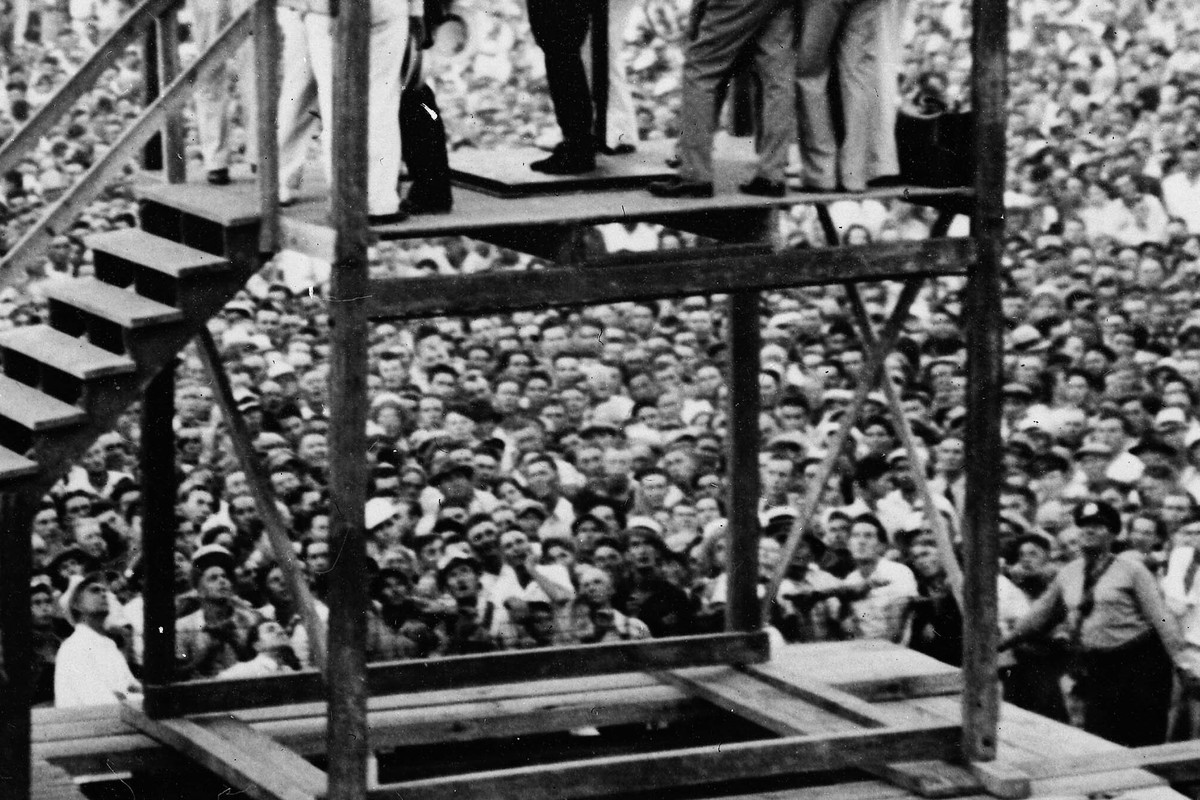
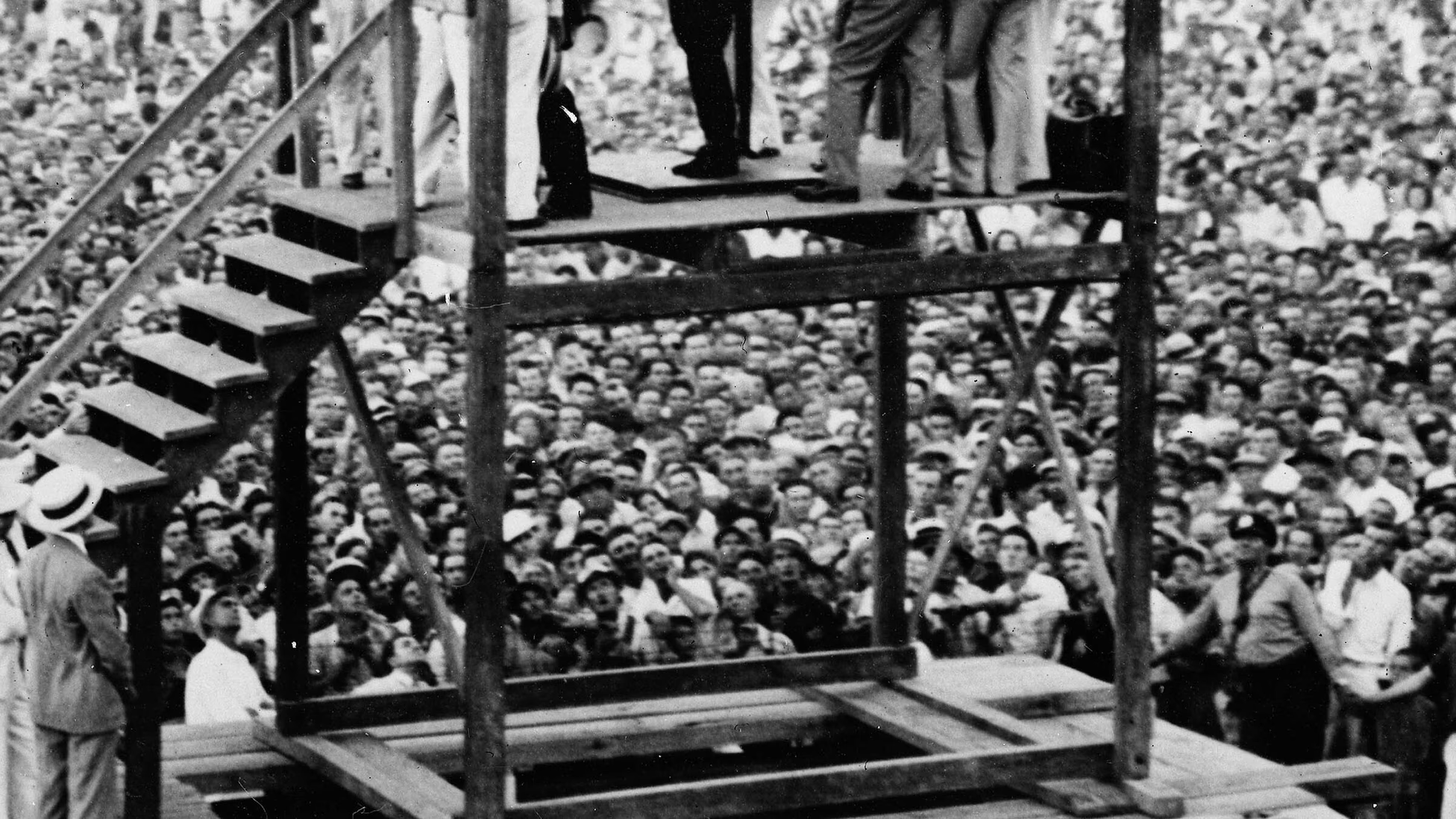
这个可怜又可恶的家伙——我指的是哈桑——他很可能在十二月就得到了应有的下场。然而,我们其他人却会因目睹他的处决而深受其害。过去许多罪犯都曾被公开斩首,或将被钉在十字架上任其腐烂,以此作为警示性的惩罚。这类处决曾经被视为一种娱乐。如今,为了消遣而观看一个人被杀的想法已经变得如此荒诞,以至于很少有人能理解这种体验究竟会是什么样子。
This pitiful creep—Hasan, I mean—deserves what he is probably going to get in December. The rest of us, however, will be ill-served by the spectacle of his execution. Many past criminals have had their head publicly cut off, or body nailed to a cross and left to rot there, as exemplary punishment. Such executions were once considered entertainment. Now the idea of recreationally watching a man be killed is so strange that few people understand what the experience will be like.
观看他人死于暴力,即便这些人罪有应得,也会给观看者造成不可逆转的伤害。我指的并非身体或情感上的伤害,尽管许多近距离目睹非自然死亡的人事后确实会呕吐,并做噩梦。我指的是更深层的东西:通过参与将一个人——一个在许多方面与自己极为相似的人——当作一台可以关闭或拆解的机器,当作一台故障的打印机或一辆旧车来对待的过程,人们会丧失自身的人性与尊严。
Watching people die by violence, even if those people have it coming, damages the spectator irreversibly. I don’t mean physical or emotional damage, though many who see unnatural deaths up close do vomit and suffer from uneasy dreams afterward. Rather, I mean something more like the loss of their humanity and dignity, through partaking in the process of treating a person—in many ways so similar to themselves—like a machine to be turned off or ripped apart, a malfunctioning printer or an old car.
目睹这一过程,意味着自身的价值被削弱;而让处决过程公之于众的决定,则像一份自我伤害的邀请,被发送给了所有拥有网络连接的人。在真正经历之前,很难体会这种观看体验究竟有多可怕。而到那时,当然已经为时已晚。我看过视频录制的处决过程,每一次都让我感到自身的价值被削弱了。
To see this process is to be diminished, and the decision to make the execution visible to all is an invitation to self-harm, sent out to everyone with an internet connection. It is hard to appreciate how awful this viewing experience will be, until you have it. And then of course it will be too late. I have seen videotaped executions and have been diminished by every single one.
2014年8月,哈桑在狱中给时任“伊斯兰国”首领阿布·贝克尔·巴格达迪写信,请求获得“真主的战士”身份并加入该组织。但并未收到任何回复。具有讽刺意味的是,哈桑很可能会认同赫格塞斯推崇公开处决的做法,因为“伊斯兰国”对《古兰经》的解读正是要求处决必须在公众面前进行。根据《古兰经》第24章第2节,通奸者应受到鞭刑,且这一惩罚须由“一群信徒”见证。
In August 2014, Hasan wrote a letter from prison to Abu Bakr al-Baghdadi, then the leader of the Islamic State, and asked to be granted citizenship as a “soldier of Allah.”No response was recorded. Ironically, it seems likely that Hasan would sympathize with Hegseth’s penchant for public execution, because the Islamic State interpreted the Quran to require that execution be carried out in public. Fornicators, according to Quran 24:2, should be flogged, and their punishment should be “witnessed” by a “group of believers.”
由此推演,“伊斯兰国”认定这类人群也应见证所有经经文规定需受惩罚的罪行。某些罪行,如抢劫,则需以钉十字架的方式处决——这种处决方式本身就具有公开性,“伊斯兰国”还会将过程拍摄下来。遗憾的是,我曾看过此类处决的录像。
By extension, the Islamic State determined, such a group should witness the punishment of all scripturally ordained crimes. Certain crimes, such as brigandage, are to be punished with crucifixion, an inherently public method of killing that the Islamic State carried out on video. Regrettably, I have seen footage of such a death.
在2013年哈桑接受军事法庭审判前几年,他不再刮胡子,公然违抗了军队禁止士兵留胡须的规定。哈桑被关押地附近的陆军军官兼急诊医生迈克·辛普森几年后告诉我,他曾向同事们放话:倘若哈桑出现医疗紧急情况(考虑到他在实施恐怖袭击时中枪并导致瘫痪及其他病症,这种情况极有可能发生),他希望能被叫去亲自为哈桑刮胡子。此举虽出于医疗需要——病人可能需要佩戴面罩,而面罩必须能紧密贴合面部——但辛普森纯粹是出于个人私欲,想亲手剃掉这个混蛋的胡须。
In the years before Hasan’s 2013 court-martial, he stopped shaving, in Islamic defiance of Army regulations that prohibit soldiers from growing beards. Mike Simpson, an Army officer and emergency-room doctor near the facility where Hasan was incarcerated, told me a few years later that he put the word out to colleagues that if Hasan ever had a medical emergency (not unlikely, given that he suffered paralysis and other conditions after being gunned down in the course of his terror attack), Simpson would like to be called to shave Hasan personally. The shaving would arise out of medical necessity—the patient might need a mask, with a reliable seal around the face—but Simpson, for his own pleasure, wanted to shear the bastard himself.
不过,通过绞死哈桑所获得的快感,与直接朝他心脏开枪所带来的感受截然不同。军方不难找到十几名自愿充当行刑者的士兵。哈桑本人也表示希望被处死。赫格塞斯则声称自己“不在乎”哈桑的最后心愿是什么。但我猜想,倘若这些志愿者看到哈桑被绑在15步开外的柱子上、一边祈祷一边流露出愉悦之色,他们执行任务的兴致恐怕也会大打折扣。
But the pleasure that might come from shaving Hasan would be quite different from what one might experience by shooting him in the heart. The Army won’t struggle to find a dozen willing soldiers to act as an execution party for Hasan. Hasan has said he wants death. Hegseth said he “doesn’t care” what Hasan’s final wishes might be. But I suspect that the volunteers’ enjoyment of their duty will be dampened if they notice signs of ecstasy from Hasan, as he is tied to a post 15 paces away from them and prays his way to the end.
哈姆雷特始终下不了手去杀死正在祈祷的克劳狄斯——因为在他进行神圣仪式之时将其杀死,“趁他灵魂得到净化、正适合走向彼岸之际动手”,未免太过仁慈了。
Hamlet could not bring himself to kill Claudius in prayer, because killing him in the midst of a holy act—“to take him in the purging of his soul, when he is fit and season’d for his passage”—would be too merciful.
在这个世界上,剥夺哈桑按自己意愿死去的权利,让他继续在单调乏味的牢狱中度过几十年,似乎才是更为严酷的惩罚。因此我提议采用另一种方式替代公开处决:公开监禁。应当把哈桑关在一个狭小的空间里,并通过五角大楼资助的直播平台向大众展示他余生的点点滴滴。倘若处决他的目的是为了向世人警示杀害13人会招致何种“严重后果”,那么恐怕没有什么比让这个令人厌恶的凶手在众目睽睽之下慢慢变老更具震慑力了——毕竟生物学规律与时间本身便是对他最公正的审判。
In this world, denying Hasan the pleasure of death on his own terms, and letting him instead spend a few more earthly decades in tedious incarceration, would seem a much more onerous punishment. Therefore I would propose an alternative to public execution: public incarceration. Hasan should be placed in a small space, with a Pentagon-funded livestream of his remaining years. If the purpose of the spectacle of his death is to demonstrate to others the “serious consequences” of murdering 13 people, I doubt any execution would be more frightening than the slow, public aging of this repulsive murderer, as biology and time carry out his sentence.
我自己也会时不时观看直播,直到觉得乏味、找到更有意义的事可做、找到更值得利用的时光为止。这样一来,哈桑的一生便成了赠予我们众人的一份“小礼物”;而我们也不必因赋予他殉道者身份而失去什么不可挽回的东西。
I would tune in to the livestream myself now and then, until I grew bored and found better things to do, and better ways to spend my own remaining time. This would take Hasan’s life and make from it a small gift to the rest of us, rather than taking something irrecoverable from us as we give martyrdom to him.