联邦法官阻止司法部访问州选民名单以查找非公民选民并阻止他们投票。
A federal judge has blocked the Justice Department from accessing state voter rolls to find noncitizen voters and bar them from casting ballots.
就在特朗普总统于2025年3月授权司法部长联系各州,获取涉嫌选举违规信息之后,司法部开始向各州索取完整且未经删减的计算机化选民登记名单。该部门已提交数十起诉讼,试图强制执行 — — 迄今为止,所有诉讼均被其他地区法院驳回或阻止,仅有少数裁决尚未作出。
Shortly after President Donald Trump authorized the attorney general to contact states for information on suspected election law violations in March 2025, the DOJ began requesting complete and unredacted copies of states’ computerized voter registration lists. The department has filed dozens of lawsuits in attempts to compel enforcement — all of which have been blocked or dismissed by other district courts so far, with a handful of decisions outstanding.
在周五晚间作出的裁决中,美国地区法官斯帕克尔·L·苏克南南表示,司法部违反了若干规范机构如何收集和控制个人数据的联邦法律,她写道,该政策“背离了旨在保护美国人的正式制定的法律”。司法部寻求的信息旨在查找可能非法投票的人员,此次信息收集范围包括选民的全名、出生日期、住址、驾驶执照号码或部分社会安全号码。
In a decision late Friday, U.S. District Judge Sparkle L. Sooknanan said the department was violating several federal laws that govern how agencies collect and control personal data, writing that the policy “flies in the face of duly enacted laws designed to protect Americans.”The department sought information to find people who could have unlawfully cast a ballot, a sweep of information that includes voters’ full names, dates of birth, residential addresses, driver’s license numbers or partial Social Security numbers.
司法部已联系49个州和哥伦比亚特区,要求州官员在45天内同意“清理”其选民登记名单。至少有18个州提交了选民名单,提供的信息随后被司法部共享给国土安全部,以核实选民的移民和公民身份 — — 并向各州保证,这些数据将依据联邦隐私法进行处理。
The DOJ contacted 49 states and D.C., asking state officials to agree to “clean” their logs within 45 days. At least 18 states turned over their rolls, providing information that the DOJ then shared with the Department of Homeland Security to verify voters’ immigration and citizenship status — assuring states that the data would be treated in compliance with the federal Privacy Act.

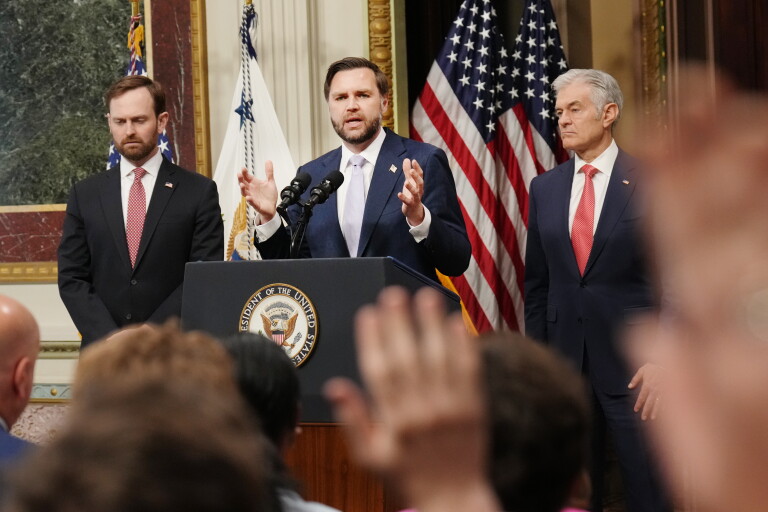
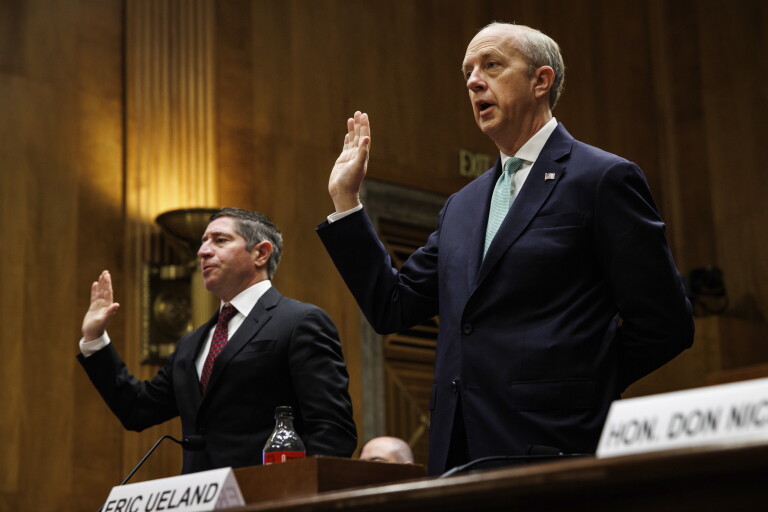
苏克南南的裁决意味着,在该指令发布后起诉政府的不合作州,以及已遵守规定的18个州,均无需再向联邦机构提供数据。国土安全部和司法部亦不得再使用联邦数据库,对已从合规州获得的选民名单进行交叉核对。
Sooknanan’s ruling means noncooperative states that sued the government after the directive, as well as the 18 that did comply, no longer have to share their data with federal agencies. DHS and the DOJ can no longer use federal databases to cross-reference rolls they already obtained from the compliant states.

“被质疑的政策代表了联邦政府试图决定谁有资格投票。但国会将这一权力留在了宪法一直赋予的地方:各州手中,”拜登任命的法官Sooknanan写道。
“The challenged policy represents the federal government’s attempt to decide who gets to vote. But Congress has left that authority where our Constitution has always placed it: with the states,” Sooknanan, a Biden appointee, wrote.
法官的裁决并不禁止联邦政府采取合法步骤来支持各州维护准确选民名单的努力,也不阻止各州维护自己的选民名单。
The judge’s decision doesn’t bar the federal government from taking lawful steps to support states’ efforts to maintain accurate voter rolls, nor does it prevent states from maintaining their own voter rolls.
联邦政府预计将寻求暂停执行,以待更广泛的上诉。司法部告诉《华盛顿太阳报》,他们正在审查该裁决。
The federal government is expected to seek a stay pending a wider appeal. The DOJ told The Washington Sun it was reviewing the ruling.
九月,最高法院为各州使用联邦政府改造的移民数据库清除非公民选民铺平了道路,使各州能够在中期选举前自行清理名单,最高法院在一份未署名的裁决中支持国土安全部,此前Sooknanan曾在六月下令关闭该系统。该修订后的数据库包含包括社会安全号码在内的信息,而Sooknanan裁定这也违反了隐私法。该九月的裁决可能会在政府对本周五裁决的未来上诉中被提及。
The Supreme Court in September cleared the way for states to use the federal government’s overhauled immigration database to purge noncitizens on their own before the midterms, siding with DHS in an unsigned decision after Sooknanan had ordered the system shut down in June. That modified database contained information, including Social Security numbers, in what Sooknanan ruled was also a violation of privacy laws. The September ruling could come up in a future government appeal of Friday’s ruling.