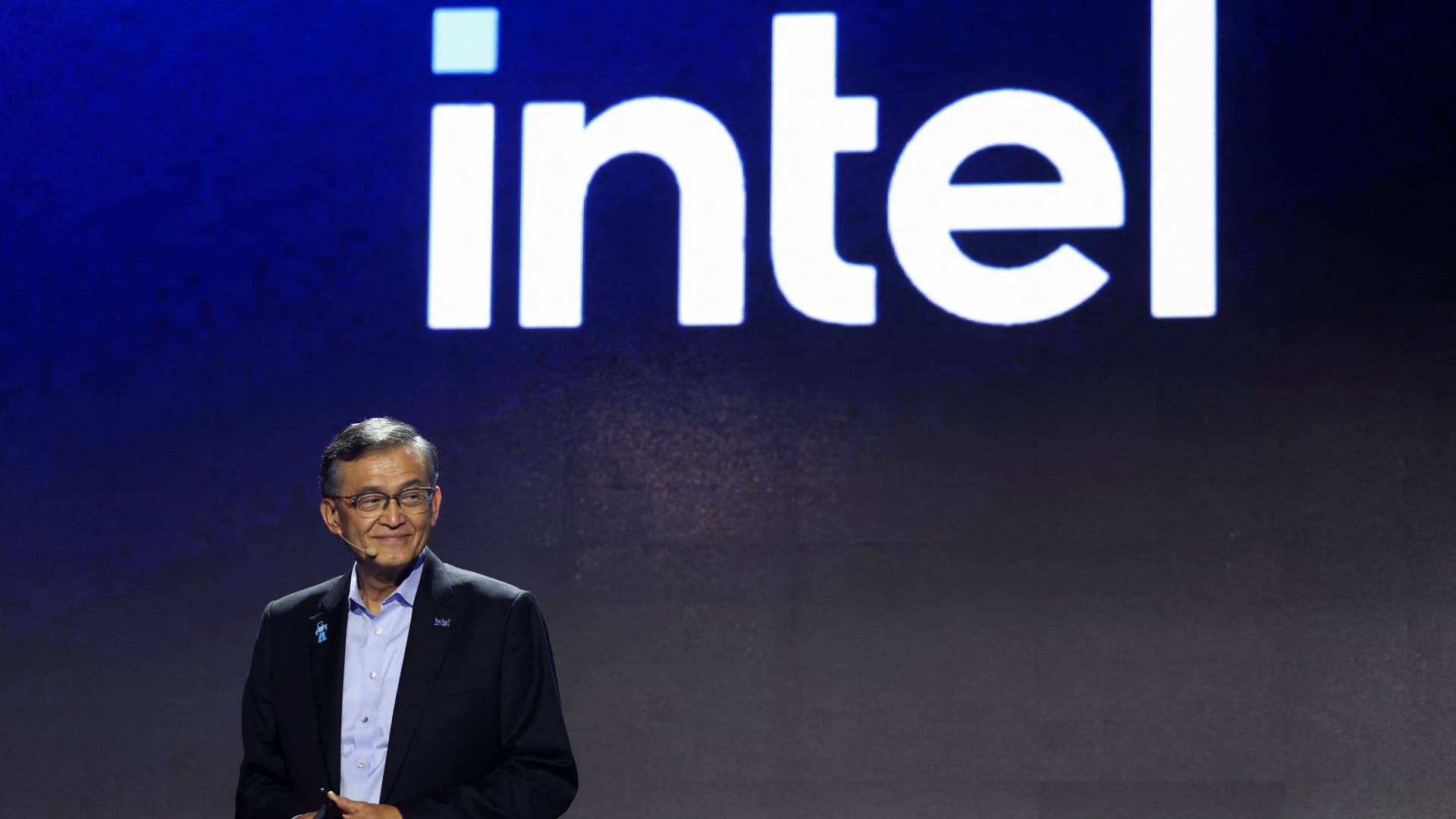
新加坡——英特尔和博通的首席执行官警告称,资本获取可能成为人工智能热潮的主要制约因素,即使计算基础设施的需求仍然超过供应。
SINGAPORE — The chief executives of Intel and Broadcom warned that access to capital could emerge as a major constraint on the artificial intelligence boom, even as demand for computing infrastructure continues to outstrip supply.
博通首席执行官陈浩(Hock Tan)表示,融资可能比半导体、存储芯片或电力短缺更成为人工智能扩张的障碍,因为行业正加速建设为更复杂模型提供动力的基础设施。
Broadcom CEO Hock Tan said financing could become a bigger obstacle to AI expansion than shortages of semiconductors, memory chips or electricity, as the industry races to build the infrastructure needed to power increasingly sophisticated models.
“我认为最大的制约可能是资本,”陈浩在周一于新加坡举行的星展亚洲未来前瞻大会上说。
"[What] I think might be the biggest constraint is capital," Hock Tan said at the DBS Asia Future Forward Conference in Singapore on Monday.
英特尔首席执行官林·布·谭(Lip‑Bu Tan)也表达了对融资的担忧,指出资本成本上升以及大量投资人工智能的公司最终是否能够产生足够回报的疑问。
Intel CEO Lip-Bu Tan echoed concerns about financing, pointing to the rising cost of capital and questions over whether companies investing heavily in AI will eventually generate sufficient returns.
“如果说前面有什么挑战,那就是资本及资本成本,长期来看,人们还想看到投资回报率,”他说。
"If there's any challenge in the front, it's capital and the cost of capital, and then the other part is in the longer run, people want to see the ROI," he said.
他们的言论凸显了人工智能行业面临的新挑战——该行业已向数据中心、先进芯片和电力基础设施投入巨额资金,以满足对计算能力激增的预期需求。
Their remarks highlight an emerging challenge for the AI industry, which has poured enormous sums into data centers, advanced chips and power infrastructure in anticipation of surging demand for computing capacity.
此番警告出现之际,借贷成本上升正威胁着大量投资人工智能基础设施的科技公司的融资。债券收益率上升可能使数据中心建设和芯片采购的融资成本更高,进而给可能需要多年才能产生回报的项目的经济性带来压力。
The warnings come as rising borrowing costs threaten to complicate financing for technology companies investing heavily in AI infrastructure. Higher bond yields could make it more expensive to fund data center construction and chip purchases, potentially putting pressure on the economics of projects that may take years to generate returns.
陈浩表示,过去两年行业屡次遭遇供应瓶颈,但随着产能扩张,他预计部分制约因素将会缓解。
Hock Tan said the industry has repeatedly encountered supply bottlenecks over the past two years, but expects some of those constraints to ease as production capacity expands.
他说:“在过去两年里,我们看到了一系列不断出现的瓶颈,但随后我们都克服了。今天的内存短缺情况到一年后可能就不一样了。”他暗示,随着新基础设施投入运营,晶圆短缺问题可能会在2028年或2029年得到缓解,同时电力供应也可能会有所改善。
"[In the] last two years we have seen a series of bottlenecks that keep coming out, but then we overcome it," he said. "Memory shortage today might not be that way a year from now." He suggested that wafer shortages could ease by 2028 or 2029, while power availability could also improve as new infrastructure comes online.
尽管存在融资担忧,但这两位高管对近期人工智能计算基础设施的需求依然持乐观态度。
Despite the financing concerns, both executives remained bullish on near-term demand for AI computing infrastructure.
霍克·坦(Hock Tan)表示:“计算基础设施的需求超出了我们的供应能力。”他补充说,这种供需不平衡可能会持续到2029年,甚至可能延续到2030年。
"There is more demand for compute infrastructure than we can supply," Hock Tan said, adding that the imbalance could persist through 2029 and potentially into 2030.
英特尔的坦(Lip-Bu Tan)也表示,鉴于人工智能应用的日益普及和对计算能力的需求,未来两到三年内该行业不太可能出现大幅放缓。
Intel’s Tan similarly said the industry was unlikely to experience a significant slowdown over the next two to three years, citing growing adoption of AI applications and demand for computing power.
不过,两位高管表示,要在未来几年之后维持这种增长,将取决于企业采用人工智能的速度以及该技术是否能带来显着的经济效益。
But sustaining that growth beyond the next few years will depend on how quickly businesses adopt AI and whether the technology delivers meaningful economic benefits, the executives said.
博通的坦(Hock Tan)警告称,如果先进人工智能模型的普及令人失望,或者其能力的提升开始进入平台期,那么对计算基础设施的需求可能会放缓。
Broadcom’s Tan cautioned that demand for computing infrastructure could slow if the adoption of advanced AI models disappoints or improvements in their capabilities begin to plateau.
与此同时,李培善(Lip-Bu Tan)强调,企业将越来越需要通过提高效率和开发新的商业模式,来证明人工智能投资能够带来切实的回报。
Lip-Bu Tan, meanwhile, emphasized that companies would increasingly need to demonstrate tangible returns from AI investments through improved efficiency and new business models.