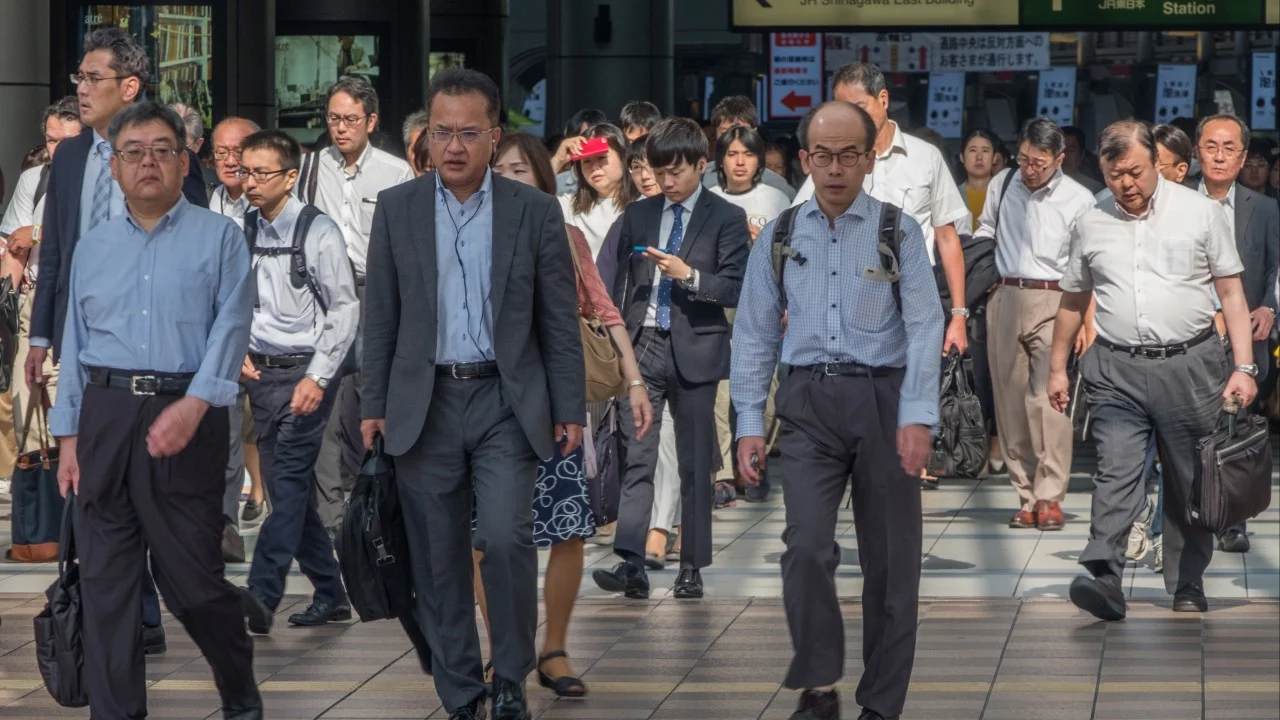
上个月,日本内务省在敬老日之前发布了年度数据。65岁及以上人口现在占总人口的比例达到创纪录的29.6%。但我反复关注的数据是:去年有943万名日本劳动者年龄在65岁或以上,约占所有就业人口的13.8%。
Last month, Japan’s internal affairs ministry released its yearly data ahead of Respect for the Aged Day. People aged 65 and over now make up a record 29.6 per cent of the population. But the figure I keep coming back to was this: 9.43 million Japanese workers were 65 or older last year, about 13.8 per cent of everyone with a job.
日本老年人口并非仅仅是退休人员。其中很大一部分人仍在工作,而这些人正是一些企业所依赖的核心力量。
Members of Japan’s older population are not simply retired. A large part are still at work and some of those people are the ones businesses depend on.
亚太地区人口老龄化区域会议将于本月晚些时候在中国杭州举行。主办方——帮助老年人国际组织(HelpAge International)、联合国人口基金(UNFPA)和中国国家老龄化委员会——指出,人口老龄化正在重塑该地区的劳动力市场和公共财政。但我们也需要考虑,当维系家庭或公司的人在45岁时生病,会发生什么。
The Asia-Pacific Regional Conference on Population Ageing is set to be held in Hangzhou, China, later this month. The organisers – HelpAge International, the UN Population Fund (UNFPA) and the China National Committee on Ageing – point out that ageing is reshaping labour markets and public finances across the region. But we also need to consider what happens to a family or a company when the person holding it together gets sick at 45.
我可以回答这个问题。37岁时,我在三个国家创办了公司之后,最终被送进了重症监护室。正是这次经历,让我现在将工作生活的重心放在预防上。
I can answer that one. At 37, after building companies across three countries, I ended up in intensive care. That experience is why I now spend my working life on prevention.
我的经历足够常见,以至于能够在全球数据中得到体现。梅奥诊所的研究人员分析了世界卫生组织在183个国家的数据,发现人们的寿命与健康寿命之间的差距在过去二十年里不断扩大,到2019年达到9.6年。也就是说,平均而言,人们要带着疾病或残疾生活近10年。研究作者将这一差距与非传染性疾病联系起来——这类疾病往往在中年时期悄然积累,直到后期才被发现。
What happened to me is common enough to show up in global data. Researchers at the Mayo Clinic looked at World Health Organization figures for 183 countries and found that the gap between how long people live and how long they stay healthy widened over two decades, reaching 9.6 years by 2019. That is nearly 10 years, on average, of living with illness or disability. The authors tied the gap to noncommunicable diseases, which tend to build quietly through midlife and get noticed late.
我住在曼谷,泰国是观察这一趋势快速发展的好地方。世界银行预测,泰国65岁及以上人口的比例将从2020年的13%上升至2060年的31%。同一时期,劳动年龄人口的比例将从71%降至56%,下降近30%,在东亚和太平洋地区仅次于韩国和日本,排名第三。对于亚太地区,联合国人口基金预计到2050年,每四人中就有一人将超过60岁。
I live in Bangkok, and Thailand is a good place to watch this happen quickly. The World Bank projects that people aged 65 and over will go from 13 per cent of Thailand’s population in 2020 to 31 per cent in 2060. Over the same period, the working-age share is set to fall from 71 per cent to 56 per cent, a drop of nearly 30 per cent in the working-age population and the third-largest decline in East Asia and the Pacific, after South Korea and Japan. For the Asia-Pacific, UNFPA expects one person in four to be over 60 by 2050.
将这些数字并列看来,健康问题就变成了商业问题。当劳动力减少时,每个劳动者的价值会更高;而无论最终由谁买单,九年的健康状况不佳都将带来巨额成本。
Put those numbers side by side and the health question becomes a business one. Each worker counts for more when there are fewer of them, and a nine-year stretch of poor health is expensive whoever ends up paying for it.
我们的医院是为另一个时代而建的。它们在出现问题后处理得非常好,但不太适合与健康的45岁成年人坐下来,评估其血液指标在60岁时可能的变化,因此这种情况很少发生。公司和家族企业可以比任何政府部门更早采取行动。
Our hospitals were built for a different moment. They are very good once something has gone wrong. They are not so well equipped to sit down with a healthy 45-year-old and work out what that person’s blood results might look like at 60, so it rarely happens. Companies and family businesses can act on this sooner than any ministry.
首先从董事会开始。该地区的家族办公室会花数月时间处理继承文件和信托结构,但几乎不花时间考虑主要负责人在十年后是否仍有足够的健康状况来管理事务。关键人物的健康应被视为与继承同等重要的风险。
Start with the board. Family offices in this region spend months on succession documents and trust structures, and almost no time asking whether the principal will be well enough to run things in 10 years. Key-person health belongs on the same risk as succession.
其次,改变体检的目的。把报告塞进抽屉里的年度检查几乎没有作用。而在中年建立一个适当的健康基线,由医生解读并随时间重复进行,能让人们在问题仍然可以小幅度干预时采取行动。
Then change what a check-up is for. A yearly report filed in a drawer does very little. A proper baseline in midlife, read by a doctor and repeated over time, gives people something to act on while the fixes are still small.
最后,停止将预防视为仅对已经精疲力竭的人的福利。如果日本是任何参考的话,亚洲许多人的工作年龄将远超65岁。他们需要保持足够的健康状况才能继续工作。
And stop treating prevention as a perk for people who are already burned out. If Japan is any guide, many people in Asia will keep working well past 65. They will need to be fit enough to do so.
政府仍将承担生病人员的费用,而这笔费用正在上升。然而,一个人在50多岁时每保持一年健康,就意味着以后无需为这笔费用买单,也意味着公司无需在这一年因缺少他们而运转不畅。
Governments will still carry the cost of people who are ill, and that cost is going up. Yet, every healthy year someone keeps in their 50s is a year nobody has to pay for later, and a year their company doesn’t have to run without them.
我在37岁时收到了警告。许多人得到警告的时间要晚得多,那时他们能做的事情已经很少了。如果杭州的代表们想带回一个切实可行的建议,那就是应当从40岁开始就谈论老龄化问题。
I got my warning at 37. Many people get theirs much later, when there is less they can do about it. If the delegates in Hangzhou want one practical idea to take home, it should be to start the conversation about ageing at 40.