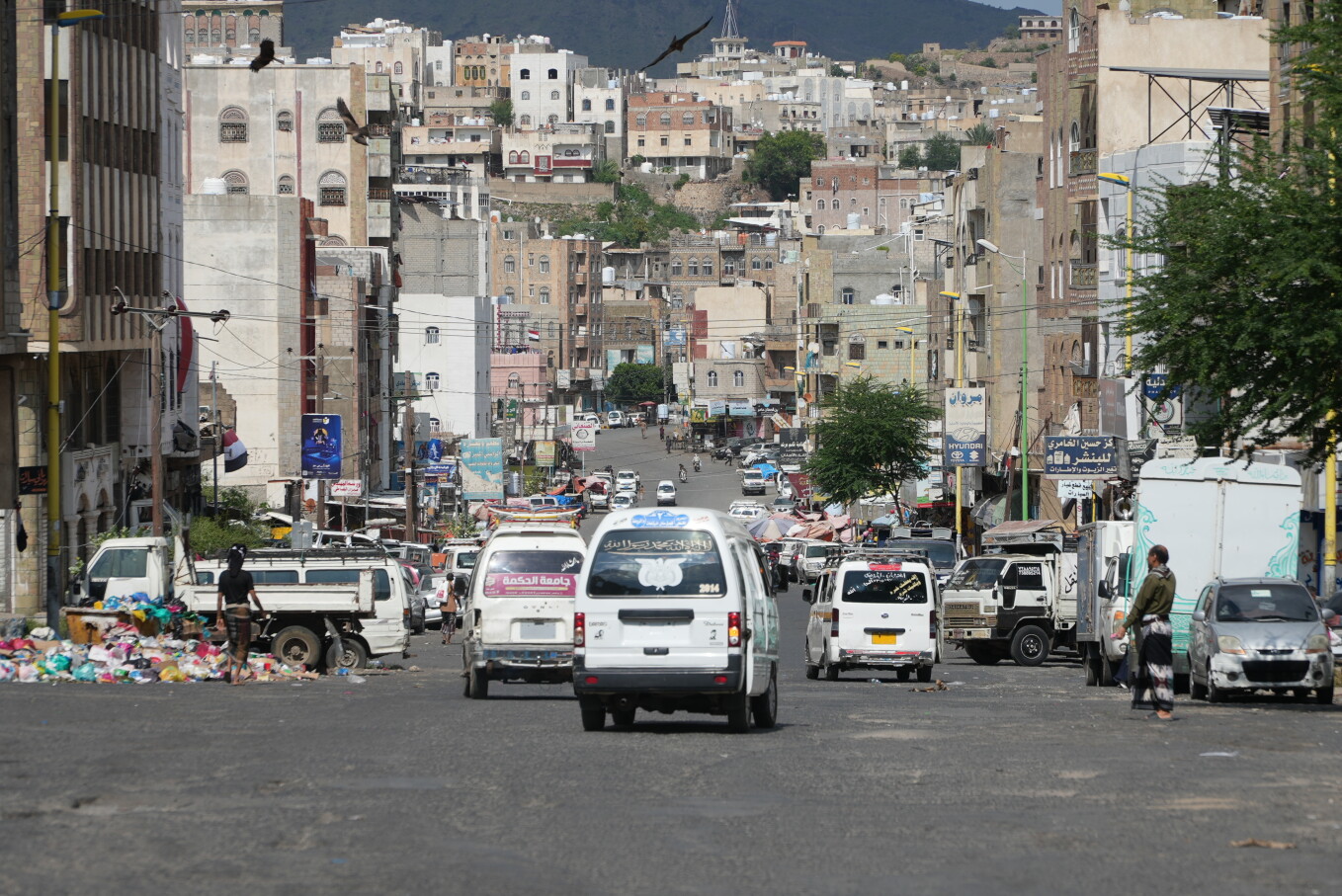
法特玛·哈立德,开罗——随着胡塞叛军逼近的消息传来,瓦埃姆·阿卜杜拉和她的家人决定是时候离开也门第三大城市塔伊兹的家园了。在也门内战期间,他们曾经历过叛军长达数年的围困,不想再重蹈覆辙。
FATMA KHALED CAIRO — As word came of Houthi rebels closing in, Weam Abdullah and her family decided it was time to leave their home in Taiz, Yemen’s third largest city. They had survived a yearslong siege by the rebels earlier in their country’s civil war, and they didn’t want to endure that again.
他们及时撤离:就在阿卜杜拉、她的丈夫和两个年幼的孩子离开后不久,叛军于10月4日占领了一座关键城镇,几乎完全包围了塔伊兹,切断了来自政府控制地区的大部分物资供应。
They made it out just in time: Just after Abdullah, her husband and two young children left, the rebels on Oct. 4 captured a key town, largely encircling the city and cutting off most access to supplies from government-held areas.
“我们已经感觉像死了一样,城里早已充满绝望,”阿卜杜拉从更南方的一个省份通过电话向美联社表示。“我们感觉自己仿佛被诅咒了。尽管我们并不隶属于任何政党或政治派别,但所有人都似乎在针对我们。”伊朗支持的胡塞武装——尽管他们正通过一系列对首都利雅得机场的致命袭击不断升级对沙特阿拉伯的攻击——正试图通过进攻塔伊兹,在也门这场持续12年的内战中取得重大进展。
“We already feel dead, there was already despair” in the city, Abdullah said, speaking by phone to The Associated Press from a province further south. “We feel as if we are cursed. Everyone is conspiring against us even though we’re not affiliated with any party or politics.”The Iranian-backed Houthis — even as they escalate attacks on Saudi Arabia with a string of deadly attacks on the airport in the capital Riyadh — are trying to make a major gain in Yemen’s 12-year-old civil war by moving on Taiz, a prize they have long sought to capture.
这座城市的战略价值极高,他们长期以来一直渴望攻占。此次攻势发生在叛军上个月闪电般夺取也门红海沿岸地区之后,此举增强了他们袭击沙特石油运输船的能力,并进一步扰乱了全球能源价格。
Their assault comes after the rebels’ lightning offensive last month that seized Yemen’s Red Sea coast , strengthening their hand to attack Saudi oil shipping and further throwing world energy prices into turmoil..
他们的推进在塔伊兹的100多万居民中引发了恐慌。这座城市位于也门西南部崎岖的高山地带。近日,市民们涌向市中心的超市抢购食品和必需品,担心很快会断货。居民们表示,柴油和烹饪用燃气也已所剩无几。
Their advance has triggered fear among the more than 1 million residents of Taiz, located in the high rugged mountains of southwestern Yemen. On a recent day, crowds mobbed groceries in the city center to buy up food and other essentials, fearing they will soon run out. Deisel fuel and cooking gas supplies are running low, residents said.
一些人正在收集纸板和木材用于烹饪燃烧,商贩则把食品和水的价格抬高,当地非营利组织公民中心倡导与支持的儿童保护顾问沙伊夫·阿尔-加比里说。“如果围困继续,这些储备将会耗尽。”远处可以听到胡塞武装与亲政府部队在周边山脉的交火爆炸声。部分空袭已经落在城市本身,提醒居民他们曾经历的地狱般的生活,并曾希望这一切能够结束。
Some people are collecting cardboard and wood to burn for cooking, and merchants are jacking up prices for food and water, said Shaif al-Gabiri, a child protection consultant at a local non-profit group, the Civic Center for Advocacy and Support. “If the siege continues, then these stocks will run out.”Explosions can be heard in the distance from fighting between Houthis and pro-government forces in the surrounding mountains. Some strikes have landed in the city itself, reminding residents of the hell they lived through previously and had hoped might be over.
自2014年也门内战爆发,胡塞叛军夺取了北部和该国大部分西部地区,包括首都萨那以来,塔伊兹一直是前线。随后沙特阿拉伯率领一个支持国际公认政府的联盟介入战争,该政府被迫向南撤退。
Taiz has been a front line ever since Yemen’s civil war erupted in 2014 when the Houthi rebels seized the north and much of the west of the country, including the capital Sanaa. Saudi Arabia then entered the war heaading a coalition backing the internationally recognized government, which was forced to flee south.
塔伊兹是通往南部的战略要冲,也是也门最重要的历史文化中心之一,数世纪前曾是多个伊斯兰王朝的首都,也是宗教学习的主要场所。拥有800多年历史的阿尔-卡希拉城堡坐落在俯瞰全城的山丘上。城南的萨比尔山是也门海拔超过3000米(约9000英尺)的最高山脉之一,山上有农田梯田,出产肥沃的农作物。
Taiz is a strategic gateway to the south. It is also one of Yemen’s most important historical and cultural centers, serving centuries ago as the capital of several Islamic dynasties and as a major site for religious learning. Al-Qahira Castle, a monumental fortress dating back more than 800 years, stands on a hill overlooking the city. Towering south of the city is Mount Sabir, one of Yemen’s highest ranges at more than 3,000 meters (9,000 feet), cut with agricultural terraces yielding fertile farmlands.
自2015年起的多年里,胡塞武装包围了城市的大部分地区,切断了主要出入口。市中心经常遭受炮击,电力常被切断,居民难以获得食物。通往政府控制区的唯一通道是陡峭蜿蜒的山路,需要数小时才能运送补给或将病人送往南部主要港口城市亚丁的医院。
For years after 2015, Houthi forces surrounded most of the city and cut off main roads out. Bombardment regularly hit the city center, electricity was often cut off, and residents struggled to find food. Access to government-held areas was only through steep, winding mountain back roads that took hours to bring in supplies or get people to hospitals in the main southern port city of Aden.
塔伊兹当时“就像一片丛林”,阿卜杜拉说。如果人们不是“死于炮火,就会死于围困,因为缺乏食物而营养不良”,她说。夜幕降临后,“许多街道空无一人,显得十分可怕。”2022年达成的停火协议使也门各地的战争平息,塔伊兹恢复了一些生机。许多逃离该城市的人返回,房屋也得以重建。但物价仍然高企,居民生活困难,阿卜杜拉说。胡塞武装仍控制着该市的北部、东部和西部,并征收“关税”以允许物资通过。
Taiz at that time was “a jungle,” Abdullah said. If people didn’t die “from artillery, then they would die from the siege, malnourished because of lack of food,” she said. After nightfall, “many streets were deserted and looked scary.”A truce reached in 2022 quieted the war across Yemen and returned some life to Taiz. Many who fled the city came back, and homes were rebuilt. But prices remained high, and residents struggled to get by, Abdullah said. Houthi forces still controlled north, east and west of the city, and charged “customs” duties to let supplies through.
停火协议在八月破裂,当时胡塞武装发动了新的进攻。上个月,他们夺取了红海海岸,占领了摩卡港口城市以及几个战略要岛。此后,胡塞武装开始在塔伊兹周边推进。
The truce fell apart in August when the Houthis launched a new assault. Last month, they seized the Red Sea coast , capturing the port city of Mocha and several strategic islands. Since then, the Houthis began advancing around Taiz.
阿卜杜拉说,他们担心新一轮围困将比过去更糟。她说,她的孩子们害怕外出玩耍。“这就是我们离开的原因,”她说。“情况糟糕透顶,你买不到必需品,一切都在短缺……没有柴油来驱动水泵。”她还说,在离开塔伊兹的路上,他们看到政府增援部队正在移动,并听到爆炸和枪声。他们经过位于塔伊兹以南约40公里(24英里)的图尔巴镇,随后到达由政府控制的拉赫杰省。
Abdullah said they feared that a new siege would be even worse than the past. Her children were afraid to go outside and play, she said. “This is why we left,” she said. “The situation was terrible, you couldn’t get essentials, and there’s a shortage in everything … There is no diesel to work water pumps.”On the road out of Taiz, she said they saw government reinforcements moving in and heard the sounds of explosions and gunfire. They made it through the town of Turbah, about 40 kilometers (24 miles) south of Taiz, and from there to the government-controlled province of Lahj.
仅仅几天之后,胡塞武装夺取了图尔巴,包围了塔伊兹以及一块政府控制的领土。除了塔伊兹的主要道路外,过去使用的一些替代山路也被封锁了。
Only days later, the Houthis captured Turbah, encircling Taiz and a pocket of government-held territory. Along with the main roads out ot Taiz, some of the alternative mountain routes used the past have also been shut down.
这些封锁“导致了一些混乱和恐慌”,工商部塔伊兹分局局长阿卜杜勒拉赫曼·阿尔-卡利亚对美联社说。他呼吁涌入商店的人只购买必需品,以防止短缺。
The closures “caused some confusion and panic,” Abdelrahman al-Qaliaa, director of the Taiz branch of the Industry and Trade Ministry, told the AP. He called on the people rushing the stores to only buy immediate necessities to prevent shortages.
亲政府武装正在塔伊兹西南部的山区与胡塞武装作战,试图打破叛军的控制。
Pro-government forces are fighting Houthis in the mountains southwest of Taiz, trying to break the rebels’ hold.
阿赫梅德·阿卜杜勒-贾贝尔说,炮击击中了他所在山区村庄附近的房屋,导致他的7岁孙子腹部被弹片击中受伤。男孩被紧急送往泰兹的一家医院。
Ahmed Abdel-Jaber said shelling hit near his house in one mountain village, wounding his 7-year-old grandson with shrapnel to his stomach. The boy was rushed to a hospital in Taiz.
阿卜杜勒-贾贝尔说,他把九口之家搬到了离战斗更远的另一个村庄。“如果我们认为那里不安全,我们就会逃往另一个地区,”他在接受美联社电话采访时说。
Abdel-Jaber said he moved his nine-member family to another village farther from the fighting. “If we decide it’s unsafe there, we’ll flee to another area,” he told the AP by phone.
政府士兵以及在战斗中受伤的妇女和儿童正以越来越多的数量被送往泰兹的医院。“医院随时可能用完柴油”,泰兹省卫生局的法赫德·纳扎里医生说,“而且运送医疗物资变得更加困难。”他说:“这是一场巨大的灾难。”目前正在泰兹的儿童保护顾问阿尔-加比里谈到了人们对战斗可能进一步恶化的恐惧。
Government soldiers and women and children wounded in the fighting have been brought in increasing numbers to Taiz hospitals. “Hospitals could run out of diesel at any point” and it has become more difficult to deliver medical supplies, said Dr. Fahd Nazary, of the Taiz provincial health office. “This is a huge catastrophe.”Al-Gabiri, the child protection consultant who is currently in Taiz, spoke of the fear that fighting could get even worse.
“我现在坐在一家咖啡店里,”她说,“随时知道一发炮弹可能落在我身上,或者一枚爆炸物可能从任何方向飞来,击中任何房屋和任何街道。”
“Here I am sitting in a coffeeshop,” she said, “knowing that at any moment a shell could fall on me or an explosive could come from any direction, hitting any house and any street.