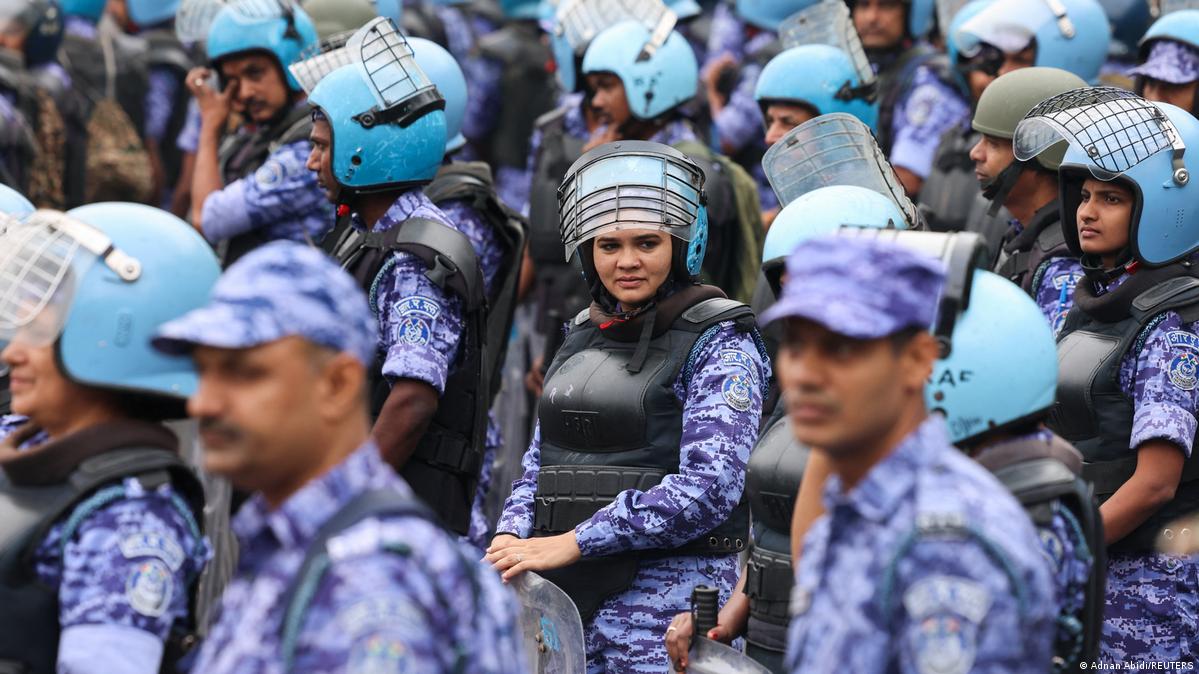
印度蟑螂人民党(CJP)可能预料到政府在其7月份首轮抗议后会有反弹,但10月10日在宛如要塞般的新德里迎接其领导人的路障设置和拘留规模,远超其预期。
India's Cockroach Janata Party (CJP) may have anticipated pushback from the government after its first round of protests in July, but the scale of barricading and detentions that greeted its leaders in a fortress-like New Delhi on October 10 was unlike anything they had anticipated.
CJP起源于印度首席大法官苏里亚·坎特在一次随口 remarks 中将失业青年称为“蟑螂”后的一次讽刺性在线运动。该名称是对印度总理纳伦德拉·莫迪执政的印度人民党(BJP)名称的一种讽刺性演绎。
The CJP began as a satirical online movement after the chief justice of India, Surya Kant, referred to unemployed young people as "cockroaches" in an offhand remark. The name is an ironic riff on the name of Indian Prime Minister Narendra Modi's ruling Bharatiya Janata Party (BJP).
在其最新一轮抗议中,他们要求有争议的全国选举委员会首席专员Gyanesh Kumar辞职,因为据报道,全国范围内超过1.3亿个姓名被从选民名单中删除。
In its latest round of agitation, they are demanding the resignation of the country's controversy-hit Chief Election Commissioner Gyanesh Kumar, after more than 130 million names were reportedly removed from electoral rolls nationwide.
CJP创始人Abhijeet Dipke在周六抵达首都的飞机上被拘留,他当时伴随着共同召集人Ashutosh Ranka和Saurav Das。
You can CJP founder Abhijeet Dipke, accompanied by co-conveners Ashutosh Ranka and Saurav Das, was detained from the plane in which he landed in the national capital on Saturday.
与此同时,警方在与该运动有关联的几位其他人士住所外进行了布防,包括拥有近2000万粉丝的社交媒体人物Dhruv Rathee。在德里市中心,巴士上载满了抗议者,许多人被送往偏远的中心,在那里被关押数小时。据当地媒体报道,全市至少有3000人被拘留。
Meanwhile, police were stationed outside the homes of several other faces associated with the movement, including social media personality Dhruv Rathee, who has nearly 20 million followers on In central Delhi, buses were loaded with protesters, many of whom were taken to far-flung centers, where they were kept for hours. According to local media, at least 3,000 people were detained across the city.
这些抗议发生在莫迪连续25年领导民选政府之际,最初是在古吉拉特邦担任首席部长,随后担任印度总理。
The protests come as Modi marks 25 uninterrupted years leading elected governments, first in Gujarat state as chief minister and then as prime minister of India.
讽刺的是,“这次庆祝活动恰好发生在他政治上最脆弱的时候,”位于新德里的作家尼兰詹·穆克霍帕迪亚对德国之声表示。穆克霍帕迪亚是莫迪2013年传记《纳伦德拉·莫迪:人物与时代》的作者。他将政府目前的应对方式与7月份的做法进行了对比,当时数千名年轻抗议者走上街头,要求莫迪的教育部长因反复出现试卷泄露事件而辞职。
Ironically, "this celebration has happened at the time when he's politically at his weakest," Delhi-based writer Nilanjan Mukhopadhyay told DW. Mukhopadhyay is the author of Modi's 2013 biography, "Narendra Modi: The Man, The Times." He contrasted the government's current response with its approach in July, when thousands of young protesters took to the streets to demand the resignation of Modi's education minister over repeated exam paper leaks.
当时,当局使用警棍、拘留和橡皮弹驱散了在德里市中心连续几天聚集的群众。
At the time, authorities had used batons, detentions and pellets to disperse the crowds gathered in central Delhi, after they had been on the streets for days.
然而这一次,当局转而采取大规模安全部署和大规模预防性行动。这包括向曾参与之前抗议的人员发出通知、削减交通、切断互联网以及在机场进行逮捕。
However, this time, authorities shifted to mass security deployments and preemptive action on a large scale. This included notices to those associated with earlier protests, transport cuts, the internet cutoff and airport arrests.
“政府从之前的经验中吸取了教训。他们不允许人们在詹塔尔曼塔尔长时间聚集,因此事态不会扩大,”全球冲突事件数据与定位项目(ACLED)亚洲资深分析师珍妮尔·潘迪亚对德国之声表示。
"The government has learned from its previous experience. They didn't allow people to sit at Jantar Mantar for any length of time, so it couldn't balloon," Pearl Pandya, senior analyst for Asia at global monitor ACLED, told DW.
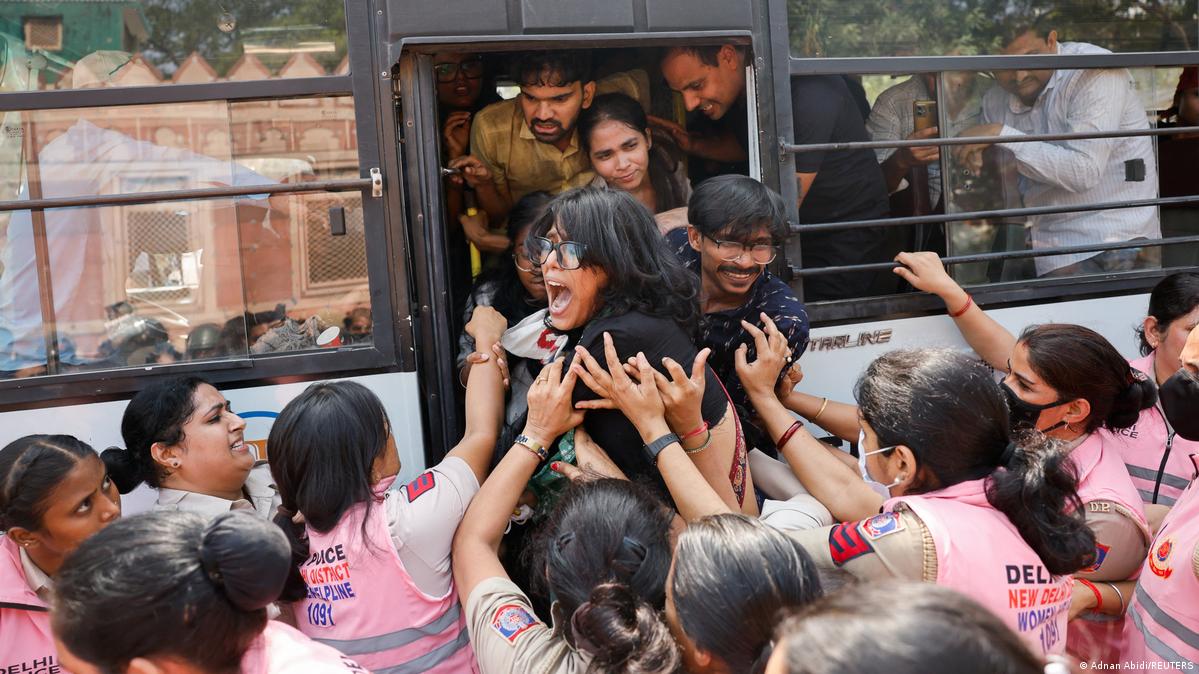
“令人担忧的是,这会不会成为未来的应对模式——也就是说,根本不允许人们进行抗议,”她补充道,指的是政府决定将位于德里市中心的18世纪天文台詹塔尔曼塔尔从指定抗议场所名单中删除的决定。然而,当局却宣布在全国首都新增三个指定抗议场所。
"What's worrying is whether this becomes a playbook for the future — that you are not allowed to protest in the first place," she added, referring to the government's decision to remove the 18th-century observatory Jantar Mantar in central Delhi from the list of designated protest sites. Authorities, however, have announced three new designated protest sites in the national capital.
穆克霍帕迪亚对形势有不同的解读。“如此规模的部署实际上是莫迪先生的失败,”他说。
Mukhopadhyay had a different reading of the situation. "The scale of this deployment is actually a defeat for Mr. Modi," he said.
穆克霍帕迪亚认为,如果政府被迫因一场全新的社会政治运动的抗议而动用如此规模的安全部队,这本身就已经是政府的挫折。
Mukhopadhyay argued that it was already a setback for the government if it was forced to deploy security forces on such a scale in response to protests from a completely new socio-political movement.
尽管势头强劲,但公民正义党(CJP)未能复制其在7月的成功,针对库马尔的抗议主要由反对派领导人和学生组织领导。
Despite the momentum, the CJP has not been able to replicate its success from July, with the protests against Kumar being led primarily by opposition leaders and student organizations.
“教育一直是一个跨领域的议题……投票权仍然被视为一种内在的政治议题,即反对派与印度人民党之间的对立,”潘迪亚说。
"Education was far more of a cross-cutting issue... the right to vote is still seen as an intrinsically political one, where it's the opposition versus the BJP," Pandya said.
然而,印度首席法官长期坚持认为其立场是非政治性的。这常被引用为他们能够吸引大量年轻追随者的原因。
The CJP, however, has long maintained that it is non-political. This is often cited as the reason for them amassing such a large following of young followers.
穆克霍帕迪亚批评了这种立场,他说:“你不能在不承认这些是政治议题的情况下谈论选举中立问题。”尽管之前在七月的印度首席法官抗议活动与当前的示威浪潮存在差异,但社会学家苏林德尔·辛格·乔德卡强调了两者之间的连续性。
Mukhopadhyay criticized that stance, saying: "You cannot raise issues about electoral neutrality... without saying that these are political issues." Despite the differences between the previous round of CJP protests in July and the current wave of demonstrations, sociologist Surinder Singh Jodhka emphasized continuity.
“我认为它们在质量上并没有不同。再次,年轻人是被动员的主力,而且他们受到更大鼓舞,因为之前那轮抗议取得了成功,”他对德国之声说。“而且,他们也在提出类似的问题——关于制度、民主、透明度和问责制。”“对于那些之前对印度失去希望、觉得右翼已经完全掌控局面的人来说,现在有了新的希望,”乔德卡补充道。
"I don't think they're qualitatively different. Once again, young people are the ones who are mobilized, and they are much more encouraged because the earlier round of protests was successful," he told DW. "And it's also asking similar questions about institutions, about democracy, about transparency and accountability." "There is a new hope for those who had earlier given up on India, and felt like the right wing was in complete control," Jodhka added.
分析人士驳斥了将此次抗议与邻国尼泊尔和孟加拉国动荡导致政府垮台的抗议进行比较的说法,指出印度强大的制度是防止政府剧变的保障。
Dismissing comparisons with volatile protests in neighboring Nepal and Bangladesh, which brought down their governments, the analysts pointed to India's strong institutions as a safeguard against a dramatic change of government.
“印度拥有非常强大的国家体制和国家机构,”乔德卡解释道,并强调即使反对党也在呼吁“制度的复兴,而不是推翻国家”。潘迪亚还表示,对司法的信任“将防止这些抗议演变为推翻政府的民众革命”。
"India has had a very strong state system and state institutions," Jodhka explained, highlighting that even the opposition parties were asking for "the revival of institutions, rather than an overthrow of the state." Pandya also stated that faith in the judiciary "would prevent these protests from tipping over into a popular revolution which unseats the government."
然而,她也指出,持续的不满“可能在2029年甚至更早——比如在各邦选举中——反噬政府”。她还表示,这可能削弱莫迪的受欢迎程度,而莫迪的受欢迎程度一直是过去十年印度政治的一个显著特征。专家如此指出。
Nevertheless, she said, sustained discontent "might come to bite the government in 2029... or before that in the state elections." It could also erode Modi's popularity, which has been a defining feature of Indian politics over the past decade, the expert indicated.
对穆克霍帕德亚而言,当前抗议活动最令人担忧的一点便是选举机构的公信力正在受损。
For Mukhopadhyay, the most troubling aspect of the current protests is the erosion of the electoral body's credibility.
他回忆起21岁时首次行使投票权时的自豪感,并由此将之与如今的印度年轻选民作对比。“如今的年轻人正在为自己的投票权而抗争。”
Recalling the pride he felt when heed to vote at 21, he drew comparisons with young Indian voters today. "The youngsters are now fighting for their vote."