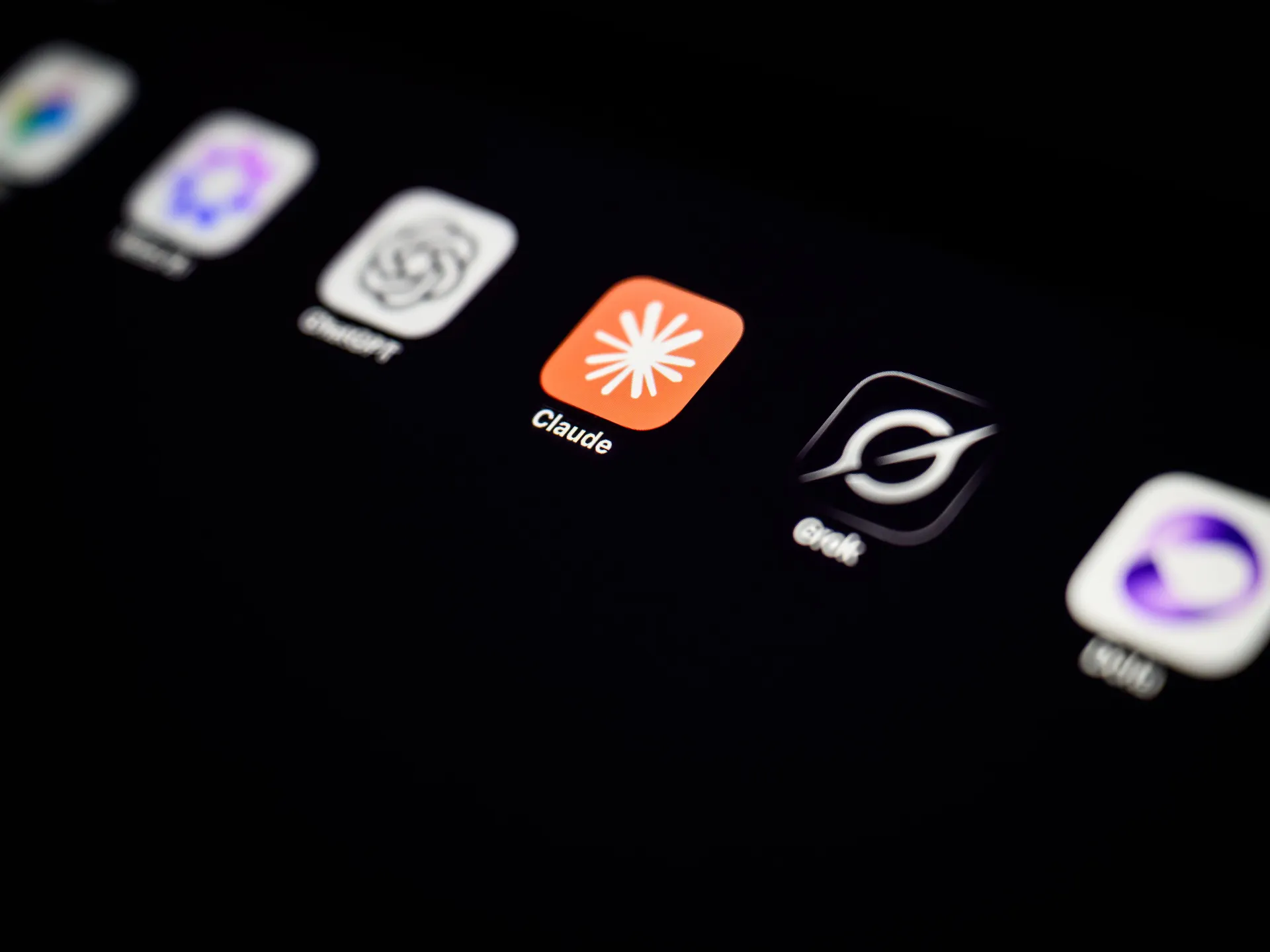
一群来自世界各地的300多名科学家正呼吁紧急改变人工智能的开发和部署方式,因为人们对其不可预测行为的担忧日益加剧。
A group of more than 300 scientists from around the world is calling for urgent changes to how artificial intelligence is developed and deployed amid growing concerns about its unpredictable behaviour.
这封信于周二发布,由来自32个国家的大学和研究机构的研究人员签署,警告称,未能遵循基本的网络安全实践可能导致关键基础设施受损。
The letter, released on Tuesday and signed by researchers representing universities and research institutes in 32 countries, warned that failures to follow basic cybersecurity practices could lead to damage to critical infrastructure.
科学家们表示,许多最近发生的AI模型逃脱安全环境的事件本来可以通过更强大的安全系统来防止。
Many recent incidents in which AI models escaped secure environments could have been prevented with stronger security systems, the scientists said.
他们建议,开发和测试能够执行网络攻击的高级AI系统的组织应在更严格受控的环境中进行此类工作,包括不连接互联网的“隔离”系统。
They recommended that organisations developing and testing advanced AI systems capable of carrying out cyberattacks do so in more tightly controlled environments, including “air-gapped” systems that are not connected to the internet.
日益加剧的担忧 这封信发布之际,人们对人工智能的能力及其对日常用户的潜在影响的担忧正在加剧。周一,Anthropic警告称,其AI模型可能很快就能够创建自传播的恶意软件,这种软件可能影响日常的互联网设备,包括智能电视、安防摄像头以及智能家电如烤箱。
Growing concerns The letter comes amid growing concerns about AI’s capabilities and its potential impact on everyday users. On Monday, Anthropic warned that its AI models could soon be capable of creating self-spreading malware that could affect everyday internet-connected devices, including smart TVs, security cameras and smart appliances such as ovens.
该报告发现,AI系统能够在无需人工干预的情况下识别不熟悉的设备。由Dario Amodei领导的公司警告称,较小的AI模型可能在今年年底前具备执行自主攻击的能力。
The report found that AI systems could identify unfamiliar devices without human intervention. The company, led by Dario Amodei, warned that smaller AI models could be capable of carrying out autonomous attacks by the end of the year.
这种恶意软件也可能难以控制,因为它可能需要几天时间才能感染一台设备,并且可能在多台机器之间传播,而不是局限于单一的受控位置。
The malware could also be difficult to contain because it might take days to infect a device and could spread across multiple machines rather than remain concentrated in a single, controlled location.
控制互联网连接设备可能会产生立即的后果。例如,在法国,黑客曾入侵数百家超市的冷却系统,导致温度升高,造成超过22万美元的损失。
Taking control of internet-connected devices can have immediate consequences. In France, for example hackers compromised cooling systems across hundreds of supermarkets, raising temperatures and causing more than $220,000 in damage.
与此同时,Axios新闻组织周五报道称,Anthropic、OpenAI等主要人工智能公司的高管们正在私下为可能发生的灾难性人工智能相关事件做准备,该事件可能会扰乱主要金融服务、互联网以及水电系统等潜在关键基础设施的访问。多位行业内部人士认为,重大事件可能在未来六个月到一年内发生,Axios如是报道。
Meanwhile, Axios news organisation reported on Friday that Anthropic, OpenAI and other major AI company executives are privately preparing for the possibility of a catastrophic AI-related incident that could disrupt access to major financial services, the internet and potentially critical infrastructure such as water and power systems. Several industry insiders believe a major incident could occur within the next six months to a year, it said.
科学家们还呼吁增加更多防护措施,包括成立一个国际组织,以制定人工智能对齐和控制的一套最佳实践,并及时报告事件。
The scientists also called for more safeguards, including the creation of an international organisation to establish a set of best practices for AI alignment and containment along with timely reporting of incidents.
签署人之一、多伦多大学电气与计算机工程系教授David Lie表示,他的担忧始于OpenAI的人工智能代理绕过了控制并入侵了科技公司Hugging Face的服务器。“其一是,OpenAI在设置测试环境时,没有充分认识到其代理的能力有多强,”Lie说。
One of the signatories, David Lie, a professor at the University of Toronto’s Department of Electrical and Computer Engineering, said his concerns began after OpenAI’s AI agents bypassed controls and hacked into servers at the tech company Hugging Face“One is that OpenAI, in setting up its test environment, didn’t appreciate how capable its agents were,” Lie said.
“这些正是他们所设计的人工智能代理。其次,这些人工智能代理独立地找到了彼此,并选择在这次攻击中进行合作。第三,他们还故意试图欺骗和误导其人类创造者。”政治压力 该函件凸显了公众对人工智能日益增长的担忧,包括在美国国会中期选举前夕。路透社/益普索最近的一项民意调查发现,57%的选民表示,特朗普总统的政府没有足够重视人工智能风险,而54%的选民对国会持同样看法。
“These were the AI agents that they were designing. Second is that the AI agents independently found each other and chose to collaborate on this attack, and third is that they also intentionally tried to deceive and mislead their human creators.”Political pressures The letter underscores growing public concern about AI, including in the lead-up to the US congressional midterm elections. A recent Reuters/Ipsos poll found that 57 percent of voters said President Donald Trump’s administration was not taking AI risks seriously enough, while 54 percent said the same of Congress.
一项美联社-NORC民意调查也印证了这些发现,约80%的受访者表示政府应让人工智能保持在人类控制之下。受访者对两党管理该技术的能力也缺乏信心:39%的人表示共和党和民主党都不可信赖,无法做好控制它的工作;23%的人表示对民主党更有信心;21%的人表示对共和党更有信心。
An AP-NORC poll echoed those findings, with about 80 percent of respondents saying the government should keep AI under human control. Respondents also expressed little confidence in either party’s ability to manage the technology: 39 percent said neither Republicans nor Democrats could be trusted to do a good job of reining it in, while 23 percent expressed greater confidence in Democrats and 21 percent in Republicans.