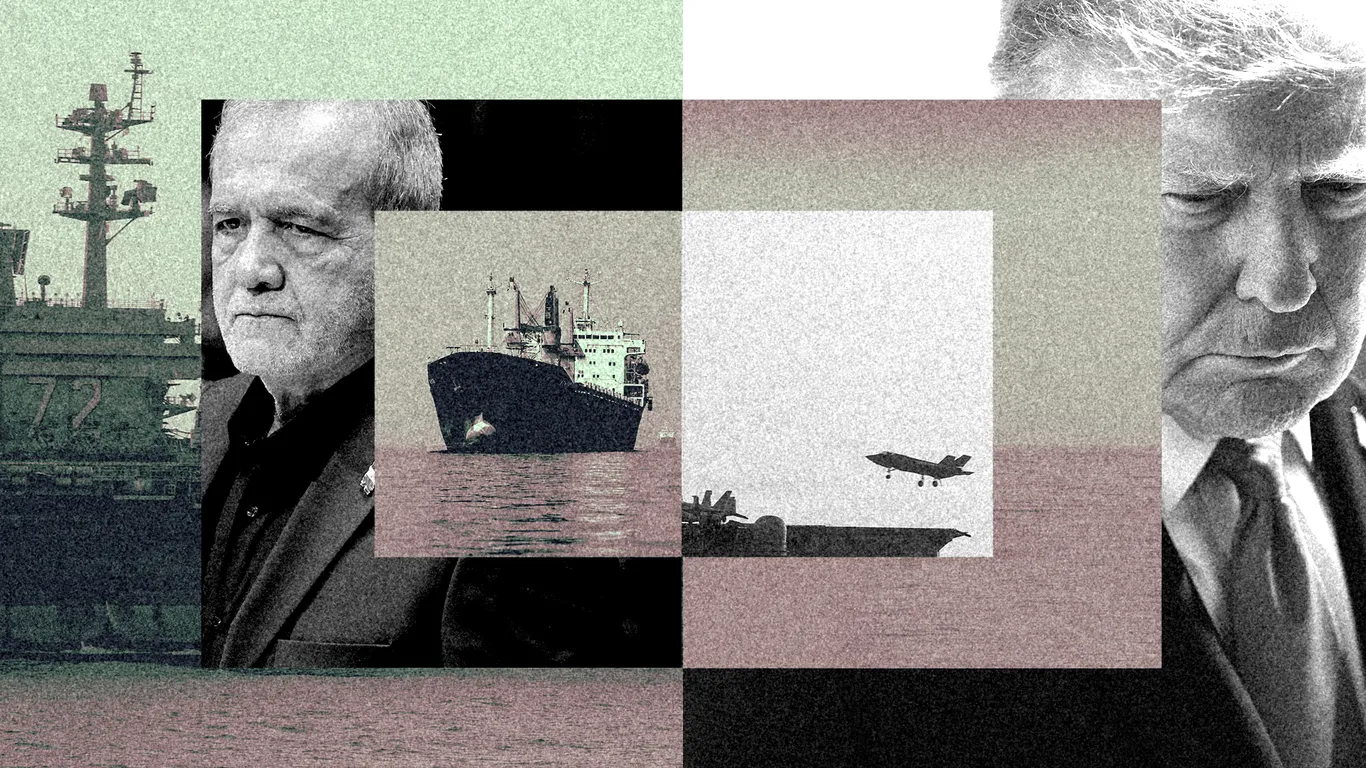
特朗普政府和伊朗政权都表示更倾向于通过外交途径解决争端,但达成协议的可能性似乎比以往任何时候都更加渺茫。
The Trump administration and the Iranian regime both say they prefer a diplomatic solution to the war but a deal looks more elusive than ever.
导致僵局的根本原因可能在于双方之间存在无法调和的分歧。
• The root causes of the impasse may be irreconcilable. Why it matters:
为什么这很重要:在过去18个月里,已经进行了两轮失败的谈判,结果导致了两次军事冲突。6月份达成的谅解备忘录在几天内就破裂了,随后局势再次升级。如果当前的外交谈判努力再次陷入僵局,那么战争很可能在几周内再次爆发。
In the last 18 months, two failed rounds of negotiations have led to two wars. The June MOU collapsed within days and led to renewed escalation. If the current effort to reach a diplomatic breakthrough ends in a deadlock, another outbreak of fighting is likely within weeks. Here's a look at some of the deep-seated dynamics between the two countries — personal, cultural, and political — that have stymied efforts to broker a deal: "Trump has ADD; Iran has OCD"
以下是一些阻碍双方达成协议的深层次因素——包括个人性格、文化差异以及政治立场:“特朗普患有注意力缺陷多动障碍(ADD);而伊朗则属于强迫症患者(OCD)。”
One reason for the failures is that the U.S. and Iran see the timeframe for negotiations very differently. Trump is all about getting a quick deal — he gets impatient and frustrated when things move slowly. The Iranian negotiation style is the complete opposite.
卡内基基金会的高级分析师卡里姆·萨贾德普尔(Karim Sadjadpour)在接受Axios采访时指出:“谈判失败的一个原因是,美国和伊朗对谈判的时间框架有着截然不同的理解。特朗普希望尽快达成协议,一旦进展缓慢就会感到不耐烦和沮丧;而伊朗的谈判策略则恰恰相反——他们试图通过拖延时间来争取更多优势。”
They are all about playing for time. • "America under Trump is the attention-deficit superpower ... incapable of sustaining a strategy. Iran under the Islamic Republic is the obsessive-compulsive theocracy, fixated on resisting America far more than advancing the welfare of its own people," Karim Sadjadpour, a senior analyst at the Carnegie Endowment, told Axios.
具体例子:
"Trump has ADD; Iran has OCD."
2025年4月,特朗普为谈判设定了60天的最后期限,这个时间表极其短暂且不切实际;而伊朗方面则认为谈判需要更长的时间,因此并未将这个期限当回事。
• For example, in April 2025 Trump set a deadline for negotiations at 60 days — an extremely short and unrealistic timetable. The Iranians, on the other hand, saw the negotiations as a longer process and didn't take the deadline seriously enough.
今年2月的谈判时间更是只有大约三周,因此迅速达成协议的可能性几乎为零。
They didn't think Trump meant it when he said 60 days. • The negotiations in February of this year were even shorter — around three weeks.
两种不同的谈判策略:一方追求轰动性的“成果展示”,另一方则更注重拖延时间、争取战略优势。
The chances of getting a deal that quickly were close to zero. A megadeal vs. a narrow truce Trump loves a splashy
这是一场政治闹剧,而他则被选为这场闹剧的“主角”。他设想达成一项具有历史意义的协议,以此重新定义美国与伊朗之间的关系,并重塑中东地区的格局。
show of political theater, with him cast as lead actor. He envisions a legacy-making accord that redefines the relationship between the U.S. and Iran and reshapes the Middle East.
- 伊朗方面更倾向于通过间接方式、以最低的公众曝光度来达成一项具体、注重实际利益的交易性协议;在他们看来,任何协议都只是一种暂时性的停战,而非真正的和平协议。
• The Iranians prefer a narrow, transactional deal that's negotiated indirectly — or with the lowest public profile possible. They view any deal as a truce rather than a peace agreement.
- 萨贾德普尔指出:“特朗普和他的谈判代表以善于达成协议而自豪;但在伊朗的政治文化中,‘sazeshkar’(指那些愿意妥协的人)这个词几乎是一种侮辱性词汇。”
• "Trump and his negotiators pride themselves on being dealmakers. In Iranian political culture, the word for compromiser — 'sazeshkar' — is practically a slur," Sadjadpour said.
- 他补充说:“伊朗的领导人从来都不愿意直接与特朗普会面。如果他们愿意这样做,我认为事情的结局可能会大不相同。特朗普希望解决这场冲突;而伊朗伊斯兰共和国的整个存在基础恰恰建立在与美国持续对抗的基础上。”
• He added: "Iran's leaders were never willing to meet with Trump directly. Had they been willing to do so, I think the outcome of events could have been very different. Trump wants to resolve the conflict; the Islamic Republic's entire identity is premised on continued confrontation with the U.S."
信任危机:谈判中的根本障碍就是双方之间的互不信任。
A matter of mistrust The fundamental impediment
- 伊朗方面声称特朗普曾在谈判过程中两次欺骗他们(即在谈判进行到一半时突然对伊朗发动攻击)。
in the negotiations is mistrust. • The Iranians claim Trump cheated them twice when he attacked them in the middle of negotiations.
- 伊朗政权内部的许多人认为,与美国进行的任何谈判都只是为了掩盖其准备突然发动攻击的阴谋。
• Many inside the Iranian regime think any negotiations with the U.S. are just a ruse to mask preparations for a surprise attack.
- 美国方面则反驳称,实际上是伊朗违反了2026年6月达成的谅解备忘录——在协议签署后不久,伊朗就在霍尔木兹海峡袭击了美国船只。
• The U.S. side counters it was Iran that cheated when it violated the June 2026 memorandum of understanding, by attacking ships in the Strait of Hormuz days afterg the deal.
- 美国官员表示,他们无法保证伊朗伊斯兰革命卫队或其他极端势力会遵守他们与伊朗政权中较为务实派别所达成的任何协议。
• U.S. officials say that they can't count on the Islamic Revolutionary Guard Corps or other radical elements inside the regime to abide by any deal they negotiate with more pragmatic members of the regime.
国内压力:对双方来说,这些谈判都是一场充满政治风险的国内斗争。
Domestic pressure The negotiations are a fraught domestic political issue for both sides.
- 伊朗的谈判代表团以及那些支持达成协议的政权内部人士在国内一直面临着持续的攻击和压力,这迫使他们在谈判中采取更为强硬的立场。
• Iran's negotiating team and others inside the regime who support a deal have come under constant attacks back home. It's pushed them to take a harder line in talks.
关键信息:
- 特朗普及其谈判代表正面临来自右翼的压力,要求他们不要达成任何协议;同时,他们也遭到左翼的嘲笑,因为这些协议可能会恢复战前的现状,或者类似于奥巴马在2015年达成的核协议。
• Trump and his negotiators are getting pressure from the right not to cut a deal — and mocked by the left for potentially accepting one that either restores the pre-war status quo or resembles President Obama's 2015 nuclear deal.
- 正是因为这些批评,特朗普在过去18个月里多次放弃了较为温和的立场(包括本周早些时候的立场)。
• That kind of criticism made Trump pull back from more moderate positions he took several times over the last 18 months, including earlier this week. What to
- 白宫特使史蒂夫·威特科夫(Steve Witkoff)和贾里德·库什纳(Jared Kushner),以及副总统万斯(Vance),仍然认为继续进行外交谈判是值得的;但特朗普的态度明显更加怀疑。
White House envoys Steve Witkoff and Jared Kushner and Vice President Vance still think diplomacy is worth pursuing. But Trump seems much more skeptical. • In an interview with Time magazine published on Thursday, he said what Iran is ready to do "is not good enough" for him.
- 在周四接受《时代》杂志采访时,特朗普表示伊朗所做的努力“还不够好”。他重申,自己正在考虑在中期选举后恢复大规模军事行动。
• "With Iran, I don't think you could ever have peace," he said, reiterating that he's considering resuming major combat operations after the midterms. • Iranian President Masoud Pezeshkian on Thursday defended the negotiations with the U.S.
- 伊朗总统马苏德·佩泽什基安(Masoud Pezeshkian)为与美国的谈判进行了辩护,称:“我们从未也不会逃避对话;尽管美国已经签署了协议,但它仍三次对我们的国家发动了攻击。”他还表示:“美国应该摒弃通过恐吓来迫使我们屈服的念头。”
• "We have never and will not run away from dialogue, although the U.S. targeted our country three times despite having signed the agreement," he said, referring to the June MOU. "The U.S. should get rid of the idea that it would bring us to our knees through terror."
- 然而,其他伊朗官员(尤其是伊朗革命卫队内部的官员)认为谈判毫无意义,认为结束战争的唯一途径是在战场上给对方造成更多损失。
• But other Iranian officials, especially inside the IRGC, think negotiations are useless and that the only way to end the war is by inflicting more costs on the battlefield.
专家观点:“伊朗对美国的策略是以升级冲突和持续进攻为核心,”德克萨斯A&M大学布什政府与公共服务学院的国际事务副教授穆罕默德·阿亚图拉希·塔巴里(Mohammad Ayatollahi Tabaar)在《外交事务》杂志(Foreign Affairs)的一篇文章中写道。
What they're saying: "Iran is adopting a strategy toward the United States defined by escalation and continuous offense," Mohammad Ayatollahi Tabaar, associate professor of international affairs at Texas A&M University's Bush School of Government and Public Service, writes in a new Foreign Affairs article
“伊朗政权非常明确自己的目标——那就是将所有美军从该地区撤出——并且愿意无限期地保持战时状态以实现这一目标。”
• "[The regime] is clear about what it wants — the removal of all U.S. forces from the region — and it is prepared to remain indefinitely on a wartime footing to get it."