本月初,国际货币基金组织(IMF)与塞内加尔宣布了一项价值22亿美元的新贷款计划。此前,由于2024年7月发现隐性债务约占该国国内生产总值(GDP)的25%,导致公共债务飙升至GDP的130%以上,位居非洲最高水平之一,原有协议因此被暂停。
Earlier this month, the International Monetary Fund and Senegal announced a new loan programme worth $2.2bn. This came after a previous deal was suspended following the discovery in July 2024 of concealed debt equivalent to approximately 25 percent of the country’s GDP, which brought public debt to over 130 percent of GDP, one of the highest ratios in Africa.
这可谓是一场关于债务的“民主背叛”:塞内加尔民众曾被告知其国家是宏观经济稳定的典范,却突然被呈上一张秘密累积多年的账单。
This is what might be called a democratic betrayal of debt: The Senegalese people, who had been assured that their country was a model of macroeconomic stability, were presented with a bill that had been accumulating in secret for years.
这一发现引发了公愤,并引发了关于塞内加尔如何管理债务的广泛公共辩论。经济独立的理念随之获得动力,助推执政的非洲爱国党(Pastef)在当年11月的议会选举中赢得了80%的席位。
The discovery caused outrage and much public debate about how Senegal has been managing its debt. The idea of economic independence gained momentum and helped the governing Pastef party secure 80 percent of seats in the parliamentary elections in November that year.
如今,将近两年过去了,曾激发塞内加尔选民热情的主权议程岌岌可危,这并非源于正式的放弃,而是框架、词汇和目标的逐渐转移。政府将国际金融机构视为管理外债的唯一可行出路,而非寻求一种痛苦较小的替代方案。
Today, almost two years later, the sovereignty agenda that animated the Senegalese voters is in jeopardy, not through formal renunciation, but through a gradual shift of framework, vocabulary and objective. The government is treating the international financial institutions as the only viable recourse for managing foreign debt instead of seeking a less painful alternative approach.
批评指出,塞内加尔一直是国际货币基金组织最持续的项目国之一。自1979年以来,它反复寻求基金组织援助。
The criticism Senegal has been one of the IMF’s most continuous programme countries. It has repeatedly sought its assistance since 1979.
基金组织和世界银行推行的结构性调整导致了停滞、贫困加剧,且未带来经济转型。它系统性地拆解了本可实现经济变革的制度性基础设施。
The structural adjustment introduced by the fund and the World Bank produced stagnation, rising poverty and no economic transformation. It systematically dismantled the institutional infrastructure through which economic change could have been achieved.
2004年,该国获批在重债穷国倡议(HIPC)框架下获得债务减免,4.88亿美元债务被注销,但被迫接受调整附件条件,包括国有企业私有化和放松管制,这冲击了基本公共服务、体面就业、小企业以及贫困群体的获取渠道。减免是真实的;但它本应催生的结构性转型却始终难以实现。
In 2004, the country was approved for debt relief under the Heavily Indebted Poor Countries Initiative (HIPC) and got $488m of its debt cancelled, but had to accept adjustment conditionalities, including privatisation of state companies and deregulation, which impacted access to essential services, decent employment, small businesses, and the poor. The relief was real; the structural transformation it was supposed to enable remained elusive.
如今的问题是究竟是谁先辜负了谁。重新核算显示,截至2023年底,塞内加尔的实际公共债务占GDP的99%,而此前报告的数字为74%。高达25个百分点的GDP差距,持续数年之久,绝非无心之失。国际货币基金组织(IMF)将错误归咎于塞内加尔政府。至少可以说,这是履行常规职责时的系统性失败。按此解读,该机构的目的并非债务国的发展,而是将其维持在一种受纪律约束的贫困之中。
The question today is who failed whom first. Recalculations put Senegal’s real public debt at the end of 2023 at 99 percent of GDP, compared to the 74 percent initially reported. A divergence of 25 percentage points of GDP, maintained over several consecutive years, is not an accidental omission. The IMF attributed the error to the Senegalese government This was, at minimum, a systemic failure in the exercise of a conventional responsibility. The institution’s aim, on this reading, is not the development of debtor countries, but their maintenance in a disciplined poverty.
大陆层面的记录证实,塞内加尔并非孤例。参与IMF项目的非洲国家在债务管理上均举步维艰。赞比亚自20世纪80年代起开始向IMF借款。基金组织施加的条件——贸易自由化、削减公共开支和私有化——导致其经济萎缩。
The continental record confirms Senegal is no exception. African countries in IMF programmes have struggled with debt management. Zambia started borrowing from the IMF in the 1980s. The conditions the fund imposed – trade liberalisation, public spending cuts and privatisation – caused its economy to shrink.
随后,赞比亚被迫寻求HIPC减免。虽获批准,但因要求推行痛苦的调整政策,实施屡遭拖延。
Zambia was then forced to seek HIPC relief as well. It was approved but implementation was repeatedly delayed over the painful adjustment policies requested.
埃塞俄比亚在2021年2月根据G20共同框架申请债务处理后,也面临数年的延宕。直到2025年3月才与债权人达成条款——距离其债务违约已过去一年多。与此同时,作为与IMF达成的34亿美元协议一部分而实施的紧缩措施,导致贫困和不平等加剧。
Ethiopia also faced delays of several years after it requested debt treatment in February 2021 under the G20 Common Framework. It was not until March 2025 that terms were agreed with creditors – more than a year after it defaulted on debt. Meanwhile, austerity measures imposed as part of a $3.4bn agreement with the IMF led to rising poverty and inequality.
此处主张的立场并非全盘否定外部融资,而是呼吁采取不同的步骤顺序:债务处理而非债务重组;审计与问责先于新增附加条件;为生产性投资腾出财政空间而非追加补缴税款;拥有并控制自然资源而非将其让予外国势力;维持社会保障而非削减基本公共服务;以及将任何借款谈判建立在区域与大陆层面的力量平衡之上,而非结构性不平等的双边博弈之中。
The solutions The position advanced here is not a wholesale rejection of external financing, but a call for a different sequence: debt treatment rather than restructuring; audit and accountability before new conditionality; fiscal space for productive investment rather than catch-up taxation; ownership and control over natural resources, rather than ceding them to foreign powers; sustaining social protection rather than curtailing essential services; and the grounding of any borrowing negotiation in a regional and continental balance of power rather than in a structurally unequal bilateral exchange.
具体而言,塞内加尔议会必须联合公民社会,毫不拖延地为公民债务审计创造制度条件,围绕三项民主底线展开:债务是否合法、是否正当、是否造福民众?
Concretely, the Senegalese parliament, jointly with civil society, must without delay create the institutional conditions for a citizens’ debt audit, structured around three democratic minimums: was the debt legal, was it legitimate, did it serve the people?
这应引出对2019年至2024年间所有借款的独立审查,包括主承销商、债权人及国际货币基金组织自身监管失职的责任,作为任何新增债务附加条件的前提条件,同时在审计期间设定有争议债务偿付的暂停条款。
This should lead to an independent examination of all debt contracted between 2019 and 2024, including the responsibility of arrangers, creditors and the IMF’s own surveillance failure, as a prerequisite for any new debt conditionality, alongside a suspension clause on the service of disputed debt for the duration of the audit.
在财政政策方面,该国需要采取差异化做法。在寻求提高税收占GDP比重时,不应全面增税并削减社会开支,而应聚焦于对开采工业和富裕阶层征税。
On fiscal policy, the country needs a differentiated approach. When seeking to expand its tax-to-GDP ratio, it should not raise taxes across the board and cut social spending. Instead, it should focus on taxing extractive industries and wealthy individuals.
必须保障国家在基础设施、农业工业化转型和能源领域投资的最低份额。与国内债务挂钩的衍生工具条款,特别是总收益互换,应设定上限并公开透明。
A minimum share of state investment in infrastructure, agro-industrial transformation and energy should be protected. The terms of derivative instruments linked to domestic debt, notably the Total Return Swaps, should be capped and made public.
在寻求二十国集团共同框架下的债务重组时,应争取具有约束力的时间表和不对称性较低的仲裁机制。任何接受的新附加条件都应包含可逆条款,一旦触发预设阈值,在发生重大经济冲击时生效,以避免适得其反的紧缩政策。
When seeking debt restructuring under the G20 Common Framework it should aim for a binding timetable and a less asymmetric arbitration mechanism. Any new conditionality accepted should carry a reversibility clause, triggered by pre-defined thresholds, in the event of a major economic shock, to avoid self-defeating austerity.
碳氢化合物收入应有其自身的保障措施,建立在四大支柱之上:一个透明的稳定基金,在繁荣时期积累收入盈余;一个专门用于生产和社会部门的投资包络,包括能源转型、农业转型、教育、卫生、水利、环卫和数字基础设施;一种积极的负债管理策略,优先削减外债中成本最高的部分;以及对碳氢化合物收入分配的强有力公民参与和议会监督。
Hydrocarbon revenue should have its own safeguards, resting on four pillars: a transparent stabilisation fund that accumulates revenue surpluses during boom periods; a dedicated investment envelope for productive and social sectors, including energy transition, agricultural transformation, education, health, water, sanitation and digital infrastructure; an active liability management strategy prioritising the reduction of the costliest components of the external debt; and robust citizen participation and parliamentary oversight over hydrocarbon revenue allocation.
最后,塞内加尔应在国家立法中确立要求,任何公共借款都必须事先获得议会授权并全面披露。
Finally, Senegal should enshrine in national legislation the requirement of prior parliamentary authorisation and full disclosure of any public borrowing.
南南联盟 塞内加尔无法独自完成所有这些工作。它需要与其他深陷债务困境的非洲国家建立南南联盟,共同在债务重组条款上施加影响。这正是布基纳法索总统托马斯·桑卡拉于1987年7月在非洲统一组织上提出的论点:债权人协调行动,债务人也应如此。
A South-South coalition Senegal cannot do all of this alone. It needs to build a South-South coalition with other African countries struggling with debt to collectively weigh on debt restructuring terms. This is precisely the argument Burkinabe President Thomas Sankara made to the Organisation of African Unity in July 1987: creditors coordinate, borrowers should too.
4月成立的“借款人平台”是对这一呼吁的首个制度性回应。它必须履行三大职能:缩小债权人与债务人之间的信息和能力不对称;就与发展主权不相容的附加条件条款制定共同立场;并集体表达1962年联合国大会第1803号决议所确认的原则,即人民对其自然财富保留不可剥夺的权威。
The Borrowers’ Platform, established in April, is the first institutional answer to that call. It must fulfil three functions: close the information and capacity asymmetry between creditors and debtors; develop common positions on conditionality provisions incompatible with developmental sovereignty; and give collective expression to the principle affirmed in UN General Assembly Resolution 1803 of 1962, that peoples retain inalienable authority over their natural wealth.
在非洲联盟的协调下,塞内加尔可以帮助建立一个框架,使非洲政府能够要求实施一项具有约束力的、为期20至30年的债务偿还暂停期,该框架基于四项条款:立即暂停所有付款且不产生拖欠;强制将腾出的资源分配给主权发展支出,优先事项由国家议会而非债权人设定;在联合国主持下建立多边法律框架,使该机制免受巴黎俱乐部和国际货币基金组织倒退附件条件的约束;以及基于人类发展指标的中期审查条款。
In coordination with the African Union, Senegal can help set up a framework enabling African governments to demand a binding 20-to-30-year moratorium on debt service, resting on four provisions: the immediate suspension of all payments without accumulation of arrears; the mandatory allocation of freed resources to sovereign development expenditures, according to priorities set by national parliaments rather than creditors; a multilateral legal framework under UN auspices, shielding the mechanism from the regressive conditionalities of the Paris Club and the IMF; and a mid-term review clause based on human development indicators.
塞内加尔还应倡导在西非经济货币联盟(WAEMU)内部对主权发行的流动性风险进行区域互保。该国还应建立一个战略性和主权的进程,与其他目前使用西非法郎的国家合作建立自己的货币。政府需要认识到,以外币借贷正在使其债务偿还成本飙升。
Senegal should also champion a regional mutualisation of liquidity risk on sovereign issues within the West Africa Economic and Monetary Union (WAEMU). The country should also set up a strategic and sovereign process to establish its own currency in collaboration with other countries that currently use the West African CFA franc. The government needs to understand that borrowing in foreign currencies is skyrocketing its debt payments.
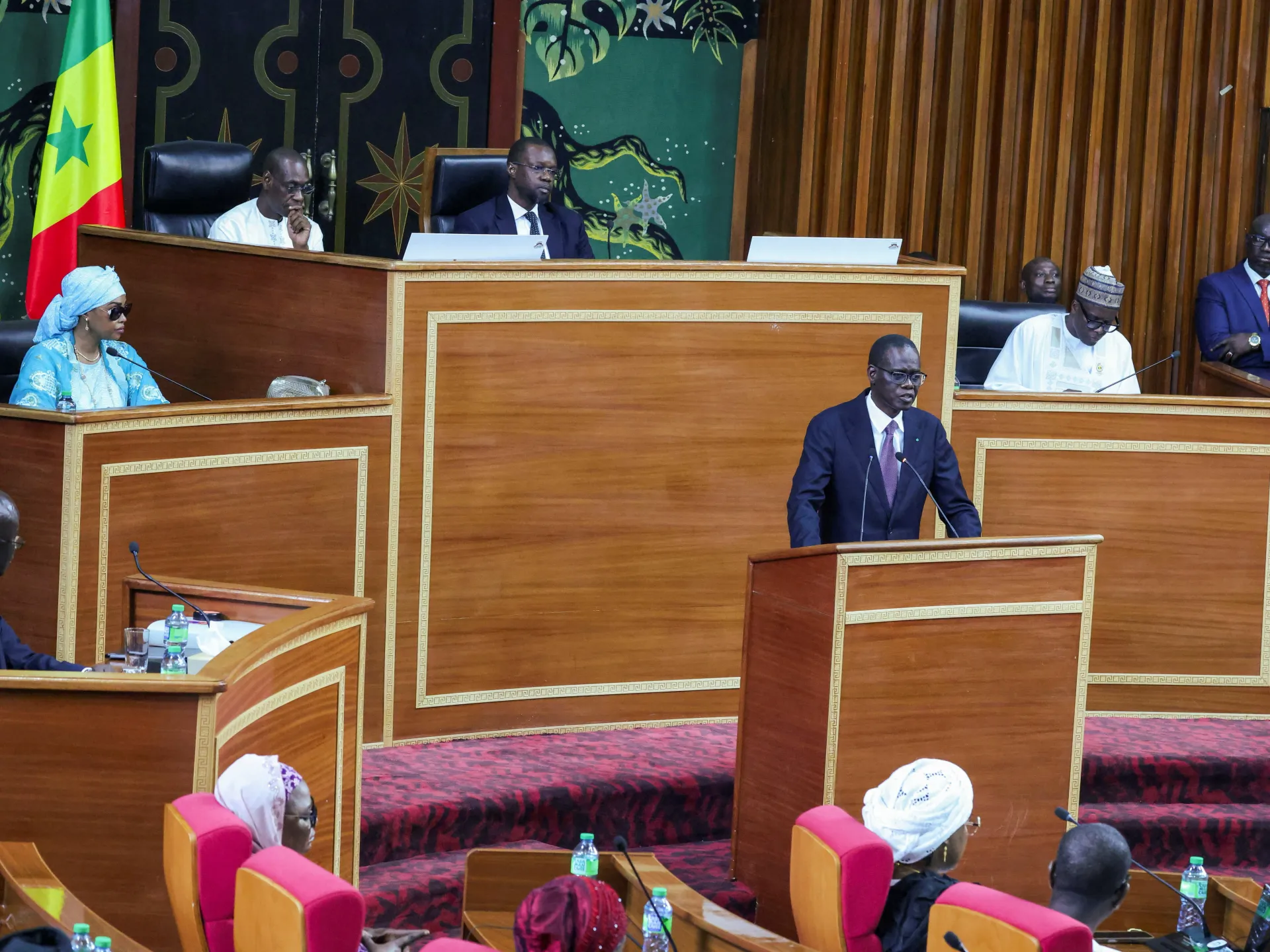
在所有这些努力中,塞内加尔议会应发挥关键作用。作为在2024年大选中获得广泛授权的机构,它需要在建立一种以透明度、合法性和主权为基石的外债新方法上发挥带头作用。
In all of these efforts, Senegal’s parliament should play a key role. As the institution which was given a broad mandate in the 2024 elections, it needs to lead the way on establishing a new approach to foreign debt anchored in transparency, legality and sovereignty.
另一种选择——接受当前条件下的重组,并将主权议程推迟到后续阶段——那不是务实主义。那将是复制一个让非洲失败了40年的模式。
The alternative – accepting the restructuring on current terms and deferring the sovereignty agenda to a later phase – would not be pragmatism. It would be replication of a model that has failed Africa for 40 years.
塞内加尔人民值得的不仅仅是管理得更好的结构性调整版本。他们投票支持的是彻底变革。议会必须坚守这一授权。
The Senegalese people deserve better than a better-managed version of structural adjustment. They voted for a rupture. Parliament must hold to that mandate.