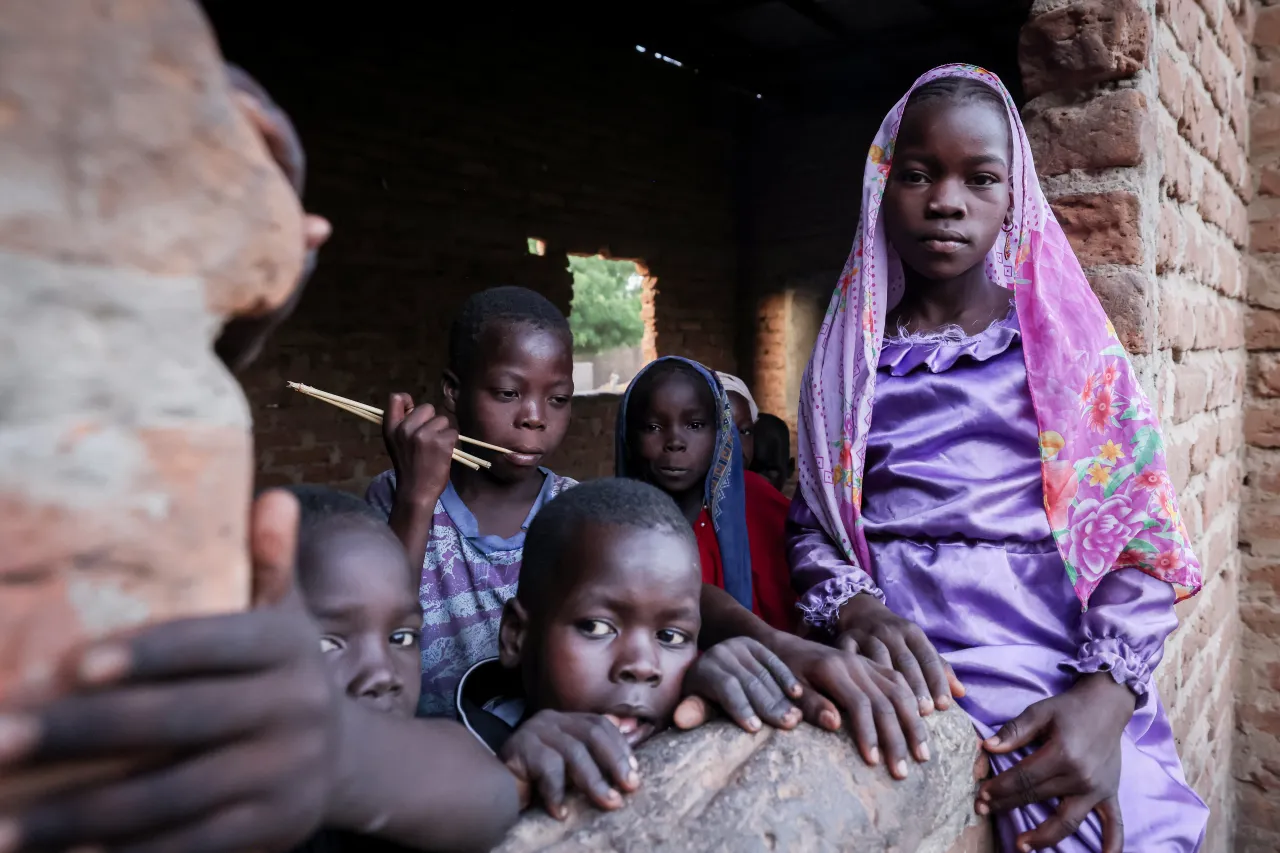
东非地区正面临日益严峻的粮食安全危机,如果我们不采取行动,儿童将承受最沉重的代价。在索马里,数百万人正遭受严重饥饿的折磨。预计今年该国将有近190万名儿童出现急性营养不良。干旱、冲突、流离失所以及人道主义援助的减少正将无数家庭逼入绝境,部分地区的饥荒风险也在不断上升。在苏丹、南苏丹、也门以及受厄尔尼诺现象影响的中美洲干旱地带,粮食不安全状况同样日益恶化。
A food security crisis is building across East Africa, and children will pay the highest price if we fail to act. In Somalia, millions of people face severe hunger. Nearly 1.9 million children there are expected to suffer acute malnutrition this year. Drought, conflict, displacement and cuts to humanitarian assistance are pushing families toward the edge, and in some communities, famine risk is rising. Food insecurity is also worsening in Sudan, South Sudan, Yemen and Central America's dry corridor, where El Niño is bringing drought and erratic rainfall.
数百万儿童及其家庭正身处这场危机的中心。我曾亲眼目睹儿童长期挨饿后的后果:在一家治疗重度急性营养不良婴幼儿的诊所里,四周寂静得令人窒息——这些孩子虚弱到连哭的力气都没有。长期饥饿的儿童更易患病、面临死亡风险,其生长发育也会受到永久性损害。对于婴幼儿而言,重度营养不良甚至可能在数日内致命。
Millions of children and families sit in the path of this crisis. I have seen what happens when children go hungry for too long. Inside a clinic treating babies and toddlers for severe acute malnutrition, the silence is deafening. These children are too weak to cry. A chronically hungry child faces a higher risk of disease, death and permanent damage to their growth and development. For infants and young children, severe malnutrition can be fatal within days.
但这一切都是可以预防的。价格亲民且易于获取的本地食物能够有效防止营养不良的发生。一旦儿童出现营养不良症状,我们也有相应的治疗手段:即食型治疗食品能够挽救生命。然而残酷的现实是,许多接受治疗的重度营养不良儿童在数月后病情又会复发,这充分说明我们必须采取以预防为核心的综合性粮食安全措施。
This is preventable. Affordable, locally available foods can stop malnutrition before it turns severe. When children do reach that stage, we know how to treat it: Ready-to-Use Therapeutic Food saves lives. The awful truth, though, is that too many children treated for severe acute malnutrition relapse within months, underscoring the need for a holistic approach to food security that prioritizes prevention.
要精准实施干预措施,就必须掌握相关数据。“饥荒预警系统网络”专门监测全球最脆弱国家的粮食安全状况及饥荒风险。这些数据能为我们赢得宝贵时间——在儿童出现营养不良、家庭被迫流离失所、危机演变为灾难之前及时采取行动。美国政府决定重新发布该网络针对索马里、阿富汗和也门的分析报告,这一举措值得肯定。
Knowing where to intervene requires data. The Famine Early Warning Systems Network tracks food insecurity and famine risk in the world's most vulnerable countries. That information buys time — time to act before a child becomes malnourished, before a family is forced from home, before a crisis becomes a catastrophe. The U.S. government's decision to resume publishing the network's analyses for Somalia, Afghanistan and Yemen is a welcome step.
但如今,仅有信息透明远远不够,还需配套相应的战略与实际行动。根据《全球粮食安全法》,美国……政府必须每四年制定一份全球粮食安全战略。上一份战略发布于2022年,但至今尚未出台新版本;此时东非及其他地区的饥饿问题正日益严峻。美国国务院已重申其提供救命性对外援助的承诺。这份新战略正是落实该承诺的关键——它理应以预防、早期干预以及保护儿童为核心。
But now that visibility needs to be matched with strategy and action. Under the Global Food Security Act, the U.S. government must produce a Global Food Security Strategy every four years. The last one was released in 2022; its successor is overdue, even as hunger accelerates across East Africa and beyond. The State Department has affirmed its commitment to lifesaving foreign assistance. The new strategy is where that commitment becomes real — and it should put prevention, early action and the protection of children at its center.
数十年来,救助儿童会一直在索马里、也门、苏丹等数十个饥饿问题严重的地区开展工作:他们开设诊所治疗营养不良的儿童,还实施各类项目防止更多儿童陷入饥饿困境。从亲身经历中我们深知时机的重要性。15年前,尽管已有数月之久的预警信息,国际社会仍迟迟未对索马里日益恶化的粮食危机作出反应。据估计,共有25.8万人因此丧生,其中13.3万为五岁以下的儿童;这些死亡案例中约有一半发生在官方宣布饥荒之前。
Save the Children has worked in Somalia, Yemen, Sudan and dozens of other hunger hotspots for decades, running the clinics that treat malnourished children and the programs that keep them from getting there. We know, from direct experience, what timing costs. Fifteen years ago, the world waited too long to respond to Somalia's worsening food crisis despite months of dire warnings. An estimated 258,000 people died, including 133,000 children under five, and about half of those deaths occurred before famine was even declared.
等待官方宣布饥荒,就意味着要眼睁睁看着儿童陷入极度危险的境地。正因有此前车之鉴,我们才现在发声,而非等到下一次饥荒宣告后才行动。新版全球粮食安全战略应当基于对当前饥饿状况的清晰认知:哪些地区的饥饿问题正在加剧?哪些人群最为脆弱?哪些措施能及时遏制危机、避免其演变为灾难?该战略还应将早期预警、早期资金筹措与早期干预视为不可分割的整体,通过引入更先进的技术、完善营养数据体系并整合一线工作者与当地社区的信息,进一步强化“饥荒早期预警系统网络”等工具的功能。
Waiting for a famine declaration means waiting until children are already in grave danger. That history is why we're speaking now, not after the next famine is declared. The new Global Food Security Strategy should be built on a clear picture of where hunger is worsening, who is most vulnerable and which interventions stop a crisis before it becomes a catastrophe. It should treat early warning, early financing and early action as inseparable, strengthening tools like the Famine Early Warning Systems Network with better technology, nutrition data and information from frontline workers and communities.
最重要的是,它必须回答这样一个问题:究竟需要付出何种努力,才能从单纯为饥荒应对提供资金转向为饥荒预防投入资源?事实证明,每投入1美元用于预防措施,就能减少高达7美元的灾害相关损失。防止儿童出现严重营养不良,永远比等他们患病后再进行治疗更为有效。
Above all, it should answer one question: What would it take to shift from financing famine response to financing famine prevention? We know that investing one dollar in preventative measures can save up to seven dollars in disaster-related losses. Preventing a child from becoming severely malnourished is always better than treating one who already is.
等待的代价不仅体现在金钱上,更体现在孩子们的健康、成长,甚至他们的生命上。我们早已预见到这场饥饿危机的到来;事实上,这场危机已经发生了。我们清楚如何预防它、如何治疗相关疾病,也知道它接下来会朝着什么方向发展。真正缺失的,是在我们掌握这些信息后采取行动的策略——以免更多的孩子因为我们的拖延而付出沉重的代价。詹蒂·苏里普托(Janti Soeripto)是“救助儿童会”(Save the Children)的首席执行官。
The cost of waiting is measured not just in dollars, but in children's health, development and, sometimes, their lives. We can see this hunger crisis coming. In truth, it is already here. We know how to prevent it, how to treat it and where it's headed next. What's missing is the strategy to act on what we know — before more children pay the price for our delay. Janti Soeripto is U.S. president and chief executive officer of Save the Children.