一项基本的道德准则也是一条法律规则:如果你对某事撒谎,且你的谎言造成了伤害,你就应当赔偿你伤害的人。这听起来很简单,但什么构成伤害、谎言是否导致了该伤害,以及何种赔偿是适当的,这些问题可能很难回答。法官和陪审团每天都在为此而纠结。
A basic moral principle is also a rule of law: If you lie about something and your lies cause harm, you should compensate people you injured. Sounds simple, but what counts as harm, whether the lie caused it, and what compensation is appropriate can be hard questions. Judges and juries wrestle with them every day.
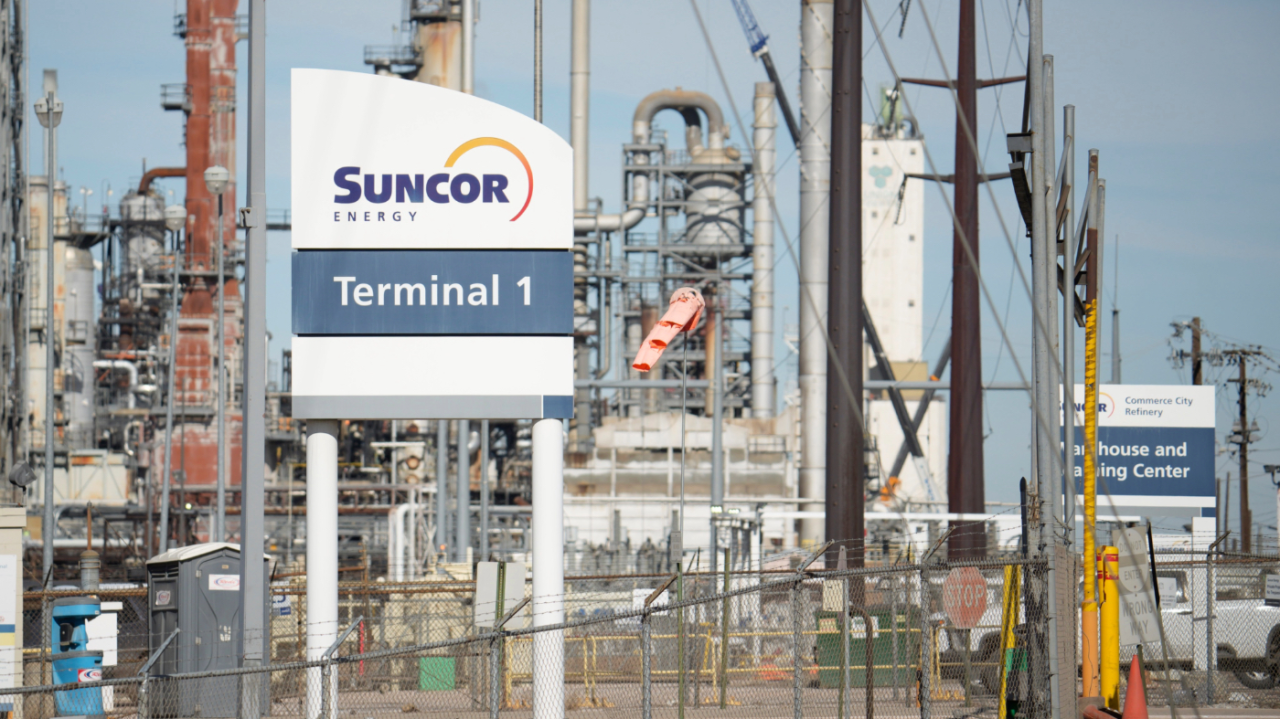
在新任期的第一天,美国最高法院将听取一项大胆的主张:当指控涉及化石燃料公司就气候变化进行欺骗时,陪审团甚至不能考虑这些问题。在“森科公司诉博尔德县”案中,两家石油公司将提出这一主张,以阻止针对它们的诉讼。如果你认为人们应该能够在法庭上追究企业的责任,你就应该关注此案。
On the first day of its new term, the Supreme Court will hear a bold argument: that no jury can even consider these questions when the allegations concern deception by fossil fuel companies about climate change. In Suncor v. Boulder County, two oil companies will be making that case to stop a lawsuit against them. If you think people should be able to hold corporations accountable in court, you should pay attention.
几十年来,石油公司一直对气候变化以及燃烧化石燃料可能是罪魁祸首这一观点表示怀疑。但大约十年前,调查人员发现了一批文件,显示该行业至少从20世纪60年代起就知道真相。
For decades, oil companies have cast doubt on climate change and the idea that burning fossil fuels might be to blame. But about a decade ago, investigators uncovered a trove of documents showing the industry knew the truth since at least the 1960s.
具体而言,石油和天然气行业的高管们知道,他们的行业和产品正在排放大量二氧化碳,导致大气升温,到本世纪末可能导致——用他们的话说——“全球性灾难性事件”。他们知道,在这一系列事件中,唯一的“不确定性”在于他们是否会披露这一问题,或者是否会采取任何措施来减少进入大气的二氧化碳水平。
Specifically, oil and gas executives knew their industry and products were releasing huge amounts of carbon dioxide, which was causing the atmosphere to heat to a point that it could lead to — in their words — “globally catastrophic events” by the end of this century. They knew the only “uncertainty” in this chain of events was whether they would disclose the problem or do anything to reduce the level of carbon dioxide entering the atmosphere.
那些正为昂贵且本可避免的气候相关损害而苦苦挣扎的州和地方政府注意到了这一点。数十个司法管辖区——包括博尔德县——依据州消费者保护和产品安全法对石油公司提起诉讼,指控该行业数十年来存在欺骗行为。
States and local governments struggling with expensive and avoidable climate-related damage took notice. Dozens — including Boulder County — sued oil companies under state consumer protection and product safety laws, alleging decades of industry deception.
这几乎不是地方政府首次起诉某个行业,指控其因隐瞒真相而伤害民众。一代人之前,成千上万的人成功起诉烟草公司,要求赔偿因被告知香烟安全而吸烟者产生的医疗费用。更近一些时候,所有50个州也以同样的方式起诉了那些隐瞒阿片类药物真相的公司。
It’s hardly the first time that local governments have sued an industry for hurting people by hiding the truth. A generation ago, thousands successfully sued tobacco companies to recover the costs of caring for smokers who were told cigarettes were safe. More recently, all 50 states did the same to companies who hid the truth about opioids.
化石燃料行业迫切希望避免这样的命运。大型石油公司正试图阻止这些诉讼——不是通过反驳指控,而是通过阻止州法院受理这些案件。
The fossil fuel industry desperately wants to avoid that fate. Big Oil companies are trying to stop these lawsuits — not by contesting the claims but blocking state courts from hearing them.
需要明确的是,州和地方政府的诉讼并非试图监管油井、空气污染或你驾驶的汽车等事务。这些议题通常由联邦法律管辖,并在联邦法院审理。这些诉讼的目标是,让那些对其产品风险撒谎的石油公司,为这些产品造成的损害承担赔偿责任。这正是州法院经常处理的案件类型。
To be clear, the state and local government lawsuits aren’t trying to regulate things like oil wells, air pollution or the car you drive. Those topics are generally covered by federal laws and contested in federal courts. The lawsuits aim to make the oil companies that lied about the risks of their products help pay for the damages those products caused. That’s the kind of case that state courts handle all the time.
也许你同意石油公司的观点,认为将全球气候变化的责任归咎于它们并不公平。也许你认为它们并未真正欺骗任何人,或者这种欺骗并未导致气候变化,又或者气候变化并未真正造成损害。但这场最高法院的案件,仅仅关乎陪审团是否应该有机会审议这些问题。
Maybe you agree with the oil companies that it’s not fair to blame them for global climate change. Maybe you think that they didn’t really deceive anyone, or that the deception didn’t cause climate change or that climate change isn’t really causing damage. But this Supreme Court case is just about whether a jury should have the chance to consider those questions.
石油公司最极端的论点在于,抽象的宪法原则可以保护它们免受在州法院因欺骗民众而被起诉的命运。这本质上是一种政策主张:石油行业的重要性实在过于重大,不应被迫向那些正在应对气候相关损害成本的当地政府负责。
The oil companies’ most radical argument is that abstract constitutional principles shield them from being sued in state court for deceiving people. That boils down to a policy argument that the oil industry is just too important to have to answer to local governments that are dealing with the costs of climate-related damage.
法院的职责是裁决法律问题,而非政策问题。因此,当科罗拉多州最高法院驳回该行业的论点,为实际审判铺平道路时,我并不感到意外。同样,当石油公司请求最高法院复审这一裁决时,我也不感到意外。试一下总没有坏处。
Courts are meant to rule on questions of law, not policy. So, I wasn’t surprised when the Colorado Supreme Court rejected the industry’s arguments, paving the way for an actual trial. I also wasn’t surprised when the oil companies asked the Supreme Court to review that decision. No harm in trying.
但令我惊讶的是,法院在原告尚未获得庭审机会之前就同意介入此案;而在近期五起类似案件中,法院均曾拒绝介入。或许,正如许多人所怀疑的那样,保守派多数派正急于延续其将企业利益置于公众健康和环境之上的做法。
But I was surprised when the court agreed to get involved before the plaintiffs even got their day in court; it had declined to get involved in similar cases on five recent occasions. Perhaps the conservative majority is itching, as many suspect, to continue its streak of prioritizing corporations over people’s health and the environment.
而最新的情节转折更让我感到震惊:大法官阿利托在口头辩论前一周宣布在森科公司案中回避。这位大法官并未解释回避的原因,但此前一直有人呼吁他这样做,因为他在石油行业持有金融投资。这意味着其余大法官将不得不回答那些他们可能从未想过要审理的问题。至少需要四名大法官投票同意才能受理案件;我们尚不清楚阿利托大法官是否提供了其中一票。
And I was even more surprised at the latest plot twist: Justice Alito recused himself from Suncor just one week before oral arguments. The justice didn’t explain why he bowed out, but people had been calling on him to do so because he has financial investments in the oil industry. That leaves the remaining justices to answer questions they may never have wanted to take up. At least four justices have to vote to take up a case; we don’t know if Justice Alito provided one of them.
但即使没有阿利托,我们也应该提出同样的问题:如果最高法院向大型石油公司开绿灯,下一个会急切要求获得同样待遇的行业会是什么?人工智能公司?制药巨头?
But even without Alito, we should all still ask the same question: If the Supreme Court gives Big Oil a hall pass, which industry will be clamoring to be next? AI companies? Pharmaceutical giants?
我希望法院能做出正确的决定,让此案继续审理。这绝非法院考虑这些问题的最后机会。在原告获得庭审机会、陪审团作出裁决之后,法院随时可以受理此案。
I hope the court does the right thing and lets this case proceed. It’s hardly the court’s last chance to consider these questions. It can always take the case up after the plaintiffs get their day in court, and after a jury has made its findings.
法治在平等适用于所有人时最为有效。此案将是对大法官们是否相信这一点的良好检验。桑巴夫·桑卡尔是地球正义组织的高级项目副总裁。
The rule of law works best when it’s applied to everyone equally. This case will be a good test of whether the Justices believe that. Sambhav Sankar is senior vice president for programs at Earthjustice.