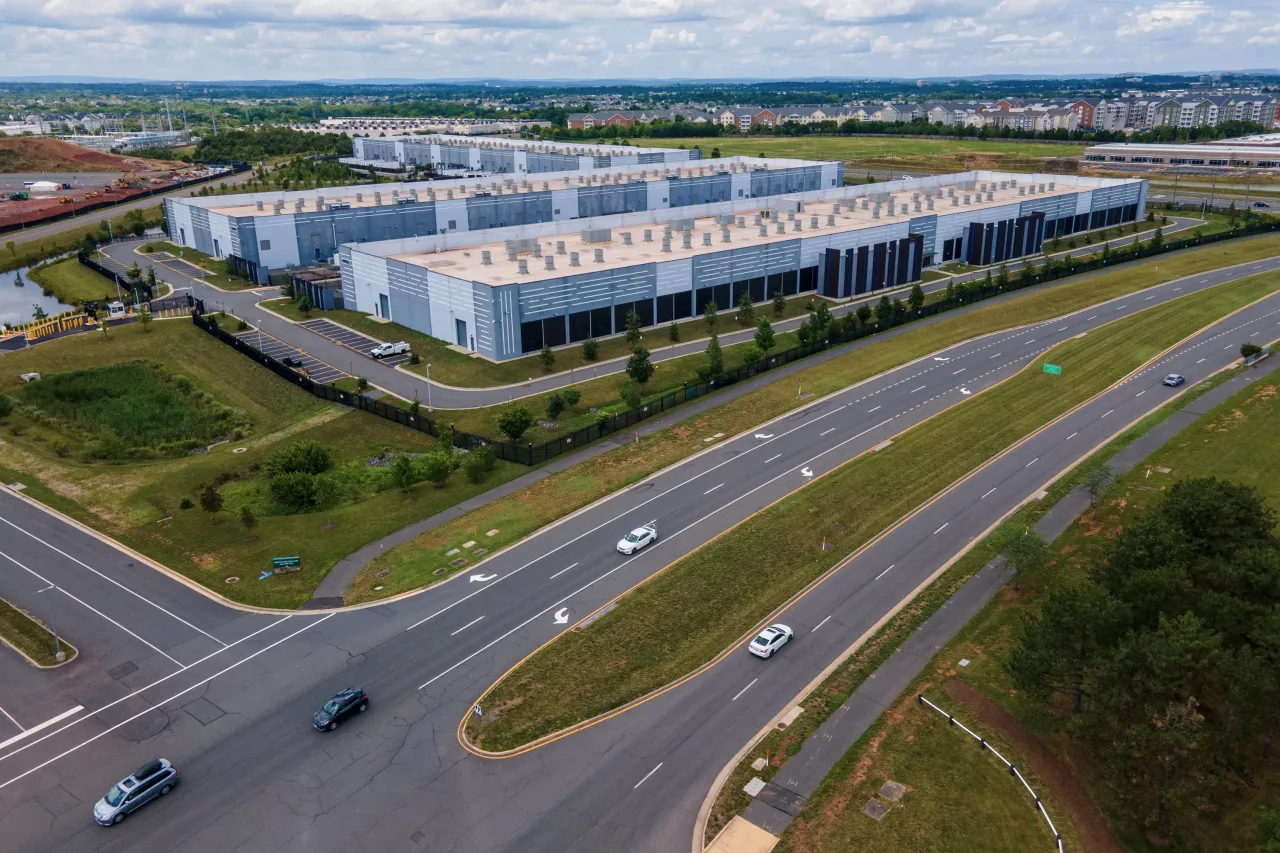
我们已经远远超越了人工智能仅仅意味着一次简单的软件升级或智能手机上一个巧妙的聊天界面的阶段。涌入数字基础设施的巨额资本,已将这一曾被视为投机性的科技趋势,转变为全球经济的基础支柱。这在多个层面都令人担忧。大型科技公司的资本支出数据,看起来与其说是企业预算,不如说是主要国家国家的国防开支。
We have moved well past the point where artificial intelligence represents a simple software upgrade or a clever chat interface on a smartphone. The sheer magnitude of capital flowing into digital infrastructure has transformed a speculative tech trend into a foundational pillar of the global economy. This is concerning on many levels. Capital expenditure figures for big tech firms look less like corporate budgets and more like the defense spending of major nation-states.
数万亿美元正直接涌向硅芯片、液冷数据中心、混凝土地基、核能重启项目以及高压电网。重工业、商业地产、公用事业提供商和绿色能源开发商,都将自身的长期增长预测,与对计算能力永无止境的需求捆绑在一起。硅谷已成功将其金融风险转移到了实体经济。如果投资者突然认定这些庞大的实体资产永远无法产生有意义的回报,那么经济冲击波可能在抵达加州的办公园区之前,就已波及水泥厂和发电厂。
Trillions of dollars are surging directly into silicon chips, liquid-cooled data centers, concrete foundations, nuclear power restarts, and high-voltage power grids. Heavy industry, commercial real estate, utility providers, and green energy developers have all tied their long-term growth forecasts to an endless appetite for computer power. Silicon Valley has successfully exported its financial risk to the real world. If investors suddenly conclude that these massive physical assets will never generate meaningful returns, the economic shockwave could reach cement factories and power plants long before it reaches California’s office parks.
这种脆弱性的核心,是一座由投机性数学模型堆砌而成的巨山。科技巨头和风险投资公司正投入数十亿美元用于基础设施建设,以满足目前主要存在于商业演示文稿中的软件需求。建造一个现代化的数据中心需要数亿美元的前期投入,而这些投入依赖于长达数十年的电力合同,以及折旧速度比豪华跑车还快的短期硬件资产。
At the heart of this vulnerability lies a mountain of speculative math. Tech giants and venture capital firms are pouring billions into infrastructure to meet software demand that, for now, exists mostly in pitch decks. Constructing a modern data center requires hundreds of millions of dollars upfront, backed by decades-long power contracts and short-lived hardware assets that depreciate faster than luxury sports cars.
一旦更先进的芯片问世,英伟达的GPU就可能迅速贬值。如果企业软件的收入仅能达到当前预测的一小部分,那么那些崭新亮眼的服务器集群,就可能沦为过度投资的巨大纪念碑。建立在指数级增长预测之上的估值可能在一夜之间蒸发,留下企业面对满仓库的昂贵硬件,而这些硬件早已开始过时。
Nvidia GPUs can depreciate rapidly when faster chips hit the market. If enterprise software revenue lands at a tiny fraction of current forecasts, those sparkling new server farms could become vast monuments to overinvestment. Valuations built on exponential growth projections could evaporate overnight, leaving corporations with warehouses full of costly hardware that is already becoming obsolete.
那些完全回避科技新闻的普通民众,仍然严重暴露在这一潜在“定时炸弹”所带来的风险之中。现代股票市场已呈现出历史性的“头部集中”现象:极少数巨型科技公司的表现,推动了宽基指数回报的绝大部分。养老基金、国家退休体系、指数追踪型共同基金以及普通的401(k)账户,多年来都在自动购买这些科技巨头公司的股票。
Ordinary citizens who avoid tech news entirely remain heavily exposed to the risks of this potential time bomb. The modern stock market has grown historically top-heavy, with a tiny handful of mega-cap technology firms driving the vast majority of broad index returns. Pension funds, state retirement systems, index-tracking mutual funds, and standard 401(k) accounts have spent years automatically purchasing these exact corporate giants.
一位俄亥俄州的办公室职员或德克萨斯州的一名教师,可能分不清大型语言模型(LLM)和图形处理器(GPU)的区别,也可能对此毫不在意,但他们的财务安全却直接取决于科技股的估值。硅谷几家公司董事会室中突然出现的股价回调,将直接导致普通退休投资组合遭受损失。就业市场则呈现出一个更为扭曲的悖论。
An office worker in Ohio or a teacher in Texas might not know the difference between an LLM and a GPU, and they might not care, yet their financial security rests directly on tech stock valuations. A sudden correction in a few Silicon Valley boardrooms translates into a direct haircut for everyday retirement portfolios. The employment market contains an even more twisted paradox.
在过去三年里,金融、物流和零售行业的公司高管们以“自动化将很快大幅降低劳动力成本”的承诺,向股东解释为何要实施大规模招聘冻结、扩建办公室以及巨额资本借贷。这一转变的严重性,从微软一位高管的言论中可见一斑——他表示,整个生成式人工智能模型都依赖于“人类历史上最大规模的劳动力掠夺”。这些公司高管实际上是以尚未体现在国家经济数据中的未来生产力增长,作为抵押获得了巨额贷款。
Over the last three years, corporate leaders across finance, logistics and retail justified aggressive hiring freezes, office expansions and massive capital borrowing by promising shareholders that automation would soon drastically lower labor costs. The gravity of this shift is underscored by a senior figure at Microsoft, who says the entire generative AI model relies on "the largest theft of labor in human history." Company executives essentially took out heavy loans against future productivity gains that have yet to show up in national economic data.
如果软件无法大规模实现行政工作的自动化,这些高管将立即面临利润空间受压的困境。而一旦生产力目标未能达成,企业很可能会迅速采取激进的成本削减措施。成千上万的员工可能因此失业,因为公司正急于弥补未使用的软件订阅和毫无用处的基础设施投入所带来的惊人成本。金融体系本身,则为这一局面增添了最后一层危险。
If software fails to automate administrative workloads at scale, those same executives will face immediate margin pressure. The corporate response to missed productivity targets will likely involve rapid, aggressive cost-cutting. Thousands of workers could lose their jobs as companies scramble to offset the staggering costs of unused software subscriptions and useless infrastructure commitments. The financial system itself adds a dangerous final layer to this setup.
华尔街银行、私募股权基金和非银行贷款机构多年来一直在为数据中心建设、能源收购和专用硬件租赁提供资金。尤其是私募信贷基金,在动荡的市场中寻求更高收益,已向缺乏验证的科技公司投入了数十亿美元的杠杆贷款。当一种依赖高杠杆的资产类别突然失去收入潜力时,债务并不会凭空消失。那些利用率低的数据中心所对应的违约贷款,可能会从企业资产负债表中转移到地区性银行和私募信贷市场。
Wall Street banks, private equity funds and non-bank lenders have spent years funding data center construction, energy acquisitions and specialized hardware leases. Private credit funds in particular have poured billions into leveraged loans for unproven tech ventures, seeking higher yields in a volatile market. When an asset class backed by heavy leverage suddenly loses its revenue potential, the debt doesn’t simply disappear. Defaulted loans on underused data centers could move from corporate balance sheets into regional banks and private credit markets.
当高风险的住房债务在全球金融机构中引发损失蔓延时,我们就曾目睹过类似的连锁反应。如果硬件估值突然崩溃,软件行业的失败将迅速演变成银行业的噩梦,伴随而来的将是流动性紧缩和信贷市场冻结。目前,金融界的普遍共识认为,数字基础设施是一种毫无风险的“防弹”资产类别。但历史表明,每当华尔街将投机性的未来收益视为板上钉钉的确定性时,最终都会伴随着高昂的利息代价。John Mac Ghlionn 是一位作家兼研究员,专注于文化、社会以及技术对日常生活的影响。
We saw a similar chain reaction when risky housing debt spread losses across financial institutions worldwide. A sudden collapse in hardware valuations would quickly turn software failure into a banking nightmare, complete with liquidity squeezes and frozen credit markets. The financial consensus currently assumes that digital infrastructure represents a bulletproof asset class with zero downside. But history suggests that whenever Wall Street treats speculative future yield as a guaranteed certainty, the bill eventually arrives with substantial interest. John Mac Ghlionn is a writer and researcher who explores culture, society and the impact of technology on daily life.