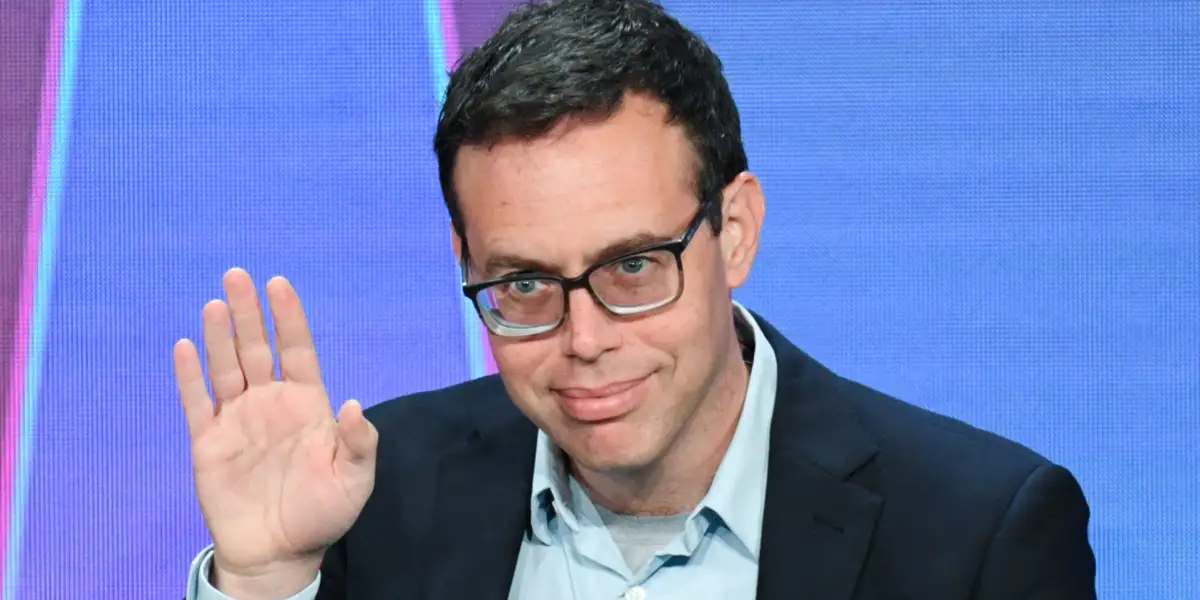
大卫·罗宾逊是OpenAI安全系统团队的一名负责人,他在本周离开了公司。他曾立志将哲学引入新闻业。作为一名罗德学者,罗宾逊于2004年毕业于普林斯顿大学,获得哲学学位。在普林斯顿期间,他曾担任校报观点版块的负责人。在2003年接受《普林斯顿日报》采访时,罗宾逊表示,他想成为那种“告诉你事实是什么,然后深入探讨解释局势的哲学分歧”的记者。
David Robinson, a leader on OpenAI's Safety Systems team who quit the company this week, once had ambitions to bring philosophy to journalism. A Rhodes Scholar, Robinson graduated from Princeton in 2004 with a degree in philosophy. At Princeton, he led the school newspaper's opinion section. In a 2003 interview with the Daily Princetonian, Robinson said he wanted to be the kind of reporter who "tells you what the facts are and then gets to the philosophical differences that explain the situation."
如今,罗宾逊的名字出现在了头条新闻中——而且是一个引人注目的署名。他离开了OpenAI,就在同一周,另外三名安全研究人员被解雇,他还为《大西洋月刊》撰写了一篇尖锐的文章,指责OpenAI在安全方面的做法不够充分。“我同意其他近期离职员工的观点,即构建这项技术的公司远远不够谨慎,”罗宾逊在文中写道。
Now, Robinson's name is in the headlines — and a notable byline. He left OpenAI, the same week three other safety researchers were fired, and issued a blistering essay for The Atlantic about what he said is OpenAI's inadequate approach to safety. "I agree with other recently departed staff that the companies building this technology aren't being nearly careful enough," Robinson wrote in the essay.
罗宾逊以及他声称聘请的公关公司均未回应《商业内幕》的置评请求。对其发表的文章、采访和著作(可追溯至本科生时期)的梳理,勾勒出一位深切关注技术对人类影响的形象。“一生中,我一直对围绕技术的规则以及我们如何决定何时、如何使用技术着迷,”他在2022年接受《普林斯顿大学校友周刊》播客采访时表示。
Neither Robinson nor the PR firm he said he hired responded to Business Insider's requests for comment. A review of his published essays, interviews, and books dating back to his days as an undergraduate paints a picture of a man deeply concerned with the impact of technology on humanity. "All through my life, I've been fascinated by the rules that surround technology and how we decide when and how we're going to use it," he said in a 2022 interview on the Princeton Alumni Weekly podcast.
罗宾逊在马里兰州波托马克长大,那是华盛顿特区的一个富裕郊区。作为一名在1990年代患有轻度脑瘫的孩子,罗宾逊说他的老师制定了一条新规则,允许他使用文字处理器代替笔和纸。“从那时起,我就对新数字技术的社会影响感兴趣,”他在2021年接受加州大学伯克利分校采访时表示。根据他的领英页面,在普林斯顿读本科期间的暑假,他曾在《时代》周刊和《华尔街日报》实习。
Robinson grew up in Potomac, M.D., an affluent suburb of Washington, D.C. As a child in the 1990s with a mild case of cerebral palsy, Robinson said his teachers created a new rule that allowed him to use a word processor in lieu of pen and paper. "Ever since then, I've been interested in the social impacts of new digital technologies," he said in a UC Berkeley interview in 2021. During summers as an undergrad at Princeton, he interned at Time Magazine and The Wall Street Journal, according to his LinkedIn page.
2003年,他对《每日普林斯顿人报》表示,在积累了记者经验后,他希望能为《纽约客》或《哈珀杂志》这类文学杂志撰稿。普林斯顿毕业后,罗宾逊在牛津大学攻读哲学、政治学和经济学学位,随后返回普林斯顿创办了一个研究中心,专注于技术与公共政策的关系。他在伯克利的采访中表示:“部分想法是,如果你在应对新技术带来的政策和价值选择问题,拥有真正的技术专业深度将大有裨益。”
He told the Daily Princetonian in 2003 that after gaining experience as a reporter, he hoped to write for a literary magazine like The New Yorker or Harper's. After Princeton, Robinson got a degree in philosophy, politics, and economics at Oxford before returning to Princeton to start a research center about the relation between technology and public policy. "Part of the idea was that, if you're navigating the policy and the values choices that come up around new technologies, it's a big help to have some real depth of technical expertise," he said in the Berkeley interview.
2011年,罗宾逊与一位普林斯顿的同事共同创立了Upturn组织,旨在利用算法技术让政府数据更易获取。在多所大学担任研究和教学职务、并在苹果大学担任一年教职主管(为苹果高管举办关于新技术引发的伦理问题研讨会)后,罗宾逊于2023年加入OpenAI。最初担任ChatGPT制造商的政策规划主管,罗宾逊在领英发文宣布新职位时写道:“期待帮助塑造OpenAI在更广泛的AI政策辩论中的参与,正值这一关键时刻。”
In 2011, Robinson and a colleague from Princeton founded Upturn, an organization that aimed to use algorithmic technologies to make government data more accessible. After research and teaching roles at several universities and a one-year tenure as a faculty director at Apple University, where Robinson gave seminars for Apple executives on the ethical questions prompted by new technologies, Robinson joined OpenAI in 2023. Originally the head of policy planning at the ChatGPT's maker, Robinson wrote in a LinkedIn post announcing his new position that "I look forward to helping shape OpenAI's engagement in the broader AI policy debate, at this critical moment."
在2023年世界经济论坛主办的AI治理峰会上,罗宾逊表示,OpenAI在发布模型前会进行严格的安全检查,且公司并非单纯以盈利为动机。他说:“我们相信逐步部署,然后在过程中不断学习。”然而最近,罗宾逊在X上发文表达了对OpenAI能否在日益先进的模型与安全之间取得平衡的担忧。“@openai的情况确实在日新月异地变化,但我不知道我们是否变得足够快,”他在上个月说道。
In a 2023 appearance at the AI Governance Summit hosted by the World Economic Forum, Robinson said OpenAI performs robust safety checks before releasing models and that the company wasn't solely motivated by profit. "We believe in deploying gradually and then learning as we go," he said. Recently, however, Robinson has posted concerns on X about OpenAI's ability to balance safety with increasingly advanced models. "Things @openai are indeed changing significantly by the day, but I do not know whether we are changing fast enough," he said last month.
我认为,正如 @hilbertspaess 所言,我们许多人“尚未深刻内化文明层面的利害攸关”,这依然属实。
"I think it is still true, as @hilbertspaess puts it, that many of us 'have not deeply internalized the civilizational stakes.'"
随后在周五,Business Insider 独家报道了 Robinson 离开公司的消息。
Then, on Friday, Business Insider exclusively reported that Robinson was out at the company.
第二天,他在《大西洋月刊》上发表了一篇长文,解释他离职的原因。
The next day, he published a lengthy essay in the Atlantic explaining why he left.
Robinson 的离职紧随 Jacob Coxon 之后,后者是 Anthropic 前工程师,于上月辞职并警告 AI 可能导致大规模灭绝。
Robinson's departure follows that of Jacob Coxon, a former Anthropic engineer who quit last month and warned that AI could cause mass extinction.
在《大西洋月刊》的文章中,Robinson 回应了这样一种观点:留在 OpenAI 比离职能为提升安全性做更多贡献。
In his Atlantic essay, Robinson addressed the argument that he could do more to improve safety by staying at OpenAI than by leaving.
Robinson 写道,通过在外部工作,他“能帮助更多人理解我所看到的风险,并强化 OpenAI 及其他公司优先考虑安全的激励机制。”
Robinson wrote that, by working on the outside, he "can help more people understand the risks I saw, and strengthen the incentives OpenAI and other firms have to be safer."
他表示选择离职是因为“随着公司从一个发布冲刺到下一个发布,它未能达到我认为必要的审慎程度。”
He said he chose to leave because "as the company sprints from one launch to the next, it is failing to achieve the level of care that I believe is needed."
针对 Robinson 的文章,OpenAI 发言人在一份声明中表示,公司正在努力确保 AI 模型不会超越其已实施的安全措施。
In response to Robinson's essay, an OpenAI spokesperson said in a statement that the company is working to ensure that AI models don't outpace the safety measures it has implemented.
发言人表示:“随着我们的模型变得更强大,我们将继续强化安全与安保实践,以应对当前看到的风险,同时构建安全论证以预判未来进步带来的风险。”
"As our models become more capable, we continue to strengthen our safety and security practices to address the risks we see today while building safety cases to anticipate the risks of future advances," the spokesperson said.
“我们正在确保模型不会变得比我们能安全管理和保障的更强大,并在必要时暂停训练或推迟模型发布以减缓进度。”
"We're making sure our models don't become more capable than we can safely manage and secure, and we pause training or hold back models when we need to slow down."